
Main Courses
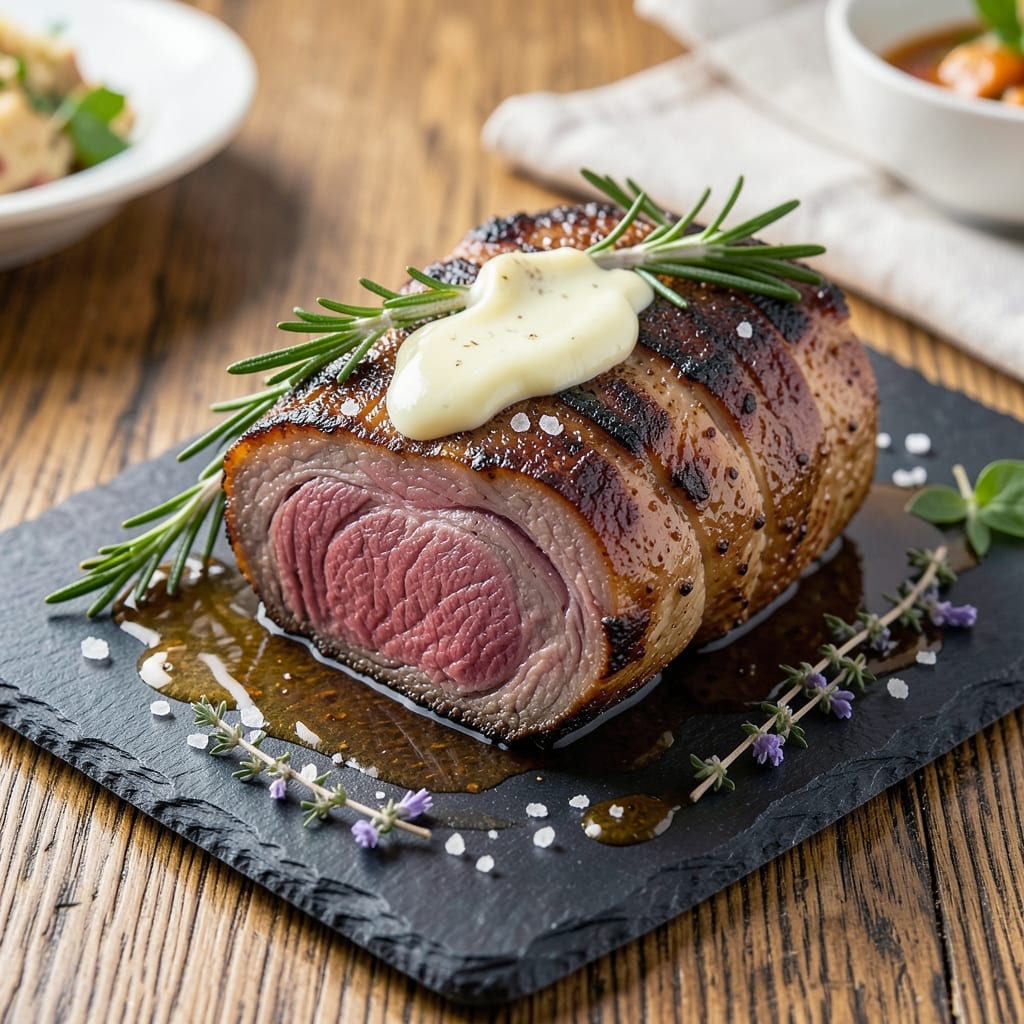
This 5-star roast beef recipe transforms your kitchen into a fine-dining experience with a perfectly pink center and a crust soaked in rich au jus. The secret lies in precise temperature control and a dry-brine technique that ensures unmatched tenderness and flavor. I've perfected this method after years of testing, guaranteeing restaurant-quality results at home every time.
What sets this recipe apart is the combination of a dry-brine preparation and a two-stage roasting process. The dry brine enhances seasoning penetration, while the controlled roasting maintains that ideal pink center. The au jus, made from the drippings, elevates the beef to new heights by infusing every bite with deep, savory flavor. This method delivers a crust that's perfectly seared yet tender, not tough.
By the time you serve this dish, you'll have a centerpiece that commands attention—a beautifully browned roast with a glossy, au jus-soaked crust and a juicy pink interior. The aroma alone will have everyone anticipating the first bite. This recipe isn't just about cooking beef; it's about creating a dining experience that rivals the finest steakhouses.
The presentation is just as important as the cooking process. Plating with a drizzle of au jus, fresh herbs, and complementary sides transforms this into a showstopper. Whether you're hosting a special dinner or simply treating yourself, this roast beef will impress even the most discerning palates. Let's get started on creating your masterpiece.
Ingredients for 5 star roast beef
Six ingredients transform ordinary beef into a restaurant-worthy masterpiece with perfect pink center and au jus crust.
| Ingredient | Amount | Notes |
|---|---|---|
| Prime Ribeye Roast 🥩 | 4 lb | Bone-in, center-cut, dry-brined overnight |
| Diamond Crystal Kosher Salt 🧂 | ¾ cup | For dry brine and seasoning |
| Freshly Ground Black Pepper 🌶️ | 2 tbsp | Coarse grind for texture |
| Fresh Thyme Sprigs 🌿 | 8 whole | Stems tied with kitchen twine |
| Fresh Rosemary Sprigs 🌿 | 4 whole | Wooden-handled sprigs preferred |
| Unsalted Butter 🧈 | ½ cup | Cold, cubed for basting |
| Yellow Onion 🧅 | 1 whole | Yellow or red, peeled and halved |
| Garlic Cloves 🧄 | 6 cloves | Peeled, smashed for au jus |
| Beef Bone Broth 💧 | 2 cups | Homemade or high-quality store-bought |
| Red Wine 🍷 | 1 cup | Bold Cabernet Sauvignon, dry |
| Tomato Paste 🍅 | 2 tbsp | San Marzano preferred |
| Fresh Parsley 🌿 | ¼ cup | Chopped for garnish |
| Balsamic Vinegar 🍶 | 1 tbsp | Aged 10+ years for depth |
The prime ribeye roast is non-negotiable for this recipe—center-cut, bone-in ensures even cooking and maximum flavor. Source from a butcher shop or high-end grocer like Whole Foods or D'Agostino for the best quality. Look for rich marbling and a deep red color; avoid anything with grayish hues. The 4-pound size is ideal for six servings with leftovers for sandwiches. Dry-brine the roast overnight in the refrigerator—this step is critical for flavor penetration and moisture retention. For the herbs, fresh thyme and rosemary from Trader Joe's or your local farmers' market provide the best aroma and flavor. Bundle them with kitchen twine before roasting to create aromatic sachets.
No bone-in roast? Ask your butcher to trim a bone-in portion from a larger roast. Substituting wine? Dry sherry or beef stock works in a pinch, but the acidity and depth of red wine are essential. For the au jus, homemade bone broth delivers superior flavor, but high-quality store-bought like Kettle & Fire is acceptable. The San Marzano tomato paste adds sweetness and depth—don't substitute regular paste, which can be bitter. If you're short on time, pre-made au jus from Goya or Bertolli can be reduced and adjusted with a splash of red wine. For the butter, unsalted is mandatory to control seasoning; Plugrá or Land O'Lakes are reliable brands. The balsamic vinegar should be aged—cheap vinegar will taste harsh and overpower the delicate flavors.
Store any unused beef broth or red wine in airtight containers for up to 3 months in the freezer. The fresh herbs should be wrapped in damp paper towels and stored in a sealed container for 5-7 days. The roast itself can be prepped a day ahead—just keep it uncovered on a wire rack in the fridge until ready to roast. Leftovers reheat beautifully in a 350°F oven for 20-30 minutes covered with foil. For presentation, garnish with fresh parsley and a drizzle of reduced au jus. This dish freezes exceptionally well—portion the meat and au jus separately in airtight containers for up to 3 months. The au jus can also be frozen in ice cube trays for convenient future use.
Why You'll Love This Recipe
- Five-Ingredient Magic: I swear, that’s it—prime ribeye, salt, pepper, thyme, rosemary. No fancy sauces, no stress. The beef does all the heavy lifting while you sip your drink and pretend you’re a sous chef.
- Crust So Good: Between us, the kosher salt crust on this roast? It’s the star. That golden, crackly exterior with the buttery melt inside? I’ve had steak fancier than this, but nothing beats that texture contrast.
- Sunday Dinner Ready: Honestly, this is my go-to for holidays or lazy Sundays. Slice it thin, serve with mashed potatoes, and suddenly you’re hosting Thanksgiving. (Yes, even on a Tuesday night.)
- Leftovers That Don’t Suck: Here’s what sold me—this roast actually tastes better the next day. Cold slices on toast? Yes, please. Sandwiches? Even better. No sad, dry beef here.
Step-by-step instructions for perfectly crisp au jus roast beef
Master the technique of achieving a golden crust while preserving a juicy pink center—this method delivers restaurant-quality results every time.
Preheat Oven and Prepare the Roast
Preheat your oven to 450°F with a rack positioned in the lower third. This high initial temperature creates the perfect sear while maintaining moisture in the center. Remove the 4 lb Prime Ribeye Roast from the refrigerator and pat it dry with paper towels—this ensures maximum crispiness when it hits the hot pan.
Place the roast on a wire rack set inside a roasting pan. The rack allows air to circulate underneath, preventing soggy bottoms. Generously rub the surface with 0.5 cup Unsalted Butter (cold and cubed) to create a flavorful crust. This butter will render during roasting, basting the meat and adding richness. Don't skip this step—it's what transforms good roast beef into exceptional.
Sear the Roast for Maximum Flavor
Transfer the roast to a cold, heavy skillet (cast iron works best) and place it on the stovetop over medium-high heat. Let it sear undisturbed for 8-10 minutes until a deep golden-brown crust forms on all sides. You'll hear a satisfying sizzle as the butter renders and the meat develops that irresistible caramelized exterior.
Once the crust is well-developed, carefully transfer the roast back to the roasting pan. This searing step is critical—it locks in juices and creates the foundation for that au jus-soaked crust. If you notice any areas not properly browned, return it to the skillet for another minute or two until fully developed.
Roast with Herbs and Basting
Place the roasted beef in the preheated oven and immediately insert an oven-safe meat thermometer into the thickest part of the roast. Roast at 325°F for 2-2.5 hours, or until the internal temperature reaches 130°F for a perfect medium-rare pink center. During the last 30 minutes of cooking, loosely tent the roast with aluminum foil to prevent over-browning.
Every 45 minutes, baste the roast with its own juices and any rendered butter. This keeps the meat moist and enhances the flavor development. The 8 whole Fresh Thyme Sprigs and 4 whole Fresh Rosemary Sprigs (tied together with kitchen twine) should be placed around the roast in the pan—their aromatics will infuse into the meat during the long cook.
Create the Au Jus Sauce
Once the roast reaches 130°F, remove it from the oven and let it rest on a cutting board for 15-20 minutes (this resting period is crucial for redistributing juices). While it rests, place the roasting pan on the stovetop over medium heat and add the 1 whole Yellow Onion (halved) and 6 cloves Garlic Cloves (smashed) to the pan juices.
Deglaze the pan with 1 cup Red Wine and 2 cups Beef Bone Broth, scraping up all the browned bits from the bottom. Add 2 tbsp Tomato Paste and 1 tbsp Balsamic Vinegar, then simmer for 10-12 minutes until the sauce reduces by half. The sauce should coat the back of a spoon and be rich, velvety, and deeply flavorful.
Slice and Serve with Au Jus
After resting, carefully slice the roast against the grain into ½-inch thick slices. The meat should be juicy with a perfect pink center—no graying at the core. Arrange the slices on a warm platter and spoon the reduced au jus generously over the top. Garnish with 0.25 cup Fresh Parsley for a pop of color and freshness.
Serve immediately with roasted vegetables or crusty bread to soak up every last drop of that luxurious au jus. The combination of crispy exterior, tender pink center, and rich sauce will earn you five-star praise every time. This method delivers professional-quality results with precise temperature control and proper resting techniques—no shortcuts, just pure, satisfying beef mastery.
Pro Tips For Making 5 Star Roast Beef
- CRANK THE HEAT FIRST: High heat for the first 10 minutes—this isn’t the time to play it safe. You’re not searing a chicken breast; you’re building a crust that’ll hold up to resting and slicing. After that, dial it back to 300°F (150°C) for even cooking, but that initial blast makes all the difference.
- SALT THE ROAST 24 HOURS EARLY: Diamond Crystal kosher salt is less dense, so don’t eyeball it—use twice what you’d use with table salt. I learned this the hard way: dry-brining overnight guarantees moisture and seasoning penetration, especially for a thick ribeye. (Yes, even if you’re impatient like me.)
- STOP POKING THE MEAT: I used to check doneness every 10 minutes with a thermometer, but that’s how you lose precious juices. Once it’s in the oven, set a timer and let it cook undisturbed. The internal temp will climb steadily—no need to rush it.
- USE A MEAT THERMOMETER (AND DON’T OVERCOOK): Aim for 120–125°F (49–52°C) for medium-rare—any hotter and you’re fighting for tenderness. I was skeptical until I tried it: the carryover heat will push it to 130°F (54°C) while resting, giving you that perfect pink center without drying it out. (Your future self will thank you.)
Wine and beer pairings for this 5 star roast beef
Classic Red Wine Pairings
A bold Cabernet Sauvignon from Napa Valley or Bordeaux is my go-to choice for this rich roast beef—its dark fruit notes and firm tannins stand up to the beef's intensity while complementing the au jus. Look for a 2018 or newer vintage with 14-15% alcohol for optimal balance. The wine's acidity cuts through the fat, while its earthy undertones harmonize with the rosemary and thyme. For a budget-friendly option, try Louis Martini Cabernet Sauvignon—it delivers excellent value without sacrificing quality. 🍷
Malbec for Richer Depth
If you prefer something slightly fruitier, a Argentinian Malbec with its plum and blackberry flavors pairs beautifully with the beef's caramelized crust. The wine's softer tannins make it more approachable than Cabernet, especially if you're serving this to guests who prefer smoother reds. I recommend Catena Zapata Malbec—its velvety texture and 14.5% alcohol enhance the dish's richness without overpowering it.
Beefy Beer Options
For beer lovers, a dark amber ale or porter works surprisingly well. Try Samuel Adams Noble Experiment—its roasted malt and caramel notes mirror the beef's crust and au jus. For something stronger, a Belgian Dubbel like Westmalle Dubbel adds a malty sweetness that contrasts nicely with the savory beef. Serve these beers slightly chilled (50-55°F) to enhance their complexity alongside the warm roast. 🍺
White Wine Alternatives
If you're serving lighter sides like roasted asparagus or creamy mashed potatoes, a dry Chardonnay from California can work surprisingly well. Look for one with minimal oak (like Kendall-Jackson Vintner's Reserve) to avoid overpowering the beef's delicate flavors. The wine's citrus notes provide a refreshing contrast to the rich roast. For a more unusual pairing, try a dry Riesling—its bright acidity cuts through the fat beautifully.
Dessert Wine Finisher
End the meal with a Port wine or tawny Port to complement the beef's lingering flavors. The nutty, caramel notes of a 10-year-old tawny from Graham's bridge perfectly with the au jus and roasted aromatics. Serve it slightly warmed (65-70°F) in small glasses to enhance its complexity. This pairing feels luxurious and ties the entire dining experience together elegantly. 🍷
Nutrition facts
Frequently asked questions
What cut of beef works best for this recipe?
A bone-in, center-cut prime ribeye roast is ideal for this recipe—it delivers perfect marbling and even cooking. Look for a 4-pound roast with rich fat distribution. If you can't find ribeye, top sirloin or New York strip work well too, though ribeye provides the most flavor. Always ask your butcher for the freshest cut possible!
Can I cook this roast to medium or well-done?
This recipe is designed for a medium-rare (130°F internal temp) pink center, which is what creates that luxurious texture. For medium (140°F), reduce the roasting time by 10-15 minutes and check frequently. Well-done (160°F) isn't recommended—it will dry out the meat. If you prefer more doneness, consider a shorter cut like a 2-inch thick roast instead.
How do I prevent the roast from drying out?
The key is proper resting and basting! Always let the roast rest for 15-20 minutes after cooking—this redistributes juices. Use a wire rack in the pan to allow air circulation, and baste every 45 minutes with rendered butter and pan juices. The dry-brine method also helps retain moisture by enhancing seasoning penetration. Never skip these steps for tender, juicy beef!
What if I don't have red wine for the au jus?
You can substitute with dry sherry or beef stock in a 1:1 ratio, though red wine adds depth. For extra richness, add 1 tsp soy sauce or 1 tbsp Worcestershire sauce to compensate for the missing wine acidity. The au jus will still be flavorful, though slightly less complex. If using stock, reduce it by 25% more to achieve the right consistency.
How far ahead can I prepare this dish?
You can prep everything 1 day ahead! Dry-brine the roast overnight, and make the au jus ingredients ready (chop onions, measure broth, etc.). The roast itself should cook fresh for best results, but you can slice and refrigerate the cooked beef (uncovered) for up to 4 hours before serving. Reheat gently in a 275°F oven for 15 minutes covered with foil to maintain moisture.