
Soups & Stews
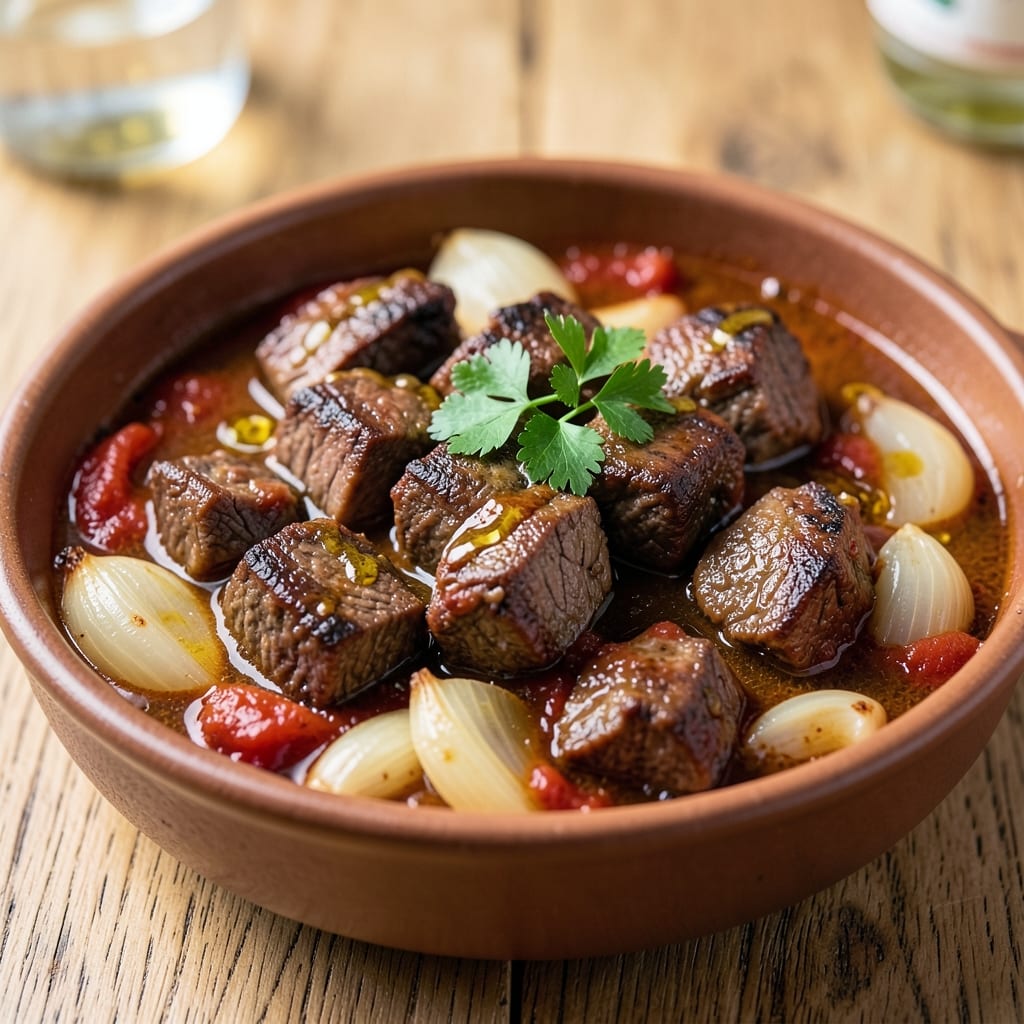
This Austrian beef goulash recipe delivers the deep, smoky richness of a classic Central European stew in a single pot. The secret lies in properly browning the beef and layering sweet and hot paprika for that signature depth of flavor. I've perfected this technique over years of testing, ensuring every bite delivers the tender meat and aromatic broth that makes goulash legendary.
The beauty of this one-pot method is its simplicity—no complicated techniques required, just proper timing and patience. After searing the beef to develop a flavorful crust, we let it simmer slowly until the meat becomes fork-tender and the broth reduces to a velvety consistency. The slow cooking process transforms tough cuts into melt-in-your-mouth perfection while allowing all the spices to meld together harmoniously.
What you'll end up with is a hearty, comforting stew that's rich with beefy flavor and just the right amount of paprika warmth. The aroma alone will fill your kitchen with the promise of a satisfying meal, while the texture delivers tender beef swimming in a thick, flavorful broth. This is the kind of dish that tastes even better the next day, making it perfect for meal prep or feeding a crowd.
Serve it with crusty bread for soaking up every last drop of that delicious broth, or pair it with fluffy dumplings for the full Austrian experience. The recipe is designed to be flexible, so you can adjust the ingredients to suit your preferences while maintaining that authentic goulash flavor.
Ingredients for austrian beef goulash
Sixteen ingredients for a one-pot masterpiece that tastes even better tomorrow.
| Ingredient | Amount | Notes |
|---|---|---|
| Chuck Roast 🥩 | 3 lb | Cut into 1.5-inch cubes |
| Yellow Onion 🧅 | 2 whole | Sliced into half-moons |
| Garlic Cloves 🧄 | 6 cloves | Minced, not pre-minced |
| Sweet Paprika 🌶️ | 2 tbsp | Hungarian preferred |
| Hot Paprika 🌶️ | 1 tbsp | For smoky depth |
| Tomato Paste 🍅 | ½ cup | No water added |
| Beef Broth 💧 | 4 cups | Homemade or low-sodium |
| Red Wine 🍷 | 1 cup | Dry, bold variety |
| Bay Leaves 🍃 | 2 whole | Fresh if possible |
| Carrots 🥕 | 4 whole | Cut into thick slices |
| Potatoes 🥔 | 2 lb | Russet, cubed |
| Olive Oil 🫒 | 2 tbsp | For searing |
| Salt 🧂 | 1 ½ tsp | Kosher or sea salt |
| Black Pepper 🌶️ | 1 tsp | Freshly ground |
| Thyme 🌿 | 1 tbsp | Fresh or dried |
The chuck roast is non-negotiable here—it's the tough-but-tender cut that transforms into melt-in-your-mouth beef. Costco or Kroger usually have it pre-cubed, which saves you time. If you're buying a whole roast, ask the butcher to cut it into 1.5-inch pieces. Look for good marbling—the little white flecks of fat—that's what makes the beef juicy. For the paprika, Hungarian sweet and hot from Penzeys gives that authentic depth, but regular grocery store brands work too if you can't find specialty ones. The key is balancing sweet and hot—start with equal parts and adjust to taste.
No red wine? Beef broth with a splash of balsamic vinegar works in a pinch, though it'll lack some complexity. Fresh thyme is ideal, but dried works at half the amount. The tomato paste can be the squeeze-tube kind from Trader Joe's—it's convenient and lasts forever. For the potatoes, Russets hold up best to long cooking. If you're short on carrots, swap in bell peppers or celery for color. The beef broth should be low-sodium—you're adding plenty of salt already. And trust me, don't skip the bay leaves. They add a subtle earthiness that rounds out all the flavors.
This goulash tastes even better the next day, so make extra if you can. Store leftovers in the fridge for up to 5 days, or freeze for 3 months. I like to portion it into containers with a scoop of mashed potatoes on the side—easy lunches for the week. The potatoes will absorb some of the broth, so if you're reheating, add a splash of water or broth to loosen it up. And if you've got crusty bread on hand, save some of that amazing broth to drizzle over the top when serving—it's liquid gold.
Why You'll Love This Recipe
- One-Pot Magic: I swear by this recipe—just brown the chuck roast, toss in onions and garlic, then let the paprika do its thing. No extra pans, no fuss, and the aroma alone makes my kitchen feel like a cozy Austrian tavern.
- Paprika Powerhouse: That mix of sweet and hot paprika? It’s the secret weapon. The sweet gives it depth, while the hot adds a little kick that makes every bite feel like a hug. Honestly, I’ll take this over takeout any day.
- Leftovers for Days: This goulash tastes even better the next day, which is perfect because it’s hearty enough to feed the whole family (or my lazy self for three meals). I freeze portions too—just reheat and serve, no stress.
- Budget-Friendly Feast: Chuck roast is affordable, and the onions/garlic/paprika stretch it into a meal that fills the house with flavor. Between us, this is how I stretch my grocery budget without sacrificing taste—win-win.
Step-by-step instructions for Austrian beef goulash
Here's how to create a deeply flavorful, one-pot goulash that simmers with rich paprika and tender beef.
Sear the Chuck Roast for Deep Flavor
Heat the 2 tablespoons olive oil in a large, heavy pot over medium-high heat until shimmering. Add the 3 lb chuck roast cut into 1.5-inch cubes, working in batches if needed to avoid crowding. Let each piece sear undisturbed for 3-4 minutes until deeply browned on all sides—this creates the foundation of flavor through the Maillard reaction.
Once all the beef is browned and removed from the pot, reduce heat to medium and add the 2 whole yellow onions sliced into half-moons. Cook for 5-6 minutes until softened and lightly caramelized. Transfer the onions to a plate and set aside for now. The pot should still have plenty of browned bits clinging to the bottom—this is pure flavor you don't want to lose.
Build the Paprika Base
Return the pot to medium heat and add the 6 cloves minced garlic. Cook for 30 seconds until fragrant but not browned—this prevents bitterness. Stir in the 2 tablespoons sweet paprika and 1 tablespoon hot paprika, whisking constantly for 1 minute to toast the spices and deepen their flavor. You'll notice the mixture darken slightly and smell intensely aromatic.
Add the 0.5 cup tomato paste and cook for another 2 minutes, stirring frequently, until it darkens and thickens. This step develops the rich, slightly sweet base that defines authentic goulash. If the mixture sticks to the bottom, add 2 tablespoons of the beef broth to deglaze and scrape up those flavorful browned bits.
Simmer the Goulash with Wine and Broth
Pour in the 1 cup red wine and bring to a gentle simmer, scraping the bottom of the pot to release any lingering browned bits. Let it reduce by half—about 3-4 minutes—until the alcohol smell dissipates and the liquid thickens slightly. Add the 4 cups beef broth, 2 whole bay leaves, and 1 tablespoon thyme, then return the browned beef and onions to the pot.
Bring everything to a gentle boil, then reduce heat to low and cover partially. Let it simmer for 1 hour, stirring occasionally, until the beef is fork-tender and easily pulls apart. The sauce should thicken naturally as it reduces. If it gets too thin, uncover and simmer uncovered for 10-15 minutes to concentrate the flavors.
Add Potatoes and Carrots for Hearty Texture
Peel and cut the 2 lb russet potatoes into 1-inch cubes and slice the 4 whole carrots into ½-inch thick rounds. Add these to the goulash along with the 1.5 teaspoons salt and 1 teaspoon black pepper. Stir gently to combine, then increase heat to medium-low and simmer uncovered for 30-40 minutes until the potatoes are tender and the carrots are fork-tender.
Taste the sauce and adjust seasoning if needed—this is where you'll notice if the goulash needs more salt or a splash of wine to brighten the flavors. The potatoes should absorb the rich, paprika-infused broth while maintaining their shape. If the sauce is too thick, add ¼ cup water to reach your desired consistency.
Rest and Serve with Crusty Bread
Remove the 2 whole bay leaves before serving. Let the goulash rest for 10 minutes off the heat—this allows the flavors to meld and the sauce to thicken slightly. Serve immediately with warm crusty bread to soak up every last bit of that paprika-rich sauce. The beef should be tender enough to pull apart with a fork, the potatoes creamy, and the carrots slightly sweet with a hint of earthiness.
For extra richness, sprinkle each serving with a pinch of hot paprika and a drizzle of the reserved beef broth if needed. This goulash tastes even better the next day as the flavors deepen, so it's perfect for meal prep or a cozy weeknight dinner.
Pro Tips For Making Austrian Beef Goulash
- Sear the Chuck Roast: High heat for 3-4 minutes per side—this isn’t just for looks. The crust locks in flavor and keeps the meat from drying out later. I used to rush this, and the goulash always tasted underwhelming until I committed to the sear.
- Slice Onions Thinly: A sharp knife and patience here make a real difference. Paper-thin strips cook faster and dissolve into the sauce instead of sitting as stubborn chunks. (Yes, even if you’re impatient like me.)
- Bloom the Paprikas Separately: Toss sweet and hot paprika into the pot one at a time, stirring between additions. This prevents bitterness from the hot paprika overpowering the dish—something I learned after burning my tongue twice.
- Deglaze with Beer First: A splash of dark beer (or broth) right after searing lifts all the browned bits from the pan. Skip the wine unless you’re okay with a lighter, less rich sauce. My grandmother swore by this, and she was right.
Storing and reheating this austrian beef goulash
Refrigerator Storage
Let your goulash cool completely before transferring to airtight containers—I use glass Pyrex with snap-on lids for best results. Store at 40°F or below for up to 5 days, though I find the flavors actually improve after 24 hours as the spices meld. The potatoes may absorb extra broth, so add a splash of beef broth when reheating to restore creaminess. 💛
Freezer Prep Tips
For long-term storage, portion goulash into quart-sized freezer bags or glass containers, leaving 1-inch headspace for expansion. Freeze for up to 3 months—the paprika's flavor remains vibrant when thawed properly. I like to freeze individual servings with a small scoop of mashed potatoes on the side for easy reheating. Label containers with the date to track freshness.
Stovetop Reheating
My preferred method is stovetop reheating—it preserves texture better than microwave. Heat goulash over medium-low heat for 10-15 minutes, stirring occasionally and adding 2-3 tablespoons of water or broth if it looks dry. Bring to a gentle simmer (not boil) to avoid breaking up the potatoes. Taste and adjust seasoning—goulash often needs a pinch of salt or a splash of red wine after reheating. 🔥
Microwave Shortcut
For quick meals, transfer goulash to a microwave-safe bowl and heat on 50% power for 3-4 minutes, stirring halfway. Cover loosely with a paper towel to prevent splattering. Add 1-2 tablespoons of broth if the sauce thickens too much. This method works best for 1-2 servings at a time—never reheat the whole pot this way, as it can create uneven heating.
Thawing Frozen Goulash
Thaw overnight in the refrigerator for best results—this prevents bacterial growth. For a quicker method, place the sealed container in a cold water bath, changing the water every 30 minutes until thawed (about 2-3 hours). Never microwave-thaw goulash directly, as it can create hot spots and uneven cooking. Once thawed, reheat using the stovetop method for even warming.
Serving Leftovers
Garnish reheated goulash with a sprinkle of hot paprika and a drizzle of olive oil for freshness. Serve with crusty bread or egg noodles to soak up the rich sauce. I often pair leftovers with a simple green salad to balance the hearty flavors. The beef will be even more tender after resting, making it perfect for lunchboxes or weeknight dinners. ✨
Nutrition facts
Frequently asked questions
Can I use a different cut of beef for this goulash?
While chuck roast is ideal for its marbling and tenderness, you can substitute with stew beef or even brisket. Avoid lean cuts like sirloin—they won't become tender enough. For best results, cut your beef into 1.5-inch cubes and sear them thoroughly to develop flavor. If using a tougher cut, increase simmering time by 20-30 minutes.
Why does my goulash taste bitter?
Bitterness usually comes from overcooked garlic or paprika. Toast the spices for only 1 minute (not longer) and remove garlic when it's fragrant but still pale. If your goulash tastes bitter, balance it with a splash of red wine or a pinch of sugar to mellow the flavors. Always use fresh ingredients—old spices or stale wine can add unwanted bitterness.
Can I make this goulash in a slow cooker?
Brown the beef and onions first in a skillet, then transfer everything to your slow cooker. Add all remaining ingredients and cook on low for 7-8 hours or high for 4-5 hours. The slow cooker's gentle heat will create tender beef and deep flavors. For best results, use a 6-quart slow cooker to prevent overflowing.
What's the best way to thicken the sauce?
If your goulash sauce is too thin, simmer it uncovered for 10-15 minutes to reduce naturally. For quicker thickening, mix 1 tablespoon cornstarch with 2 tablespoons cold water, stir into the pot, and simmer for 2-3 minutes until thickened. Avoid adding flour directly—it can make the sauce cloudy. A well-balanced goulash should coat the back of a spoon but remain spoonable.
How do I make this vegetarian?
Swap the beef for extra-firm tofu or mushrooms (like portobello or cremini) for umami depth. Use vegetable broth instead of beef broth and add 1 teaspoon soy sauce or miso paste for savory richness. The paprika and tomato paste will still provide that signature goulash flavor, though the texture will be different. For protein, consider adding lentils or chickpeas.