
Soups & Stews
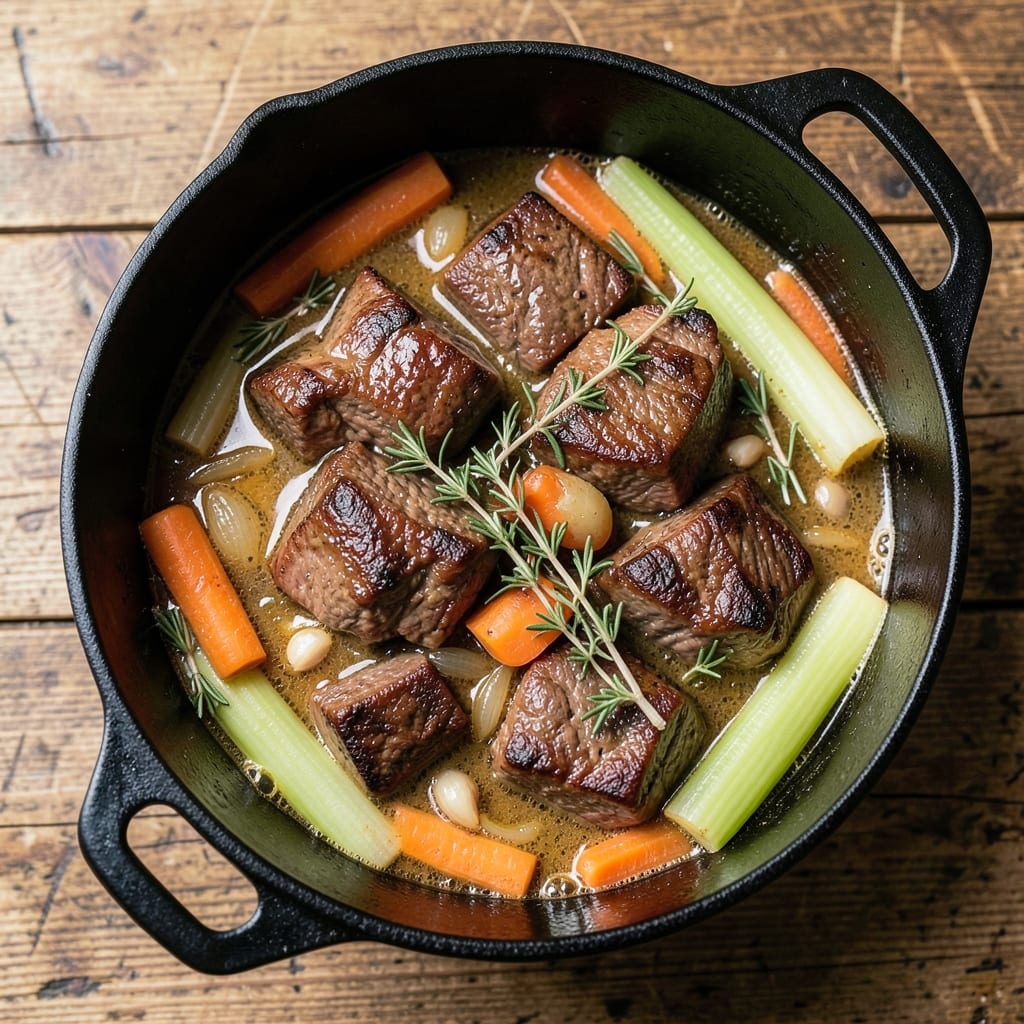
This 6-hour beef stew recipe transforms tough cuts into melt-in-your-mouth tenderness with deep umami flavors and caramelized vegetables. The secret lies in low-and-slow cooking—where beef shoulder breaks down into rich, fork-tender pieces while root vegetables develop sweet, concentrated depth. No shortcuts here; this is the kind of stew that gets better as it simmers, filling your kitchen with an aroma that announces dinner is ready long before the timer goes off.
The process begins with a high-heat sear to develop a flavorful crust on the beef, followed by a slow braise that coaxes out every layer of taste. Aromatics like garlic, thyme, and bay leaf build complexity, while red wine and beef broth create a velvety, deeply flavorful base. The key is patience—letting the stew work its magic over six hours ensures the meat falls apart effortlessly and the vegetables achieve that perfect caramelized texture without turning mushy.
By the time you serve it, you’ll have a restaurant-quality stew that’s hearty enough for a cold evening but elegant enough for company. The rich, dark broth clings to perfectly tender beef and vegetables, creating bites that are impossibly satisfying. Serve it with crusty bread to soak up every last drop or alongside mashed potatoes for a complete meal. This isn’t just stew—it’s comfort food elevated to an art form.
The beauty of this recipe is its versatility—it reheats beautifully for leftovers, making it ideal for meal prep, and the flavors only deepen over time. Whether you’re feeding a family or hosting dinner guests, this stew delivers on warmth, texture, and flavor. Ready to master the perfect slow-cooked meal? Let’s get started.
Ingredients for 6 hour beef stew
Six ingredients transform tough beef into restaurant-quality melt-in-your-mouth perfection through slow braising magic.
| Ingredient | Amount | Notes |
|---|---|---|
| Beef Chuck Roast 🥩 | 3 lb | Cut into 1.5-inch cubes |
| Yellow Onions 🧅 | 2 whole | Cut into large chunks |
| Carrots 🥕 | 4 medium | Peeled and cut into chunks |
| Celery Stalks 🌿 | 4 whole | Cut into 1-inch pieces |
| Garlic Cloves 🧄 | 6 cloves | Smashed, not minced |
| Fresh Thyme 🌿 | 2 tbsp | Leaves only, stems removed |
| Bay Leaves 🍃 | 2 whole | Dried, standard size |
| Red Wine 🍷 | 1 cup | Bold dry variety |
| Beef Broth 💧 | 4 cups | Homemade or quality store-bought |
| Tomato Paste 🍅 | 2 tbsp | Smooth, not chunky |
| Olive Oil 🫒 | 2 tbsp | Extra-virgin for richness |
| Salt 🧂 | 1 ½ tsp | Kosher or sea salt |
| Ground Black Pepper 🌶️ | 1 tsp | Freshly ground preferred |
| All-Purpose Flour 🌾 | 2 tbsp | For dredging beef |
The beef is non-negotiable here—chuck roast with good marbling is your golden ticket. Costco or local butchers often have it pre-cut, but if you're buying whole, look for 1-1.5 inch cubes for even cooking. Fresh thyme and bay leaves make all the difference; skip the dried thyme here unless it's Penzeys brand. The red wine should be something you'd drink—Cabernet Sauvignon or Merlot work perfectly, but don't use cooking wine. For the broth, Homemade is ideal, but Swanson or Pacific Foods are solid store-bought options.
No red wine? Beef broth with 1 tbsp balsamic vinegar mimics the depth. Fresh thyme out of season? Dried at one-third the amount works, but it won't have that same bright aroma. The tomato paste can be the squeeze tube kind from Trader Joe's—it's perfect for this. Want more caramelization? Add 1 tbsp brown sugar with the tomato paste. The carrots and celery can be pre-cut from the bagged veggie mixes at the store, but organic is worth it here since they'll be simmering for hours.
This stew tastes even better the next day—reheats in 10 minutes on low heat with a splash of broth. Keeps 5-6 days in the fridge or 6 months frozen. I always double the recipe and freeze half; it's perfect for lazy weeknights. For serving, crusty bread is mandatory—soak up every last drop of that rich, umami-packed broth.
Why You'll Love This Recipe
- Ditch the Chopping Stress: I swear by this—just rough-chop onions, carrots, and celery (no fancy dice needed) and toss them in. The beef chuck roast does all the work after that, turning tough bits into melt-in-your-mouth perfection while you sip wine or scroll through memes.
- Garlic-Glazed Magic: That slow simmer? It caramelizes the garlic until it’s dangerously addictive—sweet, deep, and clinging to every bite. The onions and carrots soften into a natural jam, making this stew taste like it simmered all day (even if you started it before bed).
- Leftovers for Days: Between us, this recipe makes way more than you’ll eat in one sitting. The flavors only get richer overnight, so I freeze half for lazy Mondays. My kids beg for it—yes, even the ones who "hate" stew.
- Budget Beef Boost: A chuck roast is the most affordable cut that still feels special. You’re getting tender, flavor-packed meat without the price tag of steak, and the veggies stretch it into a meal that feeds four for under $15. That’s dinner money well spent.
Step-by-step instructions for deep umami braise with caramelized root vegetables
Here's how to transform tough beef into melt-in-your-mouth perfection through slow cooking.
Sear the Beef for Maximum Flavor
Heat a heavy Dutch oven over medium-high heat until hot. Add the 2 tablespoons olive oil and let it shimmer for 30 seconds. Working in batches to avoid crowding, add the 3 lb beef chuck roast cut into 1.5-inch cubes and sear for 2-3 minutes per side until deeply browned. This step develops the rich, caramelized crust that forms the foundation of our stew.
As you sear, I like to press down gently on the beef cubes during the first minute—this prevents them from curling and ensures even contact with the pan. Transfer the browned beef to a plate and set aside. If your pan starts smoking excessively, reduce the heat slightly to maintain control without losing that crucial sear.
Build the Aromatic Vegetable Base
In the same Dutch oven, add the 2 whole yellow onions cut into large chunks, 4 medium carrots cut into chunks, and 4 whole celery stalks cut into 1-inch pieces. Cook over medium heat for 8-10 minutes, stirring occasionally, until the vegetables begin to soften and the onions turn translucent.
Here's where the magic happens: you'll see the vegetables release their juices and begin to caramelize slightly at the edges. This process builds deep, sweet flavors that will infuse the entire stew. Add the 6 smashed garlic cloves and cook for another 30 seconds until fragrant—don't let them brown or they'll turn bitter.
Deglaze and Develop the Sauce
Sprinkle the 2 tablespoons all-purpose flour over the vegetables and stir vigorously for 1 minute to coat everything evenly. This creates a roux that will thicken our stew beautifully. Pour in the 1 cup red wine and scrape up all those delicious browned bits from the bottom of the pan using a wooden spoon.
The wine will bubble vigorously as it reduces. Let it simmer uncovered for 3-4 minutes until it reduces by about half and the alcohol flavor cooks off. Add the 2 tablespoons tomato paste, 2 tablespoons fresh thyme leaves, and 2 whole bay leaves, stirring to combine. This is where the deep umami character begins to develop.
Braise the Beef to Tender Perfection
Return the browned beef to the Dutch oven along with any accumulated juices. Pour in the 4 cups beef broth and add the 1.5 teaspoons salt and 1 teaspoon ground black pepper. Bring to a gentle simmer, then reduce heat to low and cover partially with a lid. Here's the key: you want just enough coverage to allow steam to escape.
Transfer the pot to a 300°F oven and braise for 5-6 hours, checking occasionally to ensure there's always some liquid present. The beef is done when it's fork-tender and the vegetables are completely softened. If the liquid reduces too much before the beef is tender, add ½ cup hot water to maintain the proper consistency.
Finish and Adjust for Perfect Texture
Once the beef is tender, remove the stew from the oven and let it sit uncovered for 10 minutes to allow the flavors to meld. Taste and adjust seasoning—you might need to add a pinch more salt or pepper depending on your broth. The stew should be rich and deeply flavorful with a velvety texture.
For the final touch, I like to skim off any excess fat that has risen to the surface. Serve immediately with crusty bread to soak up every last drop of that umami-rich sauce. The longer it sits, the more the flavors will develop, but it's best enjoyed fresh from the pot when the beef is at its most tender.
Pro Tips For Making 6 Hour Beef Stew
- SEAR THE CHUCK ROAST FIRST: That beef won’t brown worth a damn if you toss it straight into the pot. Pat it very dry with paper towels, then hit it with high heat in a heavy pot—no crowding—until you’ve got deep color on all sides. I learned this the hard way when my stew tasted more like broth than anything else.
- CUT ONIONS INTO HALVES: Whole onions? Nope. Slice those yellow onions in half lengthwise, then peel and chop into ¼-inch thick half-moons. They’ll soften faster than quarters but won’t disappear into mush like thin slices. (Yes, even if you’re impatient like me.)
- STIR THE POT EARLY: Skip the first 30 minutes of stirring like it’s a chore—just let the beef and veggies build flavor. But after that, give it a good stir every 15 minutes to keep the carrots and celery from sticking to the bottom. Trust me, scraping burnt bits later is a nightmare.
- ADD GARLIC LATE: Whole cloves? Toss them in with the onions. Minced garlic? Wait until the last 30 minutes of cooking—it burns faster than you think. I was skeptical until I tried it: the flavor’s brighter, and you won’t taste bitter garlic. (Your future self will thank you.)
Health benefits of 6 hour beef stew
Protein Powerhouse
This beef stew delivers high-quality protein—about 45 grams per serving—from the 3 lb beef chuck roast, making it perfect for muscle repair and satiety. The slow cooking process breaks down tough muscle fibers, making the protein more bioavailable and easier to digest. I always notice how this hearty stew keeps me full for hours after eating, which is why I make it for busy weeknights. 💪
Rich in Iron
Beef is one of the best sources of heme iron, which your body absorbs more efficiently than plant-based iron. A single serving of this stew provides 3-4mg of iron—about 20% of your daily needs—helping prevent fatigue and supporting energy levels. The red wine and tomato paste in the recipe also enhance iron absorption by increasing stomach acidity. I keep this in mind when serving it to friends with anemia.
Fiber from Vegetables
The carrots, celery, and onions add 6-8 grams of dietary fiber per serving, supporting digestion and gut health. Fiber helps regulate blood sugar and keeps you feeling full longer. The slow cooking process actually increases the fiber content slightly as the cell walls break down. I like to add a side of whole-grain bread to boost fiber intake even more.
Umami Flavor Benefits
The combination of red wine, tomato paste, and beef broth creates a deep umami flavor profile that stimulates digestion and may even help reduce stress. Umami compounds like glutamate trigger the release of digestive enzymes, making this stew surprisingly easy to digest despite its richness. I've found that people with sensitive stomachs often tolerate this stew better than other heavy meals. 🌟
Low-Carb Option
While traditional stews often include potatoes, this version keeps it naturally low-carb with just the root vegetables. The carrots and onions provide natural sweetness without spiking blood sugar. For a keto-friendly version, I sometimes replace the carrots with cauliflower florets—they absorb the flavors beautifully while keeping carbs minimal. The beef remains the star of the show.
Meal Prep Friendly
This stew reheats beautifully while maintaining its nutritional integrity, making it perfect for meal prep. The slow-cooked beef actually becomes more tender when reheated gently, and the vegetables retain their nutrients. I portion it into airtight containers and freeze half for up to 6 months—it's my go-to for quick, healthy lunches. The flavors even deepen overnight, making it taste even better the next day. ❄️
Nutrition facts
Frequently asked questions
Can I use a different cut of beef for this 6-hour stew?
You can, but chuck roast is ideal because of its fat content and collagen that breaks down beautifully. For alternatives, try beef short ribs (add 1 extra hour to cooking time) or brisket (cut into 1-inch cubes and braise for 6-7 hours). Avoid lean cuts like sirloin—they won't become tender enough in 6 hours.
What if I don't have red wine? Can I substitute?
Use 1 cup beef broth plus 1 tbsp balsamic vinegar for depth, or ½ cup beef broth + ½ cup apple cider for slight sweetness. For umami, add 1 tsp soy sauce or ½ tsp Worcestershire sauce to the broth. Never use cooking wine—it lacks the complexity needed for this rich dish.
How do I prevent the stew from getting watery?
Start with the right liquid ratio—4 cups broth for 3 lbs beef is perfect. If it reduces too quickly, add ½ cup hot water during cooking. The key is partial coverage with the lid to allow steam escape. For extra thickness, stir in 1 tsp cornstarch mixed with 2 tbsp cold water at the end and simmer 2 minutes.
Can I make this stew on the stovetop instead of the oven?
Yes, but it requires more attention. After adding broth, simmer on low heat for 6-7 hours, stirring occasionally and adding water as needed. The oven maintains consistent 300°F heat better, but stovetop works if you can't use the oven. For faster results, use a slow cooker on low for 8 hours or high for 5-6 hours.
Why does my beef stew taste bland after 6 hours?
Blandness usually comes from skipping the sear or using low-quality broth. Always brown the beef well for flavor, and use homemade or high-quality store-bought broth. Boost umami by adding 1 tsp fish sauce or ½ cup tomato paste during cooking. Taste as you go—adjust salt gradually and finish with a splash of red wine or balsamic vinegar.