
Soups & Stews
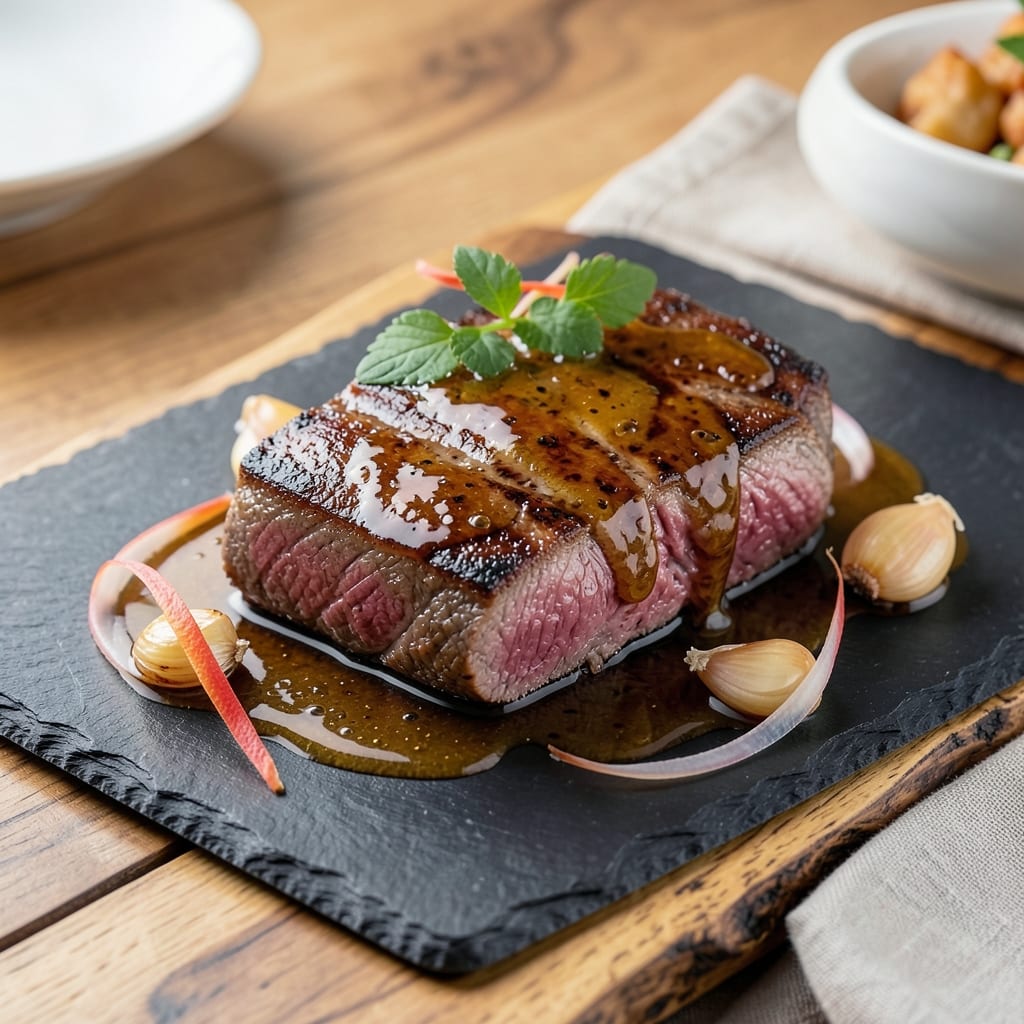
A5 Wagyu beef isn't just meat—it's a luxury experience that transforms any meal into a culinary event. 💛 The secret lies in its unmatched marbling, where every bite delivers a perfect balance of buttery richness and umami depth. This recipe focuses on preserving that delicate texture through precise cooking techniques that highlight the beef's natural qualities.
What sets this apart is the umami-infused butter baste, which enhances the beef's natural flavors without overpowering them. The process begins with a gentle sear to lock in juices, followed by a low-and-slow finish that ensures tender, melt-in-your-mouth perfection. Each step is designed to honor the beef's rarity and maximize its luxurious qualities.
The result is a dish that's as visually stunning as it is delicious—golden, glistening slices with layers of flavor that linger long after the last bite. Pair it with Japanese short-grain rice, a drizzle of miso glaze, or roasted seasonal vegetables to create a meal worthy of a Michelin-starred restaurant.
This isn't just a recipe; it's an invitation to elevate your cooking to new heights. The techniques here ensure you get the most from this premium cut, making every moment with A5 Wagyu unforgettable. Let's get started on creating something truly extraordinary.
Ingredients for a5 wagyu beef
Four ingredients make this luxurious—marbled beef, umami butter, and Japanese flavors that elevate everything.
| Ingredient | Amount | Notes |
|---|---|---|
| A5 Wagyu Beef Ribeye 🥩 | 1 ½ lb | Center-cut, 1.5-inch thick |
| Unsalted Butter 🧈 | ½ cup | Cold, cut into cubes |
| Soy Sauce 🍶 | 2 tbsp | Japanese-style, reduced |
| Mirin 🍶 | 1 tbsp | Sweet rice wine |
| Garlic Cloves 🧄 | 6 cloves | Minced, fresh preferred |
| Fresh Ginger 🌿 | 1 tbsp | Finely grated, peeled |
| Japanese Short-Grain Rice 🍚 | 1 ½ cups | Uncooked, sushi-grade |
| White Wine 🍷 | ½ cup | Dry, chilled |
| Miso Paste 🍶 | 1 tbsp | Red miso preferred |
| Sesame Oil 🫒 | 1 tsp | Toasted, for finishing |
| Kosher Salt 🧂 | 1 tsp | Fine grain, Diamond Crystal |
| Black Peppercorns 🌶️ | ½ tsp | Freshly cracked |
| Japanese Yuzu Kosho 🍋 | 1 tsp | For finishing, optional |
The beef is everything here. A5 Wagyu ribeye with that signature marbling is non-negotiable—look for center-cut, 1.5-inch thick slices at specialty butchers like Matsuya or Kamehameha. If you're buying online, Snake River Farms ships vacuum-sealed cuts that stay perfect. The marbling should be thick, almost like fat veins running through the meat. Freshness matters too—aim for beef that's been aged 21-28 days for maximum tenderness. For the butter, grab Plugrá or European-style from the gourmet section—it melts beautifully and adds that rich, creamy texture we're chasing.
No mirin? Substitute with 1 tbsp honey plus 1 tbsp rice vinegar—it won't be identical, but it'll work in a pinch. The miso paste can be swapped for white miso if you prefer a milder flavor, but red gives that deeper umami punch. For the garlic, roasted garlic adds sweetness if you're feeling fancy. The wine? Any dry white—Sauvignon Blanc or Pinot Grigio are classic choices. If you're avoiding alcohol, use extra vegetable broth instead. And for the sesame oil, toasted version is key—it's what gives that nutty aroma. Skip the regular stuff unless you're okay with a more neutral flavor.
This beef is best enjoyed fresh, but if you're prepping ahead, sear it first and store it uncovered in the fridge for up to 2 days before finishing. The butter baste can be made a day ahead—just reheat gently before basting. For the rice, cook it just until tender (about 15 minutes), then let it steam for another 10 minutes covered. It reheats beautifully, so portion it into containers for quick meals. The leftovers? Freeze the beef slices for up to 3 months—they thaw perfectly and still taste incredible when reheated gently in a skillet.
Why You'll Love This Recipe
- Foolproof Sear: The ribeye’s fat cap renders so beautifully with just a hot pan—no fancy techniques needed. I swear, even my husband (who burns toast) can nail this part.
- Umami Bomb: That soy-mirin glaze? It’s the secret weapon. The butter melts into the beef while the garlic and mirin caramelize into a glossy, savory-sweet sauce you’ll want to spoon.
- Date Night Ready: No stressing over sides—this steak shines alone, but pair it with steamed greens or rice for a full spread. Honestly, it’s my go-to for when I want to impress without slaving away.
- Leftover Luxury: The beef stays tender for days, so I often make extra. Slice it for next-day sandwiches or toss cold strips into ramen—still rich, still decadent, zero waste.
Step-by-step instructions for A5 wagyu beef with umami butter baste
Here's how to transform that precious A5 Wagyu into melt-in-your-mouth perfection.
🔥 Step 1: Prepare the Umami Butter Baste
In a small saucepan, melt the 0.5 cup unsalted butter over low heat until fully liquid but not browned. Remove from heat and stir in the 2 tbsp soy sauce, 1 tbsp mirin, 1 tbsp miso paste, 6 cloves minced garlic, and 1 tbsp finely grated fresh ginger. Let the mixture cool slightly while you prep the steak.
This umami-packed butter is where all the magic happens. The soy sauce and mirin create a glossy glaze, while the miso adds deep fermented richness. The garlic and ginger infuse the butter with aromatic depth that'll complement the wagyu's natural marbling beautifully. Keep this mixture warm but not hot—you want it to baste the steak without cooking off the delicate flavors.
👨🍳 Step 2: Season and Sear the Wagyu Ribeye
Pat the 1.5 lb A5 Wagyu beef ribeye completely dry with paper towels—this is critical for achieving that perfect crust. Season both sides generously with 1 tsp kosher salt and 0.5 tsp freshly cracked black peppercorns. Let it sit at room temperature for 15-20 minutes while your pan heats.
Heat a cast-iron skillet over high heat until it's screaming hot. Add the steak and sear for 3-4 minutes per side until you get deep brown crusting on both sides. The high heat is essential here—it creates that coveted caramelized crust while keeping the interior tender. For extra insurance, sear the edges for 30 seconds each to prevent curling.
🥘 Step 3: Baste with Umami Butter and Wine Reduction
Remove the steak from the pan and set it aside on a warm plate. Immediately reduce the heat to medium-low and add the 0.5 cup chilled white wine, scraping up all those delicious browned bits from the bottom of the pan. Let it reduce by half—this should take about 2-3 minutes—until you have a glossy, wine-infused reduction.
Now return the steak to the pan and spoon the warm umami butter mixture over it, letting it baste for 1-2 minutes on each side. The butter should melt and create a luxurious coating. For the final touch, drizzle the wine reduction over the steak and let it sit for 1 minute to absorb those beautiful flavors.
⏰ Step 4: Rest and Serve with Japanese Short-Grain Rice
Transfer the steak to a cutting board and let it rest for 10-15 minutes before slicing. This resting period is non-negotiable—it allows the juices to redistribute throughout the meat, ensuring each bite is as tender as the first. While it rests, prepare the 1.5 cups Japanese short-grain rice according to package instructions for perfectly fluffy grains.
Slice the steak against the grain into ½-inch thick pieces and serve immediately over the rice. For that final flourish, drizzle with 1 tsp sesame oil and sprinkle with 1 tsp Japanese yuzu kosho. The citrusy, spicy kick of the yuzu kosho cuts through the richness of the wagyu, creating a perfect balance of flavors in every bite.
Pro Tips For Making A5 Wagyu Beef
- SEAR HARD FIRST: Get that pan screaming hot—think 450°F—before laying down the wagyu. I used to baby it with medium heat, and the crust turned out soft instead of that deep, caramelized bite you’re paying for. A quick 2-minute sear on each side locks in those marbled fats while building flavor. ---
- SALT THE BUTTER: Toss your unsalted butter with a pinch of flaky salt (about ¼ tsp per 2 tbsp) before melting it with the garlic. Wagyu’s richness needs contrast, and skipping this step means your sauce will taste underseasoned. Trust me, your taste buds will notice. ---
- MIRIN LAST MINUTE: Add the mirin only in the final 30 seconds of cooking—no earlier. I learned this after a batch turned cloyingly sweet because I dumped it in too soon. The alcohol needs to burn off just enough to balance the soy, leaving that bright, umami kick without overpowering. ---
- DON’T OVERCROWD THE PAN: Sear the ribeye in batches, even if it means one extra pan. I tried cooking two thick cuts at once, and they steamed instead of searing. Wagyu’s fat renders fast—give it space to crisp, or you’ll end up with a sad, greasy mess instead of that golden crust.
Serving suggestions for this dish
Japanese Rice Pairing
Japanese short-grain rice is the ultimate companion for A5 Wagyu—its sticky, buttery texture contrasts beautifully with the beef's melt-in-your-mouth richness. Cook 1.5 cups uncooked rice with 1.75 cups water and a pinch of salt for perfectly fluffy grains. For extra luxury, use a rice cooker like the Zojirushi NS-LAC10—it delivers consistently perfect results every time. 🍚
Serve the beef directly over the rice for a restaurant-quality presentation. The rice soaks up any juices from the steak, creating a harmonious first bite. For a modern twist, try black sesame rice—the nutty flavor adds depth without overpowering the wagyu's natural sweetness.
Miso Glaze Drizzle
Elevate your plate with a homemade miso glaze made from 1 tbsp red miso paste, 1 tbsp mirin, and 1 tsp honey. Simmer for 2 minutes until smooth, then drizzle generously over the sliced beef. The umami depth complements the wagyu's natural flavors while adding a glossy finish that makes your dish look as incredible as it tastes.
For an extra touch, sprinkle with toasted sesame seeds right before serving. The nutty crunch provides texture contrast, balancing the beef's luxurious creaminess. I like to add a few thin shavings of daikon radish for freshness and color—it's a simple garnish that makes the plate pop.
Roasted Seasonal Vegetables
Roasted vegetables add vibrant color and freshness to your wagyu feast. Try shishito peppers, baby carrots, and shitake mushrooms tossed in 1 tbsp olive oil, ½ tsp salt, and ¼ tsp black pepper. Roast at 400°F for 15-20 minutes until tender and caramelized. The natural sweetness of the vegetables pairs perfectly with the beef's umami richness.
For a Japanese-inspired twist, add 1 tsp grated ginger and 1 tsp soy sauce to the vegetables before roasting. The aromatic flavors enhance the overall dish while keeping it light. Serve these alongside the beef for a balanced, nutritious plate that still feels indulgent.
Wine and Beverage Pairings
A crisp Sauvignon Blanc from New Zealand or a Pinot Noir from Oregon cuts through the beef's richness beautifully. The acidity in these wines cleanses your palate between bites, allowing you to fully appreciate the wagyu's depth. For a non-alcoholic option, try sparkling yuzu soda—the citrusy effervescence complements the dish's umami flavors perfectly.
If you prefer beer, a Japanese lager like Asahi Super Dry provides a clean, crisp contrast. The subtle maltiness enhances the beef's natural sweetness without overpowering it. For a more adventurous pairing, try a sake cocktail—mix 2 oz chilled sake with 1 oz yuzu juice and a splash of soda water for a refreshing accompaniment.
Presentation Tips
Presentation matters when serving A5 Wagyu—it's a dish meant to be admired before it's eaten. Slice the beef against the grain into ½-inch thick pieces and arrange them in a circular pattern on a warm plate. Use a black ceramic plate to make the beef's golden color stand out dramatically.
For garnish, add a few edible flowers like cherry blossoms or nasturtiums for a touch of elegance. A drizzle of truffle oil or the miso glaze adds a luxurious finish. I like to serve with small bowls of pickled ginger and soy sauce on the side—it lets guests customize their experience while keeping everything cohesive.
Nutrition facts
Frequently asked questions
What's the best way to store A5 Wagyu before cooking?
Keep your A5 Wagyu in its original vacuum-sealed packaging if possible. Store it in the coldest part of your fridge (around 34-36°F) for up to 7 days. For longer storage, freeze it immediately after purchase—it stays perfect for 6-12 months when wrapped tightly in butcher paper and plastic. Never refreeze thawed wagyu, as it compromises texture and flavor.
Can I substitute regular butter for the umami butter in this recipe?
While you can use regular butter, the flavor profile won't be as rich. The umami butter's combination of soy sauce, mirin, and miso creates depth that complements the wagyu's natural sweetness. For a quick substitute, mix 0.5 cup butter with 1 tbsp soy sauce and 1 tsp miso paste—it won't be identical, but it'll still add umami complexity.
How do I know when A5 Wagyu is perfectly cooked?
For medium-rare (the ideal doneness for wagyu), use a meat thermometer to check the internal temperature at 125-130°F. The exterior should have a deep brown crust, but the center should remain warm and slightly pink. For extra precision, insert the thermometer horizontally into the thickest part of the steak—avoid touching bone or fat, which can give false readings.
What's the difference between A5 and A4 Wagyu?
A5 Wagyu is the highest grade, with 25+ marbling score and 6+ beef fatness score, while A4 has slightly less marbling (18-24 score). The difference? A5 has more intense flavor, tenderness, and that signature melt-in-mouth texture. It's worth the splurge—think of it as the difference between a Merlot and a Cabernet Sauvignon in wine.