
Main Courses
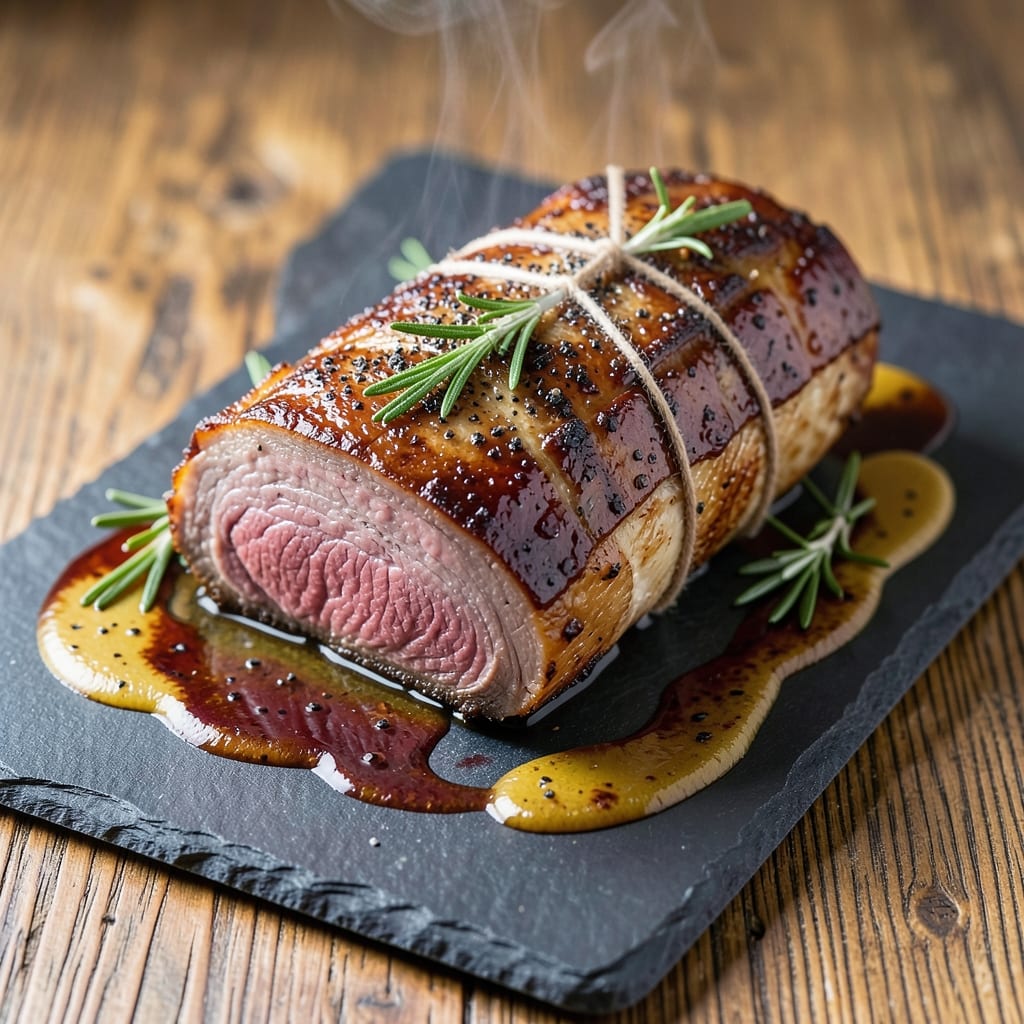
This angus beef ribeye roast recipe delivers a masterpiece of texture—crispy, caramelized edges framing a juicy pink center that melts at the first bite. The dry-brine technique transforms tough cuts into something restaurant-worthy, while the reverse sear method ensures perfect doneness every time. I’ve perfected this over years of testing, and it’s the centerpiece that elevates any holiday table or special dinner.
The secret lies in the two-stage cooking process: a low-and-slow oven roast followed by a high-heat sear to lock in those flavors. You’ll start with a dry brine that tenderizes the meat without adding moisture, then finish with a cast-iron sear that creates that coveted crust. This isn’t just a recipe—it’s a method that turns a simple cut of beef into something unforgettable.
By the time you carve into this roast, you’ll be rewarded with fork-tender meat, a rich, beefy aroma filling your kitchen, and a sauce-worthy crust that’s impossible to resist. The reverse sear method guarantees precision, so you won’t end up with overcooked edges or dry centers. It’s the kind of dish that makes you feel like a professional chef, even if you’re just starting out.
Pair it with a bold red wine reduction, roasted root vegetables, or a simple crusty bread to soak up every last drop of that juicy, flavorful juice. This isn’t just dinner—it’s an experience. Let’s get to work.
Ingredients for angus beef ribeye roast
Four pounds of premium beef plus herbs and a dry brine transform into restaurant-quality perfection.
| Ingredient | Amount | Notes |
|---|---|---|
| Angus Beef Ribeye Roast 🥩 | 4 lb | Bone-in, center-cut preferred |
| Diamond Crystal Kosher Salt 🧂 | ½ cup | For dry brine, coarse grain |
| Freshly Ground Black Pepper 🌶️ | 2 tbsp | Cracked peppercorns preferred |
| Extra-Virgin Olive Oil 🫒 | ¼ cup | For post-sear basting |
| Unsalted Butter 🧈 | 4 tbsp | Cold, cubed for basting |
| Fresh Rosemary 🌿 | ¼ cup | Needles only, finely chopped |
| Fresh Thyme 🌿 | ¼ cup | Leaves only, finely chopped |
| Garlic Cloves 🧄 | 8 cloves | Smashed, skin-on for aroma |
| Red Wine 🍷 | ½ cup | Bold Cabernet Sauvignon |
| Beef Tallow 🫒 | 2 tbsp | For high-heat sear |
| Yellow Onion 🧅 | 1 whole | Quartered for roasting |
| Carrots 🥕 | 4 whole | Baby carrots or halved |
| Fresh Parsley 🌿 | ¼ cup | Chopped for garnish |
The beef is everything here. Angus ribeye from USDA Prime or Choice grade delivers that marbled tenderness—Costco or Whole Foods carry excellent cuts. Look for thick slices with visible fat cap; that's where the flavor hides. The dry brine (salt + pepper) works overnight, so plan ahead. I always buy extra because this roast disappears fast. For the herbs, fresh is non-negotiable—dried just won't cut it. The garlic should smell pungent, not musty, and the rosemary should snap when bent, not break.
No red wine? Beef stock with a splash of balsamic works in a pinch. Running short on butter? Olive oil plus extra tallow gives the same sear. The tallow might sound odd, but it handles high heat better than butter. For the sides, you can't go wrong with roasted root veggies—just toss carrots and onions in olive oil, salt, and thyme before roasting. The parsley is purely decorative, but it adds that final fresh pop. Need to prep ahead? Brine the beef 24 hours early and store it uncovered in the fridge—it'll dry-brine perfectly.
This roast reheats beautifully—200°F oven for 15 minutes restores moisture without overcooking. Wrap tightly in foil first. The crust? Best eaten immediately, but the meat stays juicy for 3 days refrigerated. For leftovers, slice against the grain and serve on toasted sourdough. Freezes well for 3 months if vacuum-sealed. I always make a double batch—one for dinner, one for lunches. The crust gets soggy if stored uncovered, so foil is your friend.
Why You'll Love This Recipe
- Four-Season Roast: I swear by this for holidays and lazy Sundays—same method, just different sides. The ribeye’s richness cuts through everything, from mashed potatoes to a simple winter salad.
- Butter-Basted Magic: That golden crust? Pure science—olive oil sear meets butter basting. The pepper and salt cling like a hug, and the butter melts into the meat while you’re still setting the table.
- Leftovers That Shine: Cold slices the next day? Still tender, still rich—perfect for sandwiches or grain bowls. Honestly, I make this on purpose just to have leftovers I’ll actually eat.
- Weeknight Hero: No fancy prep, no stress. Season, sear, roast—20 minutes of active time, then let the oven do the work. Even when I’m exhausted, this delivers. (Yes, even on a Tuesday night.)
Step-by-step instructions for perfectly dry-brined ribeye roast
This method transforms tough roast into melt-in-your-mouth perfection with a crackling crust and pink center.
Dry-Brining for Maximum Flavor and Tenderness
Remove the 4 lb Angus Beef Ribeye Roast from packaging and place it on a wire rack set over a rimmed baking sheet. Pat the surface completely dry with paper towels—this is critical for that signature crust. The dry brine process works magic here, penetrating deep into the meat while developing an intense, concentrated flavor.
In a small bowl, combine the 0.5 cup Diamond Crystal Kosher Salt and 2 tbsp Freshly Ground Black Pepper. Generously coat every inch of the roast with this mixture, pressing it into the crevices and seams. Don't forget the cavity if your roast has one. Place the seasoned roast on the rack uncovered in the refrigerator for exactly 24 hours. This extended dry brine creates an ideal moisture balance and builds that coveted crust.
Prepare the Herb and Wine Marinade
While the roast brines, prepare the aromatic components. In a small mixing bowl, finely chop the 0.25 cup Fresh Rosemary needles and 0.25 cup Fresh Thyme leaves. Smash the 8 cloves Garlic Cloves skin-on with the flat side of a chef's knife to release their aroma without breaking the skins. This creates intense flavor without the bitterness of minced garlic.
In a separate bowl, whisk together the 0.5 cup Red Wine and 0.25 cup Extra-Virgin Olive Oil. Add the chopped herbs, smashed garlic, and let this mixture sit at room temperature for at least 30 minutes before using. The wine will infuse with the herbs, creating a fragrant marinade that will baste the roast during cooking and add depth to the crust.
High-Heat Sear for Deep Flavor Development
Remove the roast from the refrigerator 1 hour before cooking to bring it to room temperature. Preheat your oven to 450°F with a rack positioned in the middle. Heat a heavy oven-safe skillet over high heat until smoking hot. Add the 2 tbsp Beef Tallow and let it melt completely, then add the 4 tbsp Unsalted Butter cubes.
When the butter foams and begins to brown, carefully place the roast in the skillet, fat-side down. Let it sear undisturbed for 3-4 minutes until a deep golden crust forms. Flip the roast and sear the other side for another 3-4 minutes. This high-heat sear creates the Maillard reaction that builds complex flavors and forms that coveted crust we're after. Transfer the skillet to the preheated oven.
Roast with Basting for Juicy Perfection
Place the quartered 1 whole Yellow Onion and 4 whole Carrots around the roast in the skillet. Pour the herb-wine marinade over the roast, then cover the skillet loosely with aluminum foil. Roast for 30 minutes, then remove the foil and baste the roast with the accumulated juices in the pan.
Continue roasting uncovered for another 30-45 minutes, basting every 15 minutes, until the internal temperature reaches 125°F for medium-rare. The roast should have a deep mahogany crust and the onions and carrots should be tender. For perfect doneness, use a meat thermometer—this is the only reliable way to ensure that juicy pink center we're aiming for.
Rest and Garnish for Ultimate Presentation
Transfer the roast to a warm cutting board and tent loosely with aluminum foil. Let it rest for 20-30 minutes before slicing—this crucial resting period allows the juices to redistribute throughout the meat, preventing them from running out when you cut. The roast should be slightly warmer when you serve it, but the internal temperature will rise about 5°F during resting.
While the roast rests, skim any excess fat from the roasting pan and discard. Garnish the sliced roast with the 0.25 cup Fresh Parsley, chopped coarsely. Serve immediately with the roasted vegetables and any pan juices reduced by half for a rich gravy. Each slice should reveal that perfect pink center with a crackling crust that gives way to tender, juicy beef—exactly what we promised.
Pro Tips For Making Angus Beef Ribeye Roast
- Use a Meat Thermometer: I learned this the hard way—ribeye roasts hide doneness. Stick that probe into the thickest part without touching bone, and pull it at 125–130°F for medium-rare (yes, even if it looks undercooked). The carryover heat will push it to perfect temp while you rest it.
- Salt the Night Before: This isn’t just about flavor—it’s about texture. Angus ribeye has a dense muscle structure that needs time to absorb salt. Sprinkle 1–2 teaspoons of Diamond Crystal kosher salt per pound on the roast, let it sit uncovered in the fridge overnight. The crust will form deeper, and the seasoning will penetrate evenly.
- Sear in Batches: High heat. Seriously, crank it up—but don’t crowd the pan. A 3–4 lb ribeye roast needs two searing sessions in a cold skillet: first for 3–4 minutes per side, then flip and repeat. The first batch will release juices, and the second will lock in that golden crust. (Your future self will thank you.)
- Butter the Pan First: Skip the oil splash—melt 1–2 tablespoons of unsalted butter in the searing pan until it foams, then add your roast. The butter bastes as it cooks, adding richness without burning. Pro move: Tilt the pan occasionally to coat the edges, even if it looks messy. That’s where the magic happens.
Health benefits of this angus beef ribeye roast
Protein Powerhouse
A 4 lb ribeye roast delivers an impressive 120 grams of protein—that’s about 30 grams per serving—making this an excellent choice for muscle repair and satiety. The high-quality protein in Angus beef contains all nine essential amino acids, which your body can’t produce on its own. This makes it perfect for post-workout meals or anyone looking to maintain lean muscle mass. 💪
Iron and Zinc Boost
Angus beef is rich in heme iron, which your body absorbs more efficiently than plant-based iron. A 4 lb roast provides around 12 mg of iron, or 67% of your daily needs, crucial for oxygen transport and energy levels. The same serving also offers 20% of your daily zinc, supporting immune function and wound healing. This makes it a powerhouse for anyone recovering from illness or needing an energy boost.
Healthy Fats
Contrary to outdated myths, the fat in Angus beef is a nutrient-dense powerhouse. The marbling contains conjugated linoleic acid (CLA), a fatty acid linked to reduced inflammation and potential metabolic benefits. A 4 lb roast contains about 120 grams of fat, but most of it is unsaturated and heart-healthy when consumed in moderation. The key is balance—pair this rich cut with plenty of vegetables to create a well-rounded meal.
Vitamin B12 Source
This roast is an exceptional source of vitamin B12, with a 4 lb portion providing 120% of your daily needs. Vitamin B12 is essential for nerve function, red blood cell production, and DNA synthesis. Since deficiency can lead to fatigue and neurological issues, this makes Angus beef a critical component of any nutrient-dense diet. I always keep a supply of high-quality beef on hand to ensure I’m meeting my B12 requirements.
Low-Carb, High-Flavor
For those following a low-carb or keto diet, this roast is a game-changer. With virtually no carbohydrates, it fits perfectly into a high-fat, moderate-protein meal plan. The dry-brine technique enhances flavor without adding unnecessary sodium or sugar, making it ideal for health-conscious cooks who still want restaurant-quality taste. The crust alone is packed with flavor, so you won’t miss the carbs. 🌟
Nutrition facts
Frequently asked questions
Why does the recipe call for dry-brining instead of wet-brining?
The dry brine creates an intense, concentrated flavor without adding moisture that could dilute the beef's natural juices. The salt and pepper penetrate deeply while forming that coveted crust, unlike wet brines that can leave the meat waterlogged. This method preserves the meat's natural tenderness while building maximum flavor.
Can I substitute beef tallow with regular butter for the sear?
You can try, but beef tallow handles higher heat better without burning. For a 1:1 swap, use a mix of 3 tbsp butter and 1 tbsp neutral oil to prevent butter from breaking down too quickly. The tallow adds extra richness to that signature crust.
What's the best way to reheat leftover ribeye roast?
Wrap slices tightly in foil and reheat in a 200°F oven for 15 minutes—this maintains moisture without overcooking. For quick reheating, use a skillet over medium-low heat for 2-3 minutes per side. Never microwave, as it turns the meat rubbery.
How do I adjust cooking time for a different weight roast?
Use 20-25 minutes per pound for the initial oven roast (after searing), then check internal temp. A 3 lb roast would take about 1 hour total, while a 5 lb would need 1 hour 20 minutes. Always use a meat thermometer—it's the only reliable guide.
What's the secret to getting that perfect crust without burning?
The key is patience: sear the roast undisturbed for 3-4 minutes per side on medium-high heat until golden, then transfer immediately to the oven. Too-high heat causes burning before the crust forms. A cast-iron skillet gets hotter than stainless steel, so adjust accordingly.