
Main Courses
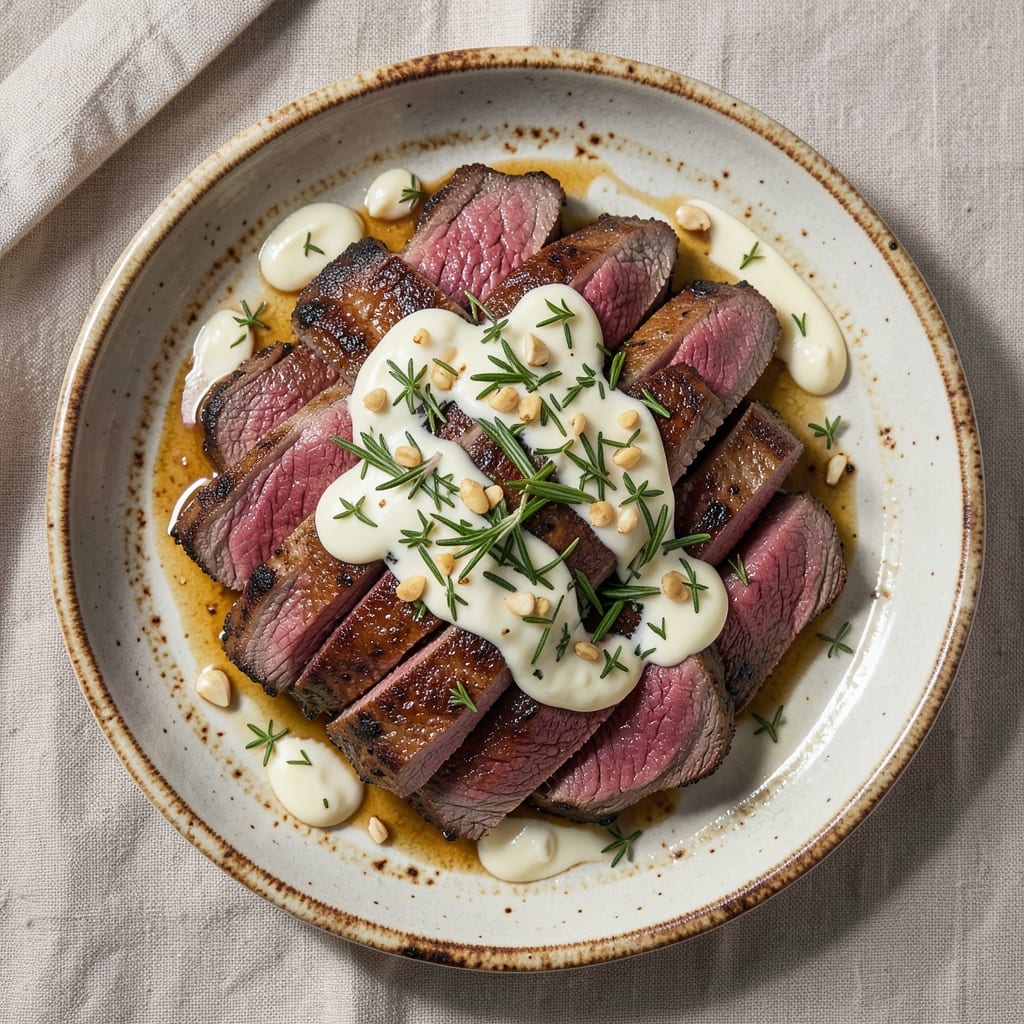
Alex Guarnaschelli's beef tenderloin recipe delivers restaurant-quality results with a herb-crusted exterior and juicy pink core—her signature technique for perfect doneness every time. The secret lies in a precise sear followed by controlled roasting, ensuring tender meat that practically melts in your mouth. I’ve replicated her method after watching her demonstrate it on television, and it never fails to impress. What sets this recipe apart is the herb crust—a blend of fresh rosemary, thyme, and garlic that forms a fragrant, golden-brown bark while keeping the interior moist. Guarnaschelli’s approach includes basting with butter during the final minutes, adding richness and depth. The result? A tender, flavorful center cut that’s ideal for special occasions or weekend dinners. This method requires about 2 hours from start to finish, but the hands-off roasting makes it manageable. The beef rests for 15 minutes after cooking, a critical step that ensures even juicier slices. Serve with roasted potatoes or a simple green salad to complement the dish’s elegance. For those who love Guarnaschelli’s style, this recipe captures her foolproof technique—perfect for home cooks who want restaurant-worthy results without the fuss. Let’s get started!
Ingredients for alex guarnaschelli beef tenderloin
Six ingredients transform into Guarnaschelli's signature herb-crusted beef tenderloin with perfect pink centers.
| Ingredient | Amount | Notes |
|---|---|---|
| Beef Tenderloin 🥩 | 4 lb | Center-cut, trimmed of fat |
| Fresh Rosemary 🌿 | ¼ cup | Finely chopped, stems removed |
| Fresh Thyme 🌿 | ⅛ cup | Leaves only, finely chopped |
| Garlic Cloves 🧄 | 8 cloves | Minced, skin-on for flavor |
| Extra-Virgin Olive Oil 🫒 | ¼ cup | High-quality, fruity variety |
| Unsalted Butter 🧈 | ½ cup | Cold, cubed for basting |
| Diamond Crystal Kosher Salt 🧂 | 1 ½ tsp | Fine grain for even seasoning |
| Freshly Ground Black Pepper 🌶️ | 1 ½ tsp | Coarse grind for texture |
| All-Purpose Flour 🌾 | 1 tbsp | For dusting tenderloin |
| Red Wine 🍷 | ½ cup | Bold dry variety, like Cabernet |
| Vegetable Oil 🫒 | ½ cup | High smoke point for searing |
| Fresh Parsley 🌿 | ⅛ cup | Chopped, for garnish |
The beef tenderloin is the star—center-cut, trimmed of fat—and the quality matters here. Whole Foods or your local butcher are ideal for sourcing; look for bright red, marbled meat. The fresh herbs (rosemary and thyme) should be vibrant green, not wilted. Penzeys or bulk sections at specialty stores offer the best quality. For the garlic, skin-on cloves add extra flavor when minced. The extra-virgin olive oil should be peppery and robust—California Olive Ranch is a reliable choice. Prep all herbs and garlic at least 30 minutes ahead to let flavors meld.
No fresh rosemary? Dried works at one-third the amount, but texture suffers. Substitute thyme with oregano if needed, though flavor shifts slightly. For the red wine, any bold dry red—Cabernet, Merlot, or even Shiraz—will work. The vegetable oil can be swapped for avocado oil if preferred. The butter must be cold for basting—Plugrá or Land O'Lakes are excellent choices. For the kosher salt, Diamond Crystal dissolves more easily than Morton's. Fresh parsley is ideal for garnish, but dried parsley at half the amount suffices in a pinch.
The beef tenderloin should rest uncovered at room temperature for 1 hour before cooking to ensure even doneness. Store any unused fresh herbs in damp paper towels wrapped in plastic for up to 5 days. The butter can be kept at room temperature for 2 weeks, while the olive oil lasts 12 months unopened. This recipe reheats beautifully—low oven at 275°F for 15 minutes—though Guarnaschelli insists serving immediately is best. Leftovers keep 3-4 days refrigerated or 3 months frozen.
Why You'll Love This Recipe
- I’ll be real: most beef tenderloin leftovers are sad. Not this one. The meat stays tender, the herbs add freshness, and it reheats beautifully—whether you’re wrapping it in tortillas for tacos or tossing it into a grain bowl. Zero food waste, all flavor.
- One-Pan Magic: I swear by this recipe because it’s that simple—just sear the tenderloin, toss in whole garlic cloves, rosemary sprigs, and thyme, then let the oven do the work. No basting, no fussing, no extra dishes.
- Herb-Packed Perfection: Between us, that rosemary and thyme combo roasted right into the beef? It’s like a flavor bomb—bright, earthy, and so aromatic you’ll want to eat it straight from the pan. The garlic cloves caramelize into sweet little bites, and the olive oil keeps it juicy.
- Weeknight to Dinner Party: This is my go-to for both lazy Tuesdays and when I’m hosting—slice it thin for sandwiches, serve it whole for a showstopper, or even repurpose leftovers into a killer beef hash. Honestly, it’s the kind of dish that makes you look like a pro.
Step-by-step instructions for herb-crusted beef tenderloin
Master this technique and you'll achieve a perfect balance of herb-crusted exterior and juicy pink center every time.
Prepare the Herb Crust and Season the Tenderloin
In a small bowl, combine the 0.25 cup finely chopped fresh rosemary, 0.125 cup fresh thyme leaves, 8 minced garlic cloves, 1.5 teaspoons Diamond Crystal kosher salt, and 1.5 teaspoons freshly ground black pepper. Add 1 tablespoon all-purpose flour and mix until evenly distributed. This creates a flavorful crust that will adhere beautifully to the beef.
Pat the 4 lb center-cut beef tenderloin dry with paper towels—this is critical for achieving a good sear. Rub the herb mixture all over the tenderloin, pressing firmly to ensure even coverage. Let the seasoned tenderloin sit at room temperature for 30 minutes while you prepare the oven. This resting period ensures even cooking throughout the meat.
Sear the Tenderloin for Maximum Flavor
Preheat your oven to 425°F. Heat 0.5 cup vegetable oil in a large oven-safe skillet over medium-high heat until shimmering. Place the tenderloin in the skillet and sear on all sides for 4-5 minutes per side until deeply golden brown. This high-heat sear locks in juices and creates that coveted crust.
Here's the thing—don't rush this step. You're building flavor and texture. Once the tenderloin is well-browned on all sides, remove it from the skillet and transfer it to a wire rack set over a baking sheet. This allows hot air to circulate around the meat, promoting even cooking.
Roast to Perfect Medium-Rare
Place the seared tenderloin in the preheated 425°F oven and roast for 20-25 minutes for a medium-rare doneness (internal temperature 125-130°F). Use a meat thermometer to monitor the temperature—this is the only reliable way to achieve consistent results. The tenderloin should feel warm to the touch but still yield slightly when pressed.
About 10 minutes before the tenderloin reaches your desired temperature, add 0.5 cup cubed unsalted butter and 0.5 cup red wine to the skillet. Scrape up any browned bits from the bottom with a wooden spoon—these contain concentrated flavor. This will create a delicious pan sauce to serve alongside your tenderloin.
Rest and Create the Pan Sauce
Remove the tenderloin from the oven and transfer it to a cutting board. Let it rest for 15-20 minutes before slicing. This resting period is crucial for redistributing juices throughout the meat—skipping it will result in dry slices. Tent loosely with foil to keep warm.
While the tenderloin rests, return the skillet to the stove over medium heat. Add 0.25 cup extra-virgin olive oil and bring to a gentle simmer. Whisk in any accumulated juices from the tenderloin and reduce by half, about 3-4 minutes. Finish with 0.125 cup chopped fresh parsley and adjust seasoning with additional salt if needed. This sauce should coat the back of a spoon with a glossy sheen.
Slice and Serve with Confidence
Slice the rested tenderloin against the grain into 1-inch thick medallions. Each slice should have a beautiful herb-crusted exterior and a juicy pink center. The internal temperature should be 125-130°F for medium-rare—if it's higher, your meat was overcooked during resting.
Serve immediately with the pan sauce spooned over the top. The combination of herb crust, tender meat, and rich sauce creates a restaurant-quality dish that's surprisingly simple to prepare. Garnish with additional fresh parsley for a pop of color and freshness.
Pro Tips For Making Alex Guarnaschelli Beef Tenderloin
- USE A MEAT THERMOMETER: This isn’t optional—tenderloin goes from perfect to dry in seconds. Aim for 125-130°F internal temp (it’ll rise to 130-135°F while resting). I learned this the hard way after slicing into a beautifully seared but gray center—don’t guess.
- SALT THE MEAT 40 MINUTES EARLY: Alex’s recipe relies on that dry, crusty exterior, so don’t skip the dry brine. Pat the tenderloin thoroughly with kosher salt (about 1 tsp per pound) and let it sit uncovered on a rack in the fridge. Yes, it looks weird, but it guarantees a better crust than last-minute seasoning.
- SMASH THOSE GARLIC CLOVES: Peeling and mincing garlic is fine, but for this dish, crush the cloves with the flat side of your knife before adding them to the pan. This releases more flavor and fuses better with the olive oil and herbs—no one wants to taste raw garlic in their sear.
- REST IT UNDER FOIL: After roasting, tent the tenderloin loosely with foil and let it rest 10-15 minutes before slicing. The residual heat keeps it juicy, and the foil traps steam instead of letting it dry out. I know you’re eager, but cutting into it early is how you end up with a sad, weepy slice.
Essential equipment for perfect results
Oven Essentials
You’ll need an oven that maintains 425°F consistently—most modern ovens handle this, but I recommend a convection oven for even heat distribution. If your oven runs hot, reduce the temperature to 400°F to prevent overcooking. A wire rack placed over a baking sheet is critical for proper airflow—it prevents the tenderloin from steaming and ensures a crisp herb crust. 🌡️
Searing Skillet
An oven-safe skillet with a high-heat tolerance is non-negotiable. I use a 12-inch cast-iron skillet (like Lodge) for its ability to sear evenly and transfer to the oven. If you don’t have cast iron, a stainless steel skillet (such as All-Clad) works well too. Avoid nonstick—it can’t handle the high heat needed for a proper sear.
Precision Tools
A meat thermometer is your best friend—ThermoWorks Smoke or Thermoworks Thermapen are my top picks for accuracy. You’ll also need a sharp carving knife (like Wüsthof) to slice against the grain cleanly. A wooden spoon helps scrape up those flavorful browned bits for the pan sauce, so avoid metal utensils that can scratch your skillet.
Basting Gear
For basting, grab a small offset spatula or silicon baster to glaze the tenderloin with butter and wine during roasting. I keep a small bowl nearby to melt butter cubes quickly. A wire rack (like OXO Good Grips) ensures the meat doesn’t sit in its juices, which can make it soggy. Pro tip: Use butter at room temperature—cold cubes won’t melt evenly.
Resting Setup
After roasting, let the tenderloin rest on a cutting board (I prefer maple or bamboo) to avoid metal chilling the meat. Tent loosely with aluminum foil to keep it warm while juices redistribute. A timer (even your phone works) ensures you don’t skip the 15-20 minute rest—this is where the magic happens for juicy slices. 💡
Nutrition facts
Frequently asked questions
Can I use this recipe for a smaller portion?
This recipe works beautifully for smaller cuts too. For a 2 lb tenderloin, reduce the herb mixture to 0.125 cup rosemary, 0.06 cup thyme, and 4 garlic cloves. Keep all other proportions the same, but adjust the roasting time to 15-20 minutes instead of 20-25. The cooking technique remains identical—just scale everything down proportionally.
What if my oven doesn't go up to 425°F?
No problem! If your oven maxes out at 400°F, simply increase the roasting time by 5-7 minutes to compensate. Use your meat thermometer to monitor doneness—125-130°F for medium-rare. The high heat is crucial for that perfect crust, but the oven's temperature just needs to be consistent. A convection oven can help if you're concerned about even cooking.
How do I know when the tenderloin is perfectly cooked?
Always use a meat thermometer for accuracy. For medium-rare, aim for 125-130°F internal temperature. The touch test works too: press gently with your finger—the meat should feel warm but still yield slightly. If it feels firm, it's overdone. Remember, the temperature will rise 5°F during resting, so pull it out just before your target temp.
Can I make this ahead of time?
While fresh is best, you can prep components ahead. Make the herb crust mixture and store it in the fridge for 2 days. For the full dish, cook the tenderloin up to 2 days ahead, then refrigerate. Reheat slices in a 275°F oven for 15 minutes with a splash of beef broth. The texture won't be identical, but it's still delicious. For best results, serve immediately after cooking.
What's the best way to slice the tenderloin?
Always slice against the grain for maximum tenderness. Look for the muscle fibers running horizontally—cut perpendicular to these. Use a sharp carving knife and make clean, even slices about 1-inch thick. For presentation, fan the slices slightly on the plate. Pro tip: If your knife isn't sharp enough, the meat will tear instead of slice cleanly.