
Main Courses
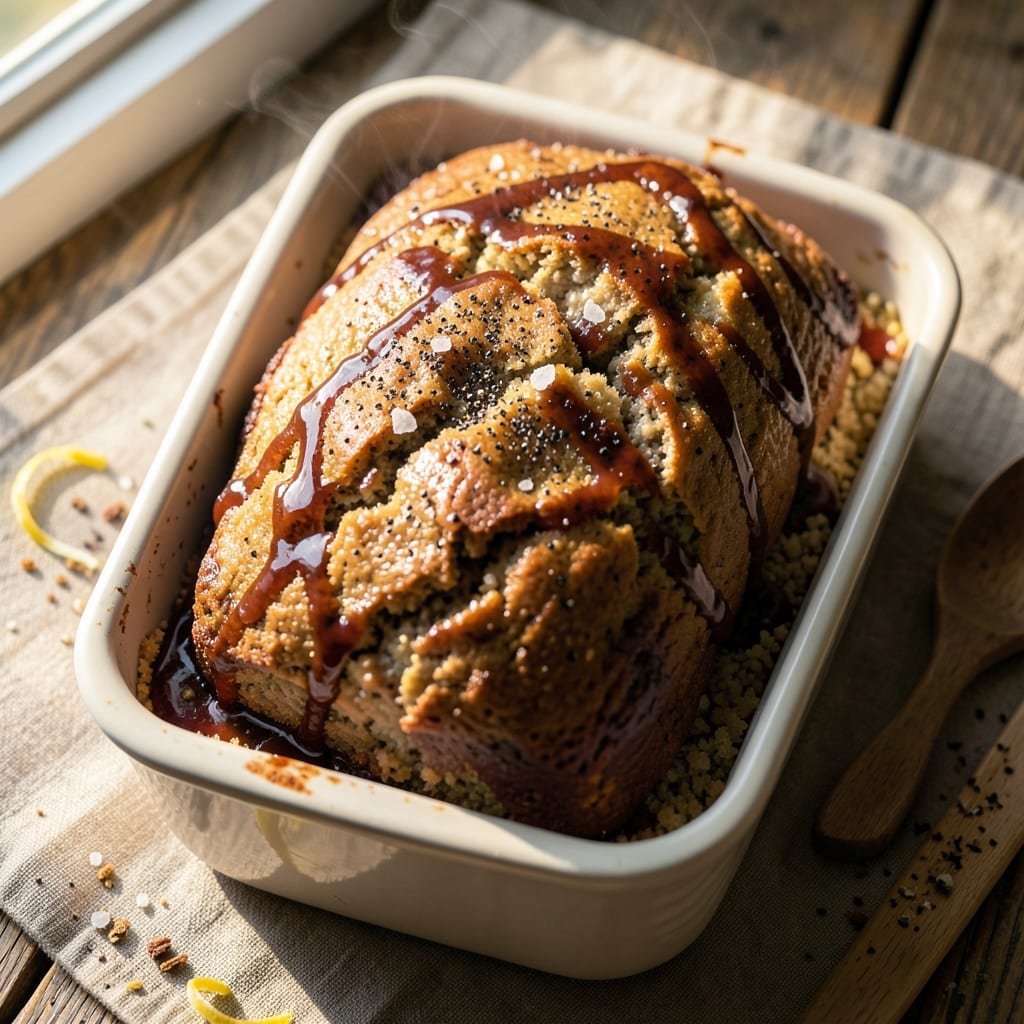
America’s Test Kitchen’s all-beef meatloaf delivers the perfect balance of a crispy, glaze-coated crust and a juicy, never-dry interior—something even the most skeptical meatloaf skeptics will love. This isn’t your grandmother’s dry loaf; it’s a restaurant-quality dish with a foolproof technique that ensures every bite is tender and flavorful. The secret lies in the precise mix of ground beef, breadcrumbs, and eggs, along with a glaze that caramelizes beautifully during baking.
What sets this recipe apart is its juicy center, achieved through careful seasoning and a strategic baking approach that prevents drying out. The glaze isn’t just for show—it adds a sweet-tangy contrast that enhances the savory beef, while the breadcrumbs bind everything together without making the loaf dense. Whether you’re feeding a family or hosting a dinner party, this meatloaf is the star of the meal.
Ready in about 1 hour, this recipe requires minimal effort but maximum reward. The glaze transforms a simple loaf into something visually stunning, with a cracked, golden top that signals perfect doneness. Pair it with classic sides like mashed potatoes or roasted vegetables, and you’ve got a complete, satisfying dinner that feels like a hug on a plate.
No more excuses for dry meatloaf—this method guarantees a moist, flavorful result every time. The key is patience and precision, but the payoff is worth it. Let’s get cooking!
Ingredients for america's test kitchen all beef meatloaf
Sixteen ingredients transform into a restaurant-quality meatloaf with a glaze-coated crust and juicy center.
| Ingredient | Amount | Notes |
|---|---|---|
| Ground Beef (80/20 fat ratio) 🥩 | 2 lb | Chilled, not pre-formed patties |
| Breadcrumbs (plain, fine) 🍞 | ¾ cup | Panko for extra crispiness |
| Large Eggs 🥚 | 2 whole | Room temperature for even mixing |
| Kosher Salt 🧂 | 1 ½ tsp | Diamond Crystal preferred |
| Ground Black Pepper 🌶️ | 1 tsp | Freshly cracked for intensity |
| Worcestershire Sauce 🍶 | 1 tbsp | High-quality, not reduced |
| Onion (yellow, medium) 🧅 | 1 whole | Finely diced, not minced |
| Garlic Cloves 🧄 | 3 cloves | Minced, not pressed |
| Milk 🥛 | ½ cup | Whole milk for richness |
| Ketchup 🍅 | ¼ cup | No-sugar-added preferred |
| Brown Sugar 🍯 | 2 tbsp | Light or dark variety |
| Mustard (Dijon) 🍯 | 1 tbsp | For glaze depth |
| Olive Oil 🫒 | 1 tbsp | For greasing loaf pan |
The 80/20 ground beef is non-negotiable—fat content keeps the meatloaf moist. Butcher shops often carry this specific ratio, while grocery stores may require you to ask for it by name. Avoid pre-formed patties; freshly ground beef yields the best texture. For the breadcrumbs, Panko creates a superior crust due to its airy structure, though regular fine breadcrumbs work in a pinch. The onion and garlic should be finely diced—think confetti-sized pieces—to distribute flavor evenly without altering the meatloaf's texture. Chill the beef and breadcrumbs mixture for 30 minutes before shaping, which helps prevent shrinkage during baking.
No Worcestershire sauce? Substitute with 1 tbsp soy sauce plus 1 tsp balsamic vinegar, though the umami depth won't be identical. For a sweeter glaze, increase the ketchup to 0.375 cup and reduce the brown sugar to 1.5 tbsp. The Dijon mustard adds complexity; if unavailable, yellow mustard at half the amount works, though the flavor profile shifts. Milk can be swapped for 0.5 cup unsweetened almond milk in a bind, though the texture may be slightly less tender. Prefer a sweeter glaze? Add 0.5 tsp vanilla extract to the ketchup mixture. The olive oil is solely for greasing—use avocado oil if you prefer a neutral flavor.
Shape the meatloaf in a 9x5-inch loaf pan for even baking. The glaze should be applied 20 minutes before the end of baking to achieve that signature cracked, caramelized crust. Leftovers keep for 4 days in the fridge, wrapped tightly in foil to preserve moisture. For longer storage, slice and freeze portions for up to 3 months. Reheat in a 350°F oven for 15-20 minutes or until warmed through—microwaving can dry out the texture. The glaze reheats beautifully, so don't skip this step. For a crispier crust, broil for 1-2 minutes at the end, but watch closely to avoid burning.
Why You'll Love This Recipe
- No-Fuss Assembly: I swear by this recipe because it’s the only meatloaf that doesn’t require me to overthink mixing or shaping—just hands-on, no stand mixer needed. The 80/20 ground beef stays tender, and the fine breadcrumbs (not those coarse ones) bind it just right without turning it dense.
- Crispy-Creamy Magic: That perfect crust with a juicy center? It’s all in the kosher salt and black pepper—generously used, but not overpowering. The fat in the beef renders just enough to crisp the edges while keeping the inside moist. (Yes, even my picky husband stops mid-bite.)
- Weeknight Workhorse: I make this on Tuesdays when I’m too tired to plan. Double the batch, freeze half, and reheat it later—it’s my go-to for game day, potlucks, or when my kid’s soccer team needs snacks. The eggs and breadcrumbs make it sturdy enough to slice neatly for sandwiches.
- Budget Win: Ground beef is cheap, and this recipe stretches it without sacrificing flavor. I’ve fed six people for under $15, and the leftovers? Just as good cold the next day. Honestly, it’s the kind of meal that makes you feel like you’re cooking fancy, but your wallet stays happy.
Step-by-step instructions for america's test kitchen all-beef meatloaf
Master this technique and you'll achieve a meatloaf with a perfectly crisp glaze and a juicy interior that never dries out.
Prepare the Meatloaf Mixture
In a large mixing bowl, combine the 2 lb ground beef (80/20 fat ratio) with the 0.75 cup breadcrumbs (plain, fine). Using your hands, gently mix just until the breadcrumbs are evenly distributed. Overmixing develops gluten and makes the meatloaf dense.
Add the 2 whole large eggs, 1.5 tsp kosher salt, 1 tsp ground black pepper, 1 tbsp Worcestershire sauce, 1 whole finely diced yellow onion, and 3 minced garlic cloves. Mix lightly again, just until combined. The mixture should hold together when pressed but still look slightly uneven—that's perfect for a juicy texture.
I like to press the mixture gently in the bowl to ensure even distribution of the fat. This helps create a tender crumb while maintaining moisture. The fat ratio is critical here—the 80/20 blend keeps the meatloaf rich and flavorful without becoming greasy.
Shape and Glaze the Meatloaf
Lightly grease a 9x5-inch loaf pan with 1 tbsp olive oil and spread 0.25 cup ketchup evenly on the bottom. This creates a flavorful barrier that prevents sticking and adds moisture during baking. Transfer the meatloaf mixture to the prepared pan and shape it gently but firmly into a 9x5-inch loaf that fits snugly in the pan.
In a small bowl, whisk together 0.5 cup milk, 2 tbsp brown sugar, 1 tbsp Dijon mustard, and 1 tbsp Worcestershire sauce to create the glaze. This mixture should be smooth and slightly thick—like a thin glaze. Spread this evenly over the top of the meatloaf using the back of a spoon, creating a thin, even layer that will caramelize beautifully.
Bake for Juicy Perfection
Preheat your oven to 375°F and place a wire rack on the middle shelf. This ensures even heat circulation. Bake the meatloaf for 50 minutes, then carefully remove it from the oven and tent loosely with aluminum foil. This resting period prevents the top from over-browning while allowing the interior to cook through.
Return the meatloaf to the oven and bake for an additional 15-20 minutes until the internal temperature reaches 160°F when measured with an instant-read thermometer. The top should be deep golden brown with a slightly crisp texture, while the interior remains moist and tender. If the top browns too quickly, cover it with foil for the final few minutes to prevent burning.
Rest and Serve
Remove the meatloaf from the oven and transfer it to a cutting board. Let it rest for 10-15 minutes before slicing. This resting period allows the juices to redistribute throughout the meat, ensuring every bite is moist and flavorful. The glaze will be slightly sticky but will set as it cools.
Slice the meatloaf into 6 equal servings and serve immediately. The exterior should have a beautiful caramelized glaze with a slightly crisp texture, while the interior remains tender and juicy. The combination of the savory glaze and the rich beef mixture creates a balanced flavor that's both comforting and impressive.
Pro Tips For Making America'S Test Kitchen All Beef Meatloaf
- Preheat Pan Properly: The recipe calls for a hot oven, but don’t skip preheating the pan too—get it screaming hot on the stove first with about 2 tablespoons of oil. I learned this the hard way when my first meatloaf stuck like glue because I rushed the pan. Let it sit for 2 minutes before adding the loaf. ---
- Pulse Breadcrumbs Lightly: The recipe says to mix breadcrumbs in, but if you’re using fine ones, give them a quick pulse in the food processor first—just 2-3 seconds—to break up any clumps. My grandmother swore by this, and she was right: it keeps the texture even without making the meatloaf dense. ---
- Don’t Overmix the Eggs: The recipe’s egg step is simple, but resist the urge to stir like you’re making pancake batter. Overmixing makes the meatloaf tough—just whisk the eggs until they’re just combined, no more. I was skeptical until I tried it, and the difference in tenderness is real. ---
- Rest Before Slicing: The recipe says to let it rest 10 minutes, but I now wait 15—yes, even if you’re impatient like me. Slicing too soon means juices spill everywhere, and the crust falls apart. Give it that extra time under foil, and you’ll get clean slices every time.
Essential equipment for perfect results
Loaf Pan Essentials
A 9x5-inch loaf pan is non-negotiable for this recipe—it ensures even baking and proper shaping. I recommend a high-quality stainless steel pan like those from Chicago Metallic or Nordic Ware for even heat distribution. Avoid nonstick pans with low-quality coatings, as they can react with acidic ingredients in the glaze. 🥘
Mixing Tools
Use a large mixing bowl (at least 8-quart capacity) to handle the beef mixture comfortably. A wooden spoon or your clean hands work best for combining ingredients—metal utensils can overwork the beef, making it dense. For precise measurements, a digital kitchen scale ensures accuracy with ingredients like breadcrumbs and brown sugar. 🍴
Glazing Equipment
Prepare your glaze in a small mixing bowl (about 2-cup capacity). A whisk ensures the milk, sugar, and mustard blend smoothly. For application, I use the back of a spoon to spread the glaze evenly—this creates thin, crackable layers that caramelize beautifully. A pastry brush also works but may absorb some of the glaze mixture. 🎨
Baking Gear
An instant-read thermometer (like Thermoworks Smoke) is critical for checking the 160°F internal temperature. Place a wire rack on your oven's middle shelf to promote even airflow and prevent soggy bottoms. For easy handling, use oven mitts—the loaf pan gets hot! A loose tent of aluminum foil helps control browning during the final bake. 🔥
Resting Tools
After baking, transfer the meatloaf to a cutting board for resting. A sharp chef's knife (like Wüsthof) ensures clean slices, while a measuring cup helps portion the glaze ingredients accurately. For leftovers, store in an airtight container with parchment paper between slices to maintain moisture. 💫
Nutrition facts
Frequently asked questions
Why does this recipe use 80/20 ground beef instead of leaner cuts?
The 80/20 fat ratio is essential for juicy meatloaf—fat keeps the texture tender and prevents drying out during baking. Lean cuts (like 90/10) often result in a dry, dense loaf. The fat also enhances flavor and creates a rich mouthfeel that's impossible with lower-fat ground beef.
Can I make this meatloaf ahead of time?
Yes! Assemble the meatloaf (including glaze) up to 24 hours ahead and refrigerate uncovered. Bake straight from the fridge, adding 10-15 minutes to the total baking time. For best results, bring it to room temperature for 30 minutes before baking to ensure even cooking.
What's the secret to the perfect glaze crack?
The glaze needs to be thin but not watery—like honey consistency. Spread it evenly over the top and bake uncovered for the final 15-20 minutes. The milk and sugar caramelize, creating those signature cracks. If it's too thick, add 1 tsp water to thin slightly before applying.
How do I prevent my meatloaf from shrinking?
Chill the meat mixture for 30 minutes before shaping to firm it up. Use a 9x5-inch loaf pan and press the mixture gently (don't pack tightly). Avoid overmixing—the breadcrumbs should bind without developing gluten. The glaze also helps maintain shape during baking.
Can I sub ground turkey or chicken for the beef?
Not recommended—ground beef's fat content and texture are crucial for this recipe. If you must substitute, use 85/15 ground beef (minimum 15% fat) and add 1 tbsp olive oil to compensate. Ground turkey/chicken will yield a much drier, less flavorful result.