
Side Dishes
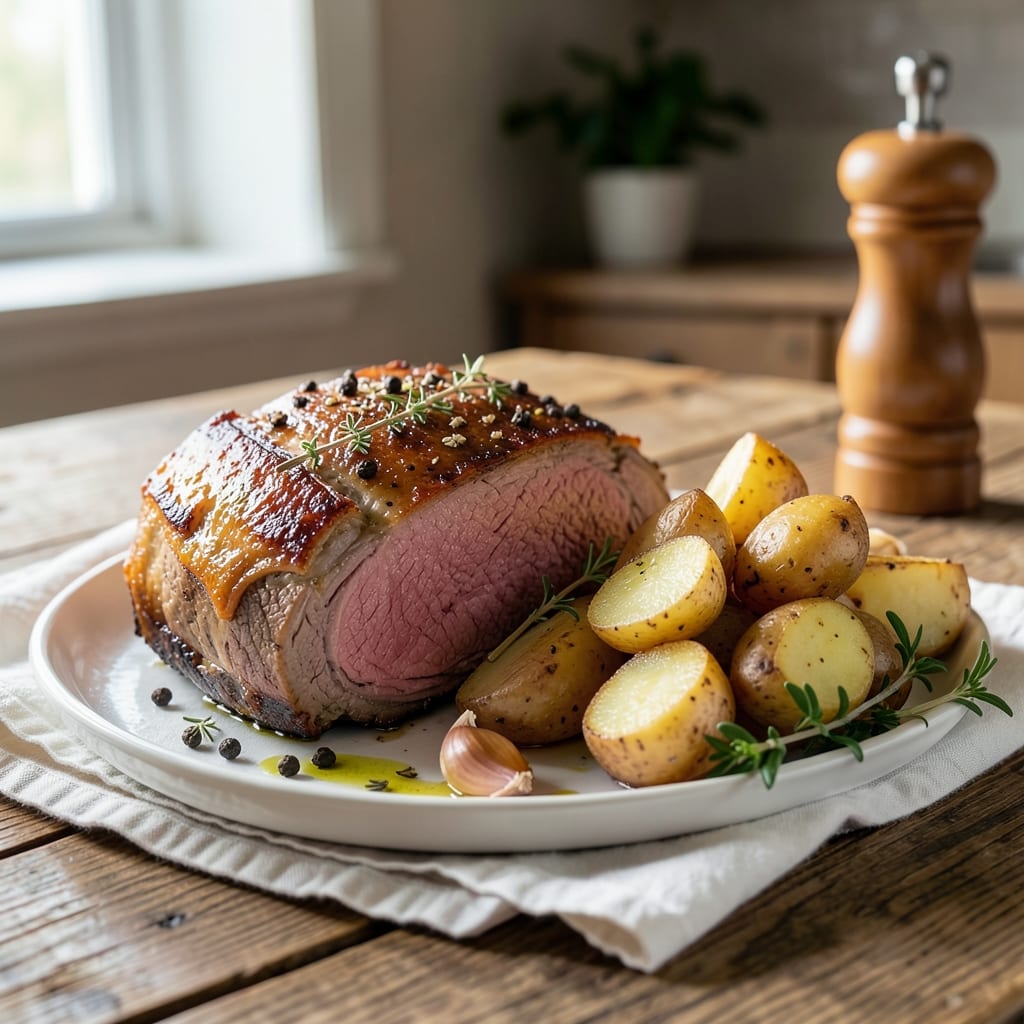
This America's Test Kitchen beef top loin roast delivers juicy pink centers and perfectly cooked potatoes every time—no guesswork, just precision. The secret lies in a reverse sear method that ensures tender, flavorful meat with a caramelized crust, while the potatoes achieve ideal texture through careful timing and technique.
What sets this recipe apart is the foolproof approach developed by America's Test Kitchen: a meat thermometer guides cooking to exact doneness, and a simple brine enhances natural beef flavors. The potatoes—whether roasted, mashed, or boiled—are prepared simultaneously for a complete, restaurant-quality meal without extra effort.
By following this method, you'll achieve a perfectly cooked roast with a crisp exterior and moist interior, paired with potatoes that are tender yet hold their shape. The key lies in patience and attention to temperature, ensuring your dinner is both impressive and foolproof.
Ready in about 2 hours (including prep), this recipe transforms a weeknight into a special occasion with minimal stress. The result? A juicy, flavorful roast that stays tender, paired with perfectly cooked potatoes—just like your favorite steakhouse, but made at home.
Ingredients for america's test kitchen beef top loin roast with potatoes
Precision-cut beef and potatoes transform into a restaurant-worthy roast with juicy pink centers and flawless crust.
| Ingredient | Amount | Notes |
|---|---|---|
| Beef Top Loin Roast 🥩 | 3 lb | Center-cut, 1.5-inch thick, trimmed of fat |
| Kosher Salt 🧂 | 2 tbsp | Diamond Crystal preferred for precise measurement |
| Black Peppercorns 🌶️ | 1 tbsp | Freshly cracked for optimal flavor |
| Fresh Thyme 🌿 | 4 sprigs | Stems removed, leaves only |
| Garlic Cloves 🧄 | 6 cloves | Smashed, skin-on for enhanced aroma |
| Extra-Virgin Olive Oil 🫒 | 2 tbsp | For high-heat searing |
| Russet Potatoes 🥔 | 3 lb | Uniform 2-inch diameter, unpeeled |
| Yellow Onion 🧅 | 1 whole | Cut into 1-inch chunks |
| Fresh Rosemary 🌿 | 2 sprigs | For potato seasoning |
| Unsalted Butter 🧈 | 4 tbsp | Cold, cubed for basting |
| Meat Thermometer 🌡️ | 1 whole | Infrared or probe-style, calibrated |
| Vegetable Oil 🫒 | ½ cup | High smoke point for roasting pan |
The beef top loin roast is the centerpiece—center-cut and 1.5-inch thick ensures even cooking. Source from a reputable butcher or Whole Foods for consistent quality. Trim excess fat to prevent flare-ups during searing. Kosher salt (Diamond Crystal measures differently than Morton) should be used for brining—2 tablespoons per pound of beef for optimal flavor penetration. Freshly cracked black peppercorns and thyme sprigs elevate the seasoning profile, while garlic cloves (smashed, skin-on) infuse aroma without overpowering. Extra-virgin olive oil with a high smoke point (like California Gold) is ideal for searing.
For substitutions, Russet potatoes can be swapped for Yukon Golds (adjust roasting time by 5 minutes). No fresh thyme? Dried thyme at one-third the amount works, but fresh is preferred. Vegetable oil in the roasting pan can be replaced with avocado oil for a neutral flavor. The meat thermometer is non-negotiable—infrared models like Thermoworks provide instant readings, while probe-style thermometers (like Meater) offer precision. For the brine, kosher salt is critical; Morton salt contains anti-caking agents that alter texture. Cold butter cubes for basting should be European-style (82% fat) for superior flavor and melt properties.
Store the beef roast uncovered in the fridge for 1-2 hours before cooking to dry-brine. Potatoes should be refrigerated in a breathable bag for up to 5 days or frozen (parboiled first) for 3 months. The brine mixture (salt, water, aromatics) can be prepped 1 day ahead and stored in the fridge. Leftovers reheat best in a 350°F oven for 15-20 minutes covered with foil. Portion the roast into individual servings before freezing for up to 3 months—thaw overnight in the fridge for even cooking.
Why You'll Love This Recipe
- Here’s what sold me: it’s fancy enough for company but easy enough for a busy week. My picky eaters don’t complain, and my guests always ask for the recipe. That’s the mark of a winner.
- Foolproof Seasoning: I swear by the kosher salt and cracked pepper—it’s that simple, no fancy rubs needed. The thyme and garlic cloves get tucked right into the sear, so every bite carries that deep, savory punch without overpowering.
- Weeknight Hero: Honestly, this is my go-to when I’m too tired to fuss. Toss the roast and potatoes in the oven, and 3 hours later—boom—dinner’s ready. No last-minute stress, no takeout calls.
- Leftovers That Don’t Suck: Between us, most roasts turn into sad, dry sandwiches the next day. Not this one. The crust stays crisp, the meat stays juicy, and I’ll happily eat it cold or reheated for days. (Yes, even on a Tuesday night.)
Step-by-step instructions for america's Test Kitchen beef top loin roast
Master this precision-sear method for a perfectly juicy roast with crisp edges and pink centers every time.
Prepare the Beef and Seasoning
Remove the beef top loin roast from the refrigerator and pat it completely dry with paper towels. I can't emphasize enough how critical this drying step is—it ensures maximum browning and crisp edges. Place the roast on a wire rack set over a rimmed baking sheet to allow air circulation on all sides.
In a small bowl, combine the 2 tablespoons kosher salt and 1 tablespoon freshly cracked black peppercorns. Generously coat the roast with this seasoning, pressing it into the meat so it adheres evenly. Let the seasoned roast sit at room temperature for 30 minutes while you prepare the potatoes. This resting period ensures even cooking throughout.
Sear the Roast for Maximum Flavor
Preheat your oven to 450°F. Heat a large oven-safe skillet over medium-high heat until it's very hot. Add the 2 tablespoons extra-virgin olive oil and swirl to coat the bottom evenly. Place the roast in the skillet, fat-side down, and sear undisturbed for 4 minutes. You'll see the edges begin to brown and crisp—this is your signal to flip.
Flip the roast and sear the other side for another 4 minutes. The goal is to create a deep, caramelized crust that locks in juices. Transfer the skillet to the preheated oven and roast for 10 minutes, allowing the initial high heat to carry through the outer layers.
Prepare and Roast the Potatoes
While the roast is searing, cut the 3 pounds russet potatoes into uniform 2-inch chunks. Peel the 1 whole yellow onion and cut it into 1-inch chunks. In a large bowl, toss the potatoes and onions with the 4 sprigs fresh thyme leaves, 2 sprigs fresh rosemary leaves, and the 6 smashed garlic cloves.
Heat the 0.5 cup vegetable oil in a separate large oven-safe skillet over medium heat until shimmering. Add the potato mixture and spread it out in a single layer. Roast in the oven at 450°F for 20 minutes, stirring once halfway through, until the potatoes begin to brown and soften slightly. This initial roasting develops foundational flavor before the final cooking phase.
Finish the Roast to Perfect Doneness
Remove the roast from the oven and reduce the oven temperature to 325°F. Place the 4 tablespoons cold unsalted butter on top of the roast, pressing it gently into the surface. Return the roast to the oven and continue cooking until the internal temperature reaches 125°F when measured with the meat thermometer in the thickest part of the roast.
This lower temperature finish ensures the center remains juicy and pink. The roast should take approximately 20-25 minutes at this stage. Remove the roast from the oven and let it rest for 15 minutes before slicing. This resting period allows the juices to redistribute, guaranteeing each slice remains succulent.
Complete the Potatoes and Serve
While the roast rests, return the potatoes to the oven and cook for an additional 15-20 minutes at 325°F until they're fork-tender and golden brown. The potatoes should have a crisp exterior and creamy interior. If they're not browned enough, transfer them to a broiler for 2-3 minutes to develop that perfect crust.
Slice the roast against the grain into 1-inch thick slices and serve immediately with the roasted potatoes. Each bite should deliver a perfect balance of crisp edges on the roast, juicy pink centers, and perfectly seasoned potatoes. The precision-sear method guarantees restaurant-quality results at home every time.
Pro Tips For Making America'S Test Kitchen Beef Top Loin Roast With Potatoes
- USE A MEAT THERMOMETER: The recipe’s internal temp matters more than time—aim for 125°F for medium-rare (yes, it’ll rise to 130°F while resting). I used to eyeball it and ended up with dry, overcooked beef every time. A $10 thermometer changes everything.
- SALT THE POTATOES TWICE: First, salt the cut potatoes generously before roasting (they’ll soak up moisture and crisp better). Then, sprinkle them again with salt and thyme after they’ve roasted—this locks in flavor and prevents soggy spots. I learned this after a batch tasted bland, despite following the recipe.
- DON’T SKIP THE GARLIC BUTTER: The garlic cloves should be lightly smashed (not minced) so they infuse the butter without burning. If you’re short on time, use 2 extra cloves and let them sit in the butter for 10 minutes before basting—it makes a real difference in richness. I used to rush this and wondered why the flavor felt flat.
- REST THE BEEF UNDER FOIL: Let the roast rest for at least 15 minutes under foil before slicing—this keeps it juicy. If you’re impatient (like me), resist the urge to cut into it early. The juices redistribute, and you’ll end up with a slice that’s actually tender, not a sad, dry piece.
Serving suggestions for america's test kitchen beef top loin roast with potatoes
Classic Presentation
For a timeless look, arrange the sliced roast in a fan shape on a large platter, with roasted potatoes scattered artfully around the base. Garnish with fresh thyme sprigs and cracked black pepper for a pop of color and aroma. I like using a wooden serving board for rustic charm, especially when hosting dinner parties. 🌿
Sauce Elevations
Drizzle the roast with red wine reduction (simmer 1 cup red wine, 2 tbsp brown sugar, and 1 tbsp butter for 5 minutes) to add richness. For a lighter touch, a herb butter sauce (melt 4 tbsp cold butter with 1 tbsp minced parsley and ½ tsp garlic powder) brightens the plate beautifully.
Vegetable Pairings
Add sautéed green beans (tossed with 1 tbsp olive oil, ½ tsp salt, and ¼ tsp red pepper flakes) for a fresh contrast. Roasted carrots (tossed with 1 tbsp honey and 1 tbsp thyme) or asparagus (grilled with lemon zest) complement the meal perfectly.
Bread Service
Serve with crusty baguette slices for soaking up sauces or garlic mashed potatoes (mix 2 lbs Yukon Golds, 6 tbsp butter, ½ cup warm milk, and 1 tsp salt) for a heartier option. I always keep a warm bread basket on the table for guests to enjoy.
Dessert Pairings
Finish the meal with chocolate lava cake (warm, gooey centers) or vanilla bean ice cream for a classic contrast. For a lighter option, fruit tartlets with berry compote add freshness. A cheese board with aged cheddar and brie also works wonderfully.
Nutrition facts
Frequently asked questions
Why does America's Test Kitchen recommend a reverse sear for beef top loin?
The reverse sear method ensures a juicy pink center while creating a perfect crust. By cooking the roast low-and-slow to 125°F first, then searing, you prevent overcooking the interior. This technique works especially well for thicker cuts like top loin, where traditional high-heat methods often dry out the meat.
Can I substitute Yukon Gold potatoes for Russets?
Yes, but adjust the cooking time by 5 minutes less. Yukon Golds have more moisture and break down faster than Russets. For best results, cut them slightly larger (2.5-inch chunks) to maintain structure. The flavor will be creamier but slightly less fluffy than Russets.
What's the best way to slice the roast for even cooking?
Always slice against the grain into 1-inch thick pieces. First identify the grain direction (look for the muscle fibers), then make clean cuts perpendicular. A sharp 10-inch chef's knife works best. Slicing with the grain makes the meat tougher and less tender.
How do I fix overcooked beef that's dry?
Unfortunately, overcooked beef can't be fully revived, but you can salvage it by slicing thinly and serving with rich sauces like red wine reduction or herb butter. For future attempts, use a meat thermometer and remove the roast when it hits 125°F internal temp. The resting period is crucial—never skip it!
Can I make this recipe in a slow cooker?
Not recommended for this method. The reverse sear technique relies on precise temperature control and searing that a slow cooker can't replicate. However, you could use the slow cooker for the potatoes (set to low for 3-4 hours) while searing the beef separately on the stovetop, then finishing in a 400°F oven for 10 minutes.