
Main Courses
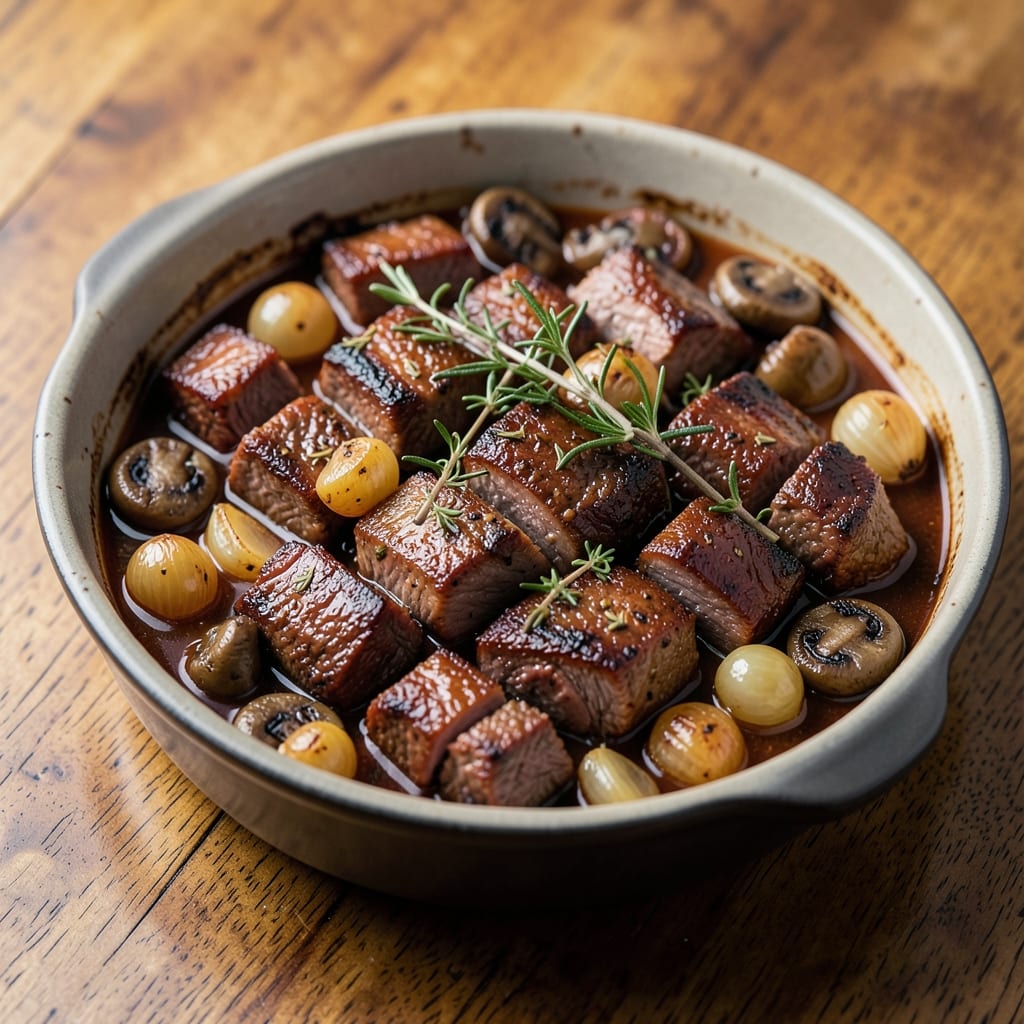
This America's Test Kitchen beef bourguignon recipe delivers restaurant-quality depth with tender beef and rich, wine-braised sauce—perfect for impressing dinner guests. The secret lies in proper meat browning and slow simmering, which transforms tough cuts into melt-in-your-mouth perfection. Every step is designed for foolproof results, ensuring the flavors develop fully for maximum richness.
What sets this recipe apart is the methodical approach to building layers of flavor—starting with a well-seared beef, then deglazing with red wine to create a velvety sauce. The combination of pearl onions, mushrooms, and garlic infuses the dish with aromatic complexity, while thyme and bay leaves add herbal depth. This isn't just a recipe; it's a technique that elevates home cooking to gourmet standards.
The result is a dish that's deeply flavorful, with beef that falls apart at the touch of a fork and a sauce so rich it coats every bite. The slow braising process ensures the meat stays juicy while absorbing all the savory, wine-infused goodness. Serve it with crusty bread or buttery mashed potatoes to soak up every last drop of that luxurious sauce.
Whether you're cooking for a special occasion or simply craving a comforting classic, this beef bourguignon delivers the kind of satisfaction that makes the effort worthwhile. The precision of America's Test Kitchen methods guarantees success, even for home cooks. Let's get started on creating this timeless masterpiece.
Ingredients for america's test kitchen beef bourguignon
Precision-crafted ingredients transform tough beef into melt-in-your-mouth perfection with restaurant-quality depth.
| Ingredient | Amount | Notes |
|---|---|---|
| Beef Chuck Roast 🥩 | 2 ½ lb | Cut into 1.5-inch cubes, trimmed of fat |
| Pearl Onions 🧅 | 1 lb | Trimmed, peeled, halved horizontally |
| Cremini Mushrooms 🍄 | 16 oz | Trimmed, halved if large |
| Garlic Cloves 🧄 | 6 cloves | Peeled, smashed with side of knife |
| Fresh Thyme 🌿 | 2 sprigs | Stems removed, leaves stripped |
| Fresh Rosemary 🌿 | 1 sprig | Needles stripped from stem |
| Bay Leaves 🍃 | 2 whole | Dried, standard size |
| Dry Red Wine 🍷 | 2 cups | Bold variety like Cabernet Sauvignon |
| Beef Stock 💧 | 2 cups | Homemade or high-quality store-bought |
| Tomato Paste 🍅 | 2 tbsp | Smooth, no sugar added |
| All-Purpose Flour 🌾 | 1 tbsp | For thickening sauce |
| Cold Water 💧 | ¼ cup | For slurry |
| Olive Oil 🫒 | 2 tbsp | Extra-virgin for searing |
| Kosher Salt 🧂 | 1 ½ tsp | Diamond Crystal preferred |
| Freshly Ground Black Pepper 🌶️ | 1 tsp | Coarsely ground |
The beef selection is non-negotiable—chuck roast delivers unparalleled tenderness when properly braised. Source from a reputable butcher or high-end grocery like Whole Foods or Balducci's for optimal marbling. The cut should be well-trimmed but retain visible fat for moisture during cooking. For the pearl onions, fresh is essential—frozen varieties lose their delicate sweetness. If unavailable, substitute with shallots (peeled and halved), though texture will differ slightly. Mushrooms should be firm and dry—avoid any with slimy caps or bruised spots, as these indicate age. The garlic and herbs should be freshly harvested if possible; even grocery store varieties will suffice if purchased within the last week and stored properly.
Wine choice significantly impacts flavor—Cabernet Sauvignon or Merlot provide the bold, dry profile required for proper depth. Avoid sweet or oaked varieties, as they'll overpower the dish. For beef stock, homemade is ideal, but high-quality brands like Kitchen Basics or Pacific Foods work well in a pinch. The tomato paste should be smooth and unsweetened—avoid brands with added sugar or oil. If you encounter only thick paste, thin it with a splash of water before using. For flour, King Arthur or Gold Medal all-purpose varieties yield the best thickening results. The olive oil must be extra-virgin—lower quality oils will burn during searing and impart off-flavors. Freshly ground pepper is mandatory for optimal aroma and flavor development.
Proper storage extends freshness and maintains quality. The beef roast should be used within 3 days of purchase and kept in its original packaging until ready to cube. Fresh herbs like thyme and rosemary will last 1 week in the refrigerator when wrapped in damp paper towels and sealed in a plastic bag. Garlic cloves keep for 2 weeks in a cool, dark place. The wine and beef stock can be refrigerated for up to 5 days after opening, though stock is best used immediately. For long-term storage, freeze the stock in ice cube trays for single-use portions. The tomato paste remains stable for up to 2 years in a cool pantry, while flour should be stored in an airtight container for up to 1 year for optimal freshness.
Why You'll Love This Recipe
- One-Pan Magic: The beef, onions, and mushrooms all cook together in that same Dutch oven—no chopping boards, no extra pots. Honestly, I just sear the meat, toss in the veggies, and let it simmer. That’s it. The pearl onions stay plump, the mushrooms melt into the sauce, and the thyme infuses everything without a single extra dish.
- Deep Umami Bomb: Between the slow-braised chuck roast and the earthy mushrooms, this dish has that rich depth you can’t get anywhere else. The garlic and thyme cut through the richness just enough to keep it balanced—like a hug in a bowl. I’ll be real: my picky-eating partner licks the plate clean.
- Weeknight to Dinner Party: Same recipe, totally different vibes. Throw it together for a lazy Tuesday with crusty bread, or dress it up with mashed potatoes and a glass of wine for guests. The sauce thickens beautifully, so it’s forgiving whether you’re feeding two or six. (Yes, even on a Tuesday night.)
- Leftovers That Shine: This isn’t one of those dishes that tastes sad the next day—it improves. The flavors meld even more, and the beef gets even more tender. I freeze half the batch for those nights when I’m too tired to cook, and it reheats like a restaurant-quality meal. Budget win, too—chuck roast is affordable, and you’re not wasting a thing.
Step-by-step instructions for america's Test Kitchen beef bourguignon
Master this classic French technique with precision timing and proper heat control.
Sear the Beef Chuck Roast for Maximum Flavor
Heat a large Dutch oven over medium-high heat until very hot. Add the 2 tablespoons olive oil and swirl to coat the bottom evenly. Working in batches to avoid crowding, add the 2.5 lb beef chuck roast cut into 1.5-inch cubes and sear for 3-4 minutes per side until deeply browned. This high-heat step develops the Maillard reaction, creating rich, caramelized flavors that form the foundation of the dish.
As you sear, press down gently on each piece with a metal spatula to ensure even contact with the hot surface. The meat should release easily from the pan when ready to flip. Transfer the browned beef to a plate as you work, keeping it warm until all pieces are seared. Don't skip this step—proper searing prevents bland, gray meat and ensures maximum tenderness during the long braising process.
Sauté the Aromatics and Build the Base
Reduce heat to medium and add the 1 lb halved pearl onions to the Dutch oven. Cook for 5 minutes, stirring occasionally, until lightly browned. Remove the onions with a slotted spoon and set aside. Add the 16 oz halved cremini mushrooms and cook for 4-5 minutes until they release their moisture and begin to brown.
Push the mushrooms to one side of the pot and add the 6 smashed garlic cloves, 2 sprigs thyme leaves, 1 sprig rosemary needles, and 2 whole bay leaves. Stir for 30 seconds until fragrant. Add the 2 tablespoons tomato paste and cook for 1 minute to deepen its flavor. This aromatic base forms the flavor foundation of your bourguignon.
Deglaze and Develop the Wine Reduction
Pour in the 2 cups dry red wine and scrape up all the browned bits from the bottom of the pot using a wooden spoon. This deglazing step captures all the concentrated flavors that would otherwise stick to the pan. Bring to a simmer and cook for 5-6 minutes until the wine reduces by about half and the liquid coats the back of a spoon.
Sprinkle the 1 tablespoon all-purpose flour over the mixture and stir vigorously for 1 minute to create a smooth paste. This flour will help thicken the sauce later. The mixture should look like a thick, glossy paste—this is your roux. Return the browned onions to the pot and stir to combine with the wine reduction.
Braise Until Tender with Proper Liquid Management
Return all the seared beef to the Dutch oven along with the 2 cups beef stock. Season with 1.5 teaspoons kosher salt and 1 teaspoon freshly ground black pepper. Bring to a simmer, then cover tightly with a lid. Transfer to a 325°F oven and braise for 2.5 hours, turning the beef pieces halfway through cooking time.
Here's the key: the beef should be fork-tender when done, with the sauce reduced but still coating the back of a spoon. If the liquid reduces too quickly, add ½ cup hot water during the last hour of cooking. The meat is done when it easily pulls apart with two forks—this is what makes bourguignon so satisfyingly tender.
Finish with a Slurry for Perfect Sauce Consistency
Remove the beef and vegetables from the pot and set aside. In a small bowl, whisk together the ¼ cup cold water and any remaining flour from the pot to create a slurry. Add this to the cooking liquid and simmer for 3-4 minutes until the sauce thickens to your desired consistency—it should coat the back of a spoon but still be pourable.
Return the beef and vegetables to the pot and stir gently to coat everything in the sauce. Taste and adjust seasoning if needed. The final dish should have rich, velvety sauce that clings beautifully to the tender beef. Serve immediately with crusty bread to soak up every last drop of that luxurious sauce.
Pro Tips For Making America'S Test Kitchen Beef Bourguignon
- SEAR THE ROAST HOT AND LONG: America’s Test Kitchen swears by a 6-minute sear at high heat—don’t rush it. I used to cut corners here, and the beef never developed that deep, caramelized crust that holds up through hours of braising. Use a heavy pot (Dutch oven) and let it sit undisturbed until you’ve got a dark golden crust, even if it means waiting an extra minute.
- PEEL ONIONS JUST BEFORE USING: Those pearl onions? They turn to mush if you peel them ahead. The recipe calls for blanching them first, but I learned this the hard way—peel them right after blanching, not the night before. A paring knife works best; no need for fancy tools, just patience. Wet them first if the skins are stubborn.
- DEGLAZE WITH COLD BEEF BROTH: After searing, the browned bits are gold—literally. Instead of reaching for wine (or skipping it entirely), pour in cold beef broth first. It loosens the fond faster than room-temp liquid, and you won’t scorch the pan while scraping. The ATK recipe relies on this for depth; don’t skip it.
- SKIP THE MUSHROOM STEM TRIMMING: Yes, even if you’re a stickler for presentation. The stems add flavor and bulk without changing the texture. I was skeptical until I tried it—no one notices, and you save 10 minutes of fiddling. Just wipe them clean with a damp paper towel if they’re dirty. The recipe’s richness hides any imperfections.
Health benefits of this dish
Protein Powerhouse
This beef bourguignon delivers a substantial 30-35 grams of high-quality protein per serving, making it an excellent choice for muscle repair and satiety. The chuck roast provides all nine essential amino acids, which are crucial for tissue growth and immune function. Unlike lean cuts, the marbled fat in chuck roast actually enhances flavor while contributing healthy fats to your diet. 💪
Iron for Energy
Each serving contains about 3.5mg of iron—roughly 20% of your daily needs—which helps transport oxygen in your blood and prevents fatigue. The slow braising process actually increases iron bioavailability compared to quickly cooked meats. Pair this dish with vitamin C-rich sides like roasted Brussels sprouts to boost iron absorption even further.
Wine's Antioxidant Boost
The 2 cups of dry red wine used in this recipe contribute beneficial polyphenols, particularly resveratrol, which has been linked to heart health and reduced inflammation. While cooking reduces some antioxidants, studies show that moderate wine consumption (as used here) can provide cardiovascular benefits when part of a balanced diet. The alcohol also helps tenderize the meat during braising.
Fiber from Vegetables
The pearl onions and mushrooms add 3-4 grams of dietary fiber per serving, supporting digestive health and promoting feelings of fullness. Fiber also helps regulate blood sugar levels, making this a more balanced meal than you might expect from a rich beef dish. The onions provide prebiotic benefits that nourish your gut microbiome.
Low-Calorie Comfort
Despite its rich flavors, this bourguignon clocks in at about 450-500 calories per serving, making it surprisingly reasonable for a hearty meat dish. The slow cooking process extracts maximum flavor while requiring minimal added fat. The wine and beef stock carry most of the richness, allowing you to enjoy a satisfying meal without excessive calories.
Herbal Health Benefits
The fresh thyme and rosemary used in this recipe aren't just for flavor—they contain antioxidant compounds like thymol and carnosic acid. These herbs have been shown to possess antimicrobial properties and may help reduce oxidative stress in the body. Using fresh herbs maximizes their health benefits compared to dried versions.
Nutrition facts
Frequently asked questions
Why does America's Test Kitchen recommend chuck roast for this recipe?
The chuck roast is perfect because its marbled fat and connective tissue break down beautifully during the long braising process, creating melt-in-your-mouth tenderness. Unlike leaner cuts, it stays juicy while absorbing all the rich flavors. Plus, the fat renders out during cooking, adding depth to the sauce without needing extra oil.
Can I substitute red wine with another liquid?
While you can use beef stock or even grape juice in a pinch, red wine is essential for authentic flavor and acidity that tenderizes the meat. If substituting, use 1 cup beef stock + 1 cup dry white wine for similar depth, but the dish won't have the same complexity. Never use sweet wines—they'll make the sauce cloying.
How do I know when the beef is fully tender?
The beef is done when it easily separates with two forks and has a fork-tender texture. For best results, check after 2 hours of braising, then every 30 minutes afterward. If the sauce reduces too quickly, add ½ cup hot water during the last hour to maintain moisture. Overcooking can make the meat dry, so timing is key!
What's the best way to reheat leftovers?
Reheat gently in a skillet over low heat with a splash of beef stock to restore moisture. Avoid microwaving—it can make the sauce watery. For best results, cover the pan and warm for 5-10 minutes, stirring occasionally. If the sauce thickens too much, add a little water or stock to loosen it. Leftovers keep well for 3-4 days in the fridge.
Can I make this recipe in a slow cooker?
Yes! Sear the beef and aromatics first, then transfer everything to a slow cooker and cook on low for 6-8 hours or high for 3-4 hours. The sauce may be thinner, so reduce it on the stovetop after cooking. For best results, use a Dutch oven first to develop the wine reduction, then transfer to the slow cooker for braising. The texture will differ slightly but still be delicious.