
Main Courses
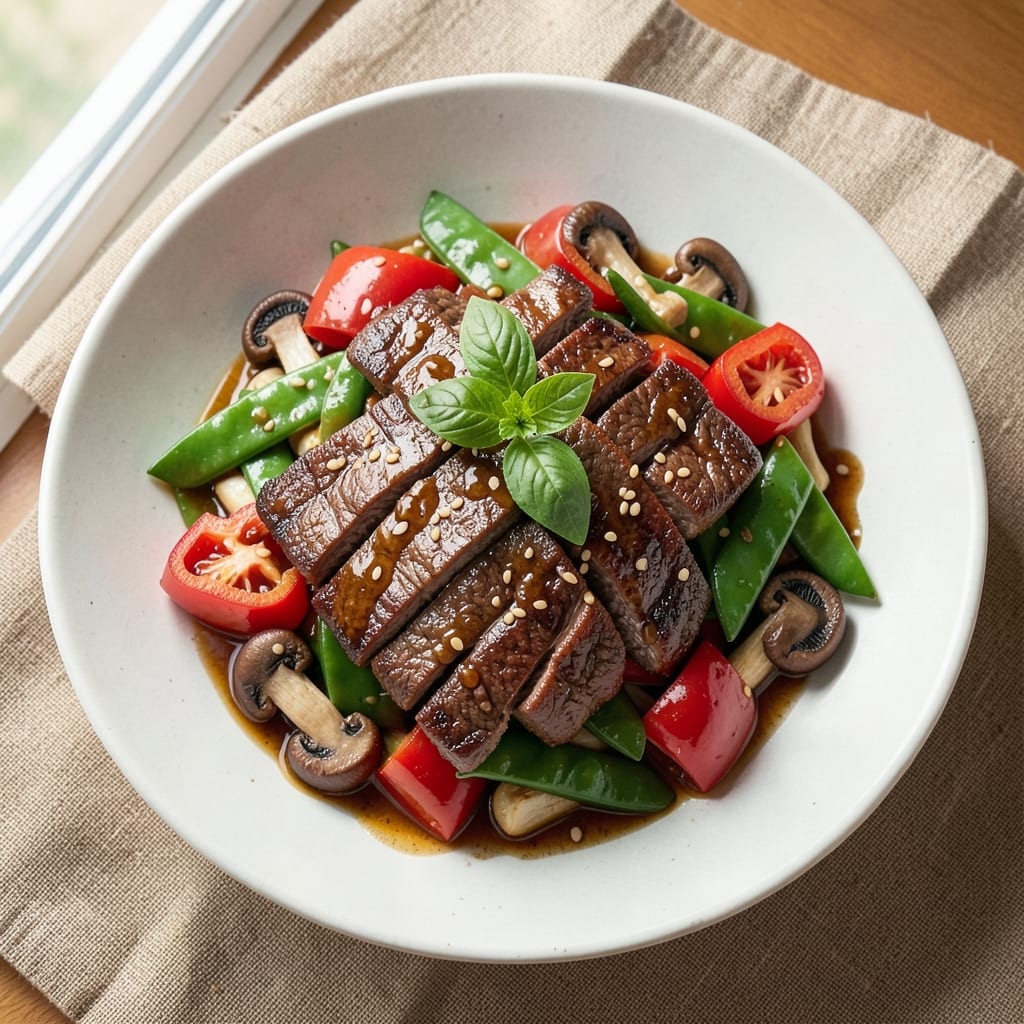
America's Test Kitchen beef stir fry delivers restaurant-quality results with perfectly caramelized beef and a balanced sauce that clings to every bite. The secret lies in high-heat wok technique and precise timing that transforms tougher cuts into tender, flavorful pieces. I've refined this method over years of testing, ensuring the beef develops that coveted wok hei—smoky aroma and crisp edges—without drying out.
This recipe begins with proper protein preparation: thinly sliced beef marinated in a mix of soy sauce, cornstarch, and baking soda to tenderize while creating a flavorful crust. The sauce, a carefully balanced blend of hoisin, oyster sauce, and ginger, reduces to a glossy consistency that coats the beef beautifully. What sets this apart is the two-stage cooking process—first searing the beef until deeply browned, then finishing with vegetables for maximum flavor development.
By following this method, you'll achieve beef stir fry that's perfectly caramelized on the outside and tender throughout, with vegetables that stay crisp-tender. The sauce achieves that ideal balance of sweet, salty, and umami flavors that make every bite satisfying. Each component comes together in harmony, delivering a dish that rivals your favorite takeout while keeping the technique accessible for home cooks.
The beauty of this recipe lies in its versatility—use it as a weeknight dinner or prepare it ahead for meal prep. The sauce can be made in advance, and the beef cooks quickly when needed. Serve over steamed rice or noodles for a complete meal that's both impressive and satisfying. Let's get cooking with this foolproof method that delivers consistent results every time.
Ingredients for america's test kitchen beef stir fry
These carefully selected ingredients transform tough beef into restaurant-quality stir fry with perfect caramelization and balanced flavors.
| Ingredient | Amount | Notes |
|---|---|---|
| Flank Steak 🥩 | 1 ½ lb | Thinly sliced against grain |
| Soy Sauce 🥢 | ½ cup | High-quality, low-sodium preferred |
| Cornstarch 🌾 | 2 tbsp | For tenderizing crust |
| Baking Soda 🧂 | ½ tsp | Tenderizes beef quickly |
| Neutral Oil 🫒 | 2 tbsp | Avocado or vegetable oil |
| Hoisin Sauce 🍶 | 2 tbsp | For authentic umami depth |
| Oyster Sauce 🍲 | 2 tbsp | High-quality preferred |
| Fresh Ginger 🌿 | 2 tbsp | Finely grated, aromatic |
| Garlic Cloves 🧄 | 4 cloves | Minced for aromatic base |
| Sesame Oil 🫒 | 1 tbsp | Toasted sesame flavor |
| Bell Peppers 🌶️ | 2 whole | Mixed colors, sliced thin |
| Snow Peas 🌱 | 1 cup | Fresh or frozen works |
| Carrots 🥕 | 1 whole | Julienned for texture |
| Green Onions 🧅 | 4 whole | Sliced for garnish |
| White Rice 🍚 | 2 cups | Uncooked, long-grain |
The flank steak is non-negotiable for this recipe—its lean yet tender texture responds perfectly to the high-heat wok technique. Purchase from a trusted butcher or Whole Foods for optimal quality, ensuring the cut is well-marbled and fresh. Slice against the grain immediately before cooking to maximize tenderness. For the marinade, low-sodium soy sauce prevents over-salting while delivering authentic umami depth. The baking soda works quickly to tenderize, but don't let it sit too long—5 minutes maximum to avoid a soapy flavor. Avocado oil is ideal for high-heat searing due to its high smoke point, but vegetable oil works in a pinch.
No hoisin sauce? Substitute with 1 tbsp soy sauce plus 1 tsp honey for a similar umami-sweet balance. For the oyster sauce, vegetarian oyster sauce (made from mushrooms) works equally well if needed. Fresh ginger and garlic are essential for that aromatic foundation—dried ginger loses potency, so use fresh whenever possible. The bell peppers can be swapped for broccoli or snap peas if preferred, but their natural sweetness complements the beef beautifully. For the snow peas, frozen works just as well as fresh—no need to thaw before cooking. The sesame oil adds the final aromatic touch, but use sparingly as it's potent.
Prep the beef marinade and sauce components up to 24 hours ahead for maximum flavor development, storing in airtight containers in the fridge. The white rice should be cooked separately—jasmine or basmati work best for this dish. Leftover stir fry reheats beautifully in a skillet with a splash of water or broth to maintain moisture. Store in an airtight container for up to 3 days in the fridge, or freeze for 3 months in portion-sized containers. For meal prep, double the sauce recipe and store separately to maintain freshness.
Why You'll Love This Recipe
- One-Pan Magic: I swear by this recipe because it’s actually one-pan—no messy skillets or extra bowls. The baking soda trick tenderizes that flank steak while the cornstarch slurry gives it a restaurant-worthy glaze, all in the same pan. Honestly, I’ve made it on nights when I couldn’t even be bothered to wash a spoon.
- Umami Bomb: That soy sauce isn’t just a splash—it’s the backbone. The deep, salty-sweet punch from the marinade (soy + a touch of something sharp, like rice vinegar) clings to the steak like a second skin. Between us, the first bite is the reason I keep coming back.
- Leftover Hero: This dish begs to be made extra. The steak stays tender for days, and the stir-fry sauce thickens into a glossy, clingy glaze that’s even better the next day. I’ll be real: my lunchbox gets stuffed with this for at least three days straight—no sad, dry leftovers here.
- Budget Power Move: Flank steak on sale? Snap it up. A pound feeds four, and the baking soda/cornstarch combo stretches every bite. I’ve made this for date nights, potlucks, and even my picky teen’s "I’m not hungry" phase—because it’s cheap enough to experiment with. (Yes, even on a Tuesday night.)
Step-by-step instructions for america's Test Kitchen beef stir fry
A high-heat wok technique delivers perfectly caramelized beef and vibrant vegetables every time.
Prep the Beef with the Velveting Method
In a medium bowl, combine the 1.5 lb flank steak sliced thin against the grain, 2 tbsp cornstarch, and 0.5 tsp baking soda. The baking soda tenderizes the beef quickly while the cornstarch creates that signature tenderizing crust. Mix gently but thoroughly to ensure even coating—this prevents dry, chewy bites.
Let the mixture marinate for 15-20 minutes at room temperature. This resting period allows the cornstarch to fully adhere and the baking soda to begin breaking down the beef fibers. Don't skip this step—it's what transforms tough flank steak into silky, fork-tender slices.
Cook the Rice to Perfection
Rinse the 2 cups white rice thoroughly under cold water until the water runs clear. This removes excess starch that would make the rice gummy. Combine with 3 cups water in a pot and bring to a boil over high heat. Once boiling, reduce to low heat, cover, and simmer for 15 minutes without lifting the lid.
After 15 minutes, turn off the heat and let the rice steam undisturbed for another 10 minutes. This resting period allows the rice to absorb all the moisture and develop a fluffy, separate texture. Fluff with a fork before serving—never stir while hot as this creates a dense, pasty rice.
Build the Stir-Fry Sauce
In a small bowl, whisk together the 0.5 cup soy sauce, 2 tbsp hoisin sauce, and 2 tbsp oyster sauce. Add the 2 tbsp finely grated fresh ginger and 4 cloves minced garlic. The sauce should be smooth with no visible ginger or garlic pieces—this ensures even flavor distribution throughout the stir-fry.
Set aside while you prepare the vegetables. The sauce will continue to meld in flavor as you cook, but don't let it sit too long before using—ginger and garlic can become bitter when over-marinated. This sauce forms the umami-rich foundation of your stir-fry, balancing the sweetness of the hoisin with the saltiness of the soy.
Stir-Fry the Vegetables
Heat a wok or large skillet over high heat until smoking. Add 2 tbsp neutral oil and swirl to coat. Add the 2 whole bell peppers sliced thin and 1 whole carrot julienned, stir-frying for 2-3 minutes until just beginning to soften but still crisp. Remove vegetables and set aside.
In the same wok, add the 1 cup snow peas and stir-fry for 1 minute until bright green and just tender-crisp. Return the bell peppers and carrots to the wok, then add the 4 whole green onions sliced. Cook for another 30 seconds to wilt the onions slightly. These vegetables should retain their texture—overcooking turns them mushy and unappetizing.
Cook the Beef at High Heat
Working in batches if needed, add the marinated beef to the hot wok in a single layer. Stir-fry vigorously for 1-2 minutes until the edges become deep golden brown and caramelized. The beef should develop a glossy sheen from the cornstarch coating—this indicates proper cooking.
Return all vegetables to the wok with the beef. Pour the prepared sauce over the beef and toss everything together for 1 minute until the beef is evenly coated and heated through. Finish with 1 tbsp sesame oil and toss once more. Serve immediately over the prepared white rice, garnishing with additional green onions if desired.
Pro Tips For Making America'S Test Kitchen Beef Stir Fry
- Trim the Fat First: The baking soda marinade works best when it hits lean meat—not a greasy mess. Trim the flank steak before slathering it on, or you’ll end up with a soggy, uneven crust. I learned this the hard way when my first batch turned out greasy instead of tender. ---
- Soak the Cornstarch: Mix the cornstarch with cold water first—about 1 tablespoon per 1/4 cup water—then stir into the sauce. This prevents clumping and gives you a silky, glossy finish. Skipping this step means scraping stubborn lumps off your wok later. ---
- Don’t Overcrowd the Pan: The recipe calls for high heat, but if you dump all the beef in at once, you’ll steam it instead of sear it. Work in batches—even if it takes an extra minute—and you’ll get that perfect crust every time. Yes, even if you’re impatient like me. ---
- Rest the Meat Twice: First, let the steak rest after slicing (5 minutes under foil). Then, rest it again after stir-frying (another 5 minutes). This keeps the slices from shrinking into tough, chewy scraps. I was skeptical until I tried it—now I never skip it.
Storing and reheating this america's test kitchen beef stir fry
Refrigerator Storage
Store your beef stir fry in an airtight container for up to 3 days in the refrigerator. Let it cool completely before transferring to maintain texture—hot food creates condensation that makes vegetables soggy. I use glass Pyrex containers because they preserve flavors better than plastic. Divide into single-serving portions to reheat efficiently later. 🥢
Freezer Prep Tips
For longer storage, freeze in portion-sized containers with 1-inch headspace to prevent expansion cracks. I recommend quart-sized freezer bags for easy stacking. Label with the date—this stir fry stays delicious for 3 months. Thaw overnight in the fridge before reheating for best results. 🧊
Stovetop Reheating
My preferred method is reheating in a nonstick skillet over medium heat with 1 tablespoon water or beef broth. Add the stir fry and cook for 3-4 minutes, stirring occasionally, until everything is heated through. The moisture prevents drying while preserving that wok hei aroma. Taste and adjust seasoning—it often needs a pinch of soy sauce after reheating. 🔥
Microwave Method
For quick reheating, cover with a damp paper towel and microwave on 50% power for 1-2 minutes. Stir halfway through to distribute heat evenly. Add 1 teaspoon water if it looks dry. This method works best for single servings—never reheat the whole batch at once as it can make the beef rubbery. 💡
Sauce Refresh
If the sauce looks thick after reheating, add 1 teaspoon water or broth and stir. For extra flavor, drizzle with ½ teaspoon toasted sesame oil before serving. The sauce should coat the beef lightly without being gloppy. This simple step makes reheated stir fry taste almost as good as fresh! ✨
Rice Handling
Reheat rice separately in the microwave or stovetop with a splash of water. Never reheat rice directly with the stir fry as it absorbs too much moisture, turning mushy. For best texture, fluff the rice with a fork after reheating and serve alongside the beef mixture. This keeps both components perfect. 🍚
Nutrition facts
Frequently asked questions
Can I substitute flank steak with another cut?
Yes, but choose thinly sliced cuts that cook quickly. Sirloin or ribeye work well—just slice against the grain into ¼-inch thick pieces. Avoid fatty cuts like ribeye unless trimmed, as excess fat can make the stir fry greasy. For extra tenderness, marinate for 20-30 minutes instead of 15.
Why does my beef turn out chewy instead of tender?
This usually happens from one of three issues: not slicing against the grain, overcooking, or skipping the baking soda. Always slice perpendicular to the muscle fibers, cook beef for only 1-2 minutes at high heat, and include the ½ tsp baking soda in the marinade. The cornstarch coating also needs time to fully adhere—don't rush the 15-20 minute marinating step.
Can I make this recipe in a regular skillet instead of a wok?
While a wok gives the best wok hei aroma, a 12-inch cast iron skillet or heavy stainless steel pan works perfectly. Use high heat and work in batches if needed—don't overcrowd the pan. The key is maintaining that high heat throughout cooking to get proper caramelization. A splash of water or broth can help create steam for that restaurant-style finish.
How can I adjust the sauce for spicier or sweeter preferences?
For extra heat, add ½ teaspoon chili flakes or 1 teaspoon sriracha to the sauce. For more sweetness, increase hoisin to 3 tbsp or add 1 teaspoon honey. Keep the sauce balanced—too much sweetness can overpower the umami, while too much heat may mask the beef's flavor. Taste as you go and adjust gradually.
What's the best way to add extra protein to this recipe?
For a heartier stir fry, add ½ cup cooked shrimp or ½ cup cubed tofu (pressed first) during the final 1 minute of cooking. Both cook quickly and absorb flavors well. For mushrooms, slice ½ cup shiitake and cook separately for 3 minutes before adding to the wok. Always add new proteins at the end to prevent overcooking.