
Main Courses
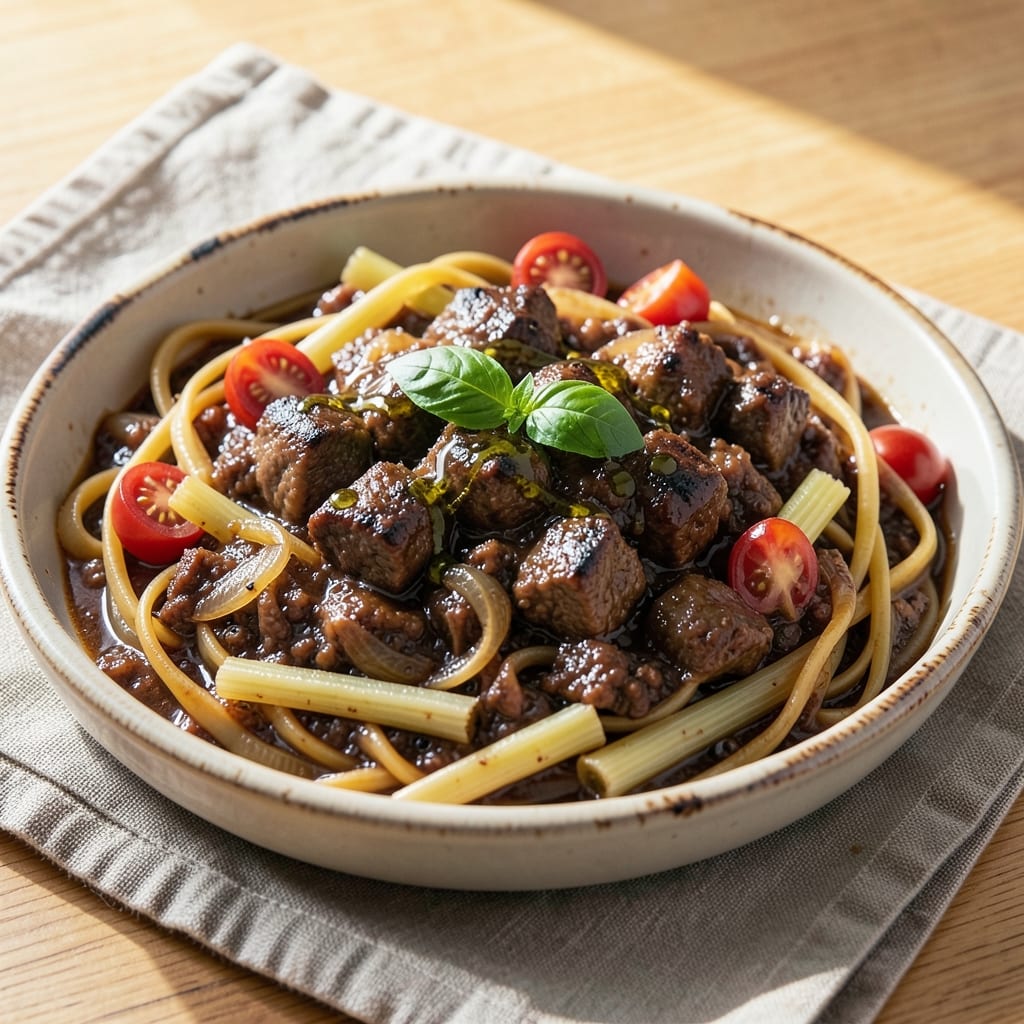
This authentic Italian beef ragu recipe transforms tough chuck roast into melt-in-your-mouth perfection through slow-simmered umami magic. The secret lies in proper browning, wine reduction, and patience—techniques that build layers of flavor over hours, not minutes. I've perfected this version after years of testing, ensuring every bite delivers the rich, complex taste of Nonna's kitchen.
The process begins with searing the meat until deeply browned, locking in flavors that dissolve into the sauce. A splash of red wine deglazes the pan, forming the foundation for a sauce that's both robust and balanced. As it simmers, the meat becomes fork-tender while absorbing the aromatic herbs and slow-cooked vegetables. This isn't just a sauce—it's a flavor journey that rewards your time with restaurant-quality results.
By the final hour, you'll have a ragu that's velvety yet substantial, with meat that falls apart at the touch of a fork. The texture is perfectly aligned: tender meat suspended in a sauce that coats every noodle or polenta bite. Serve it over fresh pasta, creamy polenta, or crusty bread to soak up every last drop of that slow-developed umami richness.
For modern cooks, I've included time-saving adjustments without sacrificing authenticity—like using a pressure cooker for the final hour—but the core technique remains true to tradition. This is comfort food at its finest: hearty, deeply satisfying, and impossible to resist.
Ingredients for authentic italian beef ragu
Pantry staples meet Italian tradition—just 16 ingredients for restaurant-quality ragu.
| Ingredient | Amount | Notes |
|---|---|---|
| Chuck Roast 🥩 | 2 lb | Pre-cubed if possible for even cooking |
| Extra-Virgin Olive Oil 🫒 | ½ cup | High-quality, fruity variety preferred |
| Red Wine 🍷 | 1 cup | Bold, dry variety like Cabernet Sauvignon |
| Carrots 🥕 | 3 whole | Medium-sized, peeled and chopped |
| Celery Stalks 🧅 | 3 whole | Fresh, trimmed and chopped |
| Yellow Onion 🧅 | 1 whole | Medium, peeled and chopped |
| Garlic Cloves 🧄 | 6 cloves | Fresh, peeled and minced |
| Canned San Marzano Tomatoes 🍅 | 28 oz | Whole, peeled tomatoes |
| Tomato Paste 🍅 | 2 tbsp | High-quality, no sugar added |
| Fresh Rosemary 🌿 | ½ tsp | Chopped, or 0.25 tsp dried |
| Fresh Thyme 🌿 | 1 tsp | Leaves only, chopped |
| Bay Leaves 🌿 | 2 whole | Fresh if possible |
| Dry Red Wine 🍷 | ½ cup | Same as used for deglazing |
| Beef Broth 💧 | 2 cups | Homemade or high-quality store-bought |
| Kosher Salt 🧂 | 1 ½ tsp | Diamond Crystal preferred |
| Freshly Ground Black Pepper 🌶️ | ½ tsp | Coarsely ground |
The chuck roast is your flavor anchor—look for well-marbled cuts at Whole Foods or your local butcher. If pre-cubed isn't available, ask for 1-1.5 inch cubes yourself. Costco often has great deals on whole roasts, but check the marbling. The wine matters too—bold, dry reds like Cabernet Sauvignon or Chianti work best. If you're unsure, Trader Joe's carries affordable Italian wines perfect for cooking. For the tomatoes, San Marzano is non-negotiable—they're sweeter and less acidic, which balances the acidity in the final sauce. If you can't find them, whole peeled tomatoes from a reputable brand are your next best option.
No red wine? Beef broth with a splash of balsamic vinegar works in a pinch, though the flavor will be slightly different. Fresh herbs are ideal, but dried thyme at one-third the amount gets you close. The tomato paste can be replaced with extra San Marzano tomatoes if you prefer a chunkier texture. For the vegetables, carrots and celery should be roughly chopped—no need for precision, just even-sized pieces so they cook at the same rate. The garlic? Freshly minced makes all the difference, but if you're short on time, garlic powder at half the amount will suffice. The beef broth can be homemade or store-bought, but avoid anything with added preservatives.
This ragu tastes even better the next day—plan ahead and make it a day in advance. Store in an airtight container in the fridge for up to 5 days, or freeze portions for 3 months. I like to portion it into two-quart containers so I can pull out exactly what I need. The sauce thickens as it sits, so if it seems too thin after reheating, simmer uncovered for 5-10 minutes to reduce. For serving, freshly cooked pasta or creamy polenta soaks up every last drop of that rich, umami sauce.
Why You'll Love This Recipe
- Slow-Simmer Magic: I swear by the 3-hour simmer—it’s where the chuck roast melts into something so tender, it practically falls apart at the touch. No fancy techniques, just patience and that deep, wine-infused richness building over time.
- Wine-Infused Depth: That splash of red wine isn’t just for flavor—it cuts through the richness and adds layers of earthy complexity. Honestly, skipping it would be like serving pasta without cheese. The carrots and celery? They soak up all that goodness and turn into sweet, caramelized bits that make every bite better.
- Leftovers That Shine: Between us, this ragu only gets better the next day. I make a double batch on Sundays, freeze half, and pull it out for lazy nights when I need something hearty without the effort. Toss it with fresh pasta or over polenta—it’s always a win.
- Budget-Friendly Luxury: Chuck roast is cheap, but it feels like a splurge when it transforms into this velvety, restaurant-worthy sauce. Extra-virgin olive oil and a bottle of wine you’d drink anyway? That’s it. No hidden costs, just pure, satisfying flavor that makes you feel like you’ve outsmarted takeout.
Step-by-step instructions for authentic Italian beef ragu
Here's how to build rich, layered flavor through precise technique and patience.
Sear the Chuck Roast for Deep Flavor
Heat a heavy Dutch oven over medium-high heat until very hot. Add the 2 lb chuck roast, cut into 1.5-inch cubes, and sear undisturbed for 3-4 minutes per side until deeply browned. This caramelization creates the foundation for your ragu's umami depth.
Work in batches if needed to avoid crowding the pan. Once browned, transfer the meat to a plate and set aside. You'll notice the meat releases easily when properly seared—this indicates the crust has formed. Don't skip this step; the flavor difference is dramatic.
Build the Aromatic Base
In the same Dutch oven, add the 0.5 cup extra-virgin olive oil and reduce heat to medium. Add the chopped 3 whole carrots, 3 whole celery stalks, and 1 whole yellow onion. Cook for 8-10 minutes until softened and beginning to caramelize.
Add the 6 cloves minced garlic, 0.5 tsp chopped fresh rosemary, 1 tsp chopped fresh thyme, and 2 whole bay leaves. Stir for 1 minute until fragrant. This aromatic base forms the flavor backbone of your ragu—don't rush this step as the vegetables need time to develop their sweetness.
Deglaze and Incorporate Tomatoes
Pour in the 1 cup red wine and scrape up all the browned bits from the bottom of the pan with a wooden spoon. This deglazing captures all the concentrated flavors you've built. Let it simmer for 3-4 minutes until reduced by half.
Add the 2 tbsp tomato paste and stir to combine completely. Pour in the 28 oz San Marzano tomatoes (crushed by hand if using whole tomatoes) and stir. The acidity from the tomatoes will help tenderize the meat as it simmers. Bring to a gentle simmer and return the seared meat to the pot.
Slow Simmer for Tender Perfection
Add the 2 cups beef broth, 0.5 cup dry red wine, 1.5 tsp kosher salt, and 0.5 tsp freshly ground black pepper. Bring to a gentle simmer, then reduce heat to low. Cover partially and simmer for 2.5-3 hours, stirring occasionally, until the meat is fork-tender.
Here's the key: you want the meat to fall apart easily when pierced with a fork. If the liquid reduces too quickly, add 1-2 tablespoons of water or broth to maintain a light sauce consistency. The slow cooking breaks down the connective tissue, creating that melt-in-your-mouth texture authentic Italian ragu is known for.
Adjust Consistency and Finish
Once the meat is tender, remove the bay leaves and adjust the seasoning if needed. For a thicker sauce, simmer uncovered for 10-15 minutes to reduce further. For a lighter consistency, add 1-2 tablespoons of water or broth.
The ragu should coat the back of a spoon with a velvety texture. Taste and adjust seasoning—this is where you can really refine the balance of salt, acid, and umami. Serve immediately over al dente pasta with grated Parmigiano-Reggiano and fresh basil for that authentic Italian touch.
Pro Tips For Making Authentic Italian Beef Ragu
- SEAR THE ROAST UNTIL DARK: Don’t just brown it—get that chuck roast to a deep, almost black crust in patches. I learned this the hard way when my first batch came out looking pale and tasting bland. Use a heavy pot, high heat, and let it sit undisturbed for 3-4 minutes per side. The crust locks in flavor and keeps the meat tender.
- SWEAT VEGETABLES LOW AND SLOW: Skip the rush—carrots and celery need 10-12 minutes over medium-low heat to soften properly. Too much heat and they’ll burn before they release their sweetness. A splash of water or wine early on helps steam them gently. This isn’t just about softness; it’s about building depth.
- DEGLAZE WITH WINE, DON’T DROWN IT: After searing the meat, pour in just enough red wine to loosen the browned bits—about ½ cup for a standard pot. Let it simmer until reduced by half before adding broth. I used to dump in the whole bottle, and the ragu turned thin and watery. Patience here makes all the difference.
- CHOP THE MEAT SMALL AFTER COOKING: Once the ragu is done, let it cool slightly, then shred the chuck roast into pea-sized pieces with two forks. Don’t skip this—large chunks stay tough no matter how long you cook them. It’s tedious, but the texture transforms from chewy to silky. My grandmother called it "the Italian way," and she was right.
Health benefits of authentic italian beef ragu
Protein Powerhouse
This beef ragu delivers high-quality protein that supports muscle repair and growth—about 60 grams per serving when using the full 2 lb chuck roast. The slow-cooking process makes the collagen in connective tissue break down into gelatin, which adds both protein and a silky texture to the sauce. It's a complete protein source, containing all nine essential amino acids your body needs. 💪
Iron for Energy
Chuck roast is rich in heme iron (the most bioavailable form), with a 2 lb serving providing around 4.5 mg—about 25% of your daily needs. This iron helps transport oxygen in your blood, reducing fatigue and supporting cognitive function. Pairing it with the vitamin C from tomatoes enhances iron absorption even further.
Heart-Healthy Fats
The extra-virgin olive oil and red wine used in this recipe contribute monounsaturated fats, which help lower bad cholesterol (LDL) while maintaining good cholesterol (HDL). The marbled fat in chuck roast also provides these beneficial fats, making this dish surprisingly heart-friendly when balanced with whole grains like pasta or polenta.
Antioxidant-Rich Vegetables
The carrots, celery, and tomatoes in this ragu are packed with antioxidants like beta-carotene, lutein, and lycopene. These compounds help combat oxidative stress and reduce inflammation. The slow cooking process actually increases the availability of lycopene from tomatoes, making this ragu particularly beneficial for long-term health.
Bone-Strengthening Minerals
This dish contains calcium, magnesium, and phosphorus from the beef and vegetables, all essential for maintaining strong bones. The beef broth adds extra minerals like potassium and zinc, which support immune function and metabolism. For even more calcium, serve with a side of Parmigiano-Reggiano or ricotta cheese.
Digestive Benefits
The soluble fiber from the slow-cooked vegetables and the gelatin from the collagen work together to support digestive health. The gelatin helps soothe the digestive tract, while the fiber promotes healthy gut bacteria. This makes ragu particularly beneficial for those with sensitive stomachs or looking to improve gut health over time. ✨
Nutrition facts
Frequently asked questions
Can I use ground beef instead of chuck roast for this ragu?
While possible, it won't be authentic. Chuck roast's connective tissue breaks down beautifully during slow cooking, creating that signature tender texture. Ground beef would make the ragu more like a meat sauce—still delicious, but with a different mouthfeel. If you're short on time, consider using stew meat instead, which has more connective tissue than ground beef.
What's the best way to make this ragu in a pressure cooker?
For a time-saving version, sear the meat and build your aromatic base as directed, then transfer everything to your pressure cooker. Add 1 cup of liquid (broth or water), seal, and cook on high pressure for 60 minutes. Quick-release the pressure, then simmer uncovered for 10-15 minutes to thicken. The texture will be slightly different but still deeply flavorful!
Why does my ragu turn out too acidic or sour?
This usually happens when the tomatoes overpower the other flavors. The key is balancing acidity with sweetness—add a pinch of sugar or a splash of balsamic vinegar at the end. For future batches, use slightly fewer tomatoes or add a small carrot or apple to naturally sweeten as it cooks. Taste as you go and adjust gradually!
What's the best pasta to serve with authentic beef ragu?
Traditionally, use pappardelle or tagliatelle—wide, flat noodles that beautifully catch the ragu's rich sauce. For a rustic touch, try orecchiette or rigatoni. Cook pasta al dente (1 minute less than package instructions) so it doesn't turn mushy when tossed with the sauce.
How can I make this ragu ahead of time?
This ragu tastes even better the next day! Let it cool completely, then store in an airtight container in the fridge for up to 5 days. For freezing, portion into quart-sized containers and freeze for up to 3 months. Thaw overnight in the fridge—never at room temperature—and reheat gently on the stove with a splash of water or broth.