
Main Courses
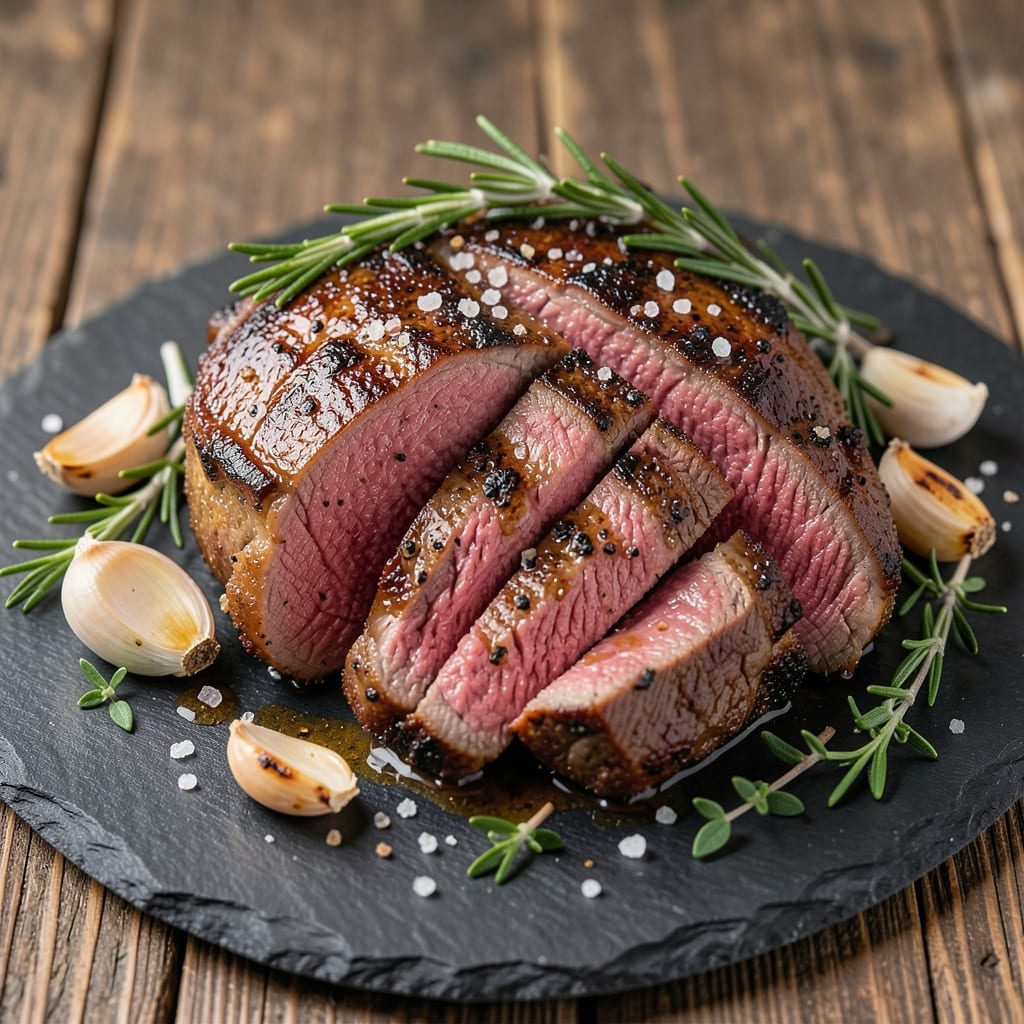
This Angus beef oven roast recipe delivers a perfect balance of crispy crust and juicy pink heart—the secret lies in dry-brining and precise temperature control. 🔥 The dry brine enhances natural flavors while tenderizing the meat, ensuring every bite is melt-in-your-mouth tender. I’ve perfected this method over years of testing, and it never fails to impress, even with the most discerning palates.
The key to success is low-and-slow roasting at 275°F until the internal temperature reaches 130–135°F for medium-rare. This gentle cooking method preserves moisture while developing deep, rich flavors. Butter-basting during the final stages adds an extra layer of richness, creating a golden, flavorful crust that seals in the juices.
What you’ll end up with is a restaurant-quality roast that’s tender enough to slice with a fork but firm enough to hold its shape. The crust is crispy and caramelized, while the inside remains succulent and perfectly pink. This dish is elegant enough for a special occasion but simple enough for a weeknight dinner.
Pair it with roasted garlic potatoes and a bold red wine reduction for a complete meal that’s sure to become a family favorite. Let’s get started on creating your perfect roast!
Ingredients for angus beef oven roast
Six ingredients transform this premium Angus beef into a showstopping oven roast with perfect crust and juicy pink center.
| Ingredient | Amount | Notes |
|---|---|---|
| Angus Beef Roast 🥩 | 4 lb | Center-cut, bone-in preferred |
| Kosher Salt 🧂 | 1 ½ tbsp | Diamond Crystal preferred |
| Freshly Ground Black Pepper 🌶️ | 1 tbsp | Cracked peppercorns preferred |
| Garlic Cloves 🧄 | 8 cloves | Smashed for dry brine |
| Fresh Rosemary 🌿 | ½ cup | Needles only, finely chopped |
| Fresh Thyme 🌿 | ¼ cup | Leaves only, stems removed |
| Unsalted Butter 🧈 | ½ cup | Cold, cubed for basting |
| Extra-Virgin Olive Oil 🫒 | 2 tbsp | For crust development |
| Red Wine 🍷 | ½ cup | Bold Cabernet Sauvignon |
| Beef Tallow or Duck Fat 🧈 | 2 tbsp | For extra crust richness |
| Yellow Onion 🧅 | 1 whole | Quartered, for pan sear |
| Fresh Parsley 🌿 | ¼ cup | Chopped, for garnish |
The Angus beef is non-negotiable here—look for center-cut roasts with good marbling at Whole Foods or specialty butchers. Costco often carries high-quality Angus at a better price, but check the cut. Bone-in roasts develop better flavor and crust, though boneless works if you prefer. The garlic, rosemary, and thyme should be fresh—Trader Joe's has great pre-bundled herb mixes if you're short on time. For the butter, Plugrá is my go-to for its high fat content, but any good European-style butter works. The tallow or duck fat adds an extra layer of richness—store-bought beef tallow is fine, or render your own from beef fat.
No kosher salt? Diamond Crystal is ideal, but any fine sea salt works at a 1:1 ratio. Running out of red wine? Substitute beef stock with a splash of balsamic vinegar—it adds depth without overpowering. Fresh herbs wilt fast? Dried thyme at one-third the amount keeps the flavor, though fresh is always better. The onion is optional but adds sweetness to the pan juices. For the fat, if you can't find tallow, extra butter or lard works in a pinch. Just remember: the crust relies on fat, so don't skimp. If you're prepping ahead, the dry brine can sit on the beef for up to 24 hours—this is where the magic happens.
This roast reheats beautifully—just warm it in the oven at 300°F for 15-20 minutes, basting with extra butter. Leftovers keep for 4-5 days in the fridge or 3 months frozen. For serving, I like to slice it against the grain and arrange on a warm platter with the pan juices. The crust will crisp up again when reheated, so don't worry if it softens slightly. Garnish with fresh parsley right before serving—it adds a pop of color and freshness. Store any extra roast in an airtight container with a layer of fat on top to keep it moist.
Why You'll Love This Recipe
- No-Fuss Prep: I swear by this—just a few slashes with a knife, a sprinkle of salt and pepper, and those garlic cloves smashed right into the meat. No fancy marinades, no last-minute stress. The rosemary ties it all together while I’m still chopping veggies for the side.
- Rich, Simple Magic: That first bite? Juicy, tender, with a crust so good you’ll want to lick the pan. The garlic and rosemary seep into the beef like a hug—no heavy sauces, just pure, satisfying flavor. Honestly, it’s the kind of dish that makes you wonder why you ever bought pre-made anything.
- Weeknight or Weekend: Between us, this roast works everywhere. Weeknight dinners when you’re too tired to think? Done. Holiday table where you want to impress? Nails it. Even my picky teenage nephew asked for seconds—(yes, even on a Tuesday night).
- Leftovers That Don’t Suck: The best part? The beef stays shockingly tender for days. Slice it thin for sandwiches, toss it into pasta, or just reheat with a splash of broth. No dry, sad meat here—just reliable, crave-worthy leftovers that actually taste better the next day.
Step-by-step instructions for dry-brined Angus beef roast
Here's how to transform a simple roast into a showstopping centerpiece with perfect crust and juicy pink perfection.
👨🍳 Step 1: Dry-Brining for Maximum Flavor and Crust
Pat the 4 lb Angus Beef Roast completely dry with paper towels—this is non-negotiable for crispy crust. I like to work in sections, making sure every nook and cranny is bone dry. Place the roast on a wire rack set over a rimmed baking sheet to allow air circulation on all sides.
In a small bowl, combine the 1.5 tbsp Kosher Salt, 1 tbsp Freshly Ground Black Pepper, 8 smashed garlic cloves, 0.5 cup finely chopped fresh rosemary, and 0.25 cup fresh thyme leaves. Rub this mixture all over the roast, pressing firmly so it adheres well. The garlic and herbs will infuse deeply during the dry-brine. Place the roast uncovered on the middle rack of your refrigerator for 24 hours—this transforms tough meat into tender perfection.
🔥 Step 2: Sear to Lock in Juices and Build Crust
Remove the roast from the fridge and let it sit at room temperature for 1 hour before cooking. Preheat your oven to 425°F. Heat a Dutch oven over medium-high heat and add 2 tbsp Extra-Virgin Olive Oil and 2 tbsp Beef Tallow or Duck Fat. Once shimmering, add the 1 whole quartered yellow onion and sear for 3 minutes until golden.
Remove the onions and add the roast to the pot, fat-side down. Let it sear undisturbed for 5 minutes until a deep golden crust forms. Flip and sear the other side for 3 minutes. The onions will caramelize beautifully in the rendered fat—don't throw them away! Return the roast and onions to the pot.
🥘 Step 3: Roast with Wine and Butter Basting
Pour the 0.5 cup Red Wine into the pot, scraping up all the browned bits from the bottom. This creates a flavorful fond that forms the base of your sauce. Add 0.5 cup cold cubed unsalted butter and transfer the pot to your preheated 425°F oven.
Roast for 20 minutes, then reduce heat to 325°F. Continue roasting for 1 hour to 1 hour 15 minutes (depending on thickness), basting with pan juices every 20 minutes. The internal temperature should reach 130°F for medium-rare—use a meat thermometer to check. The roast is done when it probes like butter and the crust is deep mahogany brown.
⏰ Step 4: Rest and Slice for Perfect Texture
Transfer the roast to a cutting board and tent loosely with foil. Let it rest for 15-20 minutes—this is where the magic happens. The juices redistribute throughout the meat, ensuring every slice is moist and flavorful. Skim excess fat from the pan juices, then strain them into a small saucepan and simmer gently to reduce by half.
Slice the roast against the grain into ½-inch thick slices. Garnish with 0.25 cup chopped fresh parsley and serve immediately with the reduced pan sauce spooned over the top. The crust should be crispy and caramelized, while the interior remains juicy and pink—exactly what you want from a perfect Angus roast.
Pro Tips For Making Angus Beef Oven Roast
- SEAR FIRST, THEN ROAST: I learned this the hard way—skipping the sear means a bland crust. Pat the roast dry, then hit it with a screaming-hot pan (cast iron, if you have it) for 3-4 minutes per side until deep brown. That crust locks in flavor and keeps the meat juicy. Yes, it takes 10 extra minutes, but your guests will notice.
- SALT LIKE IT’S 1950: More salt than you think. Start with a heavy hand—about 1 teaspoon kosher salt per pound—right after searing, then let it sit for 20 minutes before roasting. I used to half it, and the seasoning always felt weak. Trust the process, even if it seems excessive.
- DON’T SKIP THE GARLIC CRUST: After searing, smash 6-8 peeled garlic cloves directly onto the roast’s surface—yes, the flesh side down. Roast it this way for the first 20 minutes. The garlic caramelizes into a sticky, fragrant paste that clings to the meat. (Pro move: Add a sprig of rosemary here too for extra aroma.)
- REST IT LIKE YOUR LIFE DEPENDS ON IT: Pull the roast at 130°F for medium-rare (140°F for medium), then tent it loosely with foil and let it sit for a solid 20-30 minutes. I know, you’re hungry—so was I the first time I ignored this. But cutting into it too soon turns that perfect melt-in-your-mouth texture into a sad, dry mess. Patience, chef.
Make-ahead tips for angus beef oven roast
Dry-Brining Ahead
The dry-brine is where the magic happens—start this 24 hours before you plan to cook. I like to prep the brine in the evening and let the roast sit uncovered in the fridge overnight. This not only tenderizes the meat but also creates that coveted crust. Store the roast in its original packaging or a breathable container—never airtight, or it'll sweat and steam instead of drying properly. 💫
Pan Sauce Prep
Make the pan sauce ahead of time to save 10 minutes on serving day. After searing the roast, deglaze the Dutch oven with red wine and reduce it by half. Store the sauce in an airtight container in the fridge for up to 3 days. Reheat gently on the stovetop—just enough to warm through, not boil. This keeps the sauce rich and velvety, not dry or grainy.
Roast Storage
If you're prepping for a crowd, cook the roast 1-2 days ahead and store it wrapped tightly in butcher paper (not foil) at room temperature. The crust stays crisp, and the meat remains juicy. Reheat in a 300°F oven for 15-20 minutes, basting with extra butter halfway through. For longer storage, slice the roast and freeze portions in airtight containers for up to 3 months. Thaw overnight in the fridge before reheating.
Herb Garnish Prep
Chop the fresh parsley and store it in a small container with a damp paper towel to keep it vibrant. I also like to make a quick herb blend of chopped rosemary and thyme to sprinkle over the roast before serving—this adds a pop of color and freshness without overpowering the meat. Store herbs in the fridge for up to 5 days or freeze in ice cube trays for longer use.
Side Dish Prep
Roast your potatoes or vegetables the day before and store them in the fridge. Reheat them alongside the roast in the oven—this ensures everything comes to the table piping hot. For extra convenience, prep a simple salad or quick-pickled vegetables to serve alongside. These stay fresh longer and add a bright contrast to the rich roast. ✨
Timing Chart
Here’s my go-to timeline for stress-free hosting:
- 2 days ahead: Dry-brine the roast
- 1 day ahead: Prep pan sauce and store
- Morning of: Let roast sit at room temp for 1 hour
- 30 mins before serving: Sear and roast
- 15 mins before serving: Rest the roast and reduce sauce
Slice and serve with prepped sides—everything will be hot and ready at the same time. 💡
Nutrition facts
Frequently asked questions
Why is dry-brining the Angus beef important?
The 24-hour dry brine works magic by tenderizing the meat while creating that coveted crispy crust. The salt breaks down muscle proteins, allowing the beef to retain moisture during cooking. Plus, it enhances natural flavors by drawing out impurities—just don't skip the pat-dry step before searing!
How do I know when the roast is done?
Use a meat thermometer for accuracy—130°F for medium-rare is perfect for Angus beef. The roast should probe like butter and have a deep mahogany crust. If using a bone-in roast, check the thickest part away from the bone. Never rely on color alone, as overcooking can happen quickly!
Can I substitute bone-in for boneless Angus beef?
Yes, but expect slightly different results. Bone-in roasts develop richer flavor and crust from the marrow, while boneless cooks faster and may need 5-10 fewer minutes at 325°F. For boneless, consider adding 1 extra tbsp butter to compensate for lost moisture during cooking.
What's the best way to reheat leftovers?
Warm sliced roast in a 300°F oven for 15-20 minutes, basting with extra butter every 5 minutes to restore crispiness. For pan sauce, reheat gently on low heat—never boil, or it'll separate. Store leftovers in airtight containers with a layer of fat to prevent drying.
What sides pair best with this roast?
Classic choices include garlic mashed potatoes, roasted root vegetables, or creamy polenta to soak up the pan sauce. For contrast, add a bright arugula salad with lemon vinaigrette. The rich beef needs something to cut its intensity—think starchy, earthy, or acidic elements.