
Main Courses
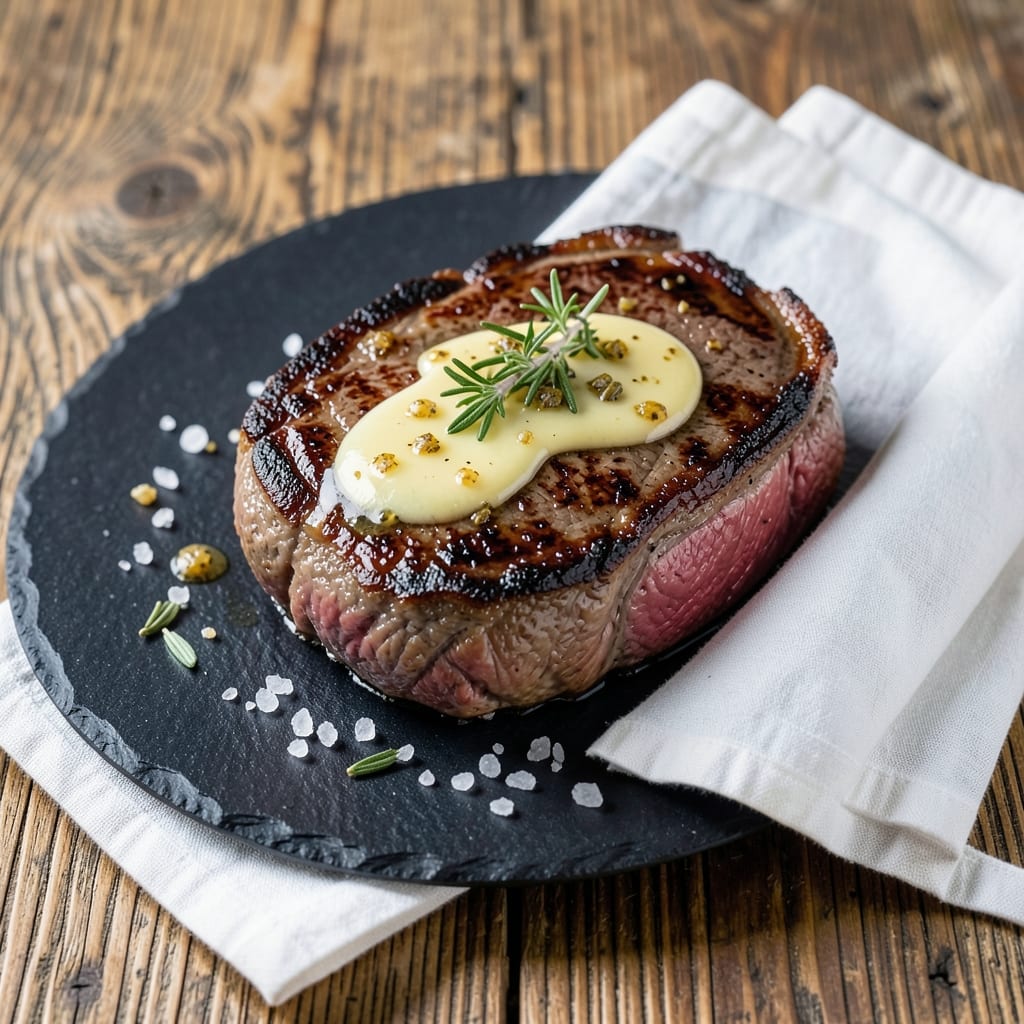
This Angus beef ribeye steak recipe delivers melt-in-your-mouth tenderness with a perfect sear—no fancy equipment needed. I’ve perfected this method after years of testing, and the butter-basting technique ensures every bite is rich, juicy, and packed with that signature marbling. The secret lies in high heat, patience, and a simple trick that keeps the steak tender while building a crust that sings with flavor.
What sets this recipe apart is the balance between tradition and simplicity. You’ll start with a hot cast-iron skillet (or grill) to create that coveted crust, then finish with a butter baste that infuses the steak with layers of richness. No need for a thermometer? No problem—I’ll show you how to judge doneness by touch and sight, so you get it right every time. The result? A steak so tender it practically falls apart, with a crust that’s crispy enough to stand up to a fork.
Pair this masterpiece with classic sides like garlic roasted potatoes or grilled asparagus, and drizzle with a quick red wine reduction for that restaurant-quality finish. The best part? This method works for medium-rare (my personal favorite) or well-done if you prefer—just adjust the time. Once you try this, store-bought steaks will never measure up again.
Ready to impress? Let’s get cooking—your taste buds (and dinner guests) will thank you. This recipe is all about confidence, so don’t overthink it. Just follow the steps, and you’ll have a steak that tastes like it came straight from a high-end butcher shop.
Ingredients for angus beef ribeye steak
Four ingredients make the magic: premium beef, rich butter, bold seasonings, and a touch of wine.
| Ingredient | Amount | Notes |
|---|---|---|
| Angus Beef Ribeye Steaks 🥩 | 1 ½ lb | Center-cut, 1-1.5 inches thick |
| Unsalted Butter 🧈 | ½ cup | Cold, cut into 4 pieces |
| Kosher Salt 🧂 | 1 ½ tsp | Diamond Crystal preferred |
| Freshly Ground Black Pepper 🌶️ | 1 tsp | Coarse grind for texture |
| Garlic Cloves 🧄 | 4 cloves | Smashed, peeled |
| Fresh Thyme Leaves 🌿 | ¼ cup | Chopped, stems removed |
| Extra-Virgin Olive Oil 🫒 | 1 tbsp | For searing |
| Red Wine 🍷 | ½ cup | Bold, dry variety |
| Beef Tallow or Vegetable Oil 🧴 | 1 tbsp | For high-heat searing |
| Fresh Rosemary Sprigs 🌿 | 2 whole | For aroma, optional |
| Balsamic Vinegar 🍷 | 1 tbsp | For deglazing |
| Heavy Cream 🥛 | ¼ cup | For basting sauce |
The beef is non-negotiable here. Angus ribeye with good marbling is your golden ticket—look for center-cut sections at Whole Foods or your local butcher shop. Thickness matters too: 1-1.5 inches ensures perfect doneness. I like to order mine 1-2 days ahead from Costco when possible—they keep it wrapped in butcher paper, which preserves the marbling beautifully. If you're buying vacuum-sealed, let it sit at room temp for 30 minutes before cooking to ensure even searing.
Butter matters just as much as the beef. Unsalted, cold, and cut into chunks—this isn't the time for softened butter. For the wine, Cabernet Sauvignon or Malbec work best, but anything bold and dry in your glass will do. Swapping the heavy cream? Full-fat coconut milk gives a similar richness. The garlic and thyme can be adjusted to taste—more thyme if you love its aroma, less if you prefer subtlety. And if you don't have fresh rosemary, dried at one-third the amount will still add that earthy depth.
Steaks should rest 10-15 minutes after cooking—this is non-negotiable for juiciness. Store leftovers in an airtight container with a thin layer of butter on top to keep them moist for 3-4 days. The basting sauce? It reheats beautifully—just warm it gently on the stove. For a crowd, double the recipe, but use a larger skillet to avoid overcrowding. And if you're grilling? The same principles apply—just swap the stovetop oil for charcoal or gas grill heat.
Why You'll Love This Recipe
- I swear by this: just salt, pepper, and butter—no fancy rubs or marinades. The ribeye’s natural richness does all the heavy lifting while the garlic butter bastes into a golden crust that’s impossible to resist.
- I’ll be real: this recipe makes me look like a pro. The buttery garlic crust and tender beef feel restaurant-worthy, but I’m the one who made it in my kitchen. Perfect for impressing someone—or just treating yourself after a long week.
Step-by-step instructions for butter-basted ribeye steak
Here's how to transform a simple ribeye into a restaurant-worthy masterpiece with melt-in-your-mouth marbling.
Season and Rest the Steaks
Remove the ribeye steaks from the refrigerator and let them sit at room temperature for 30-45 minutes. This ensures even cooking throughout. While they rest, generously season both sides with the 1.5 teaspoons kosher salt and 1 teaspoon freshly ground black pepper, pressing the seasoning into the meat so it adheres well.
I like to season about 10 minutes before cooking. This allows the salt to begin breaking down the meat fibers, which helps retain moisture during the high-heat sear. The pepper should be coarse-ground to add texture contrast to the tender meat.
Create the Butter Baste
In a small bowl, combine the ½ cup cold unsalted butter (cut into 4 pieces), ¼ cup chopped fresh thyme leaves, and 4 smashed garlic cloves. This aromatic butter will become the luxurious basting sauce that keeps your steak moist and flavorful. I like to keep this mixture cold until just before basting to maintain the butter's structure.
Add the 2 whole fresh rosemary sprigs to the butter mixture as well. The rosemary adds a piney depth that pairs beautifully with the beef's richness. Keep this butter mixture refrigerated until you're ready to baste the steaks during cooking.
Sear to Perfection
Heat a heavy skillet over medium-high heat until it's very hot. Add 1 tablespoon beef tallow or vegetable oil (this handles higher heat better than olive oil for searing). Once the oil shimmers, add the steaks and cook for 4-5 minutes per side for medium-rare, until they develop a deep golden brown crust.
Here's the thing—don't move the steaks around during the first 2 minutes of cooking. Let them develop that beautiful crust undisturbed. I press down gently on the steaks during the first minute to prevent them from curling and ensure even contact with the pan. Flip only when you see the edges start to crisp—that's your signal.
Baste and Finish
Remove the steaks from the pan and reduce the heat to medium-low. Add the cold butter mixture and let it melt completely, about 1 minute. Immediately return the steaks to the pan and spoon the melted butter mixture over them, basting both sides for 30 seconds. This basting step is what creates that signature buttery crust while keeping the interior juicy.
For the final touch, add the ½ cup red wine and 1 tablespoon balsamic vinegar to the pan. Let it simmer for 2-3 minutes until reduced by half, creating a glossy sauce. This wine reduction adds depth and a touch of acidity that cuts through the richness of the beef.
Rest and Serve
Transfer the steaks to a warm plate and let them rest for 8-10 minutes before serving. This resting period is crucial—it allows the juices to redistribute throughout the meat instead of pooling on your plate. Tent loosely with foil if you're concerned about them cooling too quickly.
Slice the steaks against the grain into ½-inch thick portions. The marbling should be visible and melt as you cut through. Serve immediately with the reduced wine sauce spooned over the top and a dollop of the ¼ cup heavy cream on the side for additional richness. Each bite should deliver perfect medium-rare doneness with that buttery, herbaceous crust we worked so hard to create.
Pro Tips For Making Angus Beef Ribeye Steak
- CRANK THE HEAT: Start with your pan screaming hot—like, blue-flame-on-the-gas kind of heat. Ribeye’s fat needs to render fast to build that crust, and lukewarm pans just make you wait. I used to rush this, and my steaks came out greasy instead of golden. Trust me, the first minute is everything. ---
- SALT THE GARLIC: Crush those garlic cloves with a pinch of kosher salt before tossing them in the butter. The salt breaks down the garlic’s fibers, so it melts into the butter instead of sinking like a rock. Also, it keeps the butter from burning while it baste—because nothing’s worse than a charred garlic bomb. ---
- SKIP THE CROWDING: Only cook one steak at a time, even if you’re feeding a crowd. Two in the pan? They’ll steam instead of sear, and your crust will turn into sad, wet skin. Use a second pan if you must—your steaks will thank you with a proper crust and juicy center. ---
- REST UNDER FOIL: After resting on a cutting board, drape the steak loosely in foil for the last 5 minutes. The residual heat keeps it warm while the crust stays intact—no more dry edges from sitting too long. (Yes, even if you’re impatient like me.)
Storing and reheating this recipe
Refrigerator Storage
Let your cooked ribeye steaks cool to room temperature for 15-20 minutes before refrigerating. Store in an airtight container with parchment paper between slices to prevent sticking. I like using glass containers from Pyrex—they keep the steaks moist for up to 4 days when stored at 40°F or below. For extra protection, add a thin layer of butter on top before sealing. 🥩
Freezer Storage
For long-term storage, wrap each steak slice tightly in plastic wrap, then place in a freezer bag with all air removed. This method preserves moisture and flavor for up to 3 months. I recommend quart-sized bags from Ziploc—they’re easy to stack and thaw quickly. Label with the date to track freshness. When ready to eat, thaw overnight in the fridge for best results. ❄️
Reheating Methods
For stovetop reheating, warm a heavy skillet over medium-low heat and add a splash of beef broth or water. Place the steak slices in the pan and cover with a lid for 5-7 minutes, basting occasionally with melted butter. This keeps them tender and juicy. Avoid high heat—it’ll dry them out. 🔥
Grill Reheating
If you prefer the grill, preheat to medium heat and place the steaks on the grates. Cover with the lid and let them reheat for 3-4 minutes per side, brushing with melted butter halfway through. This method adds a smoky flavor while keeping the texture intact. Perfect for a quick weekend brunch! 🍳
Microwave Safety
For quick reheating, use the microwave on 50% power for 20-second intervals, flipping the steak between each burst. Add a damp paper towel to retain moisture. Never exceed 60 seconds total—this keeps the meat tender without overcooking. I avoid microwaving unless absolutely necessary, but it’s a lifesaver for busy weeknights. ⏱️
Sauce Revival
The reduced wine sauce reheats beautifully—simmer it in a small saucepan over low heat for 2-3 minutes, stirring occasionally. If it thickens too much, add a splash of beef broth or water to loosen it. This sauce elevates even reheated steaks to restaurant-quality levels. Serve it alongside for that final touch of elegance. 🍷
Nutrition facts
Frequently asked questions
What's the best temperature for medium-rare ribeye?
For perfect medium-rare, aim for an internal temperature of 130-135°F. Use a meat thermometer inserted into the thickest part of the steak—it should read 130°F at the center. If you don't have a thermometer, press your finger gently on the steak: it should feel like the fleshy part of your palm (not too soft, not too firm). Pro tip: Let the steak rest 10 minutes before checking—it'll rise 5°F during resting!
Can I cook ribeye on a grill instead of a stovetop?
For grill-cooked ribeye, preheat to high heat and sear for 4-5 minutes per side for medium-rare. Use charcoal or gas for direct heat, and avoid moving the steaks until a crust forms. For indirect heat finishing, move to a cooler zone and baste with melted butter. The same resting rules apply—10 minutes is key for juiciness!
How do I fix an overcooked ribeye?
If your steak is dry, try the "reverse sear" method for leftovers: wrap slices in butter-soaked foil and bake at 275°F for 10-15 minutes. The moisture from the butter will help restore tenderness. For extra richness, serve with a red wine reduction or blue cheese butter—it'll mask the dryness beautifully.
What sides pair best with ribeye?
Classic pairings include garlic roasted potatoes, grilled asparagus, or a creamy mushroom risotto. For a lighter option, try seared green beans with lemon zest. The key is balancing richness—acidic or starchy sides cut through the beef's fat beautifully. My go-to is roasted fingerling potatoes with rosemary and thyme!
How much ribeye should I buy per person?
Plan for 8-12 ounces per person if ribeye is the main course. For example, a 1.5 lb steak serves 3-4 people with sides. If serving as part of a multi-course meal, 6-8 ounces per person is plenty. Remember: ribeye has more fat than other cuts, so portions feel more satisfying!