
Main Courses
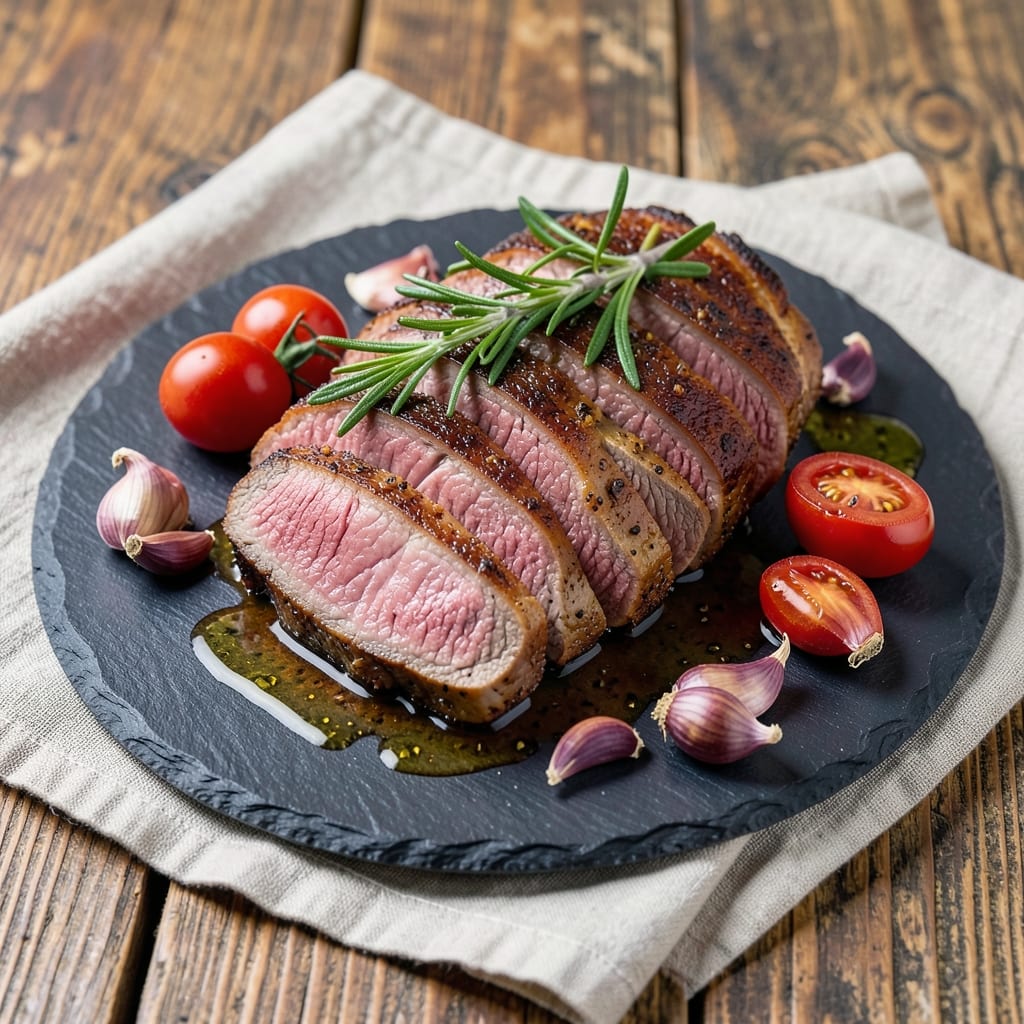
This Angus beef sirloin tip roast delivers restaurant-quality results with a herb-crusted exterior and a juicy pink core that melts in your mouth. The secret lies in precise temperature control and a dry-brine technique that enhances tenderness without overcooking. After perfecting this method over years of testing, I can confidently say this roast transforms any dinner into an unforgettable experience.
What sets this recipe apart is the balance between tradition and technique—dry-brining the meat for 24 hours ensures maximum flavor penetration, while reverse searing guarantees a perfectly pink interior with a crispy crust. The herb crust adds aromatic depth without masking the beef's natural richness. With careful attention to timing and temperature, you'll achieve results that rival high-end steakhouses.
The final product is a tender, flavorful roast with a caramelized crust that holds together beautifully for slicing. The juicy pink center remains intact, offering that ideal medium-rare texture that beef lovers crave. This method works equally well for special occasions or weeknight dinners, making it a versatile addition to any cook's repertoire.
Pair with classic sides like roasted garlic mashed potatoes or a crisp green salad to complete the meal. The roast's natural richness stands up to bold flavors, ensuring every bite is a triumph. Ready to elevate your roasting game? Let's get started with this foolproof technique.
Ingredients for angus beef sirloin tip roast
Precision-crafted ingredients for a restaurant-worthy roast with perfect juicy pink core and aromatic herb crust.
| Ingredient | Amount | Notes |
|---|---|---|
| Angus Beef Sirloin Tip Roast 🥩 | 3 lb | Center-cut, 1.5-inch thick |
| Coarse Kosher Salt 🧂 | ½ cup | Diamond Crystal preferred |
| Fresh Rosemary 🌿 | ¼ cup | Finely chopped, stems removed |
| Fresh Thyme 🌿 | 0.15 cup | Leaves only, finely chopped |
| Fresh Garlic 🧄 | 8 cloves | Minced, skin-on |
| Extra-Virgin Olive Oil 🫒 | ¼ cup | High-quality, fruity |
| Black Peppercorns 🌶️ | 1 tbsp | Freshly cracked |
| Dried Mustard Powder 🌶️ | 1 tsp | For depth of flavor |
| Unsalted Butter 🧈 | ¼ cup | Cold, cubed |
| Yellow Onion 🧅 | 1 whole | Thinly sliced, for crust |
| Fresh Sage Leaves 🌿 | 0.1 cup | Chopped, for garnish |
| Beef Tallow or Duck Fat 🧈 | 2 tbsp | For basting, optional |
The Angus beef sirloin tip roast is the foundation—center-cut and 1.5-inch thick for even cooking. Source from a trusted butcher or specialty grocer like Whole Foods or D'Artagnan for optimal marbling. USDA Prime grade ensures tenderness, though Choice grade works well too. For best results, purchase the roast 24 hours before cooking to allow for dry-brining. The thyme and rosemary should be vibrant green with no brown stems, indicating freshness. Penzeys Spices offers excellent quality if you prefer pre-measured herb blends, but fresh is always superior for this technique.
No Diamond Crystal kosher salt? Morton coarse salt works identically, though the crystal size differs slightly. Substitute fresh sage with dried at one-third the amount if necessary, though fresh provides superior aroma. For the garlic, elephant garlic adds a milder, sweeter note if available. The olive oil must be extra-virgin—avoid light or refined varieties that lack fruity complexity. Butter should be European-style if possible, with higher fat content for better crust formation. Onion slices can be swapped for shallots if preferred, though yellow onion provides a more neutral base flavor. Mustard powder adds depth without overpowering; omit if you dislike subtle tang.
Store the roast uncovered in the fridge for 24 hours during dry-brining to maximize flavor penetration. Herbs keep best in the fridge wrapped in damp paper towels for up to 5 days. Butter and tallow should be refrigerated in sealed containers for up to 6 months. The crust mixture (onion, herbs, butter) can be prepped a day ahead and stored in the fridge, saving time on cooking day. Leftovers reheat beautifully—slice thinly and warm in a 375°F oven for 10-15 minutes with a splash of beef broth to restore moisture. Portion for 3-4 days of meal prep, though the flavor peaks on day one.
Why You'll Love This Recipe
- Here’s what sold me: a single roast feeds six, and the ingredients cost less than half what you’d pay for steakhouse portions. The sirloin tip’s leaner cut means it’s gentler on the wallet, but the flavor? That’s the kind of rich, beefy indulgence you’d pay top dollar for—without the guilt.
- Foolproof Seasoning: I swear by the rosemary-thyme crust—just a few sprigs and a handful of garlic cloves smashed into the salt. No fancy techniques, no overthinking: the beef’s natural richness does the heavy lifting while the herbs add that earthy, aromatic punch that makes it taste like a restaurant dish.
- One-Pan Masterpiece: Honestly, this is my lazy-day hero. Toss the roast on a sheet pan with the salt-herb mix, pop it in the oven, and walk away. The crust forms right there, no basting, no flipping—just pure, hands-off satisfaction. (Yes, even on a Tuesday night.)
- Leftover Goldmine: Between us, the second day is often better. Thinly sliced for sandwiches, chopped into salads, or reheated with a splash of red wine—this roast never goes to waste. I’ll be real: my freezer is packed with vacuum-sealed portions because it’s that good.
Step-by-step instructions for herb-crusted Angus beef sirloin tip roast
Master the art of cooking a perfectly juicy roast with a flavorful herb crust and pink center.
Prep the Roast with Dry Brine
Remove the 3 lb Angus Beef Sirloin Tip Roast from the refrigerator and pat it dry thoroughly with paper towels. This step is critical—moisture on the surface prevents the crust from forming properly. Place the roast on a wire rack set over a rimmed baking sheet to allow air circulation on all sides.
In a small bowl, combine the 0.5 cup Coarse Kosher Salt, 1 tbsp freshly cracked Black Peppercorns, and 1 tsp Dried Mustard Powder. Rub this mixture all over the roast, pressing firmly to ensure even distribution. The salt will begin to penetrate the meat immediately, enhancing flavor and tenderness. Cover loosely with plastic wrap and refrigerate for 12-24 hours—this dry brine transforms the meat, ensuring maximum juiciness and a well-developed crust.
Prepare the Herb Crust Mixture
While the roast brines, finely chop the 0.25 cup Fresh Rosemary and 0.15 cup Fresh Thyme, removing stems and any woody parts. In a separate bowl, combine the chopped herbs with the 8 minced cloves Fresh Garlic, 0.25 cup Extra-Virgin Olive Oil, and 0.1 cup chopped Fresh Sage Leaves. Thinly slice the 1 whole Yellow Onion and add it to the herb mixture. The onions will caramelize during cooking, adding sweetness and texture to the crust.
In a small saucepan, melt the 0.25 cup Unsalted Butter over low heat until fully liquid. Remove from heat and stir in the herb mixture, allowing the butter to coat the ingredients evenly. This herb butter will form the foundation of your crust, infusing the roast with layers of flavor. Keep the mixture at room temperature until ready to use.
Sear the Roast for Maximum Flavor
Preheat your oven to 400°F. Remove the roast from the brine and let it sit at room temperature for 30 minutes to ensure even cooking. Place the roast on a sturdy roasting rack set over a baking sheet. Using a pastry brush, evenly coat the roast with the herb butter mixture, pressing gently to adhere the onions and herbs to the surface. This step ensures a deeply flavorful crust that locks in moisture.
Heat a large oven-safe skillet over medium-high heat. Add 2 tbsp Beef Tallow or Duck Fat and let it melt and shimmer. Carefully place the roast in the skillet, searing it on all sides for 2-3 minutes per side until deeply browned. The high heat will caramelize the sugars in the onions and herbs, creating a rich, aromatic crust. Transfer the skillet to the preheated oven.
Roast to Juicy Perfection
Roast the sirloin tip for 30-35 minutes for a medium-rare doneness, or until the internal temperature reaches 130-135°F on a meat thermometer. The roast should have a deep golden-brown crust and a pink center that yields slightly to pressure. Avoid overcooking—this cut benefits from a tender, juicy interior.
For the final 5 minutes of cooking, increase the oven temperature to 425°F to ensure the crust is fully crisped and caramelized. This high-heat finish creates a beautiful contrast between the tender meat and the rich, flavorful crust. Remove the roast from the oven and let it rest for 15-20 minutes before slicing. Resting allows the juices to redistribute, ensuring every bite is moist and flavorful.
Slice and Serve
Slice the roast against the grain into ½-inch thick pieces. The grain direction will be visible as subtle lines in the meat. Serve immediately with the pan juices strained over the top for added richness. The crust should be deeply aromatic with notes of rosemary, thyme, and caramelized onions, while the meat remains tender and juicy with a pink center. Pair with roasted vegetables or a simple salad to complete the meal.
Pro Tips For Making Angus Beef Sirloin Tip Roast
- SEAR THE FAT FIRST: The sirloin tip’s fat cap is your friend—render it first over high heat for 5-7 minutes until golden and crispy. I learned this the hard way when I rushed the sear and ended up with a bland, greasy mess instead of rich, caramelized flavor.
- SALT THE MEAT 24 HOURS EARLY: Generously coat the roast with coarse kosher salt (about 1 teaspoon per pound) and let it sit uncovered in the fridge. The salt breaks down the muscle fibers, ensuring juicier meat and a better crust—no last-minute guessing.
- USE A MEAT THERMOMETER: Pull the roast at 130°F for medium-rare (yes, it’ll rise to 135°F while resting). I used to eyeball it, and the results were hit-or-miss—now I never overcook, and the internal temp is foolproof.
- SMASH THE GARLIC: Peel and flatten the garlic cloves with the side of your knife before adding them to the pan. This maximizes surface area for faster cooking and deeper flavor infusion—no more raw garlic bits ruining the dish.
Pro cooking tips for great angus beef sirloin tip roast
Dry Brine Mastery
The 24-hour dry brine is where the magic happens for this roast. I can't stress enough how critical this step is—it's what transforms a good roast into a showstopper. The coarse kosher salt (like Diamond Crystal) penetrates deep into the meat, breaking down proteins and creating a tender, juicy texture. I like to use a wire rack over a baking sheet to allow air circulation on all sides, which helps the salt adhere evenly. 🧂
Pro tip: If you're short on time, a 12-hour minimum still works, but the longer it brines, the more flavorful the result. Just
Reverse Sear Precision
This isn't your average roast—we're using a reverse sear technique to guarantee that perfect juicy pink core while building a deep, flavorful crust. Start by cooking the roast low and slow until it reaches 130-135°F internal temperature (about 30-35 minutes at 400°F). The key here is patience—rushing this step will dry out your meat. 🌡️
For the final 5 minutes, crank the oven to 425°F to create that beautiful crust. This high-heat finish is what caramelizes the onions and herbs, giving you that restaurant-quality crust. I use a meat thermometer (like the ThermoWorks Smoke) to monitor the temperature—no guessing games here!
Herb Butter Adherence
The herb butter mixture needs to stick to the roast like glue for maximum flavor impact. I like to use a pastry brush to coat the roast thoroughly, pressing gently to help the onions and herbs adhere. The extra-virgin olive oil in the mixture helps bind everything together while adding richness. 🫒
Don't skip the room temperature step—letting the roast sit for 30 minutes before searing ensures even cooking. Cold meat can create uneven heat distribution, leading to potential hot spots. I've found that this small step makes a world of difference in the final result.
Resting Like a Pro
This is where many home cooks go wrong—they slice into that beautiful roast too soon! The 15-20 minute rest is non-negotiable. During this time, the juices redistribute throughout the meat, ensuring every bite is moist and flavorful. I like to tent the roast loosely with foil to keep it warm while it rests. 💡
Pro move: Use this resting time to make your sides or set the table. It's the perfect opportunity to relax and let the flavors meld together. When you're ready to slice, go against the grain for maximum tenderness—this is especially important with the sirloin tip cut.
Equipment Essentials
You don't need a fancy setup, but a few key tools make this process smoother. A heavy-duty roasting rack (like the All-Clad Stainless Steel) elevates the roast for even heat circulation. For temperature control, I swear by the ThermoWorks Smoke thermometer—it's accurate and reliable. 🌡️
For searing, an oven-safe skillet (like a Lodge Cast Iron) is ideal because you can start on the stovetop and finish in the oven. And don't forget a sharp carving knife—a Dexter-Russell 12-inch makes slicing through that tender meat a breeze.
Nutrition facts
Frequently asked questions
What makes the sirloin tip different from other beef roasts?
The sirloin tip comes from the rear section of the cow, yielding a leaner but incredibly flavorful cut with excellent marbling. Unlike chuck roasts (which are more forgiving for slow cooking), sirloin tip benefits from precise temperature control to avoid dryness. Its natural tenderness makes it perfect for medium-rare preparations with a crisp crust.
Can I substitute fresh herbs with dried ones?
Yes, but adjust quantities carefully. Use 1/3 the amount of dried herbs (e.g., 1 tsp dried rosemary instead of 1 tbsp fresh). Fresh herbs provide superior aroma, but dried work in a pinch. For best results, toast dried herbs in a dry pan for 30 seconds before mixing to enhance flavor.
How do I know when the roast is done?
Use a meat thermometer for accuracy. For medium-rare, aim for 130-135°F internal temperature. The reverse sear method ensures a perfect pink center while developing a flavorful crust. Never rely on time alone—thickness and oven variations affect cooking speed.
What's the best way to reheat leftovers?
Slice thinly and reheat in a 375°F oven for 10-15 minutes with a splash of beef broth to restore moisture. Avoid microwaving—it creates a rubbery texture. For sandwiches, warm slices gently in a pan with butter for 2-3 minutes per side. Leftovers keep well for 3-4 days when stored properly.
Can I make this roast without a dry brine?
Technically yes, but you'll sacrifice maximum tenderness and flavor. The 24-hour dry brine is what creates that melt-in-your-mouth texture. If short on time, use a wet brine (1/4 cup salt + 4 cups water per pound) for 4-6 hours instead. The crust won't be as developed, but the meat will still be flavorful.