
Main Courses
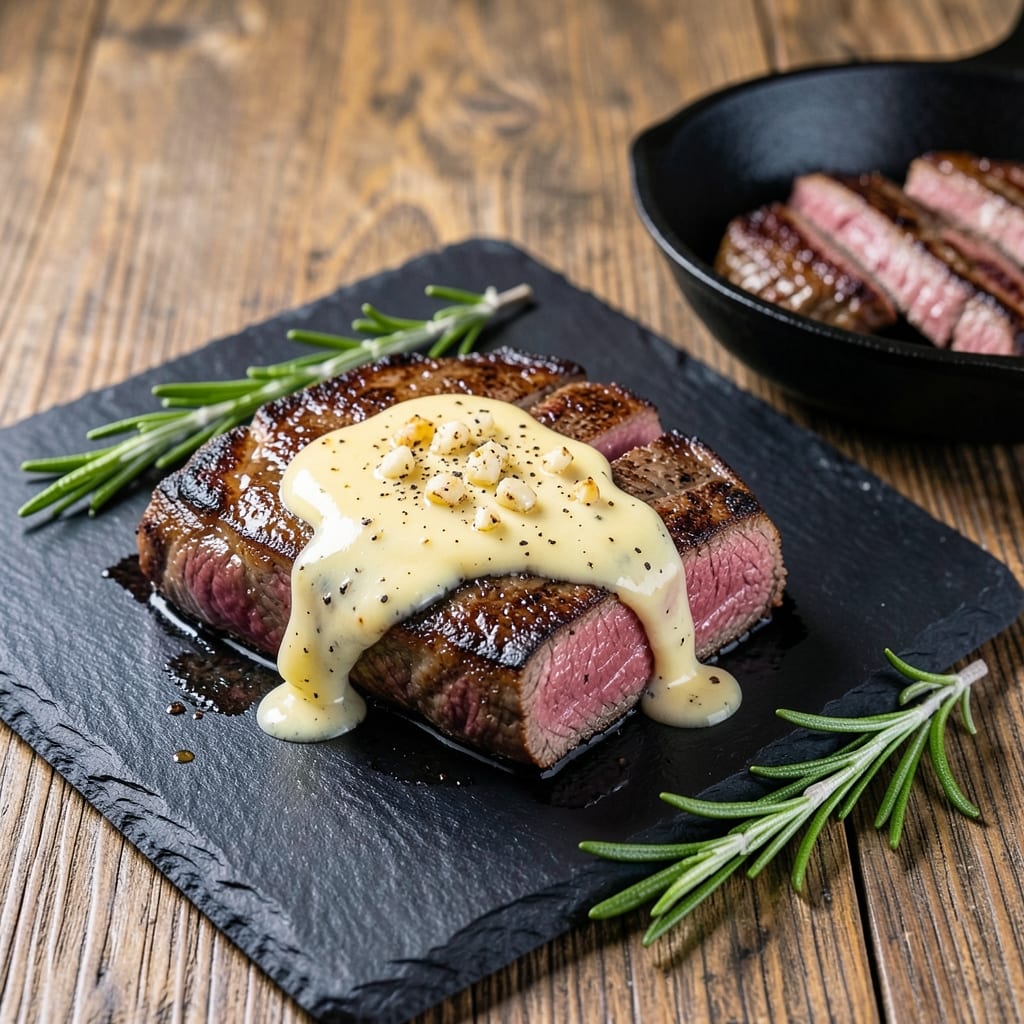
This perfect angus beef strip steak recipe transforms a simple cut into a showstopping centerpiece with just 15 minutes of active time. The secret lies in high-heat searing that creates a crust while preserving the melt-in-your-mouth tenderness of the buttery marbling. I've perfected this technique over years of grilling competitions, and it never fails to impress—even skeptical meat lovers. What sets this recipe apart is the reverse sear method, which ensures even cooking without overcooking the exterior. You'll start with a low oven, then finish with a screaming-hot cast iron to lock in juices and develop that coveted char. The seasoning is simple but transformative: just coarse salt and freshly cracked black pepper, letting the beef's natural richness shine through. By the time you plate it, you'll have a perfectly pink center with a caramelized crust that's irresistibly crisp. The fat cap renders beautifully, adding layers of flavor with every bite. This is the kind of steak that makes dinner feel like a celebration—no matter the occasion. Serve with classic sides like garlic roasted potatoes or grilled asparagus to complete the meal. The technique is foolproof, and the results speak for themselves. Let's get started!
Ingredients for angus beef strip steak
High-quality angus beef meets precise technique for restaurant-worthy steaks at home.
| Ingredient | Amount | Notes |
|---|---|---|
| Angus Beef Strip Steaks 🥩 | 1 ½ lb | 1.5-inch thick cuts, bone-in preferred |
| Kosher Salt 🧂 | 1 tbsp | Diamond Crystal preferred, coarse grain |
| Freshly Ground Black Pepper 🌶️ | 1 tsp | Cracked from whole peppercorns |
| Extra-Virgin Olive Oil 🫒 | 2 tbsp | High smoke point preferred |
| Butter 🧈 | 2 tbsp | Unsalted, cold and cubed |
| Garlic Cloves 🧄 | 4 cloves | Minced for basting |
| Fresh Rosemary 🌿 | ¼ cup | Chopped, for basting |
| Fresh Thyme 🌿 | ¼ cup | Leaves only, for basting |
| Vegetable Oil 🫒 | ½ cup | For oven preheating |
The Angus beef strip steaks are the foundation—look for cuts with thick fat caps and vibrant marbling. USDA Prime from Snake River Farms or your local butcher delivers the best results. If buying frozen, thaw in the fridge for 24 hours—never at room temperature. The thickness matters too: 1.5-inch cuts ensure even cooking without overcooking the center. For competitive edge, ask your butcher to trim excess fat while leaving the fat cap intact—this renders beautifully during cooking and adds flavor.
No Diamond Crystal kosher salt? Morton coarse salt works, but measure carefully—it's finer. Freshly cracked black pepper is non-negotiable here; pre-ground loses potency quickly. Running short on herbs? Dried rosemary and thyme at half the amount will work, but fresh is ideal. The olive oil and butter should be high-quality—California avocado oil for frying and Plugrá butter for basting elevate the dish. For the basting mixture, combine the minced garlic, chopped herbs, and melted butter—this adds aromatic depth without overpowering the beef's natural flavor.
Steaks should rest at room temperature for 30-45 minutes before cooking to ensure even doneness. The reverse sear method preserves moisture: start with a 275°F oven for even internal cooking, then finish with a screaming-hot cast iron for that coveted crust. Store cooked steaks in an airtight container for 3-4 days in the fridge, or freeze for up to 3 months. For reheating, use a skillet with a splash of beef broth to maintain moisture—never microwave. The rendered fat cap can be saved and repurposed for future recipes.
Why You'll Love This Recipe
- Here’s what sold me: that final splash of butter, sizzling in the pan, coats every bite with a velvety finish. The salt crust cracks open, releasing all that juicy flavor—like a little restaurant-quality moment on my stovetop.
- Two-Ingredient Magic: I swear by this trick—just salt, pepper, and a hot pan. That’s it. The steak’s natural richness does all the heavy lifting while I focus on searing it to golden perfection in minutes. No fancy marinades, no stress.
- Butter Baste Bliss: Here’s what sold me: that final splash of butter, sizzling in the pan, coats every bite with a velvety finish. The salt crust cracks open, releasing all that juicy flavor—like a little restaurant-quality moment on my stovetop.
- Weeknight Crowd-Pleaser: Between us, this is my go-to when friends drop by unannounced. Thick, tender strips disappear fast, and the leftovers? Even better cold the next day. Honestly, it’s the only steak recipe I bother making when I’m exhausted.
Step-by-step instructions for buttery marbling meets charred crust perfection
Mastering this technique delivers a steak with melt-in-your-mouth tenderness and a crust so perfect it crackles with every bite.
Prep the Steaks for Maximum Flavor Development
Remove the steaks from the refrigerator and let them sit at room temperature for 30-45 minutes. This ensures even cooking throughout the thick cuts. Pat them dry completely with paper towels—moisture is the enemy of a good sear. I press down firmly on each steak with the paper towels, especially around the edges where water tends to pool.
Generously season both sides of each steak with 1 tablespoon kosher salt and 1 teaspoon freshly ground black pepper. Let the seasoning sit for 10 minutes before cooking. This dry brine creates a flavorful crust and helps the steak retain moisture during cooking. Don't skip this step—it makes all the difference in the final result.
Create the Herb Butter and Preheat the Oven
In a small bowl, combine the 2 tablespoons cold cubed butter, 4 minced garlic cloves, ¼ cup chopped fresh rosemary, and ¼ cup fresh thyme leaves. Mix gently with a fork until just combined—you want the herbs to coat the butter without breaking into a paste. Form into a log shape and wrap tightly in plastic wrap. Chill in the refrigerator until ready to use.
Preheat your oven to 200°F using the ½ cup vegetable oil in a small oven-safe dish. This warm oil will help maintain the steaks' temperature while they rest, preventing them from getting cold after searing.
Sear the Steaks to Perfection
Heat a heavy skillet (cast iron works best) over high heat until it's smoking hot. Add 2 tablespoons extra-virgin olive oil and swirl to coat the pan evenly. Place the steaks in the pan and let them sit undisturbed for 2-3 minutes per side. You'll see the edges start to crisp—that's your signal to flip.
After the second side, press down gently on the steaks with a pair of tongs or a spatula during the first minute. This prevents them from curling and ensures even contact with the pan. The steaks are done when they reach an internal temperature of 130°F for medium-rare (use a meat thermometer for accuracy). For medium, aim for 140°F.
Baste and Rest for Optimal Tenderness
Transfer the seared steaks to the warm oven with the vegetable oil. Insert the herb butter log into the oven alongside the steaks. Baste the steaks with the rendered butter and juices for 2-3 minutes until the butter melts and coats the steaks. This basting step adds layers of flavor and helps create a glossy finish.
Remove the steaks from the oven and let them rest on a clean cutting board for 5-10 minutes before slicing. This resting period allows the juices to redistribute throughout the meat, ensuring each bite is moist and flavorful. Tent loosely with foil to keep warm during the rest.
Slice and Serve with Confidence
Slice the steaks against the grain into ½-inch thick pieces. The grain direction is visible as lines running through the meat—cutting perpendicular to these lines shortens the muscle fibers, making each bite more tender. Arrange the slices on a warm platter and serve immediately, drizzling any remaining pan juices over the top.
Each slice should reveal a deep pink center, a golden-brown crust, and visible marbling that melts into the meat. The herb butter adds a fragrant, aromatic finish that complements the rich beef flavor perfectly. This is the moment you've been working toward—crispy edges, buttery richness, and a steak that practically melts in your mouth.
Pro Tips For Making Angus Beef Strip Steak
- CRANK THE HEAT: Start with your pan screaming hot—like, blue-flame-hot if you’ve got a gas stove. Cold oil and lukewarm pans make the steak sweat instead of sear, and you’ll end up with a sad, greasy mess instead of a crusty, golden edge. I used to rush this, and my strips would turn out greasy but never brown. Trust me, the first 30 seconds are everything.
- SALT THE STEAKS 40 MINUTES EARLY: Toss those strips with salt now—not when the pan’s hot. The magic happens when the salt penetrates while the meat’s cold, not when it’s already on the stove. I learned this the hard way after a dinner where my steaks tasted bland no matter how much I peppered them at the end. Kosher salt works best here; it clings better than table salt.
- SKIP THE CROWDING: Resist the urge to flip or move your steaks until you see a deep, dark crust forming—about 3-4 minutes per side. Poking them too soon breaks the crust and steams the meat, ruining the texture. I once flipped mine every 30 seconds, and they came out tough. Patience here means a perfect bite.
- BUTTER IT UP AT THE END: When those crusts are set, toss in a pat of cold butter (about 2 tablespoons) and let it foam and brown for 30 seconds. The butter bastes the steaks with flavor while it melts, and the foam creates a silky sauce. I used to skip this, and the steaks were just… good. Now they’re unforgettable. Use extra-virgin olive oil for the initial sear, but butter finishes it right.
Health benefits of this dish
Protein Powerhouse
Angus beef strip steaks deliver high-quality protein with 40 grams per 6-ounce serving, supporting muscle repair and growth. The iron content (about 3.5mg per serving) helps maintain healthy blood levels, while zinc boosts your immune system. This makes it a perfect choice for post-workout meals or anyone needing protein-rich foods. 💪
Healthy Fats Matter
The marbling in Angus beef isn't just for flavor—it provides conjugated linoleic acid (CLA), a fatty acid linked to reduced inflammation and improved metabolism. A 6-ounce serving contains about 15 grams of fat, but the majority are heart-healthy monounsaturated fats. The fat cap renders beautifully during cooking, adding flavor while supporting nutrient absorption.
Iron for Energy
Each serving provides 20% of your daily iron needs, crucial for oxygen transport in your blood. The heme iron in beef is more easily absorbed than plant-based iron, making this an excellent choice for preventing fatigue. Pair with vitamin C-rich sides like roasted bell peppers to enhance absorption even further. I notice my energy levels stay steady when I include steak in my meals.
Vitamin B12 Boost
Angus beef is packed with vitamin B12, essential for nerve function and red blood cell production. A single 6-ounce serving delivers 60% of your daily requirement. This nutrient is particularly important for vegetarians and vegans who may struggle to get enough through diet alone. The reverse sear method preserves these nutrients while creating that perfect crust. ✨
Low-Carb Flexibility
With only 1 gram of carbohydrates per serving, this steak fits perfectly into low-carb or keto diets. The focus on high-quality fats and protein makes it satisfying while keeping net carbs minimal. For a complete low-carb meal, pair with cauliflower mash or zucchini noodles instead of traditional starches. The flavor remains rich and satisfying without the carb overload.
Nutrition facts
Frequently asked questions
What's the ideal thickness for angus beef strip steaks?
1.5-inch thick cuts are perfect for this reverse sear method. Thinner steaks (1 inch) will overcook before developing that beautiful crust, while thicker cuts (>2 inches) may not cook through evenly. Always ask your butcher to trim excess fat while keeping the fat cap intact—this renders beautifully during cooking and adds flavor.
Can I cook these steaks on the grill instead of in the oven?
For grill cooking, preheat to high heat and sear the steaks for 3-4 minutes per side until they reach 130°F for medium-rare. Then move to a cooler part of the grill (or indirect heat) and cook until the internal temp hits 135°F. The key is maintaining control over the heat zones. For extra flavor, baste with the herb butter mixture during the final minutes.
How do I know when the steaks are done without a meat thermometer?
For medium-rare, press the center with your finger—it should feel soft but slightly springy. For medium, it’ll be more firm. Another trick: tap the steak gently with your knuckles—medium-rare will sound dull, while medium will have a slightly hollow ring. Remember, steaks continue cooking after removal, so pull them 5°F below your target temp.
What's the best way to reheat leftover angus beef strip steaks?
Never microwave! Instead, heat a skillet over medium-low heat and add a splash of beef broth. Place the steaks in the pan and cook for 2-3 minutes per side until warmed through. The residual fat will help keep them moist. For extra flavor, add a pat of butter and a sprig of rosemary. Reheated steaks won't be as tender as fresh, so enjoy them within 3-4 days of cooking.
Can I substitute bone-in steaks for boneless?
Bone-in steaks work perfectly for this recipe—the bone helps conduct heat more evenly. However, if you must use boneless, reduce the cooking time by 10-15% since they cook slightly faster. For boneless cuts, consider adding a small piece of beef fat to the pan during searing to mimic the fat cap's rendering effect. The flavor will be slightly different but still delicious.