
Main Courses
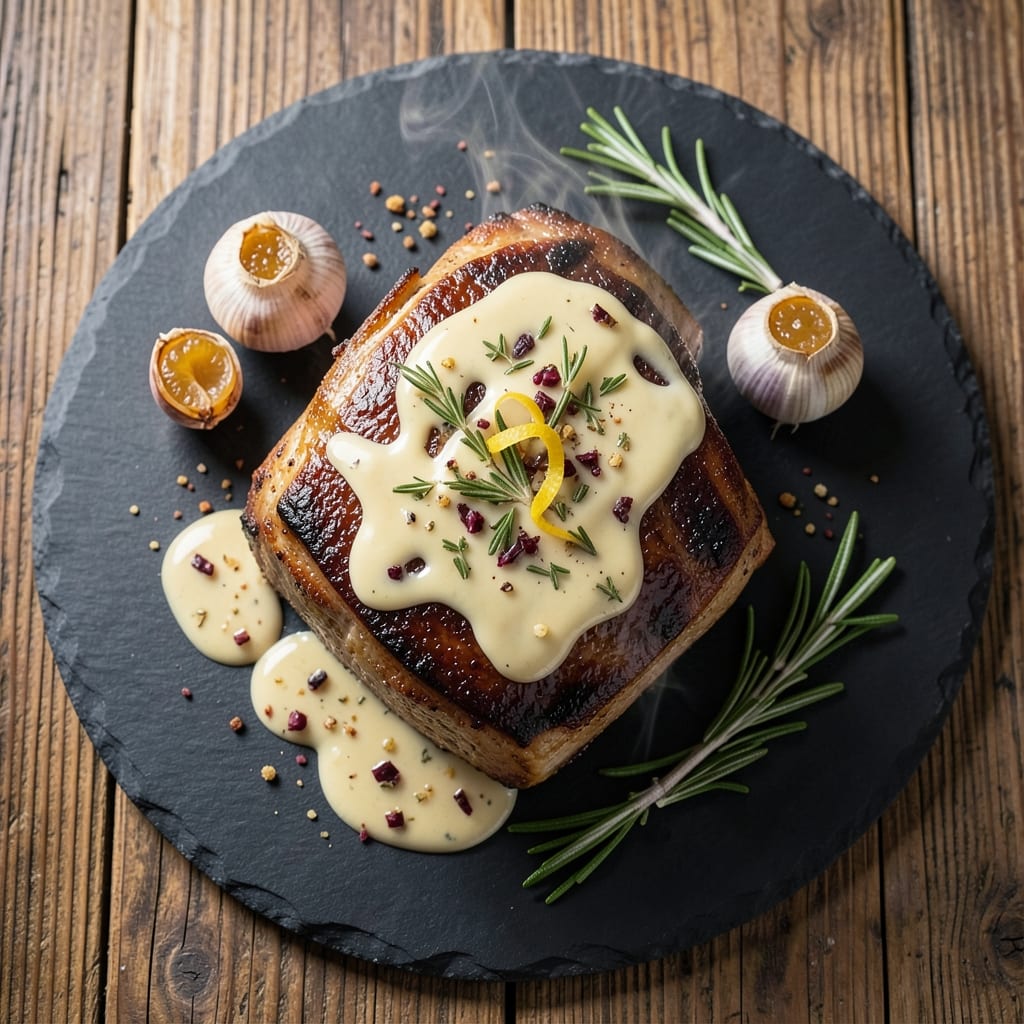
This Angus beef tenderloin roast delivers melt-in-your-mouth tenderness with a golden crust, all while keeping prep and cooking worry-free. The secret lies in precise seasoning and a butter-basting technique that locks in juices, ensuring every slice is restaurant-quality without the fuss. I’ve perfected this method over years of holiday feasts, where it’s become the centerpiece that impresses even skeptical guests.
What makes this recipe stand out is the balance of simplicity and technique—no complicated steps, just a few key moves that guarantee success. You’ll start with a dry brine overnight (trust me, it’s non-negotiable for flavor), then roast the tenderloin to medium-rare perfection using a meat thermometer for foolproof results. The butter basting every 15 minutes adds richness and a caramelized finish that’s impossible to resist.
By the time you carve into this roast, you’ll uncover juicy, pink centers with a crust so tender it practically melts. The aroma alone will have everyone gathering around the table, and the presentation—glazed with herbed butter and served with roasted vegetables—makes it look like you spent hours in the kitchen. This is the kind of dish that turns a weeknight dinner into a memorable feast.
Pair it with a bold red wine reduction or a crisp white wine sauce to elevate the experience further. The leftovers reheat beautifully, making this recipe equally perfect for meal prep or last-minute entertaining. Let’s get started on creating your most impressive roast yet.
Ingredients for angus beef tenderloin roast
Six ingredients make this restaurant-worthy roast. Focus on quality beef and perfect seasoning for melt-in-your-mouth perfection.
| Ingredient | Amount | Notes |
|---|---|---|
| Angus Beef Tenderloin 🥩 | 4 lb | Center-cut, trimmed of silver skin |
| Kosher Salt 🧂 | 1 ½ tbsp | Diamond Crystal preferred for precise measurement |
| Freshly Ground Black Pepper 🌶️ | 1 tbsp | Cracked peppercorns for maximum aroma |
| Unsalted Butter 🧈 | ½ cup | Cold, cut into 1-inch cubes |
| Fresh Rosemary 🌿 | ¼ cup | Finely chopped, stems removed |
| Fresh Thyme 🌿 | ¼ cup | Leaves only, stems discarded |
| Garlic Cloves 🧄 | 6 cloves | Minced into fine paste |
| Extra-Virgin Olive Oil 🫒 | 2 tbsp | For basting and finishing |
| Red Wine 🍷 | ½ cup | Cabernet Sauvignon, dry variety |
| Fresh Parsley 🌿 | ⅛ cup | Chopped, for garnish |
| Beef Tallow or Duck Fat 🧈 | 2 tbsp | For extra-rich basting (optional) |
| Yellow Mustard 🍯 | 1 tbsp | For basting brush |
The Angus beef tenderloin is the star—center-cut, trimmed of silver skin—and worth every penny for its tenderness. I always source mine from Snake River Farms or my local butcher shop, where they can guarantee the cut. Look for bright red color and good marbling; if it smells metallic or has grayish spots, walk away. The 4-pound size is ideal for 6 servings, but adjust if you're feeding more or fewer guests. For the dry brine, use Diamond Crystal kosher salt—it's coarser and dissolves better than table salt, giving you that perfect crust without over-salting the interior.
No fresh rosemary? Dried works at half the amount, but trust me, fresh has that piney aroma that's non-negotiable for this dish. Short on butter? Use duck fat or beef tallow—it adds incredible richness, especially if you're making this for a crowd. The red wine can be swapped for beef stock if you're avoiding alcohol, but the acidity helps tenderize the meat. For the garlic, I always use a microplane to get it into a fine paste—no chopping required. And if you're worried about the roast drying out, the mustard-basted butter creates a protective seal that keeps it juicy. Pro tip: let the meat sit at room temperature for 30 minutes before roasting for even cooking.
This roast reheats beautifully—best served at room temperature after resting for 15 minutes. Store leftovers in the fridge for up to 4 days, tightly wrapped in butcher paper to retain moisture. For longer storage, freeze for 3 months in a vacuum-sealed bag. The basting butter? Keep it cold in the fridge until ready to use, and if you have extra, it makes an amazing compound butter for toast or steak. The herbs lose potency after 3 days, so use them fresh or freeze them in ice cube trays with olive oil for later use.
Why You'll Love This Recipe
- Minimal Prep Magic: I swear by this—just season, sear, and let the oven do the work. No fancy trimming, no butterflying, just a quick brush of salt, pepper, and rosemary sprigs before it hits the pan.
- Butter-Basted Bliss: That moment when the butter pools on the hot roast and bastes itself? Pure satisfaction. The rosemary infuses into the melted butter, turning every bite into a rich, herby, melt-in-your-mouth experience.
- Weeknight Hero: Between us, this is my go-to when I need something impressive but low-stress. Slice it for sandwiches, serve it with roasted potatoes, or toss it into grain bowls—it’s the star no matter what.
- Leftovers That Win: Honestly, the best part? The next-day slices. The meat gets even more tender, and I love wrapping them in toasted sourdough for lunch. (Yes, even on a Tuesday.)
Step-by-step instructions for Angus beef tenderloin roast
Here's how to transform your 4 lb Angus tenderloin into melt-in-your-mouth perfection.
Prepare the Herb Butter and Season the Meat
In a mixing bowl, combine the ½ cup unsalted butter with the ¼ cup fresh rosemary, ¼ cup fresh thyme, 6 cloves minced garlic, 1 tablespoon yellow mustard, 1 tablespoon kosher salt, and 1 tablespoon freshly ground black pepper. Mix until fully incorporated, creating a fragrant herb butter compound. This aromatic blend will infuse every bite with rich flavor.
Pat the 4 lb Angus beef tenderloin dry with paper towels, removing any surface moisture. This crucial step ensures a perfect sear and prevents steam from interfering with the crust formation. Season the meat generously with additional salt and pepper, pressing it into the surface so it adheres evenly. Let the seasoned tenderloin sit at room temperature for 30 minutes before roasting to ensure even cooking.
Sear the Tenderloin for Maximum Flavor
Preheat your oven to 400°F and place an oven-safe roasting pan on the middle rack. Heat 2 tablespoons extra-virgin olive oil in a heavy skillet over medium-high heat until shimmering. Add the beef tenderloin and sear on all sides for 2-3 minutes per side until developing a deep golden-brown crust. This initial searing locks in juices and creates the foundation for your flavorful crust.
While the meat sears, prepare your basting brush by mixing 2 tablespoons beef tallow or duck fat with 2 tablespoons extra-virgin olive oil in a small bowl. This rich fat mixture will create an irresistible crust as it bastes. Once seared, transfer the tenderloin to the preheated roasting pan, placing it on a rack to allow air circulation on all sides.
Roast and Baste for Perfect Doneness
Transfer the roasting pan to the preheated oven and roast for 20 minutes at 400°F. After this initial roasting period, reduce the oven temperature to 325°F and continue cooking. Every 15 minutes, use your basting brush to generously coat the tenderloin with the fat mixture. This basting technique creates a beautiful crust while keeping the meat moist and flavorful.
For a perfect medium-rare finish, roast until the internal temperature reaches 125°F (measured with a meat thermometer in the thickest part). This typically takes an additional 20-25 minutes of cooking time, depending on your oven. The total roasting time should be approximately 45-50 minutes from start to finish. Remove the tenderloin from the oven when it reaches the desired temperature and tent loosely with aluminum foil.
Rest and Slice for Maximum Juiciness
Allow the tenderloin to rest for 15-20 minutes before slicing. This resting period is crucial as it allows the juices to redistribute throughout the meat, ensuring each slice is succulent and flavorful. During this time, you can prepare your red wine reduction by simmering the ½ cup red wine in the roasting pan over medium heat for 3-4 minutes until reduced by half. This rich reduction makes an excellent sauce for serving.
Once rested, slice the tenderloin against the grain into ½-inch thick slices. Arrange the slices on a warm platter and drizzle with the red wine reduction. Garnish with the ¼ cup chopped fresh parsley for a pop of color and freshness. Serve immediately with your favorite sides to enjoy this restaurant-quality beef tenderloin at home.
Pro Tips For Making Angus Beef Tenderloin Roast
- USE A MEAT THERMOMETER: I learned this the hard way—Angus tenderloin looks done long before it actually is. Aim for 125°F internal temp for medium-rare (yes, even though it’ll rise to 130°F while resting). No guessing, no dry meat.
- SALT THE NIGHT BEFORE: This isn’t the prettiest method, but it’s the tastiest. Generously coat the tenderloin in kosher salt and let it sit uncovered in the fridge for 12–24 hours—it seasons deeper and forms that perfect crust without over-salting. (Your future self will thank you.)
- DON’T OVERCROWD THE PAN: I used to sear tenderloin in a crowded skillet, and the butter would pool instead of brown. Use a large, heavy pan—cast iron if you have it—and give the meat space. A single sear side should take 3–4 minutes without moving it.
- REST IT UNDER FOIL: This isn’t just resting—it’s trapping heat. After roasting, tent the tenderloin loosely with foil and let it sit for 10–15 minutes (not 5). The butter inside will melt evenly, keeping the center juicy while the outside stays crisp. (Yes, even if you’re impatient like me.)
Best sauces and condiments for angus beef tenderloin roast
Red Wine Reduction
Simmer ½ cup dry Cabernet Sauvignon in the roasting pan over medium heat for 3-4 minutes until reduced by half. The alcohol burns off, leaving behind a rich, velvety sauce with deep fruit flavors that complement the beef beautifully. For extra depth, add 1 teaspoon balsamic vinegar at the end. This sauce is perfect for drizzling over each slice or serving on the side. 🍷
Herb Butter Glaze
Use the leftover herb butter from your basting to create a luxurious glaze. After resting the roast, warm the butter in a small saucepan over low heat until melted, then whisk in 1 tablespoon honey and 1 teaspoon Dijon mustard for a touch of sweetness and tang. Spread this glaze over the sliced roast just before serving for a restaurant-worthy finish. 🧈
Garlic-Herb Compound Butter
Spread softened herb butter on warm crusty bread or roasted potatoes for a flavorful side. The rosemary, thyme, and garlic infuse the bread with the same aromatic notes as the roast. For extra richness, mix in 1 tablespoon minced shallots before spreading. This is my go-to side for soaking up any extra juices from the roast. 🥖
Red Pepper Aioli
Blend ½ cup mayonnaise, 1 roasted red pepper, 1 clove garlic, and 1 teaspoon lemon juice for a vibrant dip. The smoky-sweet flavor pairs perfectly with the tender beef, adding a creamy contrast. Serve in a small bowl alongside the roast for guests to dip their slices. 🌶️
Caramelized Onion Jam
Slow-cook 2 cups thinly sliced onions in 1 tablespoon butter over low heat for 45-60 minutes until deeply caramelized. Stir in 1 tablespoon balsamic vinegar and 1 teaspoon brown sugar at the end. This jam adds sweetness and texture when spooned over the roast slices. 🍯
Crispy Shallot Topping
Sauté ½ cup thinly sliced shallots in 2 tablespoons butter over medium-high heat for 5-7 minutes until golden and crispy. Sprinkle these over the roast just before serving for a delightful crunch. The shallots add a subtle onion flavor without overpowering the beef. 🧅
Nutrition facts
Frequently asked questions
How do I know when my Angus beef tenderloin is fully rested?
The roast is properly rested when it reaches room temperature (about 15-20 minutes after removing from the oven). Test by touching the exterior—it should feel warm but not hot. This resting time is critical for juices to redistribute, preventing dry slices when you carve.
Can I substitute beef tallow for butter in the basting?
Beef tallow or duck fat adds incredible richness and works beautifully for basting. Use it 1:1 with olive oil (like the recipe suggests) for a deeper, more luxurious flavor. The higher smoke point also helps create that perfect crust.
What's the best way to reheat leftover tenderloin?
Slice the roast first, then reheat in a skillet with 1 tablespoon butter over medium-low heat for 2-3 minutes per side. Never microwave—it makes the meat tough. For larger portions, warm in a 200°F oven for 10-15 minutes covered with foil.
How much tenderloin should I buy for 8 people?
Aim for 6-7 pounds for 8 servings—this accounts for bone-in pieces and generous slices. The 4-pound recipe serves 6 comfortably, but if you're feeding a crowd, consider buying an extra pound. Remember, bone-in cuts yield more meat than boneless.
Why did my roast turn out dry?
Overcooking is the #1 cause—always use a meat thermometer and remove at 125°F for medium-rare. Another common mistake is skipping the rest time or cutting too soon. For extra insurance, baste more frequently (every 10 minutes) and use the full ½ cup butter in the herb compound.