
Soups & Stews
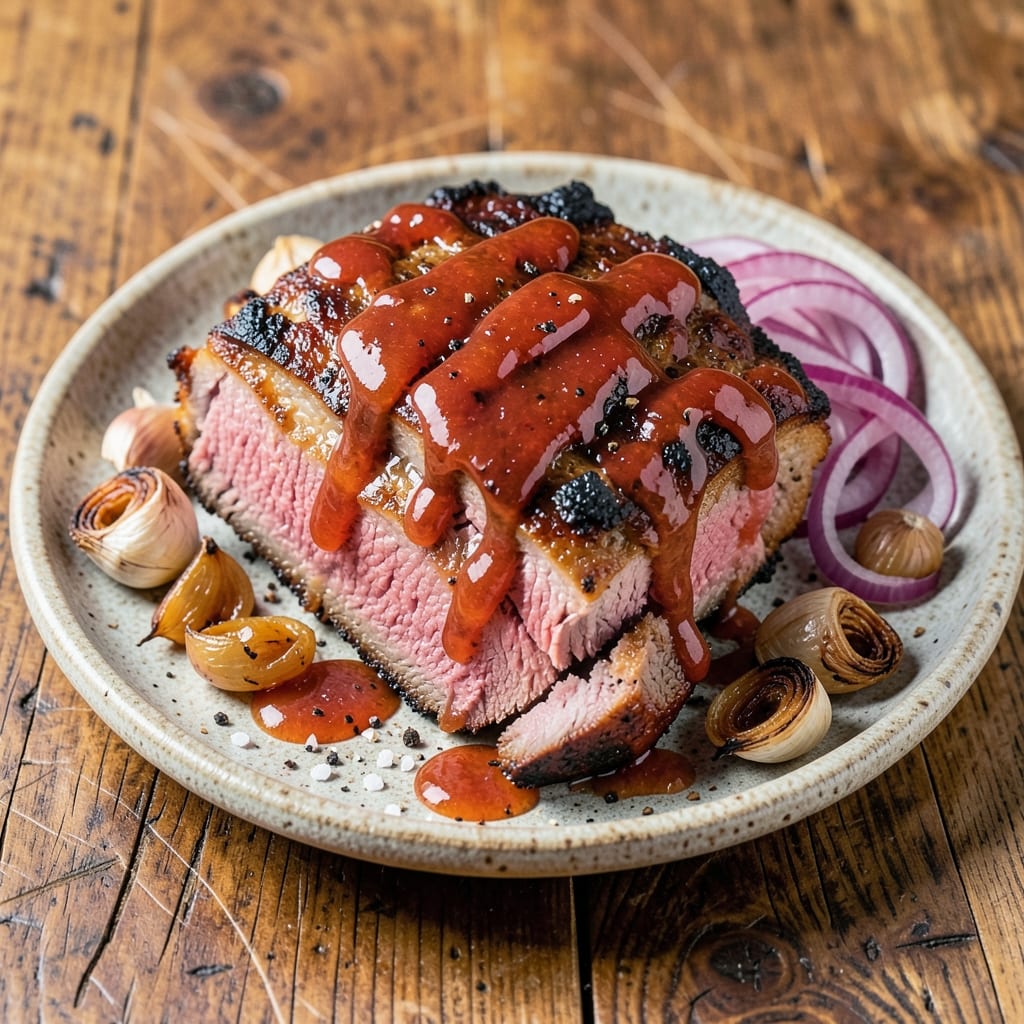
This apricot glazed corned beef recipe transforms a traditional holiday centerpiece into a sweet-tart masterpiece that's easier than you think. The key lies in a rich apricot reduction that caramelizes beautifully during the final hours of cooking, creating a glossy glaze with just the right balance of fruitiness and tang. I've perfected this stovetop method over years of testing—no slow cooker required—so you get all the tenderness and depth without the wait.
The process begins with a proper brine to ensure your corned beef stays juicy, then simmers gently until fork-tender before the magic happens: reducing apricot jam with vinegar and spices to create that signature glaze. What makes this version special is how the apricot's natural sweetness cuts through the saltiness of the beef, while the vinegar adds just enough acidity to keep it from being cloying. The result? A dish that's impressive enough for company but simple enough for a weeknight dinner.
By the time you're ready to serve, you'll have perfectly tender corned beef with a glossy, caramelized apricot glaze that clings beautifully to each slice. The aroma alone will have everyone gathering at the table, and the first bite delivers that perfect harmony of salty, sweet, and tangy flavors. This isn't just corned beef—it's a showstopper that transforms a classic into something extraordinary with minimal extra effort.
Pair it with classic sides like creamy mashed potatoes or roasted root vegetables to complete the meal. The glaze works especially well when drizzled over slices, creating an elegant presentation that's just as delicious as it looks. Let's get started—your taste buds will thank you.
Ingredients for apricot glazed corned beef
Sweet-tart glaze meets tender beef—just six ingredients transform corned beef into showstopping centerpiece.
| Ingredient | Amount | Notes |
|---|---|---|
| Corned Beef Brisket 🥩 | 4 lb | Pre-brined, 3-4 lbs preferred |
| Apricot Jam 🍑 | 1 cup | High-quality, unsweetened preferred |
| Red Wine Vinegar 🍷 | ½ cup | Bold, dry variety for tang |
| Brown Sugar 🍚 | ½ cup | Light or dark, packed |
| Garlic Cloves 🧄 | 4 cloves | Minced for depth of flavor |
| Onion 🧅 | 1 whole | Yellow, diced for base |
| Beef Broth 💧 | 2 cups | Low-sodium preferred |
| Bay Leaves 🌿 | 2 whole | Fresh if available |
| Black Peppercorns 🌶️ | 10 whole | Crushed for heat |
| Salt 🧂 | 2 tbsp | Kosher or sea salt |
| Fresh Thyme 🌿 | ¼ cup | Leaves only, chopped |
| Olive Oil 🫒 | 2 tbsp | Extra-virgin for richness |
| Honey 🍯 | 1 tbsp | Optional for extra sweetness |
The corned beef is your foundation, so pick a quality brisket—look for one that's already brined and labeled for cooking. Costco or Whole Foods often have excellent pre-brined options, but check the label for sodium content if you're watching that. For the apricot jam, Mott's unsweetened is my go-to because it's less cloying, but any good-quality jam will work. The vinegar is crucial for that tangy balance—Bragg's red wine vinegar has just the right depth, but any dry red wine vinegar will do. Fresh thyme makes a difference here, but dried works in a pinch at half the amount. If you're using dried, toast it lightly in a dry pan first to wake up the flavors.
No red wine vinegar? Apple cider vinegar works, though it'll have a slightly different profile. The honey is optional, but if you're serving to kids or want extra sweetness, it's worth adding. For the garlic and onion, Trader Joe's frozen diced onion saves time and works perfectly. If you're making this ahead, prep the glaze ingredients (jam, vinegar, sugar, garlic, onion) in a jar and store in the fridge for up to 3 days—just reheat gently before adding to the beef. The brown sugar can be swapped for maple syrup if you prefer, but it won't caramelize as beautifully.
The glaze keeps well in the fridge for 5 days once made, so double the recipe if you're feeding a crowd. Store it in an airtight container with a thin layer of olive oil on top to preserve freshness. The cooked corned beef reheats beautifully—just warm it gently with a splash of beef broth to keep it moist. For serving, slice against the grain for tender bites, then drizzle generously with the glaze. The leftovers make incredible sandwiches the next day—just pile on rye bread with mustard and a sprinkle of fresh thyme.
Why You'll Love This Recipe
- Sweet-Savory Magic: That jam-and-vinegar glaze? It’s the kind of flavor that turns a simple brisket into something ridiculously good. The apricot jam cuts through the saltiness while the garlic and brown sugar add this deep, caramelized richness—like a hug in a pan.
- One-Pan Wonder: Honestly, I’m obsessed with how little this needs. Toss the brisket in a skillet, dump in the jam, vinegar, and spices, and let it bubble away. No chopping, no fuss—just 20 minutes of hands-off simmering while you stir in that sweet-tangy glaze at the end.
- Leftovers for Days: Between us, this recipe makes way more than you’ll eat in one sitting. The glaze keeps beautifully, so you can reheat slices for sandwiches, toss chunks into salads, or even pile it onto toast with a fried egg. (Yes, even on a Tuesday night.)
- Budget Stretch: A whole brisket for a fraction of the cost of steak? That’s the deal here. The apricot jam adds luxury without breaking the bank, and the vinegar and sugar are pantry staples. It’s my go-to for feeding a crowd without stressing over grocery bills.
Step-by-step instructions for apricot glazed corned beef
Transform your corned beef into a sweet-tart masterpiece with this stovetop shortcut.
Sear the Corned Beef for Rich Flavor
Heat a large Dutch oven over medium-high heat and add the 2 tablespoons olive oil. Once shimmering, place the 4 lb corned beef brisket fat-side down and sear for 5-6 minutes until the fat begins to crisp and turn golden. This step creates a flavorful crust while rendering fat that will later enrich the glaze.
Flip the brisket and sear the other side for another 4-5 minutes. Here's the thing—don't rush this step. You're building flavor foundation. If the pan starts smoking excessively, reduce heat slightly to prevent burning. After searing, remove the brisket and set it aside on a plate.
Build the Sweet-Tart Glaze Base
In the same Dutch oven, add the 1 whole onion and 4 cloves garlic cloves (minced). Sauté for 3-4 minutes until softened and fragrant. The onion should turn translucent, and the garlic should release its aromatic oils without browning.
Pour in the 0.5 cup red wine vinegar and 2 cups beef broth, scraping up any browned bits from the bottom of the pan. These bits are packed with flavor—don't miss them. Add the 2 whole bay leaves and 10 whole black peppercorns (crushed between your palm and a cutting board for maximum aroma). Bring to a gentle simmer for 5 minutes to let the flavors meld.
Simmer the Corned Beef
Return the seared brisket to the pot, fat-side up. Add the 1 cup apricot jam, 0.5 cup brown sugar, 0.25 cup fresh thyme, and 2 tablespoons salt. Stir gently to combine, ensuring the jam dissolves into the liquid. The mixture should coat the brisket completely.
Add 1 tablespoon honey (if using) and bring to a gentle boil. Once boiling, reduce heat to low and cover partially. Simmer for 2.5 to 3 hours, turning the brisket occasionally and adding ½ cup water every 30 minutes to maintain liquid level. The brisket is done when tender enough to pierce easily with a fork and the internal temperature reaches 205°F.
Reduce the Glaze to Perfection
Once the brisket is tender, carefully remove it from the pot and transfer to a cutting board. Tent loosely with foil to keep warm. Increase the heat to medium-high and simmer the remaining liquid uncovered for 10-15 minutes, stirring occasionally, until it reduces to a thick, glossy glaze that coats the back of a spoon.
Taste and adjust seasoning with additional salt or vinegar if needed. The glaze should balance sweet and tart flavors with just a hint of spice from the peppercorns. For extra richness, you can whisk in 1 tablespoon butter at the end, but it's not necessary.
Slice and Serve
Slice the corned beef against the grain into ¼-inch thick slices. Spoon the reduced glaze over the top and serve immediately. The brisket should be fork-tender with a beautiful mahogany crust, and each slice should be generously coated in that sweet-tart glaze.
This dish pairs beautifully with classic sides like horseradish cream, sauerkraut, and buttered potatoes. The apricot glaze adds a sophisticated touch that elevates this comfort food to restaurant-quality status. Leftovers keep well in the refrigerator for up to 4 days, and the glaze actually improves overnight as the flavors continue to meld.
Pro Tips For Making Apricot Glazed Corned Beef
- Sear the Brisket First: I learned this the hard way—skipping the sear means a bland, watery glaze. Pat the brisket dry, then hit it with oil and a hot pan until deep brown on all sides. That crust locks in flavor and thickens the apricot glaze when you deglaze with red wine vinegar later.
- Simmer the Glaze Low: The apricot jam and brown sugar will burn faster than you think. Once you combine everything in a saucepan, drop the heat to medium-low and let it bubble gently for 8–10 minutes. Stir often—this isn’t the time to walk away.
- Use Pitted, Chopped Garlic: Whole garlic cloves? Forget it. They’ll sit like rocks in your glaze, refusing to soften. Mince or crush the cloves first, then sauté them in the same pan you seared the brisket—this pulls their flavor right into the fat and jam.
- Deglaze Immediately: As soon as you pull the brisket from the pan, scrape up those browned bits with a wooden spoon. Add the red wine vinegar and let it sizzle for 30 seconds before adding the jam and sugar. Those bits are pure flavor—don’t waste them.
Pro cooking tips for this dish
Glaze Reduction Mastery
The secret to that perfect apricot glaze lies in patience during the reduction phase. After removing the beef, increase heat to medium-high and let the liquid reduce uncovered for 10-15 minutes, stirring occasionally. You want it to coat the back of a spoon—this means it should be thick enough to hold its shape when drizzled but still flow smoothly. I use a heatproof silicone spatula to gently scrape up any stuck bits from the bottom of the pot. These caramelized bits are flavor gold! 🔥
Beef Temperature Precision
Use a meat thermometer to monitor internal temperature—aim for 205°F in the thickest part of the brisket. I recommend the ThermoWorks Smoke for accuracy. The beef is done when it reaches this temp AND can be easily pierced with a fork. If you're using a pre-brined brisket, it'll typically cook faster than a raw one, so keep an eye on it after 2 hours of simmering.
Fat Management Tips
Rendered fat from the searing step is your friend—it enriches the glaze. After searing, skim only the excess fat (about 1-2 tablespoons) and leave the rest in the pot. This fat will slowly cook out during simmering and add depth to your glaze. For extra richness, whisk in 1 tablespoon butter at the very end of reduction—this creates a beautiful sheen and balances the sweet-tart flavors.
Glaze Flavor Balance
The perfect glaze should balance sweet, tart, and savory notes. Taste as you reduce and adjust with 1 tsp red wine vinegar for tang or ½ tsp salt for depth. If it's too sweet, add a splash of vinegar; if too tart, a pinch of salt helps. The honey (if using) should be added early in the simmering process—it caramelizes beautifully alongside the apricot jam. 🍯
Equipment Upgrades
A heavy-bottomed Dutch oven is non-negotiable for even heat distribution. I use a Le Creuset 6-quart—it handles the long simmer beautifully without hot spots. For stirring, a wooden spoon prevents scratching the cookware. If you don't have a Dutch oven, a large heavy pot with a tight-fitting lid works too, but monitor heat more carefully to prevent boiling over.
Make-Ahead Glaze Hack
Prep the glaze ingredients (jam, vinegar, sugar, garlic, onion) in a jar and store in the fridge for up to 3 days. When ready to cook, simply reheat the mixture gently in a saucepan until warm, then proceed with the recipe. This saves time on busy days—just add the pre-mixed glaze ingredients to the pot with the beef during Step 3. The flavors meld just as beautifully when made ahead! ⏰
Nutrition facts
Frequently asked questions
Can I use apricot preserves instead of jam?
Yes! Apricot preserves work perfectly—they're essentially jam with less sugar and more fruit chunks. Use the same 1 cup measurement, but you'll get a slightly thicker texture in the glaze. If your preserves are very chunky, strain them through a fine-mesh sieve first to ensure a smooth finish when drizzling over the beef.
How do I adjust this for a slow cooker?
For a slow cooker, sear the beef first as directed, then transfer it to the slow cooker with all glaze ingredients. Cook on low for 8-9 hours or high for 5-6 hours. After cooking, remove the beef and reduce the sauce on the stovetop as instructed—slow cookers don't concentrate flavors as effectively. The beef will be extra tender but may need more glaze to compensate for moisture loss.
What if my glaze turns out too thick or too thin?
If the glaze is too thick after reduction, add 1-2 tablespoons warm water and simmer for another 2-3 minutes. For a thinner glaze, return the beef to the pot and simmer uncovered for 5-10 more minutes to reduce further. The ideal consistency should coat the back of a spoon but still flow when drizzled. Pro tip: A splash of beef broth works better than water for maintaining flavor balance.
Can I make this ahead of time?
Cook the beef and glaze completely, then refrigerate for up to 4 days. Reheat gently in the sauce (no water) until warmed through. The flavors actually improve overnight as the glaze continues to meld with the beef. For serving, simply reheat the glaze separately and drizzle over fresh slices—it reheats beautifully and maintains that glossy finish.
What's the best way to serve the leftovers?
Leftover apricot glazed beef makes fantastic sandwiches! Pile slices on rye bread with Dijon mustard and a sprinkle of fresh thyme. For a hot dish, reheat with a splash of beef broth to keep it moist. The glaze also works wonderfully as a sauce for roasted potatoes or as a topping for grilled cheese. Store leftovers with the glaze in an airtight container to preserve that sweet-tart flavor.