
Main Courses
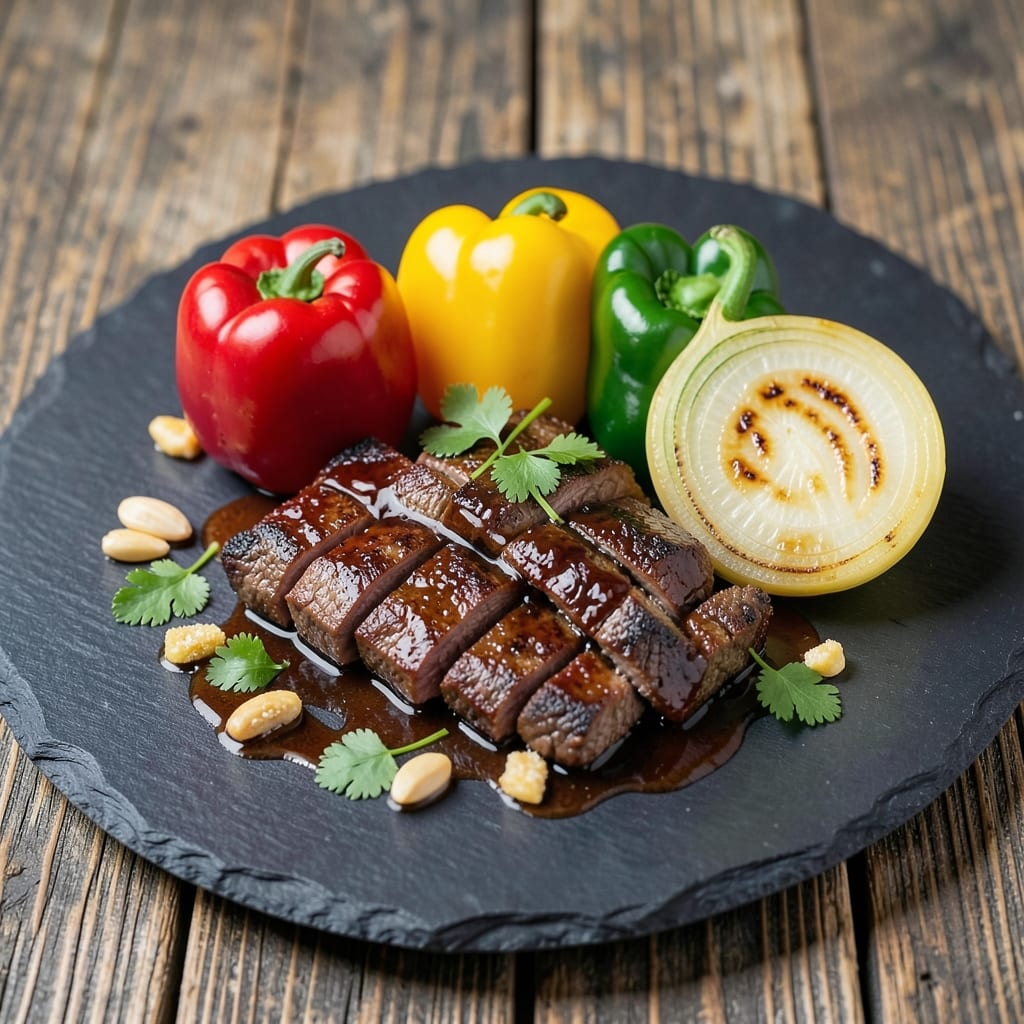
This Asian beef and peppers recipe delivers wok-perfect stir-fry with tender beef, crisp peppers, and a savory-sweet sauce that balances umami crunch in every bite. The secret lies in velveting the beef for silky texture while keeping the peppers vibrant and slightly charred—no dry, rubbery results here. I’ve perfected this technique over countless weeknight dinners, and it’s now my go-to for quick, restaurant-quality meals that impress without the fuss.
The foundation starts with thinly sliced beef marinated in a blend of soy sauce, cornstarch, and baking soda—a foolproof method for achieving that signature tender yet firm bite. Bell peppers, onions, and garlic sizzle in a hot wok with just enough oil to create a light crust, while the sauce—packed with oyster sauce, honey, and a splash of rice vinegar—adds depth without overpowering. The result? A dish that’s bold, balanced, and ready in under 30 minutes, making it ideal for busy nights.
What sets this recipe apart is the textural contrast: velvety beef, crisp-tender peppers, and a glossy sauce that clings to every forkful. Serve it over steamed jasmine rice or noodles to soak up every last drop, or pair it with a side of quick-pickled vegetables for brightness. The flavors develop as you cook, so timing is key—don’t rush the stir-fry, and let the sauce reduce just enough to coat the ingredients perfectly.
This isn’t just another stir-fry; it’s a complete meal that delivers restaurant-quality results at home. Whether you’re feeding a family or meal prepping for the week, the technique scales effortlessly. The best part? Leftovers taste even better the next day, as the flavors meld and deepen. Let’s get cooking—your taste buds will thank you.
Ingredients for asian beef and peppers
Thinly sliced beef, vibrant peppers, and a velvety sauce come together for restaurant-quality wok perfection.
| Ingredient | Amount | Notes |
|---|---|---|
| Flank Steak 🥩 | 1 ½ lb | Thinly sliced against grain |
| Bell Peppers 🌶️ | 2 whole | Assorted colors, sliced into strips |
| Yellow Onion 🧅 | 1 whole | Sliced into thin half-moons |
| Garlic Cloves 🧄 | 6 cloves | Minced finely for aromatic base |
| Soy Sauce 🥄 | ½ cup | High-quality, preferably Japanese |
| Cornstarch 🌾 | 2 tbsp | For velveting beef texture |
| Baking Soda 🧪 | ½ tsp | Tenderizes beef efficiently |
| Oyster Sauce 🍲 | 2 tbsp | For authentic umami depth |
| Honey 🍯 | 1 ½ tbsp | Balances savory flavors |
| Rice Vinegar 🍶 | 1 tbsp | Brightens the sauce profile |
| Sesame Oil 🫒 | 1 tbsp | Toasted for aroma finish |
| Vegetable Oil 🫒 | 3 tbsp | High smoke point for wok |
| Salt 🧂 | 1 ½ tsp | Kosher or sea salt preferred |
| Black Pepper 🌶️ | ½ tsp | Freshly ground for heat |
| Green Onions 🧅 | 4 whole | Sliced for garnish |
The flank steak is non-negotiable here—its lean yet tender texture holds up perfectly to the velveting process. Look for well-marbled cuts from the butcher section, not pre-sliced packages that often contain tougher, less flavorful meat. Costco or Whole Foods typically carry high-quality flank steak, but any reputable grocer with a meat counter will have suitable options. If you can't find flank, sirloin works in a pinch, though it may require slightly less marinating time. For the bell peppers, prioritize freshness—the vibrant colors and slight crispness are essential. Store-bought pre-sliced peppers often lack the snap, so grab whole ones and slice them yourself just before cooking. The yellow onion should be firm and dry, not wilting or sprouting.
No oyster sauce? Hoisin sauce or extra soy sauce with a splash of fish sauce replicates the umami punch, though the texture will differ slightly. The honey can be swapped for maple syrup if you prefer a less refined sweetness, but it won't caramelize as beautifully. For the cornstarch, arrowroot powder works equally well, though the texture may be marginally less velvety. If you're avoiding baking soda, 1 tbsp of baking powder can substitute, though the beef will be slightly less tender. The sesame oil is critical for that signature aroma—toasted sesame oil from Trader Joe's or Penzeys delivers the best flavor. For the wok, a carbon steel or cast iron pan is ideal, but a heavy stainless steel skillet works too. If your pan isn't wok-friendly, high heat and frequent stirring will compensate.
Marinated beef keeps best in an airtight container in the fridge for up to 24 hours, though it's best used within 4 hours for optimal texture. The sauce components can be pre-mixed and stored separately for 3 days, or combined and refrigerated for 2 days—just reheat gently before using. Leftover stir-fry reheats beautifully in a skillet over medium heat with a splash of water or broth to restore moisture. For meal prep, portion into glass containers to maintain freshness for 3-4 days. Freezing isn't recommended for this dish, as the peppers lose their crispness. To revive slightly wilted peppers, toss them with a pinch of baking soda and cold water for 10 minutes before reheating.
Why You'll Love This Recipe
- One-Pan Magic: I swear by this recipe when I need to feed a crowd without turning my kitchen into a war zone. Just toss the flank steak, sliced peppers, and onions on one sheet pan, drizzle with soy sauce and garlic, and let the oven do the work. No pots, no pans, no stress—just clean-up that takes all of two minutes.
- Savory-Sweet Balance: That first bite of tender, caramelized beef with the bright crunch of peppers and the deep umami from soy sauce? It’s the kind of flavor combo that makes you pause mid-bite. Honestly, I’ve tried fancy sauces, but this simple mix of garlic, onion, and a splash of soy is all you need to hit the spot every time.
- Lunchbox Hero: Between us, this is my go-to for meal prep. I slice the cooled beef and peppers into containers with rice, and boom—three lunches ready to go. It reheats like a dream (microwave or skillet, no judgment) and even tastes better the next day, which is basically a miracle for leftovers.
- Budget Boost: Flank steak is affordable, and a single pound stretches across two meals for my family of four. Pair it with a bag of bell peppers and an onion, and you’ve got a weeknight dinner that won’t break the bank. Plus, the leftovers freeze beautifully—so it’s basically a two-for-one deal.
Step-by-step instructions for Asian beef and peppers stir-fry
Master this technique and you'll achieve restaurant-quality texture and flavor every time.
🔪 Step 1: Prep and Marinate the Flank Steak
Slice the 1.5 lb flank steak thinly against the grain into ¼-inch strips—this ensures tender bites. Place the sliced steak in a bowl and add the 2 tbsp cornstarch and 0.5 tsp baking soda. The baking soda tenderizes while the cornstarch creates that signature velvet texture. Mix thoroughly until evenly coated, then let it marinate for 15 minutes at room temperature.
While waiting, slice the 2 whole bell peppers into ½-inch strips and the 1 whole yellow onion into thin half-moons. Finely mince the 6 cloves garlic—you want a paste-like consistency for maximum aromatic release. Keep all prepped vegetables separate until ready to cook. This prep work ensures everything cooks evenly and absorbs flavors uniformly.
🍳 Step 2: Build the Flavor Base and Cook the Beef
Heat 3 tbsp vegetable oil in a wok or large skillet over high heat until shimmering. Add the marinated steak in a single layer and let it sear undisturbed for 1-2 minutes until the edges turn deep golden brown. This initial sear locks in juices and creates that essential caramelized crust. Stir-fry for another 2-3 minutes until the beef is 80% cooked—it should still have a slight pink center. Remove the beef and set aside on a plate.
In the same wok, add the sliced bell peppers and yellow onion. Stir-fry for 3-4 minutes until they begin to soften but still retain their vibrant color. Add the minced garlic and cook for 30 seconds until fragrant—don't let it brown or it'll turn bitter. This step builds the aromatic foundation that carries through the entire dish.
🥘 Step 3: Create the Signature Sauce
Pour in the 0.5 cup soy sauce, 2 tbsp oyster sauce, 1.5 tbsp honey, 1 tbsp rice vinegar, 1.5 tsp salt, and 0.5 tsp black pepper. Stir vigorously to combine, letting the sauce simmer for 1-2 minutes until it thickens slightly. The vinegar brightens the flavors while the honey balances the saltiness—this is where the dish comes together. Taste and adjust seasoning if needed, remembering that the beef will add its own saltiness when returned.
Return the cooked beef to the wok and toss everything together for 2-3 minutes until the beef is fully heated through and coated in the glossy sauce. The cornstarch coating should create a silky texture that contrasts beautifully with the crisp-tender vegetables. Real talk: this is the moment that matters—proper timing ensures the beef finishes cooking without drying out.
🔥 Step 4: Finish with Aromatics and Serve
Reduce heat to medium-low and drizzle in the 1 tbsp sesame oil. Toss gently to coat everything evenly—the sesame oil adds a nutty aroma that elevates the dish. Slice the 4 whole green onions into ¼-inch pieces and stir them in for the final 30 seconds of cooking. The green onions add a fresh contrast to the rich, umami flavors.
Serve immediately over steamed rice while still hot. Each bite should deliver perfectly tender beef with crisp-tender vegetables, coated in a glossy sauce that balances sweet, salty, and tangy notes. The dish should be vibrant in color and packed with contrasting textures—silky beef, crisp vegetables, and that slight crunch from the sesame oil finish.
Pro Tips For Making Asian Beef And Peppers
- Slice Against the Grain: I learned this the hard way—cutting flank steak with the grain leaves you chewing for days. For this recipe, slice perpendicular to the grain after cooking, and you’ll get tender, fork-friendly bites every time. (Yes, even if you’re impatient like me.)
- Char the Peppers First: Skip the pre-cut bell peppers—they’re bland and sad. Instead, toss whole peppers in a screaming-hot pan for 3-4 minutes until blackened in spots. That smoky flavor is what turns this dish from "meh stir-fry" to "wow, what’s in this?" Just cut them open later.
- Don’t Salt the Steak Early: Flank steak releases water when salted too soon, and you’ll end up with a sad, steamed slab instead of a caramelized crust. Pat it dry, season right before cooking, and let it sit uncovered for 10 minutes—this guarantees a better sear.
- Use Half the Soy Sauce: I used to drown this in soy sauce, but the beef gets mushy and the dish loses balance. Start with 2 tablespoons (not 4) and taste as you go. Add a splash of rice vinegar or sesame oil if it needs brightness—you’ll save your dish from being one-note.
Troubleshooting great asian beef and peppers
Beef Overcooked
If your beef turns out tough or dry, it’s usually from overcooking or improper slicing. Always slice the steak against the grain into ¼-inch strips—thicker slices will stay chewy. Remove beef when it’s 80% cooked (still slightly pink) and finish in the sauce. Overcrowding the wok also causes steaming instead of searing, so cook in batches if needed. 🔥
Peppers Too Soft
Peppers lose their crispness when cooked too long or at low heat. Stir-fry them for only 3-4 minutes over high heat—they should soften but still hold their shape. If they’re already mushy, toss them with 1 tsp cornstarch and 1 tbsp cold water to revive their texture before serving.
Sauce Too Thin
A watery sauce happens when too much liquid is added or the sauce isn’t reduced enough. Simmer the sauce for 1-2 minutes before adding the beef to thicken it naturally. If it’s still too thin, mix 1 tsp cornstarch with 1 tbsp water and stir it in until glossy. For extra depth, add ½ tsp fish sauce to enhance umami.
Baking Soda Burn
If the beef tastes metallic or soapy, the baking soda was left on too long. Marinate for no more than 15 minutes—any longer can make the meat bitter. Rinse the beef briefly under cold water before cooking if you notice a metallic taste, but this isn’t ideal as it reduces tenderness.
Uneven Cooking
Uneven doneness often means the beef wasn’t cooked in stages. First sear the beef until 80% done, remove it, then cook the vegetables. Return the beef to the wok only when the sauce is ready—this ensures everything finishes at the same time. Use a meat thermometer to check for 145°F internal temp if unsure.
Lack of Flavor
Muted flavors usually mean the sauce needs more depth. Boost umami with 1 tbsp fish sauce or ½ tsp MSG (if you have it). Freshly toasted sesame seeds sprinkled on top also add nutty complexity. For extra brightness, finish with a squeeze of lime juice or a pinch of white pepper instead of black.
Nutrition facts
Frequently asked questions
Can I use a different cut of beef?
Flank steak is ideal for its tenderness, but sirloin or ribeye work well too. Trim excess fat and slice thinly against the grain. For leaner cuts like top round, marinate for 20-30 minutes to ensure tenderness. Avoid tough cuts like chuck or brisket—they won't velvet properly.
How do I prevent the beef from sticking?
Use a well-heated wok or skillet until oil shimmers, then add beef in a single layer. Let it sear undisturbed for 1-2 minutes before stirring. A carbon steel or cast iron pan maintains even heat better than nonstick. Never overcrowd—cook in batches if needed.
Can I make this ahead of time?
Cooked beef and peppers reheat best when made 1-2 days ahead. Store in an airtight container and reheat in a skillet with 1 tsp water or broth over medium heat for 3-4 minutes. The sauce may thicken further—stir in ½ tsp water if needed. Peppers lose crispness when reheated, so add fresh ones when serving.
What if I don't have oyster sauce?
Substitute with 2 tbsp soy sauce + 1 tsp fish sauce for umami depth, or 2 tbsp hoisin sauce for sweetness. For a vegetarian option, use 2 tbsp mushroom sauce. The dish will taste slightly different but still delicious. Adjust honey to 2 tbsp if using extra soy sauce to balance saltiness.
How do I adjust spice levels?
For mild heat, reduce black pepper to ¼ tsp and omit chili flakes. For spicy, add ½ tsp chili flakes or 1 tsp sriracha to the sauce. Garnish with red pepper flakes or fresh chili slices for extra kick. Always taste the sauce before adding beef—you can adjust better before cooking.