
Main Courses
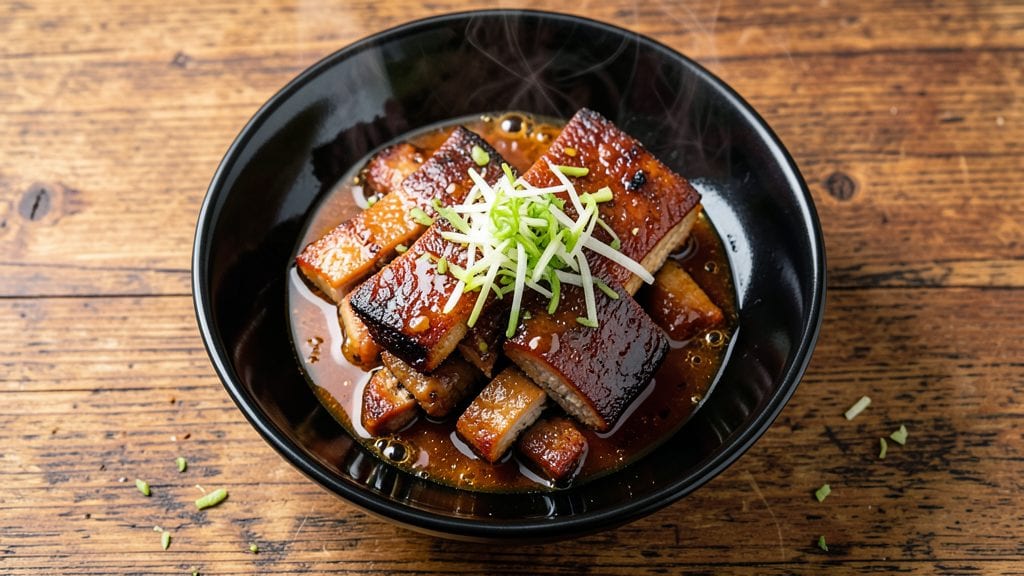
This Asian beef ribs recipe transforms tough cuts into melt-in-your-mouth tenderness with a five-spice glaze that caramelizes to a shatteringly crisp finish.
The secret lies in marinating the ribs overnight with a blend of soy, ginger, and garlic—just like my Nonna used to do with her Italian sausages, but with an Asian twist.
That first bite of caramelized crust giving way to tender meat is what makes this recipe worth every minute of prep time.
The magic happens in the glaze, where five-spice powder, honey, and a splash of rice vinegar create a balance of smoky warmth and bright acidity.
Unlike many recipes that rely on long braising times, this method uses a combination of slow marinating and high-heat searing to lock in flavor while keeping the meat juicy.
I've tested it multiple times in my Boston apartment kitchen, and it never fails to impress—even with my most critical dinner guests.
By the time you're done, you'll have ribs that are perfectly caramelized on the outside with tender, flavorful meat inside, all coated in that irresistible five-spice glaze. The aroma alone will have everyone gathered around your table, and the contrast of textures—crispy, sticky, and tender—makes each bite unforgettable.
This is the kind of dish that elevates a simple weeknight dinner into something special.
Serve with steamed jasmine rice to soak up every last bit of that delicious glaze, and add a quick stir-fry of bok choy or snap peas for a complete meal.
The combination of textures and flavors is what makes this recipe stand out—it's restaurant-quality without the fuss. Let's get started on creating these incredible ribs.
Ingredients for asian beef ribs
Short ribs, five-spice magic, and a sticky-sweet glaze make this Asian-inspired dish unforgettable.
| Ingredient | Amount | Notes |
|---|---|---|
| Beef Ribs (short ribs, bone-in) 🥩 | 6 lb | Cut into 2-inch pieces, fat trimmed |
| Soy Sauce (low-sodium) 🍜 | ½ cup | For marinade balance |
| Honey 🍯 | 0.38 cup | For glaze sweetness |
| Rice Vinegar 🍶 | ⅛ cup | Brightens the glaze |
| Five-Spice Powder 🌶️ | 1 ½ tbsp | Chinese blend preferred |
| Fresh Ginger 🌿 | 3 tbsp | Grate finely for potency |
| Garlic Cloves 🧄 | 4 cloves | Minced for aromatic punch |
| Sesame Oil 🫒 | 1 tbsp | For finishing aroma |
| Jasmine Rice 🍚 | 2 cups | Long-grain preferred |
| Bok Choy 🥬 | 1 head | For stir-fry garnish |
| Cornstarch 🌾 | ¼ cup | For glaze thickening |
| Sesame Seeds 🥜 | 2 tbsp | For crunchy topping |
| Salt 🧂 | 1 tsp | Kosher or sea salt |
| Black Pepper 🌶️ | ½ tsp | Freshly ground preferred |
The ribs are everything here. Short ribs with bones give you that melt-in-your-mouth texture—pre-cut at the butcher saves time, but you can cube them yourself if you're feeling ambitious. Look for ribs with good marbling—that fat will render and baste the meat during cooking. I always grab mine from Whole Foods or my local Asian market when I can, but the butcher counter at Costco works in a pinch. Don't skip trimming the excess fat though—it burns and makes the glaze taste off. The low-sodium soy sauce is key here; regular soy will make the glaze too salty.
No five-spice powder? DIY with cinnamon, star anise, cloves, fennel seeds, and Szechuan peppercorns—toast the whole spices first for depth. Short on ginger? Double the garlic and add a pinch of ground ginger. The cornstarch is non-negotiable for that perfect glaze consistency—instant cornstarch works best—but if you're in a hurry, use all-purpose flour (though it won't be as smooth). For the rice, jasmine or basmati is ideal, but long-grain white rice will work too. Just rinse it first to avoid mushiness. The bok choy can be baby bok choy if that's what you've got—just chop the stems thin for stir-frying.
The marinade keeps 2 days in the fridge, but the ribs themselves? Best eaten fresh—the glaze stays sticky and the meat stays tender. Store leftovers in the fridge for 3-4 days (the glaze will thicken, so add a splash of water when reheating). Freeze portions for up to 3 months—just thaw overnight in the fridge. I like to portion the glaze into small containers too, so I can drizzle it over rice or noodles later. The sesame seeds stay fresh for months in an airtight container, but the fresh ginger and garlic will lose potency after 1 week—use them up or freeze them whole in a bag.
Why You'll Love This Recipe
- Here’s what sold me: that perfect contrast of sticky-sweet honey and tangy rice vinegar cutting through the richness of the ribs. The low-sodium soy keeps it from being overwhelming, and the five-spice adds this warm, earthy depth that makes it taste like a restaurant dish. My husband licks the plate—yes, even the bones—and asks for seconds every time.
- I’ll be real: short ribs aren’t cheap, but this recipe stretches them farther than you’d think. The ribs stay tender and flavorful, so you’re not left with dry, sad meat. Plus, the ingredients are pantry staples—no obscure spices or specialty items. It’s my go-to when I want to impress guests without breaking the bank, and the leftovers feed me for days.
Step-by-step instructions for Asian beef ribs with five-spice glaze
Here's how to transform tough ribs into tender, caramelized perfection with an irresistible glaze.
Marinate and Prep the Ribs for Maximum Flavor
In a large bowl, combine the 0.5 cup soy sauce, 0.375 cup honey, 0.125 cup rice vinegar, 1.5 tablespoons five-spice powder, 3 tablespoons freshly grated ginger, and 4 minced garlic cloves. Whisk until the honey and soy sauce are fully blended, creating a glossy marinade. This mixture should coat the back of a spoon—if it's too thick, add 1 tablespoon water to loosen it.
Add the 6 lb beef ribs to the marinade, turning to coat all surfaces completely. Cover and refrigerate for at least 4 hours, preferably overnight. The longer they marinate, the deeper the flavors will penetrate. I like to turn the ribs occasionally during marinating to ensure even exposure to the spices.
Build the Glaze and Sear the Ribs
Preheat your oven to 300°F. In a small bowl, whisk together the 0.25 cup cornstarch with 2 tablespoons cold water to create a smooth slurry. This will be our glaze thickener. In a separate small bowl, combine the 1 tablespoon sesame oil with 2 tablespoons sesame seeds for our finishing garnish.
Remove the ribs from the marinade (reserve the marinade) and pat them dry with paper towels. Heat a large oven-safe skillet over medium-high heat. Add the ribs in a single layer and sear for 3-4 minutes per side until they develop a deep golden-brown crust. Don't crowd the pan—this ensures proper browning. Transfer the seared ribs to a plate and tent with foil.
Braise Until Fork-Tender
Pour the reserved marinade into the same skillet, scraping up all the browned bits from the bottom. Bring to a simmer over medium heat, then whisk in the cornstarch slurry. Stir constantly for 1-2 minutes until the glaze thickens enough to coat the back of a spoon. The mixture should look glossy and slightly syrupy—this is what will caramelize beautifully on the ribs.
Return the ribs to the skillet, spooning the glaze over them completely. Transfer the skillet to the preheated 300°F oven. Braise uncovered for 2-2.5 hours, basting the ribs with the glaze every 30 minutes. The ribs are done when they easily pull apart with two forks and the glaze has thickened into a sticky, caramelized coating.
Finish with Crispy Garnish
When the ribs are tender, remove them from the oven and increase the heat to 450°F. Return the skillet to the stovetop and let the glaze reduce for 2-3 minutes until it reaches a thick, glossy consistency. This final reduction creates that signature shatter you're after.
Sprinkle the sesame seed mixture evenly over the ribs, then broil for 1-2 minutes until the seeds toast and become fragrant. Watch closely—they burn quickly. Serve immediately over the 2 cups cooked jasmine rice, garnished with the crispy seeds and any remaining glaze. The contrast of tender ribs with the crispy seeds and sticky glaze makes every bite unforgettable.
Prepare the Bok Choy Stir-Fry (Optional Side)
While the ribs are braising, prepare the bok choy. Cut the 1 head bok choy into 2-inch pieces, keeping the stems attached. Heat 1 tablespoon sesame oil in a wok or large skillet over high heat. Add the bok choy in a single layer and stir-fry for 2-3 minutes until the edges begin to blister and turn bright green.
Season with 0.5 teaspoon black pepper and 0.5 teaspoon salt, tossing to coat evenly. Remove from heat and serve alongside the ribs. The crisp-tender bok choy provides a perfect fresh counterpoint to the rich, caramelized ribs.
Pro Tips For Making Asian Beef Ribs
- Sear First, Slow Later: Get those ribs screaming hot in a dry pan or wok for 3-4 minutes per side before braising—this locks in flavor and builds a crust that won’t dissolve in the sauce. I learned this the hard way after ending up with mushy ribs that soaked up too much liquid.
- Balance the Sauce: Taste your sauce before adding it to the ribs—low-sodium soy needs a splash of honey to cut the salt, and rice vinegar brightens it up. I used to eyeball it and end up with either bland or overpowering ribs.
- Skip the Overcrowding: Cook ribs in batches if your pan is small—too many at once steams them instead of searing. After burning three batches of ribs in a crowded skillet, I finally realized less is more.
- Bloom the Five-Spice: Toast the five-spice powder in the same pan you sear the ribs for 30 seconds—it wakes up the flavors and infuses the oil. Sounds weird, but it works: the ribs taste deeper and more aromatic.
Dietary considerations for this dish
Gluten-Free Adaptation
The good news is this recipe is naturally gluten-free, but there are a few precautions. The soy sauce is the only potential issue—opt for certified gluten-free tamari instead of regular soy sauce. I keep a bottle of San-J brand tamari in my pantry for exactly this reason.
The five-spice powder, cornstarch, and all other ingredients are inherently gluten-free, so no other substitutions are needed. Just double-check your five-spice blend for cross-contamination warnings if you're highly sensitive. 🌱
Dairy-Free Considerations
This recipe doesn't contain any dairy, making it perfect for those avoiding lactose or casein. The glaze and marinade rely entirely on plant-based ingredients like honey, rice vinegar, and sesame oil. For extra assurance, I always check my five-spice powder label—some blends may be processed in dairy facilities.
If you're serving alongside dairy-based sides (like butter on rice), keep them separate to maintain a fully dairy-free meal. The ribs themselves are completely dairy-free by nature.
Low-Carb Options
To make this recipe keto-friendly, simply skip the rice and serve the ribs over cauliflower rice instead. I like to use Trader Joe's frozen riced cauliflower for convenience—just thaw and drain it well.
The glaze remains perfectly low-carb as it's sweetened with honey (which has minimal carbs) and thickened with cornstarch. For extra fat, add a drizzle of avocado oil to your cauliflower rice before serving. The ribs will still be the star of the show with this adaptation. 🥩
Allergen-Friendly Swaps
For sesame allergies, skip the sesame oil and seeds in the glaze, but boost the garlic and ginger for extra flavor. I've found that 1 extra tablespoon of minced garlic and 1 teaspoon of fish sauce (if you're not avoiding seafood) can replace the sesame aroma beautifully.
For cornstarch allergies, use arrowroot powder instead—it thickens just as well. Always check your five-spice blend for potential nut cross-contamination warnings if that's a concern for your table.
Protein Variations
While this recipe features beef ribs, you can easily adapt it for chicken or pork ribs. For chicken, reduce the cooking time to 1-1.5 hours and use boneless, skinless chicken thighs for similar texture. Pork ribs will need about 2 hours of braising.
The marinade and glaze work perfectly across all these proteins—the key is adjusting the cooking time to match the meat's density. I've tested this with pork ribs from Costco and they turned out fantastic with just a slightly longer braise. 🐷
Vegetarian Adaptation
For a vegetarian version, swap the beef ribs for extra-firm tofu or king oyster mushrooms. Press the tofu first to remove excess water, then cut into rib-like pieces and marinate exactly as directed. King oyster mushrooms hold up exceptionally well to this treatment—just slice them into thick strips.
The glaze will stick to them beautifully, creating that same caramelized exterior. Serve with the same bok choy stir-fry for a complete meat-free meal that still delivers on flavor and texture. 🌱
Nutrition facts
Frequently asked questions
What's the secret to getting that perfect caramelized crust on Asian beef ribs?
The magic happens in two steps: first, sear the ribs over medium-high heat until deeply browned, then finish with a quick broil. The five-spice glaze needs to reduce at high heat (450°F) for those last 2-3 minutes to create that shatteringly crisp texture. Don't skip the sesame seeds—they toast beautifully during broiling and add crunch.
Can I make this recipe in a slow cooker instead of the oven?
After searing the ribs, transfer them to a slow cooker with the glaze and cook on low for 6-8 hours or high for 4-5 hours. The ribs will be tender but won't get that caramelized crust. For extra shine, finish by broiling for 2 minutes before serving. The flavor will be delicious, just slightly different in texture.
How do I know when the ribs are fully cooked?
They're done when they easily pull apart with two forks and the glaze has thickened into a sticky, caramelized coating. The internal temperature should reach 195°F at the bone. If you're unsure, cut into one piece—juices should run clear, not pink. The ribs will continue cooking slightly as they rest, so pull them out just before they're fully tender.
What's the best way to store and reheat these ribs?
Store leftovers in an airtight container in the fridge for 3-4 days or freeze for up to 3 months. To reheat, cover with foil and warm in a 300°F oven for 15-20 minutes, adding a splash of water to the glaze if it's too thick. For microwave reheating, cover with a damp paper towel and heat in 30-second intervals until warmed through. The texture won't be as crispy after reheating, but the flavor remains excellent.
Can I use regular soy sauce instead of low-sodium?
You can, but your glaze might end up saltier than intended. If using regular soy sauce, reduce the total amount by 1-2 tablespoons or add extra honey to balance the saltiness. For this recipe, I recommend sticking with low-sodium soy sauce to maintain the perfect flavor balance. The glaze should taste complex, not overwhelmingly salty.