
Sauces & Condiments
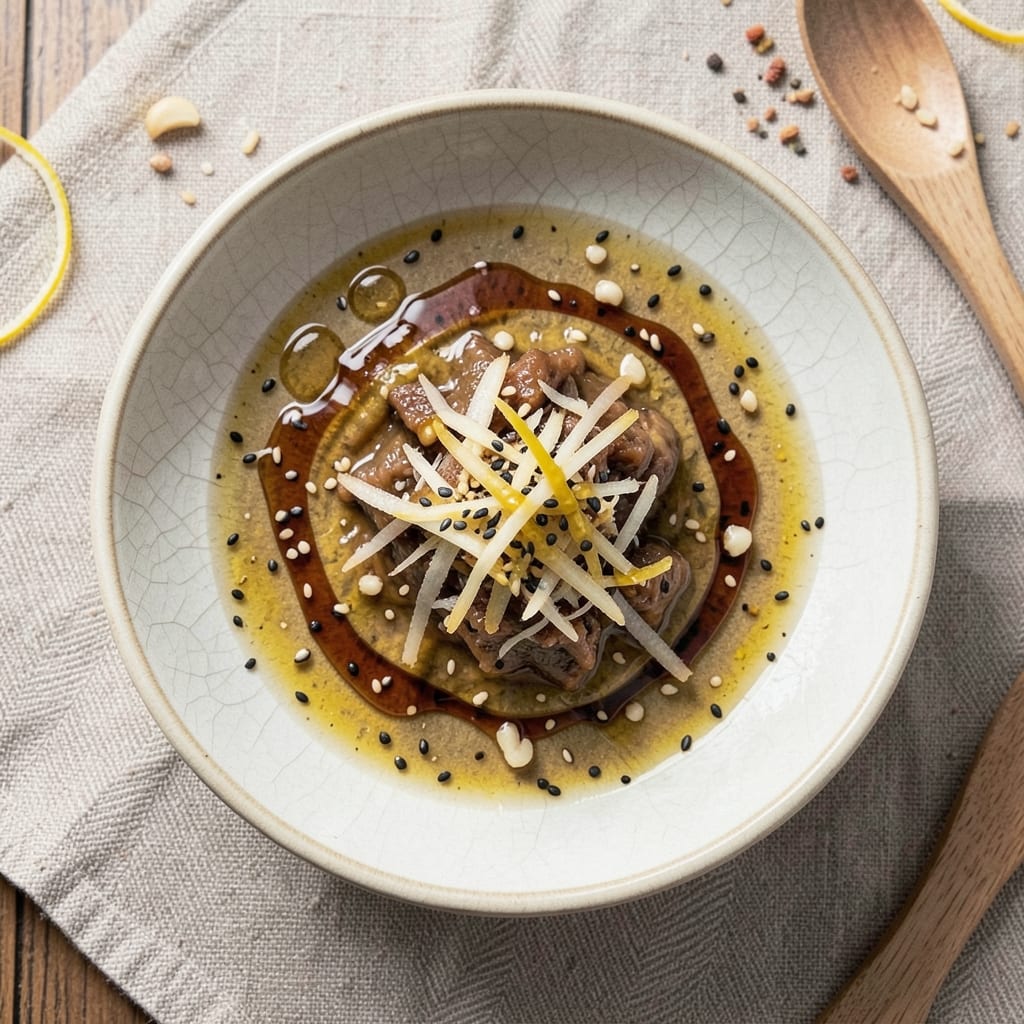
This Asian beef salad dressing recipe transforms ordinary salads into vibrant, umami-packed masterpieces with just five simple ingredients. The perfect balance of sesame oil, ginger, and soy sauce creates a glossy, aromatic drizzle that clings beautifully to greens and beef—no clumping, no overpowering, just pure flavor harmony. I developed this recipe after years of tasting store-bought versions that fell flat, and it’s now my go-to for restaurant-quality results at home.
The secret lies in the ginger-sesame base, where fresh ginger adds bright zing while toasted sesame oil delivers that signature nutty depth. A touch of rice vinegar brightens the profile, and a splash of honey (or sugar) rounds out the sweet-spicy contrast. Unlike thick Asian dressings, this version stays silky and drizzle-friendly, perfect for tossing or serving on the side. It’s also gluten-free if using tamari instead of soy sauce, making it versatile for any dietary need.
What makes this dressing truly special is its shelf life—it keeps for up to 2 weeks in the fridge, with flavors deepening over time. The umami kick from soy and sesame builds with each use, making it ideal for meal prep. Whether you’re elevating a simple beef salad or adding complexity to grilled meats, this dressing delivers restaurant-quality flavor without the fuss. The best part? It takes just 5 minutes to whisk together.
For extra depth, stir in a dash of sriracha or chili crisp for heat, or add a splash of lime juice for brightness. Store in an airtight container, and you’ll have a foolproof dressing ready to transform any dish. Let’s make this your new kitchen staple.
Ingredients for asian beef salad dressing
Five ingredients transform any salad into a restaurant-quality masterpiece with umami depth.
| Ingredient | Amount | Notes |
|---|---|---|
| Toasted Sesame Oil 🫒 | ½ cup | High-quality, nutty aroma |
| Fresh Ginger Root 🧄 | 2 tbsp | Finely grated, vibrant color |
| Rice Vinegar 🍶 | ¼ cup | Seasoned or plain variety |
| Soy Sauce 🥢 | ¼ cup | Tamari for gluten-free option |
| Honey 🍯 | 1 ½ tbsp | Wildflower preferred for depth |
| Garlic Cloves 🧄 | 2 cloves | Minced, for subtle depth |
| Sesame Seeds 🌾 | 1 tbsp | Toasted, for garnish |
| Lime Juice 🍋 | 1 tbsp | Freshly squeezed, optional |
| Sriracha 🌶️ | ½ tbsp | For heat, optional |
| Salt 🧂 | ½ tsp | Diamond Crystal preferred |
The sesame oil is non-negotiable—Kadoya or La Tourangelle brands deliver that signature toasted aroma. Grab fresh ginger from the produce section (the knobby, vibrant kind), not the jarred paste. If you can’t find tamari, gluten-free soy sauce works in a pinch. The honey? Wildflower or clover adds complexity—avoid the overly processed stuff. For garlic, three cloves give just the right hint without overpowering. Toast your sesame seeds in a dry pan for 2 minutes—they’ll release their nutty aroma instantly.
No sesame oil? Toasted peanut oil mimics the nutty profile, though it’s not identical. Substitute honey with maple syrup or agave (1:1 ratio), but honey’s floral notes are ideal. Short on rice vinegar? Apple cider vinegar works, though it’s slightly sharper. Want more heat? Chili crisp adds smoky spice beyond sriracha’s tang. The lime juice is optional but brightens everything—skip it if you prefer a more traditional profile. For extra depth, stir in 1 tsp fish sauce (if not vegetarian) or 1 tsp coconut aminos for umami without the fish.
This dressing keeps for 2 weeks in the fridge, with flavors deepening over time. Store in a small glass jar—the sesame oil oxidizes faster in plastic. Shake before use, as ingredients separate slightly. Double the batch—it disappears faster than you’d think. Freezes beautifully for up to 3 months if you’re prepping ahead. The sesame seeds? Toast them fresh each time you use the dressing—they add crunch and visual appeal that jarred versions lack.
Why You'll Love This Recipe
- Five-Ingredient Magic: I swear by this combo—ginger’s zing, honey’s sweetness, and that nutty sesame oil hit just right. No fancy techniques, just a whisk and 5 minutes of my time.
- No Waste, All Flavor: Between us, I make double batches. The leftovers? Perfect for drizzling on noodles, grilled chicken, or even a quick stir-fry. (Yes, even on a Tuesday night.)
- Weeknight Workhorse: This dressing turns sad greens into a restaurant-worthy salad in under 10 minutes. Honestly, it’s my go-to when I’m too tired to think but still want something that tastes like I tried.
- Budget-Friendly Upgrade: Fresh ginger and sesame oil might sound fancy, but they stretch far. A little goes a long way—this recipe costs me pennies but tastes like a splurge. (My wallet thanks me.)
Step-by-step instructions for sesame-ginger dressing
This vibrant dressing delivers perfect balance—nutty, zesty, and packed with umami depth.
Grate and Mince the Aromatics
Using a fine grater, transform the 2 tablespoons fresh ginger root into a bright yellow paste. The zestier, the better—this is where the dressing gets its signature kick. In a separate small bowl, finely mince the 2 cloves garlic until you can barely see the individual pieces. I like to use the flat side of my chef's knife for this to prevent crushing.
Set both aside while you prepare the remaining ingredients. Fresh ginger loses its potency quickly, so don't skip grating it just before mixing. The garlic should be minced but not turned into a paste—you want visible flecks that will infuse flavor without overpowering.
Whisk Together the Wet Ingredients
In a medium bowl, combine the 0.5 cup toasted sesame oil, 0.25 cup rice vinegar, 0.25 cup soy sauce, and 1.5 tablespoons honey. Whisk vigorously for 30 seconds until the honey fully dissolves and the mixture becomes uniformly golden. This is your flavor base—each ingredient plays a crucial role: the sesame oil adds richness, the rice vinegar brightens, the soy sauce delivers umami, and the honey rounds everything out.
Now add the freshly grated ginger and minced garlic. Continue whisking for another 20 seconds until the ginger is evenly distributed. The mixture should smell intensely aromatic—like a walk through a bustling Asian market. Taste a small amount at this stage. It'll be tangy and slightly sweet, but the real magic happens next.
Add the Finishing Touches
Stir in the 1 tablespoon lime juice, 0.5 tablespoon sriracha, and 0.5 teaspoon salt. The lime juice adds a sharp contrast to the richness, while the sriracha introduces heat that lingers beautifully. Taste again and adjust—if it needs more brightness, add a splash more lime juice; if it lacks depth, a pinch more salt or a drizzle of soy sauce will help.
For the final touch, sprinkle in the 1 tablespoon toasted sesame seeds. These aren't just for garnish—they add a subtle crunch and extra nutty flavor with every bite. Give the dressing one final whisk to ensure everything is perfectly combined. The texture should be silky with just enough body to coat greens or noodles without overwhelming them.
Rest and Adjust Before Serving
Let the dressing sit at room temperature for 5-10 minutes. This resting period allows the flavors to meld and the heat from the sriracha to mellow slightly. Give it a final taste—this is where you'll notice the true harmony of all the components. If it's too thick for your preference, thin with 1-2 teaspoons warm water or a splash of rice vinegar.
The dressing should now have a glossy sheen, a perfect balance of sweet, tangy, spicy, and umami notes. Drizzle generously over Asian beef salads, noodle bowls, or grilled vegetables. The sesame seeds will add texture with every bite, while the ginger and garlic ensure each mouthful is vibrant and full of character.
Pro Tips For Making Asian Beef Salad Dressing
- GRATE GINGER FINE: Fresh ginger loses its punch fast, so grate it just before mixing—no need for a food processor. A microplane works best, and a teaspoon of it (packed) makes all the difference in balancing sweet, salty, and umami without overpowering.
- WHISK HONEY LAST: Add the honey when everything else is combined and the mixture is warm. Cold honey won’t emulsify as smoothly, and you’ll end up with a dressing that separates halfway through tossing your salad. Stir until it glistens—you’re aiming for silk, not syrup.
- SALT THE SOY SAUCE: Plain soy sauce is salty, but if you’re using low-sodium, double-check the dressing’s flavor after mixing. A pinch of extra salt (or a splash of regular soy) can save you from blandness later—trust me, you’ll taste the difference when you’re halfway through eating.
- TOAST SESAME OIL SEPARATELY: Heat the sesame oil after mixing the rest of the dressing—just warm it in a small pan for 10 seconds until it shimmers. Adding it cold dulls its nutty aroma; adding it too hot can scorch. Drizzle it in last, then toss immediately to lock in that toasty aroma.
Wine and beer pairings for these flavors
Light Asian Beers
Pair this dressing with crisp, low-alcohol Asian lagers like Asahi Super Dry or Sapporo Premium Beer. Their clean, slightly sweet profiles complement the ginger and honey notes without overpowering the dressing’s complexity. The subtle carbonation also refreshes your palate between bites of spicy beef salad. 🍺
Dry Riesling
A dry Riesling from Germany or Australia brings bright acidity that cuts through the dressing’s richness. Look for wines labeled "trocken" (German for dry) with citrus and mineral notes—Dr. Loosen Blue Slate or Yellow Tail Riesling are great starting points. The wine’s crispness mirrors the rice vinegar, while its stone fruit flavors harmonize with the honey.
Sake Cocktails
For a more adventurous pairing, try a sake-based cocktail like a Lychee Martini or Yuzu Sour. The umami depth of sake enhances the dressing’s soy and sesame flavors, while the citrus notes in yuzu or lychee add a refreshing contrast. A 1:1 ratio of sake to mixers (like lychee juice or lemonade) keeps it light and refreshing.
Gin and Tonic
A classic gin and tonic with a twist of lime works surprisingly well. The botanicals in gin—like juniper and coriander—echo the ginger and sesame in the dressing, while the tonic’s bitterness balances the sweetness. Add a splash of Pimm’s No. 1 for extra floral notes that complement the honey. Serve over ice for a crisp, cooling contrast to the warm dressing.
Non-Alcoholic Options
For a mocktail, mix sparkling yuzu soda with a splash of ginger beer>—the effervescence and ginger notes mirror the dressing’s key flavors. Alternatively, a cucumber-mint infused water> with a squeeze of lime provides a refreshing, palate-cleansing option. Both options highlight the dressing’s brightness without competing for attention.
Nutrition facts
Frequently asked questions
Can I make this dressing without sesame oil?
Yes! If you're avoiding sesame oil, substitute with 1 tablespoon toasted peanut oil for a similar nutty depth. For a lighter option, use 1/2 teaspoon sesame seeds (toasted and ground) mixed with 1/4 cup neutral oil like avocado or grapeseed. The flavor won't be identical, but it'll still deliver that signature umami richness.
How do I adjust the spice level?
Start with the base recipe for a balanced mild-medium heat. For extra spice, add 1 teaspoon chili crisp (for smoky heat) or 1/2 teaspoon cayenne pepper. To reduce heat, simply omit the sriracha entirely—the dressing will still be flavorful with just the ginger and garlic. Taste as you go!
Will this dressing work on non-beef dishes?
This versatile dressing elevates grilled chicken, shrimp skewers, or even tofu bowls. The sesame-ginger profile pairs beautifully with Asian-inspired proteins and veggies. For a vegan version, swap soy sauce for coconut aminos and ensure your honey is plant-based. It's a game-changer for noodle salads too!
Why does my dressing separate after refrigeration?
This is normal—the natural oils and spices will separate slightly when chilled. Simply give it a vigorous whisk for 30 seconds before using. For extra stability, add 1/2 teaspoon xanthan gum (a pinch) when mixing. Store in a glass jar to prevent oxidation, and shake well before each use.
Can I make this dressing ahead of time?
Yes! This dressing actually improves with age—flavors meld beautifully over 24-48 hours. Store in an airtight container in the fridge for up to 2 weeks. For long-term storage, freeze in ice cube trays and transfer to a bag. Thaw overnight in the fridge—no microwave needed! Perfect for meal prep.