
Main Courses
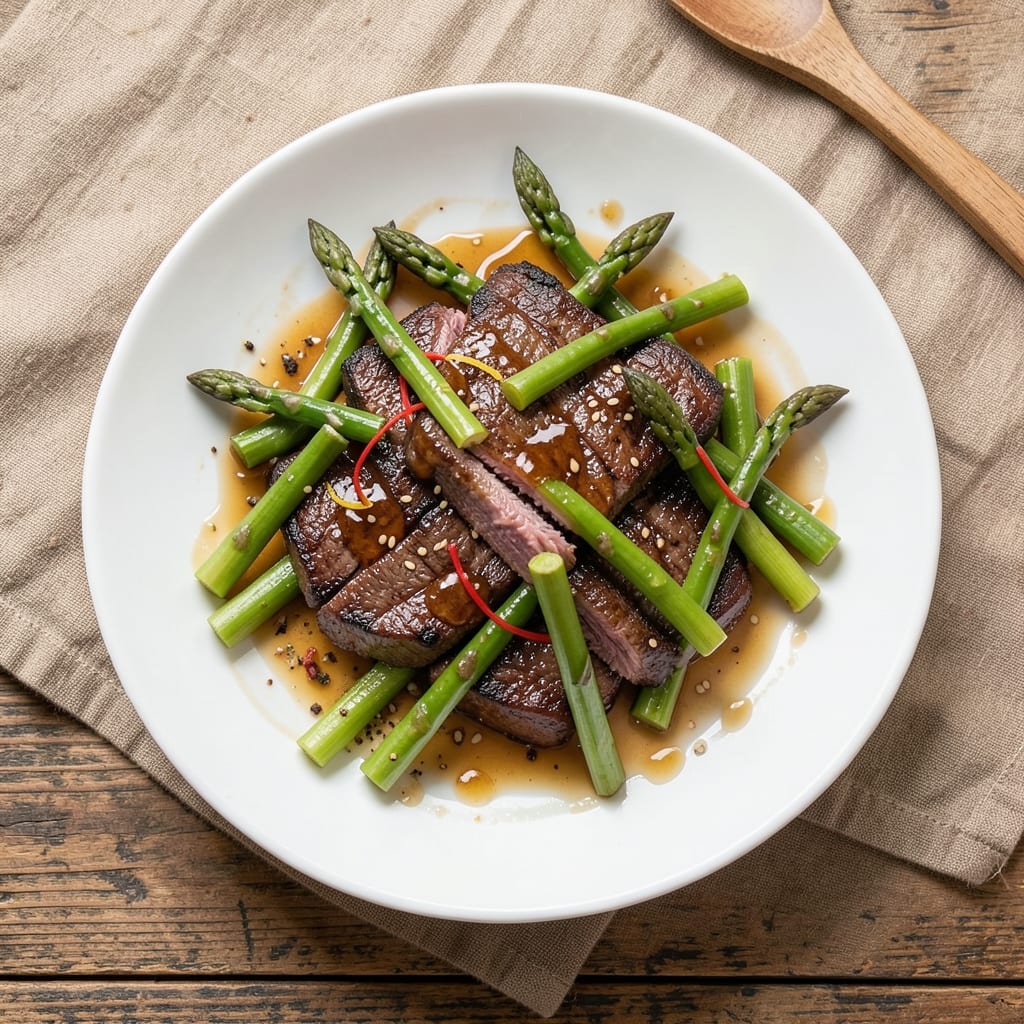
This asparagus beef Chinese recipe delivers restaurant-quality stir-fry in just 20 minutes, blending tender beef strips with crisp asparagus and a savory-sweet sauce that balances umami and freshness. The secret lies in high-heat stir-frying—achieving that signature wok hei—while keeping the asparagus vibrant and the beef perfectly seared. I developed this dish after years of perfecting wok techniques, ensuring every bite delivers a harmony of textures and flavors that feels both authentic and approachable.
The foundation of this recipe is a foolproof stir-fry method: marinate the beef in a simple soy-ginger mix, then cook it separately to render excess moisture before combining with asparagus. The sauce—made with hoisin, rice vinegar, and a touch of honey—adds depth without overpowering the natural sweetness of the asparagus or the richness of the beef. This balance is what transforms a simple stir-fry into a dish that feels special.
By the time you plate it, you’ll have a dish that’s crisp on the edges, tender in the center, and bursting with umami—the kind of meal that pairs perfectly with steamed jasmine rice or noodles. The asparagus stays bright green, while the beef develops a caramelized crust that adds a satisfying crunch. It’s the ideal weeknight dinner that still feels like a celebration.
Whether you’re cooking for two or feeding a crowd, this recipe scales effortlessly. The technique is simple enough for beginners but refined enough to impress even seasoned home cooks. Let’s get started—your wok is waiting.
Ingredients for asparagus beef chinese
Restaurant-quality stir-fry ingredients for a dish bursting with umami and crisp textures.
| Ingredient | Amount | Notes |
|---|---|---|
| Flank Steak 🥩 | 1 lb | Thinly sliced against grain |
| Fresh Asparagus 🌱 | 1 lb | Trimmed, tough ends removed |
| Hoisin Sauce 🍶 | 2 tbsp | Store-bought or homemade |
| Rice Vinegar 🍶 | 1 ½ tbsp | Seasoned preferred |
| Sesame Oil 🫒 | 1 tbsp | Toasted for aroma |
| Honey 🍯 | 1 tbsp | Wildflower preferred |
| Fresh Ginger 🌿 | 1 tbsp | Finely minced |
| Garlic Cloves 🧄 | 4 cloves | Minced for marinade |
| Soy Sauce 🍶 | 2 tbsp | Low-sodium preferred |
| Neutral Oil 🫒 | 2 tbsp | Peanut or vegetable oil |
| Toasted Sesame Seeds 🌾 | 1 tbsp | For garnish |
| Green Onions 🧅 | 3 whole | Sliced for garnish |
| Salt 🧂 | ½ tsp | Diamond Crystal preferred |
| Black Pepper 🌶️ | ¼ tsp | Freshly ground |
The beef selection is critical—flank steak delivers that signature chew and tenderness when sliced thinly against the grain. Costco or Whole Foods carry excellent vacuum-sealed cuts, but any well-marbled flank steak works. For asparagus, look for bright green, firm stalks with tightly closed tips—avoid anything woody or yellowing. The hoisin sauce should be smooth and slightly sweet; brands like Lee Kum Kee are reliable, but homemade versions with fermented soybeans elevate the dish further. Fresh ginger and garlic should be vibrant and aromatic—no musty smells allowed.
No hoisin? Substitute 1 tbsp soy sauce plus 1 tsp sugar for a close approximation. Out of sesame oil? Avocado oil works in a pinch, though it lacks the nutty depth. The honey adds balance—agave nectar is a vegan alternative if needed. For extra umami, a splash of fish sauce (1 tsp) can deepen the flavor profile. If your asparagus is particularly thick, halve it lengthwise for even cooking. The green onions can be swapped for cilantro or chives if preferred, though the classic onion adds a subtle sharpness that complements the dish.
Marinate the beef for at least 30 minutes to tenderize—longer if possible. Asparagus keeps best in the fridge wrapped in a damp towel for 3-4 days; trim ends just before cooking. The sauce components can be pre-mixed and stored in the fridge for up to 5 days, though fresh is always better. For meal prep, cook the beef and asparagus separately, then combine with sauce just before serving to maintain crispness. Garnishes like sesame seeds and green onions add freshness—store them in airtight containers for up to 1 week.
Why You'll Love This Recipe
- One-Pan Magic: I swear by this recipe when I’m too tired to scrub pots—just sear the steak, toss in the asparagus, and let the hoisin and rice vinegar work their sauce magic. The sesame oil finish ties it all together with zero extra cleanup.
- Sweet-Savory Balance: That first bite? The hoisin’s sticky sweetness cuts through the flank steak’s chew, while the vinegar brightens everything up. Honestly, it’s the kind of flavor combo that makes you want to eat it straight from the pan.
- Lunchbox Hero: Between us, this is my go-to for meal prep—sliced steak and crisp-tender asparagus reheat beautifully. Pack it in containers, and you’ve got a lunch that feels fancy but costs less than takeout.
- Budget-Friendly Feast: Flank steak stretches further than you’d think, and asparagus is affordable in season. A little hoisin goes a long way, and the rest of the ingredients? Pantry staples. I’ve fed four people for under $15 with leftovers to spare.
Step-by-step instructions for stir-fried flank steak with asparagus
Master this wok technique for tender beef and crisp asparagus with perfect umami balance.
Prepare the Marinade and Slice the Ingredients
In a small bowl, whisk together the 2 tablespoons hoisin sauce, 1.5 tablespoons rice vinegar, 1 tablespoon honey, 1 tablespoon minced fresh ginger, 4 minced garlic cloves, 2 tablespoons soy sauce, 0.5 teaspoon salt, and 0.25 teaspoon black pepper. This marinade should be smooth and cohesive—if it's too thick, add 1 teaspoon water to thin it.
Slice the 1 pound flank steak thinly against the grain into ¼-inch thick strips. Place the steak strips in a shallow dish and pour the marinade over them, ensuring each piece is well coated. Let it marinate for at least 15 minutes at room temperature—this ensures maximum flavor penetration and tenderizes the beef. While the steak marinates, trim the 1 pound fresh asparagus by snapping off the tough ends and cut them into 2-inch pieces.
Stir-Fry the Asparagus Until Crisp-Tender
Heat a 14-inch wok or large skillet over high heat until it's smoking hot. Add 2 tablespoons neutral oil and swirl to coat the bottom evenly. Once the oil shimmers, add the asparagus in a single layer, stirring constantly for 2-3 minutes until the edges turn bright green and the asparagus becomes crisp-tender. Remove the asparagus and set it aside on a plate—it should retain its vibrant color and slight crunch.
Here's the thing—don't overcrowd the pan. If you add too much asparagus at once, it will steam instead of stir-fry, resulting in a soggy texture. Work in batches if necessary, but keep the heat high to maintain that signature wok hei (breath of the wok) flavor.
Cook the Beef to Medium-Rare Perfection
With the asparagus removed, increase the heat to maximum and add the marinated steak strips in a single layer. Let them sear undisturbed for 30-45 seconds until they develop a deep golden-brown crust on one side. This initial sear locks in juices and creates that essential caramelized flavor.
Stir the beef continuously for 1-2 minutes until it reaches medium-rare (internal temperature of 130-135°F). The beef should be bright red in the center with slightly charred edges. Overcooking is the enemy here—once the beef hits 140°F, it becomes tough and dry. Remove the beef from the wok and set it aside with the asparagus.
Finish with Sesame Oil and Garnish
Return the wok to the heat and add 1 tablespoon toasted sesame oil, swirling it around for 10 seconds to infuse the pan with aroma. Immediately add the cooked beef and asparagus back to the wok, tossing everything together for 30 seconds to coat in the fragrant oil. The sesame oil should sizzle gently—this is your signal that it's hot enough to enhance the flavors without overpowering them.
Turn off the heat and stir in the 3 sliced green onions and 1 tablespoon toasted sesame seeds. These finishing touches add freshness and texture contrast. Taste and adjust seasoning if needed—you might want to add a splash of rice vinegar or a pinch of salt to balance the flavors.
Serve Immediately with Steamed Rice
Transfer the stir-fry to a serving platter and garnish with additional toasted sesame seeds and green onions for visual appeal. Serve immediately over steamed jasmine rice to soak up the flavorful sauce. The beef should be tender yet slightly chewy, the asparagus crisp-tender, and the sauce glossy with balanced sweet-savory notes.
This dish is best enjoyed fresh—waiting even 10 minutes will cause the asparagus to lose its crispness and the beef to dry out. The combination of tender beef, vibrant asparagus, and aromatic sauce creates a harmonious balance of textures and flavors that's quintessentially Chinese home cooking.
Pro Tips For Making Asparagus Beef Chinese
- Sear the Steak First: Flank steak stays tough if you jump straight to hoisin—blast it in a screaming-hot pan with 1 tablespoon of oil for 2-3 minutes per side until deeply browned. That crust locks in flavor and keeps it tender when you finish it low and slow. (Yes, even if you’re impatient like me.)
- Trim Asparagus at Angles: Cut the woody ends off the asparagus spears, then slice the thickest ones diagonally at the base—it looks better and cooks faster. The thinner stalks stay crisp, while the thicker ones soften properly without turning mushy. (I learned this after serving a plate where half was still crunchy.)
- Deglaze with Rice Vinegar: After searing the beef, don’t just toss in hoisin—pour in 2 tablespoons of rice vinegar first and let it bubble for 30 seconds. The acid cuts through the richness and brightens the sauce, making the whole dish taste more balanced. (Sounds weird, but it works.)
- Finish with Sesame Oil Last: Add sesame oil only in the final 30 seconds of cooking—right after the asparagus hits the pan. It burns off if you add it too early, leaving just a bitter aroma. A quick drizzle at the end gives that nutty aroma without overpowering the dish. (I skip this when I’m lazy, but the dish is noticeably better when I don’t.)
Make-ahead tips for this recipe
Prep Ahead Components
Marinate the beef up to 24 hours in advance—I often do this the night before and store it in an airtight container in the fridge. The longer marinating time deepens the flavors and tenderizes the meat further. For the asparagus, trim and store it in a sealed container with a damp paper towel for up to 3 days in the fridge to maintain crispness. 🌱
Partial Cooking Strategy
Cook the beef and asparagus separately and store them in separate airtight containers in the fridge for up to 2 days. When ready to serve, reheat the beef in a hot wok or skillet for 1-2 minutes until warmed through, then quickly stir-fry the asparagus again for 30 seconds to restore its crispness. This method preserves texture and flavor better than fully assembling the dish ahead.
Sauce Prep Shortcut
Make the sauce in advance and store it in a small jar in the fridge for up to 5 days. I like to pre-mix it the night before so I can focus on cooking when the time comes. When reheating, gently warm the sauce in a small saucepan over low heat for 1-2 minutes—never boil it, or the flavors will degrade. Stir in a splash of rice vinegar if it seems too thick after reheating.
Freezer-Friendly Option
For a longer-term solution, freeze the cooked beef and asparagus separately in freezer-safe bags, removing as much air as possible to prevent freezer burn. They'll keep for up to 3 months. When ready to serve, thaw overnight in the fridge, then reheat using the same quick stir-fry method. The sauce can also be frozen for 3 months, though its texture may slightly separate upon thawing.
Garnish Prep
Toast the sesame seeds and slice the green onions ahead of time to save 5 minutes during the final assembly. Store them in separate airtight containers in the fridge for up to 1 week. Toasting the seeds in a dry skillet over medium heat for 2-3 minutes brings out their nutty aroma—just let them cool before storing. The green onions add freshness, so keep them in the fridge until the last possible moment. ✨
Reheating for Best Results
When reheating, always use high heat for 30-60 seconds to maintain the dish's vibrant colors and textures. I recommend a wok or cast-iron skillet for best results—these materials distribute heat evenly and prevent sogginess. Avoid microwaving, as it tends to make the asparagus limp and the beef rubbery. If reheating from frozen, add 1 extra minute to the cooking time to ensure everything is thoroughly warmed through.
Nutrition facts
Frequently asked questions
Can I substitute flank steak with another cut of beef?
Sirloin or ribeye work beautifully—just slice them ¼-inch thick against the grain for tenderness. Avoid tougher cuts like chuck; they won’t yield the same silky texture. For extra tenderness, marinate for 30-60 minutes instead of the minimum 15 minutes.
How do I keep the asparagus from turning mushy?
High heat is key! Cook asparagus in a single layer over maximum heat for only 2-3 minutes—it should stay crisp-tender, not soft. Remove it immediately when bright green. If using thicker stalks, halve them lengthwise. Pro tip: Don’t overcrowd the pan or it’ll steam instead of stir-fry.
Can I make this dish ahead of time?
Yes, but strategically! Cook the beef and asparagus separately, then store them in airtight containers for up to 2 days. Reheat beef in a hot wok for 1-2 minutes, then quickly stir-fry asparagus again for 30 seconds to restore crispness. Never fully assemble ahead—sauce and garnishes should be added fresh.
What’s the best way to achieve that smoky wok hei flavor?
Use a carbon steel or cast-iron wok preheated until smoking hot. Add oil, then beef/asparagus in small batches—don’t overcrowd. Keep heat at maximum and stir constantly. The secret? Work quickly and avoid opening the lid, which lets heat escape. A gas stove delivers the best results, but electric works if you crank the heat to high.
Is this recipe gluten-free or dairy-free?
The base recipe is naturally gluten-free (no wheat) and dairy-free, but check your hoisin sauce—some brands contain wheat. For a fully gluten-free version, use a tamari-based hoisin or sub 2 tbsp coconut aminos + 1 tsp sugar. The dish remains rich and flavorful without modifications.