
Main Courses
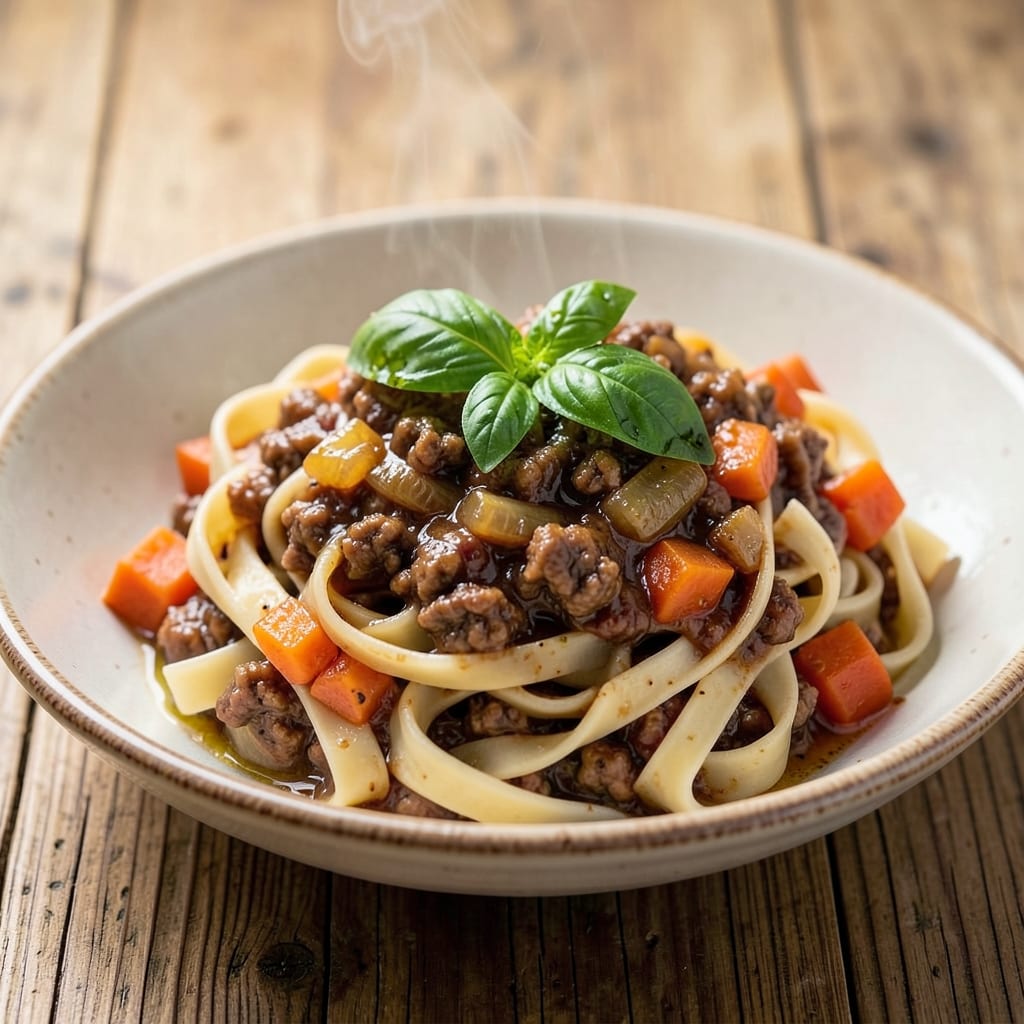
This authentic beef bolognese recipe delivers the rich, wine-reduced sauce you crave—deep in flavor, slow-cooked to perfection, and built on traditional Italian techniques. The secret lies in simmering ground beef with tomatoes, aromatics, and a splash of red wine until it develops that signature intense umami depth and velvety texture. I've perfected this version after years of testing, ensuring every spoonful tastes like Nonna's kitchen.
The foundation starts with a proper soffritto—onions, carrots, and celery cooked low and slow to build flavor—before adding ground beef and letting it brown deeply. A splash of red wine deglazes the pan, forming the base for a sauce that reduces into a glossy, concentrated masterpiece. The key is patience: this isn't a quick weeknight dish, but the results are worth every minute of simmering.
By the time you twirl that first forkful of al dente tagliatelle through the sauce, you'll taste layers of complexity—caramelized onions, herbaceous richness, and a wine-infused depth that elevates it beyond basic tomato sauce. This is the kind of bolognese that makes you reach for seconds, with a texture that coats the pasta perfectly without being heavy.
Serve with fresh pasta like tagliatelle or pappardelle to soak up every bit of sauce, and pair with a simple arugula salad to cut through the richness. The leftovers? Even better the next day as the flavors meld further. Let's make this classic Italian masterpiece.
Ingredients for authentic beef bolognese
Rich, slow-simmered flavors start with these quality ingredients—each playing its part in that perfect umami depth.
| Ingredient | Amount | Notes |
|---|---|---|
| Ground Beef 🥩 | 1 ½ lb | 80% lean for best texture |
| Extra-Virgin Olive Oil 🫒 | ½ cup | High-quality for richness |
| Yellow Onion 🧅 | 1 whole | Finely chopped for soffritto |
| Carrots 🥕 | 1 whole | Peeled, finely diced |
| Celery Stalks 🌿 | 2 whole | Finely chopped, leafy parts trimmed |
| Garlic Cloves 🧄 | 4 cloves | Peeled, minced |
| Dry Red Wine 🍷 | 1 cup | Bold, dry variety like Cabernet |
| Canned San Marzano Tomatoes 🍅 | 28 oz | Crushed by hand |
| Tomato Paste 🍅 | 2 tbsp | High-quality, no sugar added |
| Fresh Rosemary 🌿 | ½ tsp | Finely chopped, stems removed |
| Fresh Thyme 🌿 | ½ tsp | Leaves only, finely chopped |
| Bay Leaves 🍃 | 2 whole | Dried, whole |
| Kosher Salt 🧂 | 1 ½ tsp | Diamond Crystal preferred |
| Freshly Ground Black Pepper 🌶️ | ½ tsp | Cracked peppercorns preferred |
| Whole Milk 🥛 | ¼ cup | For finishing, full-fat preferred |
The beef is non-negotiable—80% lean ground chuck gives you that melt-in-your-mouth texture. Most grocery stores carry it pre-ground, but if you're feeling fancy, ask your butcher to grind it fresh. For the soffritto, yellow onions, carrots, and celery (the holy trinity) should be finely chopped—almost paste-like. Whole Foods or Trader Joe's usually have the best selection of fresh produce for this. The San Marzano tomatoes are worth the splurge—they're sweeter and less acidic than regular canned tomatoes, which is crucial for that authentic Italian flavor. If you can't find them, any high-quality crushed tomatoes will do, but don't skimp on quality here.
No red wine? Dry red grape juice works in a pinch, but the acidity will be different. Fresh herbs are ideal, but dried rosemary and thyme at half the amount will get you close if that's what you've got. The tomato paste can be substituted with tomato sauce at double the amount, though it won't be as concentrated. For the milk at the end, half-and-half or heavy cream works too if you prefer a richer finish. The bay leaves? Don't skip them—they add an earthy depth that's essential for that traditional flavor. And whatever you do, measure that salt carefully—it's easy to overdo it when you're tasting as you go.
This sauce tastes even better the next day as the flavors meld. Store leftovers in an airtight container in the fridge for up to 5 days, or freeze for 3 months in portion-sized containers. I like to freeze it in 1-cup portions so I can pull out exactly what I need for a meal. When reheating, add a splash of water or pasta water to loosen it up—it thickens as it cools. And if you've got extra time, simmer it uncovered for 10 minutes to evaporate any excess moisture for that perfect consistency.
Why You'll Love This Recipe
- One-Pot Magic: I swear by this—just brown the beef, toss in the onions, carrots, and celery (that classic soffritto combo), and let it simmer. No extra pans, no fuss, and honestly? The house smells like heaven while it cooks.
- Rich, Deep Umami: The olive oil caramelizes those onions until they’re golden, then the beef browns just enough to lock in that meaty flavor. Add a splash of red wine (if you’re feeling fancy) or just let the tomatoes take over—either way, it’s ridiculously satisfying.
- Meals for Days: Between us, this is my go-to for lazy Sundays or when I need to feed the whole family. Double the batch, freeze half, and boom—you’ve got dinner covered for weeks. (Yes, even on a Tuesday night.)
- Budget-Friendly Powerhouse: Ground beef and veggies? That’s about as affordable as it gets. Plus, the carrots and celery stretch the flavor so well, you won’t miss the pricier ingredients. My wallet and my taste buds thank me every time.
Step-by-step instructions for authentic beef bolognese
Here's how to craft a rich, wine-infused Bolognese that clings perfectly to pasta.
Build the Soffritto Foundation
Heat the 0.5 cup extra-virgin olive oil in a heavy Dutch oven over medium-low heat. Add the finely chopped 1 whole yellow onion, 1 whole peeled and diced carrot, and 2 whole chopped celery stalks. Cook for 10-12 minutes, stirring occasionally, until the vegetables soften and begin to caramelize slightly. This slow cooking develops their natural sweetness, which forms the flavor base.
Add the 4 minced garlic cloves and cook for another 1 minute until fragrant. Here's the thing—don't let the garlic brown or it'll turn bitter. Remove from heat immediately after you smell that aromatic punch. This aromatic trio creates what Italians call "soffritto," the soul of any good Bolognese.
Brown the Beef and Deglaze
Increase heat to medium-high and add the 1.5 lb ground beef in batches, breaking it up with a wooden spoon. Cook until the beef loses its raw color and develops a deep brown crust—this takes about 8-10 minutes. You want that meaty flavor from the Maillard reaction, not just cooked beef.
Once browned, pour in the 1 cup dry red wine and scrape up all those delicious browned bits from the bottom of the pot. This deglazing step captures all that concentrated flavor. Let the wine simmer for 3-4 minutes until it reduces by half. The alcohol will cook off, leaving behind just the wine's rich, fruity essence.
Simmer the Tomato Base
Add the 2 tbsp tomato paste and stir to combine completely. This paste thickens the sauce and deepens its color. Pour in the 28 oz crushed San Marzano tomatoes, then add the 0.5 tsp chopped fresh rosemary, 0.5 tsp chopped fresh thyme, 2 whole bay leaves, 1.5 tsp kosher salt, and 0.5 tsp freshly ground black pepper. Stir well to distribute all the flavors.
Bring the mixture to a gentle simmer, then reduce heat to low. Here's the crucial part: cover the pot and let it cook for 1 hour 30 minutes, stirring occasionally. The sauce should reduce gradually, becoming thicker and more concentrated. If it gets too thick before then, add 1-2 tablespoons of water to maintain proper consistency. The long simmering time allows all the flavors to meld and develop that authentic, deep umami character.
Finish with Milk for Velvety Texture
After the initial simmering time, stir in the 0.25 cup whole milk. This might seem counterintuitive, but the milk's fat content helps break down the proteins in the meat, creating a silky texture. Let the sauce cook uncovered for another 15-20 minutes, stirring occasionally, until it reaches your desired consistency—it should coat the back of a spoon but still be loose enough to cling to pasta.
Taste and adjust seasoning if needed. The sauce should be rich, balanced, and full of layered flavors. Remove the bay leaves before serving, as they can be bitter if eaten. This finishing step transforms your Bolognese from good to extraordinary, giving it that signature velvety texture that makes it pasta-perfect.
Pro Tips For Making Authentic Beef Bolognese
- Sweat, Don’t Burn the Sofritto: Start your onions, carrots, and celery in a cold, dry pan with olive oil—no rush. Too much heat and they’ll turn to mush before they soften properly. I learned this the hard way after a batch tasted like overcooked wallpaper glue.
- Use Lean Beef, Then Add Fat: Mix your ground beef with 10-15% ground pork or pancetta (if you’re feeling fancy) for richness, but don’t skip the lean. The fat renders out, but the beef stays juicy—just break it up with your hands, not a spoon, to avoid dense clumps.
- Deglaze Like a Pro: After browning the meat, don’t just splash in wine and stir. Let it sit for 30 seconds, then scrape every last bit of fond from the bottom with a wooden spoon. That’s where the flavor hides, and skipping it means missing out on the real depth.
- Simmer Low and Slow: Cover the pot and let it bubble gently for at least 45 minutes—no peeking. High heat turns bolognese into a gluey mess, and you want those vegetables to melt into the meat, not just stew in their own juices. Patience here makes all the difference.
Serving suggestions for authentic beef bolognese
Pasta Pairings
For the ultimate experience, serve this bolognese with fresh egg tagliatelle or pappardelle—their wide, flat surfaces create the perfect surface area to catch every bit of sauce. I always use De Cecco brand pasta for its al dente texture and neutral flavor that lets the sauce shine. If you can't find fresh pasta, Barilla #5 works beautifully too. 🍝
For a rustic touch, try rigatoni or fettuccine—their ridges hold the sauce even better. Avoid thin noodles like spaghetti, as they'll break under the sauce's weight. Pro tip: Toss the pasta with a splash of pasta water before adding the sauce to create a silky emulsion.
Side Dish Balance
A simple arugula salad with lemon vinaigrette cuts through the richness perfectly. Toss 4 cups baby arugula with 2 tbsp extra-virgin olive oil, 1 tbsp fresh lemon juice, and a pinch of flaky sea salt. This peppery bite refreshes your palate between bites of rich bolognese. 🥗
For a heartier option, serve with garlic bread made from a crusty sourdough loaf—the crispy crust soaks up any leftover sauce beautifully. Another great choice is roasted Brussels sprouts with a sprinkle of pecorino cheese for a balance of textures and flavors.
Wine Pairings
A bold Chianti Classico or Sangiovese complements the wine notes in the sauce perfectly. The acidity in these Italian reds cuts through the richness, while their earthy undertones enhance the bolognese's depth. I love Castello di Volpaia for its balance of fruit and tannins. 🍷
If you prefer something smoother, a Barolo or Amarone della Valpolicella adds complexity with their dried fruit and spice notes. For a budget-friendly option, Montepulciano d'Abruzzo offers excellent value without sacrificing quality.
Finishing Touches
Garnish each serving with a sprinkle of freshly grated Parmigiano-Reggiano—the nutty, umami flavor elevates the dish instantly. I use a microplane to get fine, even shavings that melt into the sauce. A few fresh basil leaves also add a bright, herbal contrast. 🌿
For an extra touch of luxury, drizzle with high-quality balsamic glaze or a few drops of white truffle oil—just enough to enhance, not overpower. The key is to let the bolognese's flavors shine while adding subtle depth.
Nutrition facts
Frequently asked questions
Why does authentic Bolognese take so long to make?
The 2-hour simmering time is essential for developing deep, complex flavors through slow reduction. This gradual cooking process breaks down the meat's proteins and allows the wine and tomatoes to meld into a rich, concentrated sauce. The patience pays off with layers of umami that can't be achieved with quick cooking methods.
Can I substitute ground beef with another meat?
For authenticity, stick with 80% lean ground chuck, but you can use ground pork (50/50 blend) for extra richness. Avoid lean meats like turkey—they'll make the sauce dry. For vegetarian versions, mushrooms or lentils work best when combined with tomato paste and wine for depth.
What's the secret to getting the perfect texture?
The milk at the end is key—it creates a silky texture by breaking down meat proteins. Also, simmer uncovered during the final 15-20 minutes to reduce any excess moisture. The sauce should coat the back of a spoon but remain loose enough to cling to pasta.
How do I fix a Bolognese that's too thick?
Add 1-2 tablespoons of water or pasta water while stirring, then simmer for 5 minutes to let it absorb. For extra richness, stir in 1 teaspoon of tomato paste—it thickens as it cools. Never add milk directly to fix thickness; it'll make the sauce greasy.
Can I make this ahead of time?
This sauce tastes even better after 24 hours as flavors meld. Store in an airtight container in the fridge for up to 5 days or freeze for 3 months. Reheat gently on low heat, adding a splash of water if needed. The longer it rests, the more complex the flavors become.