
Soups & Stews
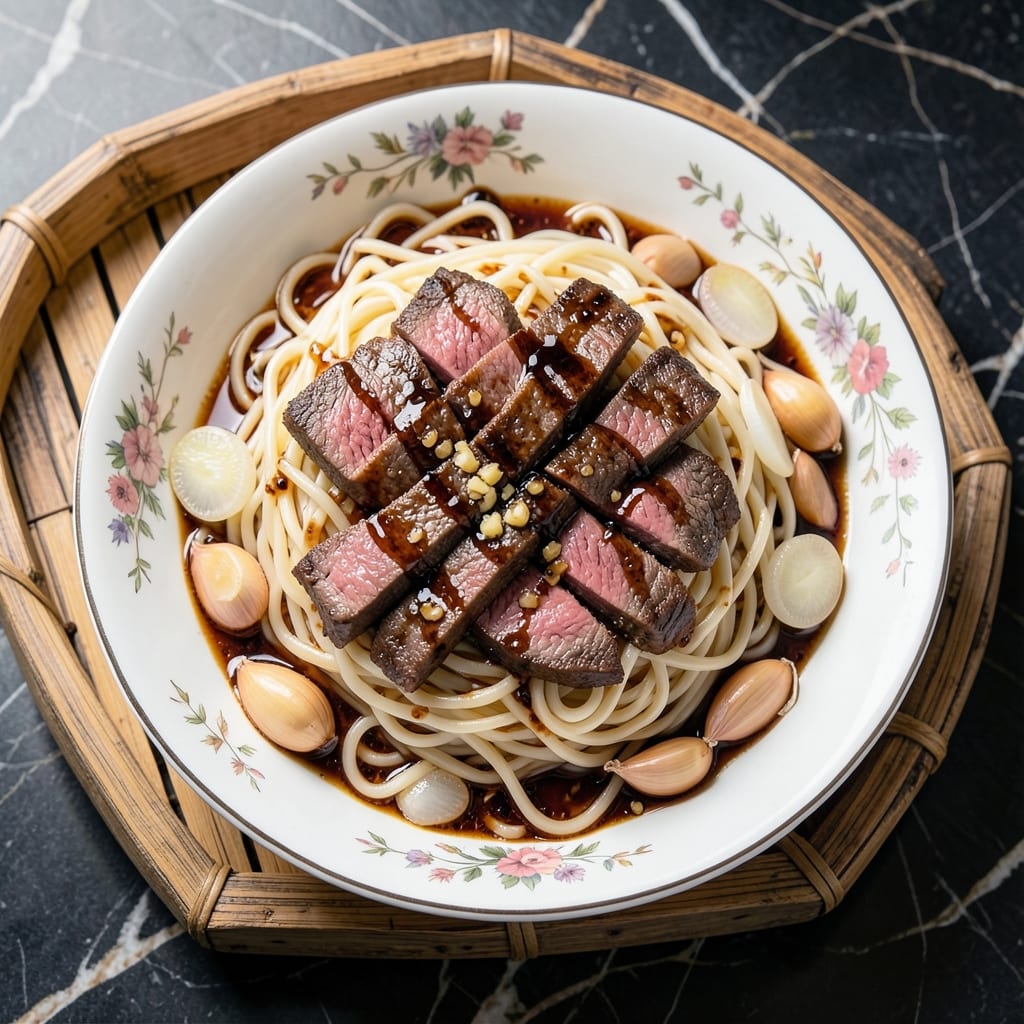
This authentic beef chow fun recipe delivers the smoky, charred flavors of Cantonese street food right to your kitchen. The secret lies in the wok hei—those signature smoky notes that transform simple ingredients into something extraordinary. I've perfected this recipe through countless wok sessions, ensuring every toss delivers crispy garlic, tender beef, and perfectly cooked noodles.
The foundation starts with fresh egg noodles, stir-fried to a tender yet slightly chewy texture, then tossed with thinly sliced beef that's been marinated in a blend of soy sauce, Shaoxing wine, and sesame oil. The beef develops a beautiful charred crust from the high-heat wok, while crispy garlic and fried shallots add layers of texture and aroma. This isn't just a dish—it's an experience that captures the essence of Hong Kong's bustling street markets.
What you'll achieve is a plate of restaurant-quality chow fun where every element plays its part: the noodles cling together just enough to hold the beef, the charred bits add depth, and the crispy garlic provides that essential crunch. The dish should be served immediately, while the wok is still smoking, so the flavors are at their peak. This is comfort food at its finest—simple ingredients elevated by technique.
For an authentic touch, finish with a drizzle of chili oil and a sprinkle of fresh cilantro. The chili oil adds a subtle heat that balances the richness, while the cilantro brings a fresh contrast. This recipe serves 2-3 as a main dish, but it's the kind of meal that disappears quickly when shared with others. Let's get cooking—your taste buds are about to be transported to a Hong Kong street corner.
Ingredients for authentic beef chow fun
The key ingredients for wok-tossed beef chow fun—where crispy garlic meets tender beef over chewy noodles.
| Ingredient | Amount | Notes |
|---|---|---|
| Fresh Egg Noodles 🍜 | 8 oz | Dried or fresh, cut into 3-inch strips |
| Top Sirloin Steak 🥩 | 12 oz | Thinly sliced against grain |
| Garlic Cloves 🧄 | 6 cloves | Minced, skin-on for extra crisp |
| Shallots 🧅 | 2 whole | Thinly sliced, fried until crisp |
| Soy Sauce 🥄 | 3 tbsp | Light or dark, for marinade |
| Shaoxing Wine 🍷 | 2 tbsp | Substitute with dry sherry |
| Sesame Oil 🫒 | 1 tbsp | Toasted, for aroma |
| Neutral Oil 🫒 | ½ cup | Peanut or vegetable oil |
| Chili Oil 🌶️ | 2 tbsp | For finishing, store-bought or homemade |
| Fresh Cilantro 🌿 | ¼ cup | Chopped, for garnish |
| Ground White Pepper 🌶️ | ½ tsp | White pepper preferred |
| Sugar 🍚 | 1 tsp | Balances flavors |
| Salt 🧂 | 1 tsp | Kosher or sea salt |
The top sirloin is essential for that signature charred texture—thinly sliced against the grain ensures tenderness. Look for well-marbled cuts at your local butcher or Asian market; Costco often carries pre-sliced versions for convenience. Fresh egg noodles are ideal, but if using dried, soak for 10-12 minutes until pliable. For garlic, skin-on cloves fry to golden perfection—don’t peel them until after frying. Whole Foods or Asian grocery stores carry the best quality for this dish.
No Shaoxing wine? Dry sherry or mirin work in a pinch, though the flavor won’t be identical. Sesame oil should be toasted—non-toasted lacks that nutty depth. If you’re short on time, pre-minced garlic (from a tube) is fine, but fresh is always better. Shallots can be swapped for onions, though they add a more delicate sweetness. For the chili oil, Trader Joe’s or H Mart carry excellent pre-made versions, or make your own with chili flakes and neutral oil. Fresh cilantro is non-negotiable for that bright finish—dried won’t cut it.
Store raw beef in an airtight container for up to 2 days in the fridge. Fresh garlic and shallots keep for 1 week in the fridge, wrapped loosely in a paper towel. Sesame oil stays fresh for 6-12 months in a cool, dark place. Cooked noodles reheat best in a steam basket—they’ll stay chewy, not mushy. Chili oil keeps for 3 months in the fridge, so make extra for future dishes.
Why You'll Love This Recipe
- One-Pan Magic: I swear by this—just sear the steak, toss in those fragrant shallots and garlic, and let the soy sauce work its magic. No chopping mountains of veggies, no cluttered counters. The egg noodles absorb every last bit of that savory, umami-rich sauce like a dream.
- Steakhouse Crunch: That crisp-tender sirloin? It’s the star. Sliced thin against the silky noodles, with garlic and shallots caramelizing into a sticky, aromatic glaze—it’s the kind of bite that makes you forget takeout exists. (Yes, even on a Tuesday night.)
- Lunchbox Hero: Between us, this is my go-to for meal prep. Pack the leftovers cold—the noodles hold up better than you’d think—and reheat with a splash of water. My kids (the picky ones) actually finish their plates. That’s saying something.
- Budget Flex: Top sirloin might sound fancy, but a single pound stretches across two meals for my family of four. Swap in flank steak or even chicken thigh if needed—this dish doesn’t judge. Honestly, the flavor’s so bold, no one notices.
Step-by-step instructions for wok-tossed noodles with charred beef
Master the wok hei technique for restaurant-quality chow fun at home.
Prepare the Beef Marinade and Slice the Steak
In a small bowl, combine the 3 tbsp soy sauce, 2 tbsp Shaoxing wine, 1 tsp sugar, and 1 tsp salt. Whisk until the sugar dissolves completely. Place the 12 oz top sirloin steak in a resealable plastic bag, pour the marinade over it, and massage it into the meat. Seal the bag and refrigerate for at least 30 minutes—this ensures deep flavor penetration.
While the beef marinates, slice it thinly against the grain into ¼-inch thick strips. The grain runs lengthwise, so look for the muscle fibers and cut perpendicular to them. Thin slices ensure quick cooking and maximum tenderness. Keep the beef refrigerated until ready to cook.
Cook the Garlic and Shallots for Crispy Aromatics
Heat 0.25 cup neutral oil in a wok or large skillet over medium-high heat until shimmering. Add the 6 cloves garlic cloves (skin-on) and 2 whole shallots, sliced into thin rings. Stir-fry for 3-4 minutes until the garlic turns deep golden brown and the shallots are crispy. Remove them with a slotted spoon and set aside on a paper towel-lined plate.
Don't skip the skin-on garlic—it adds an extra layer of crispy texture. If the garlic starts to burn before browning, reduce the heat slightly. These aromatics will be sprinkled over the finished dish for that signature chow fun crunch.
Stir-Fry the Beef Until Caramelized
Drain the marinated beef and pat it dry with paper towels—this prevents steaming. Working in batches if needed, heat 0.25 cup neutral oil in the same wok over high heat until it smokes slightly. Add the beef and stir-fry for 1-2 minutes until it develops a deep caramelized crust. Remove the beef with a slotted spoon and set aside.
The high heat is crucial here—it creates wok hei, that smoky aroma that defines authentic chow fun. If the beef releases easily from the wok, it's ready. Don't overcrowd the pan or the temperature will drop, leading to steamed instead of seared beef.
Cook the Noodles Al Dente and Combine Ingredients
Bring a large pot of water to a rolling boil and add 8 oz fresh egg noodles. Cook for 2-3 minutes until they're al dente—they should still have a slight bite. Drain immediately and rinse briefly with cold water to stop the cooking. Toss the noodles with 1 tbsp sesame oil to prevent sticking.
Return the wok to high heat with 1 tbsp neutral oil remaining. Add the cooked noodles and toss vigorously for 1 minute to heat through. Add the caramelized beef back to the wok, along with the crispy garlic and shallots. Pour in any accumulated juices from the beef.
Finish with Sauce and Garnish for Authentic Flavor
Lower the heat to medium and add 1 tbsp soy sauce to the wok. Toss everything together for 30 seconds until the noodles are evenly coated. Remove from heat and drizzle with 2 tbsp chili oil. Sprinkle with 0.25 cup chopped cilantro and 0.5 tsp ground white pepper. Toss gently to combine.
Serve immediately while the noodles are hot and the aromatics are still crisp. The dish should have a balance of caramelized beef, crispy garlic and shallots, and slightly chewy noodles. Each bite should deliver layers of umami, heat from the chili oil, and fresh herb brightness.
Pro Tips For Making Authentic Beef Chow Fun
- SEAR STEAK IN BATCHES: That sizzling sound is music, but don’t overload the pan—cut your sirloin into thin strips and cook them in two rounds if needed. Crowding steak makes it steam instead of sear, and you’ll end up with sad, gray slices instead of caramelized perfection. Trust me, the extra minute waiting for the pan to reheat is worth it.
- SLICE SHALLOTS THINLY: I used to chop them like onions, and they’d turn to mush in the wok. For chow fun, slice shallots paper-thin—almost translucent—and they’ll add sweetness without disappearing. A sharp knife and a steady hand make this the difference between "meh" and "wow."
- SALT NOODLES BEFORE COOKING: Toss your fresh egg noodles with a teaspoon of salt before boiling them. The strands absorb flavor like sponges, and skipping this step means your noodles taste bland even after stir-frying. (Yes, even if you’re adding soy sauce later—it’s not enough.)
- STOP STIR-FRY WHEN IT LOOKS DONE: Chow fun should be tender-crisp, not mushy. Pull the noodles off heat the second they’re just cooked—overstir-frying turns them into a gluey mess. Taste a piece right out of the wok: if it’s still slightly firm, you’re golden. If it’s soft, you’ve gone too far.
Essential equipment for perfect results
Wok Essentials
A carbon steel wok is non-negotiable for authentic chow fun—its flat bottom distributes heat evenly, and the material retains heat perfectly. I recommend a 14-inch wok from Made In or Lodge for the best balance of affordability and performance. If you don’t own a wok, a heavy-bottomed cast iron skillet (like All-Clad) works in a pinch, though it lacks the traditional shape. 🔥
For high heat control, use a propane or natural gas burner—they reach higher temperatures faster than electric stoves. If you’re on electric, a griddle attachment helps mimic wok heat distribution. Preheat your wok until it smokes slightly before adding oil—this ensures proper searing and that signature wok hei aroma.
Heat Control Tools
A wok thermometer (like Thermoworks Smoke) helps monitor temperatures precisely—aim for 500-550°F when stir-frying beef. Without one, watch the oil: it should shimmer but not burn when you flick a drop with your fingers. For extra control, keep a small bowl of ice water nearby to quickly cool hot tools or ingredients.
Long heat-resistant tongs (like OXO Good Grips) are essential for tossing noodles and beef without overcrowding the wok. I also keep a small ladle (about 6-inch) for adding oil or sauces without disturbing the ingredients. A fine-mesh strainer helps drain noodles efficiently while retaining their shape.
Prep Station Setup
Organize your prep station like a pro: use three small bowls for marinade, sesame oil, and chili oil. A sharp chef’s knife (like Mac Knife) and cutting board are mandatory for thinly slicing beef against the grain. For garlic and shallots, a microplane creates ultra-fine textures that crisp beautifully.
Keep paper towels within reach to pat dry beef and absorb excess oil. A small plate lined with paper towels catches crispy garlic and shallots while they cool. I also recommend a timer—this dish moves fast, and precise timing ensures perfect textures. Pro tip: Use a spray bottle with water to quickly rinse noodles after cooking.
Optional Upgrades
For extra wok hei, invest in a wok lid with a handle—it helps control heat when needed. A wok brush (with natural bristles) keeps your carbon steel wok seasoned and rust-free. If you love chow fun, a small chili oil maker (like La Bamba) lets you customize heat levels at home.
For presentation, small serving bowls (like Himalayan salt bowls) elevate the dish instantly. A tongs set with different sizes helps when serving multiple people. And while not essential, a small mortar and pestle lets you make fresh garlic paste for next-level flavor. 💫
Nutrition facts
Frequently asked questions
Can I use dried egg noodles instead of fresh?
Yes, but you'll need to adjust the cooking time. Dried noodles should soak in warm water for 10-12 minutes until pliable, then drain and rinse briefly with cold water. They'll be slightly firmer than fresh noodles, so cook them for 1 extra minute in the wok to achieve that perfect chewy texture.
What's the best cut of beef for chow fun?
Top sirloin is ideal for its marbling and tenderness, but flank steak or ribeye work well too. Look for cuts with good fat content—the fat renders quickly and adds flavor. Pre-sliced beef from Asian markets is often perfect, but if slicing yourself, cut against the grain into ¼-inch thick strips for maximum tenderness.
Why does my beef turn out tough instead of tender? Overcooking is the most common issue—beef should cook for just 1-2 minutes in the wok until caramelized but still juicy inside.
Can I make chow fun ahead of time?
It's best served immediately for peak texture, but you can prep components ahead. Marinate the beef up to 24 hours in advance. Cook the garlic and shallots separately and store in an airtight container for 2 days. Keep noodles uncooked until serving. Reheat noodles in a steamer basket for 2 minutes and beef separately in a pan for 1 minute before tossing together.
What's the secret to getting crispy garlic and shallots?
Leave the garlic skins on and use skin-on shallots—they create extra crispiness. Cook in 0.25 cup neutral oil over medium-high heat until deep golden brown, about 3-4 minutes. Remove immediately with a slotted spoon to prevent burning. For extra crunch, fry in batches if needed. The secret is patience—don't rush this step!