
Soups & Stews
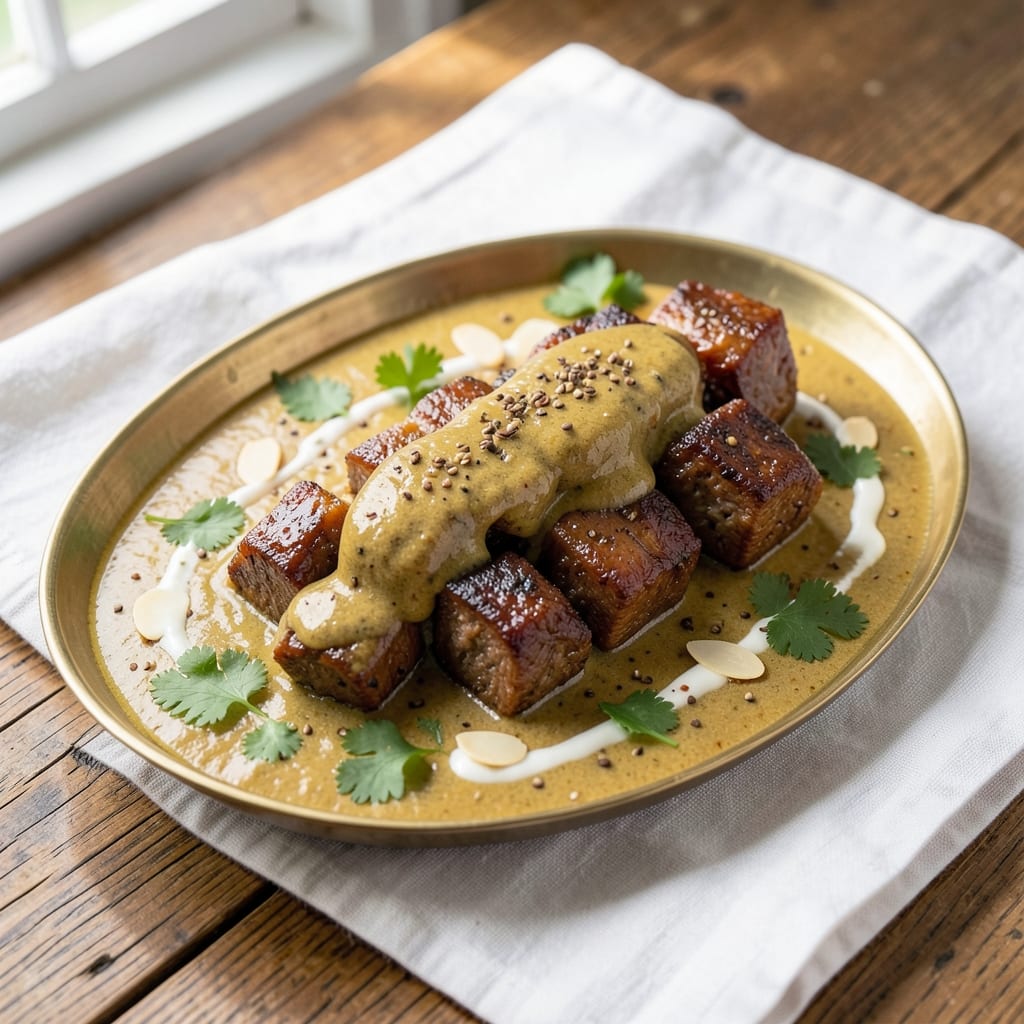
This authentic beef korma recipe delivers restaurant-quality depth in every spoonful, with velvety yogurt and fragrant cardamom creating a symphony of North Indian flavors. The secret lies in slow-cooking tender beef until it melts in your mouth while building layers of aromatic spices—garam masala, kasuri methi, and warm cinnamon—that transform simple ingredients into something extraordinary. I've perfected this one-pot method over years of testing, ensuring the sauce remains perfectly balanced between creamy richness and tangy brightness.
The foundation of an authentic korma is proper spice layering—blooming whole spices in hot oil before adding ground powders creates complex aromatics that infuse the beef during its long simmer. Unlike quick versions, this recipe demands patience: the beef marinates overnight in yogurt and spices, then cooks low and slow until fork-tender. The result is a sauce that's luxuriously thick yet never heavy, with just enough acidity from lemon juice to cut through the creaminess.
What you'll achieve is a dish that transports you to a bustling Delhi restaurant—golden-brown beef pieces swimming in a fragrant, creamy sauce that clings to every bite. The texture is impossible to resist: tender beef, silky sauce, and just enough texture from toasted nuts and dried fruit. Serve it with basmati rice or warm naan to soak up every last drop of that aromatic sauce.
This recipe scales beautifully for gatherings, and the leftovers only improve as flavors meld overnight. The key to success is balancing the spices precisely—too much garam masala can overpower, while insufficient yogurt makes the sauce break. Trust the process, and you'll have a dish that rivals your favorite takeout spot. Let's begin with the marinade, where all the magic starts.
Ingredients for authentic beef korma
This one-pot masterpiece delivers restaurant-quality korma with just 17 ingredients—most you already have.
| Ingredient | Amount | Notes |
|---|---|---|
| Beef Chuck Roast 🥩 | 2 lb | Cut into 1.5-inch cubes |
| Plain Yogurt 🥛 | 1 ½ cups | Full-fat, unsweetened |
| Heavy Cream 🥛 | ½ cup | Full-fat for richness |
| Garam Masala 🌶️ | 2 tbsp | Store-bought or homemade |
| Ground Cumin 🌿 | 1 tbsp | Toasted for depth |
| Ginger Root 🧄 | 1 tbsp | Freshly grated, peeled |
| Garlic Cloves 🧄 | 6 cloves | Peeled, roughly chopped |
| Onion 🧅 | 1 whole | Yellow, finely chopped |
| Tomato Paste 🍅 | 2 tbsp | Smooth, no sugar added |
| Lemon Juice 🍋 | 2 tbsp | Freshly squeezed |
| Kasuri Methi 🌿 | 1 tbsp | Dried fenugreek leaves |
| Cardamom Pods 🌿 | 6 whole | Lightly crushed |
| Cinnamon Sticks 🌿 | 2 whole | For aroma |
| Bay Leaves 🌿 | 2 whole | Dried, for depth |
| Salt 🧂 | 1 ½ tsp | Kosher or sea salt |
| Black Peppercorns 🌶️ | ½ tsp | Freshly cracked |
| Vegetable Oil 🫒 | ½ cup | High smoke point |
The beef is non-negotiable—chuck roast melts into tender chunks while sirloin stays tough. Grab it pre-cubed from the butcher counter to save time, or ask for 1.5-inch chunks if buying whole. Costco or Whole Foods carry great quality, but any supermarket's chuck works. For the yogurt, full-fat Greek yogurt is ideal—it thickens the sauce beautifully. If you're using regular yogurt, strain it through a cheesecloth for 30 minutes first to remove excess liquid.
No garam masala? Mix 1 tbsp cumin, 1 tsp coriander, 1 tsp turmeric, 1 tsp black pepper, and ½ tsp cinnamon for a quick substitute. Fresh ginger and garlic can be swapped for powdered, but reduce to half the amount—powdered lacks the bright punch. Short on kasuri methi? Dried oregano at one-third the amount mimics some of the earthiness. The tomato paste? Trader Joe's has the best no-sugar-added version in a squeeze tube—no waste, lasts forever. And if you can't find cardamom pods, ground cardamom works in a pinch, but the whole pods add that magical aroma when toasted.
This marinade keeps for 2 days in the fridge, but the beef tastes even better after overnight soaking. The cooked sauce reheats beautifully—just add a splash of water or cream to loosen it up. For storage, glass jars with tight lids preserve the flavors best. Freezes for 3 months if you portion it into containers. Pro tip: Save the kasuri methi leaves for garnish—they add a fresh, herbal note that takes this dish to the next level.
Why You'll Love This Recipe
- One-Pot Magic: I swear by this recipe—just sear the beef, toss in the spices, and let it slow-cook. No chopping, no fuss, and the yogurt and cream do all the work while you sip tea.
- Rich Without Effort: That garam masala and cumin blend? It’s like a warm hug in a bowl. The heavy cream makes it velvety, while the yogurt keeps it bright—no heavy-handed spices here.
- Weeknight to Dinner Party: Serve it with naan for a lazy Tuesday or over basmati for guests. The chuck roast stays tender, so it’s just as welcome on a busy night as it is when company’s over.
- Budget-Friendly Luxury: A chuck roast stretches for days, and the spices cost pennies. Make a double batch—it reheats beautifully, and the leftovers taste even better the next day. (Yes, even after lunch.)
Step-by-step instructions for authentic beef korma
Here's how to create restaurant-quality beef korma with rich, creamy layers and aromatic spices.
Brown the Beef for Deep Flavor
Heat the 0.5 cup vegetable oil in a heavy-bottomed pot over medium-high heat until shimmering. Add the 2 lb beef chuck roast cut into 1.5-inch cubes in batches, being careful not to overcrowd the pan. Let the beef sear for 3-4 minutes per side until developing a deep golden-brown crust.
This browning step is crucial—it develops the Maillard reaction that creates complex flavors. Don't rush this part; you'll know it's ready when the beef releases easily from the pan. Once all pieces are browned, transfer them to a plate and set aside.
Build the Aromatic Spice Base
In the same pot, reduce heat to medium and add the 1 whole onion chopped into small pieces. Cook for 5-6 minutes until softened and golden. Add the 6 cloves garlic cloves and 1 tbsp ginger root (freshly grated), cooking for another 1 minute until fragrant.
Stir in the 1 tbsp ground cumin, 2 tbsp garam masala, 2 whole cinnamon sticks, 6 whole cardamom pods (lightly crushed), and 2 whole bay leaves. Cook for 30 seconds to toast the spices—this releases their essential oils and deepens their flavor. The spices should sizzle gently and fill your kitchen with an incredible aroma.
Develop the Sauce Foundation
Add the 2 tbsp tomato paste and cook for 2 minutes until it darkens slightly. Pour in 1 cup of water and scrape up any browned bits from the bottom of the pot with a wooden spoon. This deglazing step captures all the flavor you've built so far.
Return the beef to the pot along with any accumulated juices. Add 1.5 tsp salt and 0.5 tsp black peppercorns, then pour in 1.5 cups plain yogurt. Stir gently to combine, then reduce heat to low and let the mixture simmer for 15 minutes, stirring occasionally. This slow cooking allows the yogurt to meld with the spices and beef.
Finish with Cream and Kasuri Methi
Once the mixture has thickened slightly, stir in the 0.5 cup heavy cream and 2 tbsp lemon juice. The cream will create a luxurious, velvety texture while the lemon juice brightens the dish. Add the 1 tbsp kasuri methi (dried fenugreek leaves) and cook for another 5 minutes to let the flavors meld.
Here's the thing—kasuri methi has a unique, slightly bitter taste that adds depth to the dish. If you can't find it, you can substitute with a pinch of dried fenugreek seeds (toasted and ground), though the texture won't be identical. Taste and adjust seasoning if needed—you might want to add a bit more salt or garam masala to balance the flavors.
Simmer to Perfect Creaminess
Continue simmering on low heat for 20-25 minutes, stirring occasionally, until the sauce has thickened to a perfect consistency. It should coat the back of a spoon but still be creamy, not gluey. If it thickens too much, add 2-3 tablespoons of water to reach your desired consistency.
Remove the cinnamon sticks and bay leaves before serving—these have served their purpose and can be quite tough. The dish should have a beautiful, glossy sheen with tender beef swimming in a rich, creamy sauce. Serve immediately with basmati rice or naan bread to soak up every delicious bite.
Pro Tips For Making Authentic Beef Korma
- Sear the Chuck First: That beef chuck won’t tenderize itself—hit it with a screaming-hot pan (no oil needed, the fat will render) until deep brown crusts form in 3-4 minutes per side. I learned this the hard way after serving a pale, mushy korma that tasted like it was simmered, not built—that crust locks in flavor and keeps it from falling apart later.
- Bloom the Spices Slow: Toast your whole cumin seeds (not ground) in the same pan for 30 seconds until they pop, then add the rest of the spices—garam masala, coriander, whatever else you’re using—and cook for 2 full minutes until the oil shimmers and smells like a spice market. Ground cumin burns faster than you think, and skipping this step makes the sauce taste flat, like someone forgot the soul.
- Strain the Yogurt: Drain that yogurt for at least 30 minutes in a fine-mesh strainer lined with cheesecloth—yes, it’s tedious, but you’re removing the whey that turns your sauce into glue. I used to skip this and ended up with a thick, clumpy korma that clung to the pan like regret. The result? Creamy, silky sauce that coats every bite.
- Finish with Heavy Cream Late: Stir in the heavy cream only in the last 5 minutes of cooking—right after you’ve reduced the sauce to a rich, syrupy consistency. Adding it early turns your korma into a sad, watery curry. The cream needs heat to open up its flavor, not to get drowned out by the spices. Trust me, your taste buds will notice.
Creative variations of this authentic beef korma
North Indian Style
This classic version focuses on a delicate balance of yogurt creaminess and spiced beef without heavy coconut milk. The sauce should be smooth yet tangy, achieved by simmering the yogurt and spices for at least 30 minutes to develop depth. I like adding 1 tsp sugar at the end to enhance the sauce's silky texture—a trick I picked up from Delhi's Paranthe Wali Gali restaurants. Garnish with toasted cashews and raisins for crunch and sweetness, just like the legendary Karim's in Mumbai. 🌶️
Pakistani Butter Korma
Pakistani-style korma is richer and more indulgent, often including ghee instead of oil and extra cream for a velvety finish. For this version, increase the heavy cream to 1 cup and add 2 tbsp ghee when browning the beef. Stir in 1 tsp sugar and ½ cup chopped almonds at the end for a luxurious touch. This style is perfect for special occasions—it's what you'd find at Karachi's famous "Korma House" restaurants. The sauce should be thicker and more decadent, almost like a cross between a curry and a dessert. 🥛
Mughlai-Inspired Luxury
For a royal Mughlai twist, use bone marrow (1 tbsp) instead of some of the cream and add 1 tsp saffron infused in 2 tbsp warm milk. This version is all about opulence—think of the dishes served in Lucknow's Wazir Hotel. The beef should be extra tender, so I recommend pressure cooking for 15 minutes after the initial browning to ensure melt-in-your-mouth texture. Garnish with silver leaf (varak) for that authentic royal touch. 💫
Vegetarian Adaptation
Swap the beef for chickpeas (3 cups, cooked) or pan-fried paneer (1.5 lbs, cubed) for a vegetarian version that still delivers deep flavor. Use the same spice blend but reduce the garam masala to 1 tbsp—it can overpower lighter proteins. Add 1 cup chopped spinach at the end for color and nutrients. This version is inspired by Jaipur's vegetarian thalis, where korma is often paired with dal and roti. The sauce should still be creamy and aromatic, just without the meaty richness. 🌱
Spicy Green Korma
For a fresh, herb-forward twist, add 1 cup finely chopped cilantro and ½ cup mint leaves at the end of cooking. Increase the green chili count to 3 (blended into the marinade) and add 1 tsp chaat masala for tanginess. This style is popular in Hyderabad's street food stalls, where it's often served with garlic naan. The sauce will be lighter and brighter, with a vibrant green hue from the herbs. 🌿
Slow-Cooker Version
For hands-off cooking, use a 6-quart slow cooker on low for 6-8 hours. Brown the beef in a separate pan first, then add everything else to the slow cooker. The long cooking time infuses the beef with spices without drying it out. This method is perfect for weeknight dinners—just press "start" in the morning and come home to a restaurant-quality meal. The sauce will be even more tender and flavorful than stovetop versions. ⏰
Nutrition facts
Frequently asked questions
Can I use chicken or lamb instead of beef for this korma?
This recipe works beautifully with chicken thighs (bone-in for best flavor) or lamb shoulder. For chicken, reduce cooking time to 20-25 minutes after adding the yogurt, as it cooks faster. With lamb, increase to 40-45 minutes for tender results. The marinade and spice blend remain the same—just adjust the cooking time based on your protein choice.
What makes this sauce so creamy without coconut milk?
The secret lies in the yogurt base and heavy cream combination, simmered low and slow. The yogurt thickens naturally while absorbing the spices, and the cream adds luxurious richness. For extra depth, toast the garam masala and cumin until fragrant—this releases their natural oils that create that velvety texture. The kasuri methi also plays a key role in binding the sauce.
How do I fix a broken sauce (curdled or separated)?
If your sauce separates, whisk in 1-2 tablespoons of cold water or yogurt while stirring vigorously. For curdling, remove from heat immediately and stir in 1 tablespoon of cornstarch mixed with 2 tablespoons cold water to thicken. If it's too tangy, balance with ½ teaspoon sugar or a splash of lemon juice. Always cook on low heat to prevent breaking.
Can I make this ahead of time?
This korma actually improves overnight! Cook as directed, then refrigerate in an airtight container for up to 3 days. Reheat gently on low heat, adding a splash of water or cream to loosen the sauce. For best results, reheat only until warmed through—overcooking can make the sauce separate. The flavors meld beautifully, making it perfect for meal prep.
What's the best way to store leftovers?
Transfer to glass containers with tight lids to preserve flavors. Keeps in the fridge for 4 days or freezes for 3 months. When reheating, cover with a lid and warm on low heat with 1-2 tablespoons water to prevent drying. For freezing, portion into individual servings for easy reheating. The sauce may thicken slightly when cold—just stir in a splash of cream or water when reheating.