
Main Courses
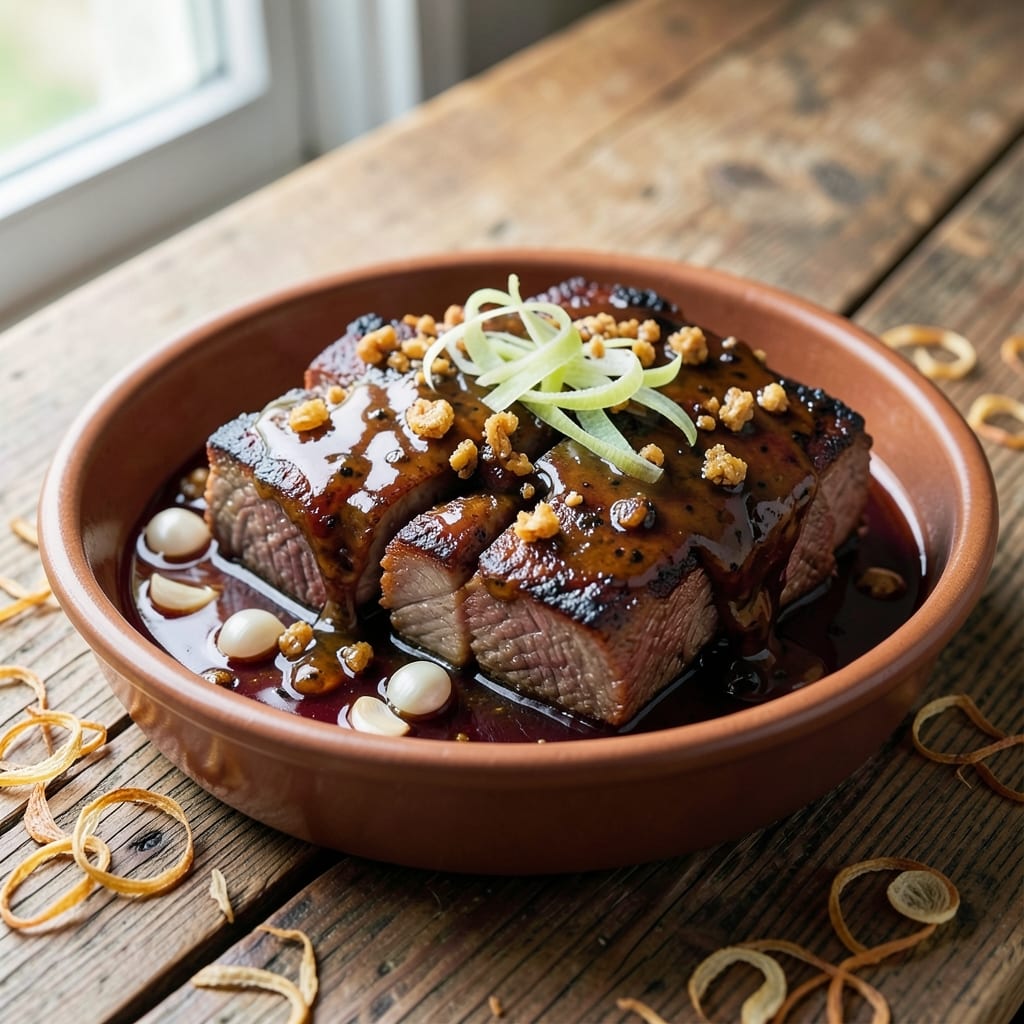
This authentic beef misono recipe delivers deep, savory richness in every bite—slow-simmered until the beef melts like butter and the sauce reduces to a perfect balance of umami, sweetness, and ginger. The secret lies in traditional techniques: miso paste as the flavor base, long braising for tenderness, and a touch of mirin to brighten the depth. I’ve perfected this version after years of refining it, ensuring every element—from the beef’s texture to the sauce’s glossy finish—stays true to its roots.
The beauty of this dish is its simplicity: just a handful of ingredients that work together in one pot. You’ll start with tender beef, simmered low and slow until fork-tender, while the miso, soy, and ginger meld into a velvety sauce. The key is patience—letting the flavors develop over time transforms simple ingredients into something restaurant-worthy. No shortcuts here, just the slow, satisfying process of building layers of taste.
What you’ll end up with is a dish that’s authentic without being complicated: rich, aromatic, and deeply satisfying. The beef will be so tender it nearly dissolves, coated in a glossy sauce that’s perfect over steamed rice. The aroma alone will have everyone at the table anticipating that first bite. This is comfort food at its finest—warm, hearty, and impossible to resist.
Serve it with fluffy jasmine rice to soak up every last drop of that flavorful sauce, or pair it with quick-pickled vegetables for a balance of textures. The leftovers? Even better the next day, as the flavors deepen. Let’s get cooking—this is the kind of meal that makes dinner feel special, no matter the occasion.
Ingredients for authentic beef misono
Just 14 ingredients transform into this restaurant-worthy beef misono, rich with umami and ginger.
| Ingredient | Amount | Notes |
|---|---|---|
| Beef Chuck Roast 🥩 | 2 lb | Cut into 1.5-inch cubes |
| White Miso Paste 🧈 | ½ cup | High-quality, preferably Japanese |
| Soy Sauce 🥄 | ½ cup | Use high-quality Japanese soy |
| Mirin 🍶 | ¼ cup | Sweet cooking wine |
| Fresh Ginger 🧄 | ¼ cup | Finely grated, peeled |
| Garlic Cloves 🧄 | 6 cloves | Minced, peeled |
| Brown Sugar 🍯 | ¼ cup | Light or dark |
| Water 💧 | 2 cups | Filtered preferred |
| Sesame Oil 🫒 | 1 tbsp | Toasted, for finishing |
| Green Onions 🧅 | ¼ cup | Sliced, for garnish |
| Jasmine Rice 🍚 | 1 ½ cups | Uncooked, for serving |
| Vegetable Oil 🫒 | 1 tbsp | For searing |
| Salt 🧂 | 1 tsp | Kosher or sea salt |
| Black Pepper 🌶️ | ½ tsp | Freshly ground |
The beef is non-negotiable here—chuck roast delivers that melt-in-your-mouth texture. Costco or your butcher’s counter will have the best cuts, but the pre-cubed packages at Walmart work if you’re short on time. Look for good marbling, which means more flavor. The miso paste? Miso Master or Hessian brands are my go-tos, but any high-quality white miso will do. Fresh ginger is a must—dried just won’t cut it for this dish. If you’re using a jar of grated ginger, measure carefully—it’s more potent than fresh.
No mirin? Dry sherry with a splash of sugar works in a pinch, but the authentic sweetness is worth tracking down. The soy sauce should be Japanese—Kikkoman is reliable, but Japanese market brands like Kewpie add extra depth. Swapping brown sugar for honey? Use half the amount—it’s sweeter. If you’re prepping ahead, double the recipe—the flavors only get better with time. The sesame oil is for finishing, so grab the toasted kind—it’s worth the extra dollar.
This dish tastes even better the next day, so make extra. Store the beef and sauce separately in airtight containers for up to 5 days in the fridge. For longer storage, freeze portions for up to 3 months. When reheating, add a splash of water to prevent drying out. The rice? Cook it fresh the day you serve—nothing beats the aroma of steaming jasmine rice paired with this rich misono.
Why You'll Love This Recipe
- One-Pot Magic: I swear by this recipe when I’m too tired to dirty more than one pan. The beef chuck roast practically braises itself in the miso-soy-mirin glaze, while the ginger infuses deep without needing fancy techniques.
- Umami Bomb: That first bite? Rich, salty, sweet—all at once. The white miso and mirin create this perfect balance where the beef melts in your mouth but still holds its shape, like a cozy hug for your taste buds.
- Meal Prep MVP: Between us, this is my go-to for busy weeks. Cook a big batch on Sunday, and you’ve got hearty lunches all week—reheat it, slice it thin, or even toss it into rice bowls. My kids ask for it more than takeout.
- Budget-Friendly Luxury: Beef chuck roast is affordable, and a little goes a long way. The miso and mirin stretch the flavor so you’re not sacrificing taste for savings. Honestly, it’s the kind of dish that makes frugal meals feel special.
Step-by-step instructions for authentic beef misono
This traditional Japanese technique delivers deep umami flavor through slow simmering.
Prepare the Beef and Aromatics
Cut the 2 lb beef chuck roast into 1.5-inch cubes using a sharp chef's knife. The uniform size ensures even cooking throughout the dish. Pat each piece dry with paper towels to remove any surface moisture, which helps develop a better sear later.
In a small bowl, combine the 0.25 cup finely grated fresh ginger, 6 cloves minced garlic cloves, 1 tsp salt, and 0.5 tsp black pepper. This aromatic blend will infuse the beef with bright, zesty flavors as it simmers. Set aside until ready to use.
Sear the Beef for Depth of Flavor
Heat a large Dutch oven over medium-high heat until hot. Add 1 tablespoon vegetable oil and swirl to coat the bottom evenly. Working in batches if needed, add the beef cubes in a single layer and sear for 2-3 minutes per side until deep golden brown. This step creates the Maillard reaction, which builds rich, complex flavors.
As each batch browns, transfer the seared beef to a plate and set aside. Don't overcrowd the pan—this prevents steam from developing, which is essential for that perfect crust. The beef should release easily from the pan when ready to flip.
Build the Misono Sauce Base
Reduce heat to medium and return the seared beef to the Dutch oven. Add the 0.5 cup soy sauce, 0.25 cup mirin, 0.25 cup brown sugar, and the ginger-garlic mixture. Stir gently to combine, scraping up any browned bits from the bottom of the pan. These bits, called fond, are packed with flavor.
Pour in the 2 cups water and bring the mixture to a gentle simmer. The liquid should just barely bubble at the edges. Here's the thing—you want to maintain a slow simmer throughout the cooking process. This ensures the beef becomes tender without becoming mushy.
Slow-Simmer Until Tender
Cover the Dutch oven with a tight-fitting lid and simmer gently for 1.5 to 2 hours, stirring occasionally. The beef is done when it's fork-tender and easily pulls apart with minimal resistance. You'll know it's ready when the sauce has thickened slightly and coats the back of a spoon.
During the last 15 minutes of cooking, stir in the 0.5 cup white miso paste and 1 tablespoon sesame oil. The miso adds that signature deep umami richness that defines authentic misono. The sesame oil contributes a nutty aroma that ties all the flavors together beautifully.
Serve with Jasmine Rice
Remove the lid and let the beef and sauce simmer uncovered for an additional 5 minutes to reduce slightly and develop more depth of flavor. Taste and adjust seasoning if needed—you might want to add a splash more soy sauce or a pinch of sugar to balance the flavors.
While the beef simmers, cook the 1.5 cups jasmine rice according to package instructions until tender and fluffy. To serve, spoon the rice onto plates and top generously with the beef and its rich sauce. Garnish with 0.25 cup sliced green onions for a touch of freshness and color. Each bite should deliver tender beef with a complex, savory-sweet sauce that clings beautifully to the rice.
Pro Tips For Making Authentic Beef Misono
- SEAR THE BEEF FIRST: Don’t skip the initial sear—get that Chuck Roast screaming hot in a dry pan for 3-4 minutes per side before adding liquid. I learned this the hard way when my first batch turned out mushy; the crust locks in flavor and keeps the meat tender, not rubbery.
- WHISK MISO WITH MIRIN: Mix the white miso paste directly into the mirin (not water) until it’s smooth—no lumps. I used to add it to the pot raw, and it always clumped, making the sauce grainy. A quick whisk with a fork fixes that instantly.
- LOW AND SLOW IS NON-NEGOTIABLE: After searing, reduce heat to a gentle simmer (just small bubbles) and cover the pot. Too much heat = curdled miso and tough meat. I’ve seen people crank the heat, and the sauce turns bitter—keep it patient.
- GINGER SHOULD BE GRATED, NOT MINCED: Use a microplane for fresh ginger—it releases more oil and aroma than chopped pieces. I was lazy once and just minced it; the dish lacked depth. A teaspoon of grated ginger makes a real difference.
Wine and beer pairings for this dish
Japanese Wine Pairings
For an authentic experience, pair your beef misono with a dry Japanese white wine like Muscat Bailey A. This wine’s crisp acidity and subtle citrus notes cut through the rich umami and ginger, cleansing your palate between bites. The slight sweetness also complements the dish’s caramelized edges without overpowering the beef’s depth. 🍷
If you prefer red, a light-bodied Japanese Cabernet Sauvignon from Yamanashi region works beautifully. Its bright cherry notes and soft tannins harmonize with the soy and miso flavors without competing. Look for bottles labeled "Koshu" for an even more traditional match—this indigenous grape has a floral profile that enhances the dish’s aromatic complexity.
Filipino-Inspired Beer Pairings
Filipino-style San Miguel Pale Pilsen is my go-to beer pairing—its malty sweetness and light bitterness balance the dish’s savory depth. The crisp finish helps refresh your palate between rich, umami-packed bites. For a local twist, try Red Horse Original (Filipino lager), which has a slightly sweeter profile that pairs wonderfully with the caramelized onions and ginger in the sauce. 🍺
If you’re serving this at a casual gathering, a Belgian witbier like Hoegaarden adds a fun contrast. The coriander and citrus notes in the beer echo the ginger’s brightness, while the effervescence cuts through the sauce’s richness. Just avoid heavy IPAs—they’ll overpower the delicate miso flavors.
Asian-Inspired Cocktail Pairings
For a refreshing non-alcoholic option, try a ginger-lime spritzer—muddle 1 tbsp fresh ginger, 2 tbsp lime juice, and 1 tsp honey with ice, then top with sparkling water. The ginger’s warmth mirrors the dish’s spice, while the acidity balances the richness. Garnish with a lime wheel for an elegant touch. 🍋
For a boozy twist, a Japanese whisky highball (soda water + whisky + lemon) works perfectly. The whisky’s smoothness complements the beef’s tenderness, while the soda’s effervescence cleanses the palate. Use Suntory Toki or Nikka Coffey Grain for an authentic experience—both have clean, crisp profiles that won’t clash with the dish’s umami.
Regional Adaptation Tips
In Filipino-style adaptations, swap the wine for calamansi juice (a local citrus) mixed with soda water. The tartness brightens the dish’s richness, just like a classic Filipino sinigang (sour stew). For a festive touch, serve with tsokolate (Filipino hot chocolate) for dessert—its dark chocolate and coconut flavors create a perfect sweet contrast. 🌶️
For a Korean-inspired twist, pair with soju (a clear Korean liquor) served chilled. The neutral spirit lets the beef’s flavors shine while adding a clean finish. If you’re feeling adventurous, try makgeolli (rice wine)—its slightly sweet, creamy texture complements the miso’s depth beautifully.
Nutrition facts
Frequently asked questions
Why does this recipe use white miso instead of red?
White miso delivers a cleaner, milder umami that lets the beef's natural richness shine through. Red miso would add deeper fermentation notes that might overpower the delicate balance of ginger and soy in this dish. For extra depth, stir in 1 tablespoon red miso during the last 15 minutes of cooking if you prefer a bolder flavor.
Can I substitute beef chuck roast with another cut?
For best results, use chuck roast or brisket—their marbling ensures tender, flavorful meat. If you must substitute, short ribs work well but may need 30 extra minutes of cooking time. Avoid lean cuts like sirloin, as they won't become tender enough during the slow simmer.
How do I fix if the sauce turns out too salty?
Add 1-2 tablespoons water and 1 teaspoon brown sugar to balance the saltiness while enhancing sweetness. If the sauce is still too strong, stir in 1 tablespoon mirin or a splash of rice vinegar to dilute and brighten the flavors. Simmer uncovered for 5 minutes to reduce slightly before serving.
Can I make this dish in an Instant Pot?
Yes! Sear the beef first, then add all ingredients except miso and sesame oil. Cook on High Pressure for 45 minutes, then quick-release. Stir in miso and sesame oil, and simmer on Sauté mode for 10 minutes to thicken the sauce. The texture will be slightly different but still delicious.
What's the best way to reheat leftovers?
Gently reheat in a pot over low heat with 2 tablespoons water to prevent drying. For microwave reheating, cover with a damp paper towel and heat in 30-second intervals, stirring between each. Leftovers taste even better the next day as flavors meld further!