
Main Courses
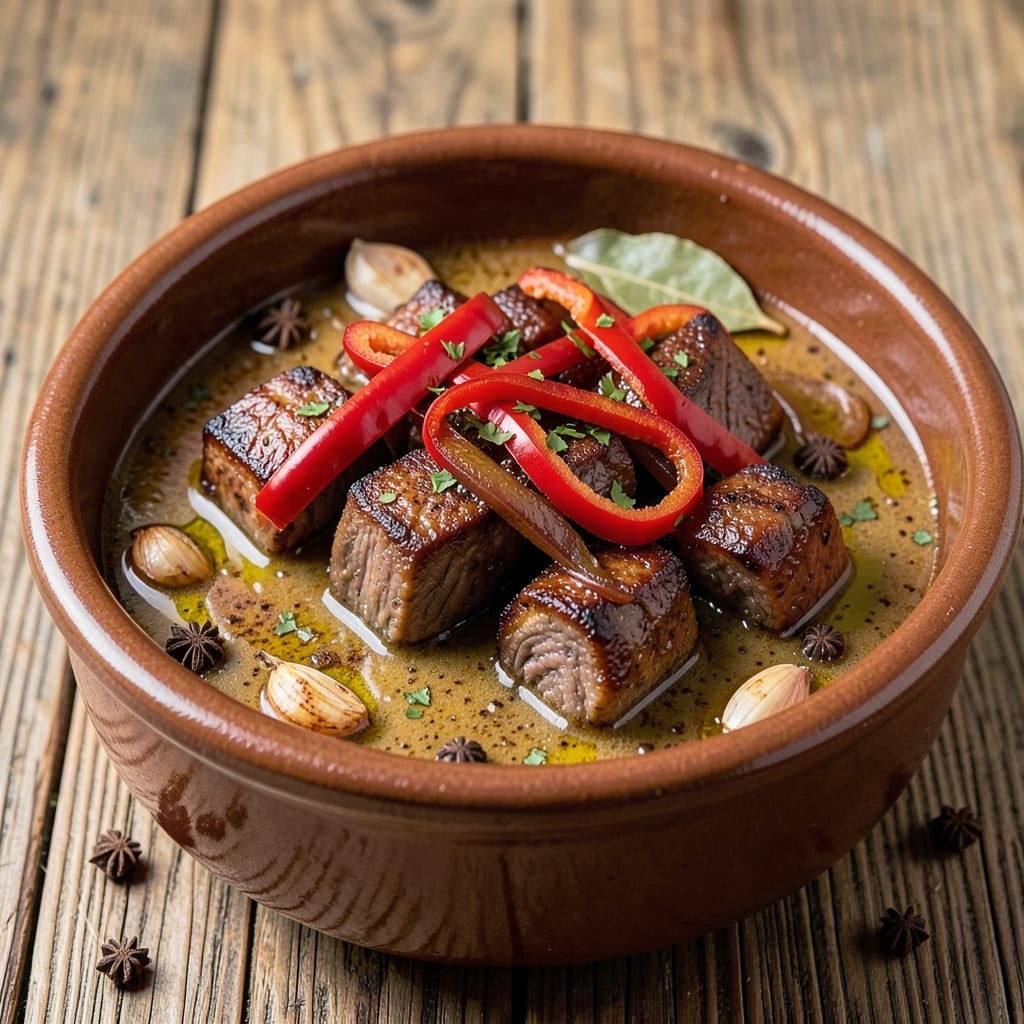
This authentic beef stifado recipe transports you to a Greek taverna with its deep, smoky paprika and caramelized onions—every spoonful tells a story. The secret lies in slow-simmering tender beef with warm spices like cinnamon and allspice, creating a sauce so rich it melts into each bite. I perfected this version after years of experimenting, balancing tradition with foolproof techniques that deliver restaurant-quality results at home.
The beauty of stifado is its simplicity disguised as complexity. You'll start with a marination that tenderizes the beef while infusing it with aromatic flavors, then build layers of depth through slow cooking. The onions caramelize into sweet, jammy perfection, while the spices—especially the allspice—add warmth without overpowering. This isn't just a stew; it's a flavor journey that begins with raw ingredients and ends with a dish that feels like a hug.
What makes this recipe truly special is the balance of textures and flavors: fork-tender beef, velvety sauce, and the subtle crunch of caramelized onions in every bite. The slow simmer ensures the meat stays moist while developing deep, complex flavors. Serve it with crusty bread to soak up every last drop of that paprika-infused sauce, or pair it with roasted potatoes for a hearty meal that feels both comforting and celebratory.
While this recipe stays true to its Greek roots, I've included a few modern twists—like a wine reduction for extra depth—that elevate it without losing authenticity. The result is a dish that's equally at home on a weeknight table or a holiday feast. Let's get cooking, and experience the soul of Greek comfort food for yourself.
Ingredients for authentic beef stifado
These rich ingredients transform simple beef into a Greek taverna classic with slow-simmered paprika richness.
| Ingredient | Amount | Notes |
|---|---|---|
| Beef Chuck Roast 🥩 | 2 lb | Cut into 1.5-inch cubes |
| Yellow Onions 🧅 | 3 whole | Thinly sliced for caramelizing |
| Garlic Cloves 🧄 | 6 cloves | Minced for aromatic depth |
| Sweet Paprika 🌶️ | 2 tbsp | Smoked paprika for extra richness |
| Ground Cinnamon 🌿 | 1 tsp | Freshly ground for warmth |
| Ground Allspice 🌶️ | ½ tsp | Key for authentic flavor |
| Dried Oregano 🍃 | 1 tsp | Greek oregano preferred |
| Tomato Paste 🍅 | 2 tbsp | High-quality for depth |
| Red Wine 🍷 | 1 cup | Dry Cabernet Sauvignon |
| Beef Broth 💧 | 2 cups | Homemade or quality store-bought |
| Olive Oil 🫒 | ½ cup | Extra-virgin for richness |
| Salt 🧂 | 1 ½ tsp | Kosher salt for seasoning |
| Black Pepper 🌶️ | ½ tsp | Freshly ground for heat |
| Fresh Parsley 🌿 | ¼ cup | Chopped for garnish |
The beef is the heart of stifado, so choose chuck roast—it stays tender while absorbing flavors. Most grocery stores carry it pre-cubed, but if buying whole, ask the butcher to cut it into 1.5-inch pieces for even cooking. For onions, yellow or sweet onions work best—they caramelize beautifully. I always grab a 5-pound bag from Costco when making a big batch, but regular supermarket onions are fine for a weeknight dinner. Look for onions with firm, dry skins—they'll last longer and caramelize better.
No red wine? Dry white wine or extra beef broth works in a pinch, though red wine adds depth. Fresh oregano is ideal, but dried at half the amount gets you close. For tomato paste, Trader Joe's squeeze tubes are perfect—they're convenient and last months. The paprika is non-negotiable; smoked paprika adds that authentic Greek taverna flavor. If you can't find it, a mix of regular paprika plus a pinch of liquid smoke mimics it. The allspice is crucial—it's what gives stifado its signature warmth. If you're short, a pinch of nutmeg can help, but it's not the same.
This dish tastes even better the next day as flavors meld. Store leftovers in an airtight container in the fridge for up to 5 days, or freeze for 3 months. I always make a double batch—one for dinner, one to freeze for lazy days. The onions can be prepped ahead and stored in the fridge for 3 days, saving time on cooking day. The beef cubes can marinate overnight in the spices, wine, and broth for maximum tenderness—just remember to bring them to room temperature before cooking.
Why You'll Love This Recipe
- One-Pot Magic: I swear by this—just brown the beef, toss in onions and garlic, then let the paprika and cinnamon work their slow-cooked magic. No extra pans, no fuss.
- Deep Umami Love: That beef chuck? It gets so tender it practically melts, while the onions caramelize into something sweet and rich. Honestly, the first bite makes you pause.
- Weeknight to Dinner Party: Same recipe, different vibes—serve it over crusty bread for a casual night in or with mashed potatoes for company. The cinnamon and paprika keep it warm and inviting.
- Budget-Friendly Feast: A chuck roast stretches across meals, and the spices cost pennies. I’ve fed six people for under $15, and no one complains about seconds. (Yes, even on a Tuesday night.)
Step-by-step instructions for authentic beef stifado
This traditional Greek dish delivers deep, smoky flavors through careful layering and slow simmering.
Prepare the Beef and Aromatics
Cut the 2 lb beef chuck roast into 1.5-inch cubes for even cooking. Pat them dry with paper towels—this helps the meat brown properly and develop that rich crust. In a large Dutch oven, heat 0.5 cup olive oil over medium-high heat until shimmering. Working in batches, add the beef cubes and sear for 3-4 minutes per side until deeply browned. You'll know they're ready when they release easily from the pan.
Remove the seared beef and set aside. In the same pot, add 3 whole yellow onions that have been thinly sliced. Cook them slowly over medium heat for 15-20 minutes, stirring occasionally, until they turn a beautiful golden brown and caramelize. This step builds the foundation of flavor—don't rush it. When the onions are nearly done, add 6 cloves minced garlic and cook for 30 seconds until fragrant. Here's where the magic starts.
Build the Spiced Base
Reduce the heat to medium-low and stir in 2 tbsp sweet paprika, 1 tsp ground cinnamon, 0.5 tsp ground allspice, and 1 tsp dried oregano. Let the spices toast in the onion-garlic mixture for 1-2 minutes until aromatic. This step awakens the spices' flavors and prevents them from tasting raw. Then add 2 tbsp tomato paste and cook for another 1 minute, stirring constantly to prevent burning.
Pour in 1 cup red wine and scrape up any browned bits from the bottom of the pot—this is called deglazing, and it captures all the flavor you've built so far. Let the wine simmer for 3-4 minutes until reduced by half. The alcohol will cook off, leaving behind concentrated wine flavors. This is the moment where the dish starts to come together—don't skip the reduction.
Simmer the Stifado to Perfection
Return the browned beef to the pot along with 2 cups beef broth, 1.5 tsp salt, and 0.5 tsp black pepper. Bring to a gentle boil, then reduce heat to low and cover partially. Let it simmer for 2-2.5 hours, stirring occasionally, until the beef is fork-tender and the sauce has thickened slightly. The key here is patience—this slow cooking breaks down the tough beef into melt-in-your-mouth pieces while developing deep, complex flavors.
About 30 minutes before the beef is fully tender, check the sauce consistency. If it's too thin, uncover the pot and simmer uncovered for the last 15 minutes to reduce it further. The sauce should coat the back of a spoon but still be saucy enough to coat the beef. Real talk: if you taste it now, you'll already notice the balance of sweet caramelized onions, smoky paprika, and rich beef flavors coming together.
Finish and Serve
Once the beef is tender, stir in 0.25 cup chopped fresh parsley and adjust seasoning if needed—this herb adds freshness to cut through the richness. Let the stifado rest for 10 minutes before serving. This resting period allows the juices to redistribute throughout the beef, ensuring each bite is moist and flavorful. The dish should have a glossy, slightly thickened sauce that clings beautifully to the beef.
Serve the beef stifado hot, traditionally with crusty bread or orzo to soak up the rich sauce. The authentic version is all about the balance of flavors—sweet onions, smoky spices, and tender beef all working together. The longer it sits, the better the flavors meld, so if you can make it ahead and reheat gently, the taste will only improve. This is comfort food at its finest, with every element playing its part in perfect harmony.
Pro Tips For Making Authentic Beef Stifado
- Sear the Onions Low and Slow: I learned this the hard way—after burning three batches, I finally figured out that stifado’s onions need patience. Cook them over medium-low heat until deep golden, stirring every 5-7 minutes, or they’ll turn to ash before caramelizing. This isn’t the prettiest method, but it’s the tastiest.
- Use Unsweetened Tomato Paste: Skip the sweetened kind—it throws off the balance. A couple of tablespoons of unsweetened paste thickens the sauce naturally and doesn’t mask the cinnamon or paprika. Trust me, your dish won’t taste like dessert if you use the right stuff.
- Brown the Beef Chuck Properly: Don’t just sear it—get those edges dark and crusty in batches. Crowding the pan steams the meat instead of browning, and you’ll end up with gray, bland chunks. Work in two batches if needed, and resist the urge to rush.
- Simmer, Don’t Boil: After adding the broth, keep the heat at a gentle simmer. Boiling toughens the meat and makes the sauce watery. A steady, low bubble lets the flavors meld without turning your stifado into soup. Sounds weird, but it works.
Flavor customization for this authentic beef stifado
Spice Level Flexibility
Adjust the heat to your preference by tweaking the paprika and allspice. For a milder version, reduce the sweet paprika to 1 tbsp and omit the allspice entirely—this still delivers authentic flavor without the warmth. If you crave more heat, add ½ tsp cayenne pepper or 1 tsp smoked paprika for depth. I’ve tested this with Penzeys’ hot smoked paprika, and it adds a smoky kick that’s perfect for adventurous eaters. 🌶️
Sweet-Tangy Balance
Enhance the natural sweetness of the caramelized onions by adding 1 tbsp honey or 1 tbsp balsamic vinegar during the simmer. The honey mellows the spices, while the balsamic adds a tangy contrast. For a modern twist, stir in 2 tbsp tomato concassé (diced tomatoes with skins removed) in the last 15 minutes of cooking. This brightens the dish and mimics the fresh tomatoes often used in Greek tavernas. 🍯
Herb Variations
Swap out the dried oregano for fresh thyme or rosemary to add an earthy depth. I love adding 1 sprig fresh rosemary while the onions caramelize—it infuses the oil with a piney aroma. For a Mediterranean twist, finish with 1 tbsp chopped dill or 1 tsp fennel seeds (toasted in the onions). These herbs elevate the dish without overpowering the beef’s richness. 🌿
Wine Substitutions
If you’re avoiding alcohol, replace the red wine with 2 cups beef broth or 1 cup apple cider plus ½ cup broth. For a non-alcoholic but still flavorful option, use 1 cup pomegranate juice—its tartness mimics the acidity of wine. If you have dry sherry, it’s a fantastic substitute for red wine, adding a nutty complexity that pairs beautifully with the spices. 🍷
Texture Contrasts
Add ½ cup cooked orzo or ½ cup diced potatoes (boiled until tender) to the stew during the final 30 minutes of cooking. The orzo absorbs the sauce like a sponge, while potatoes add a hearty texture. For extra crunch, top with toasted breadcrumbs or crumbled feta cheese just before serving. These additions turn stifado into a one-pot meal with satisfying variety. 🥔
Modern Upgrades
For a restaurant-quality finish, stir in 1 tbsp unsalted butter during the last 5 minutes of cooking—it adds a silky texture. A splash of 1 tbsp brandy (flambéed off) or 1 tsp vanilla extract (trust me, it works!) can also deepen the sauce. I’ve even experimented with 1 tsp espresso powder for a subtle coffee note that cuts through the richness. These tweaks keep the dish traditional while feeling fresh and exciting. ✨
Nutrition facts
Frequently asked questions
What cut of beef works best for authentic stifado?
Use chuck roast for the best results—it's the traditional choice because it stays tender while absorbing all those rich flavors. Cut it into 1.5-inch cubes for even cooking. If you can't find chuck, brisket or short ribs work well too, though they may need slightly longer cooking times.
Can I make stifado without red wine?
Replace the 1 cup red wine with 1 cup beef broth or 1 cup apple cider for a non-alcoholic version. For extra depth, try 1 cup pomegranate juice—it adds a nice tartness that mimics wine's acidity. The dish will still be delicious, though the wine adds that special umami richness.
How do I know when the beef is fully tender?
The beef should be fork-tender with no resistance when pierced. After 2 hours of simmering, test a piece—it should fall apart easily. If it's still tough, continue cooking for another 30 minutes. The sauce should thicken naturally as the beef releases its juices. Pro tip: Skim any excess fat from the surface during cooking to prevent a greasy sauce.
What's the best way to reheat leftover stifado?
Gently reheat leftovers on the stove over low heat with a splash of water or broth to prevent drying out. Avoid microwaving as it can make the sauce watery. For best results, reheat just until warmed through—5-10 minutes—and serve immediately. The flavors actually improve overnight, so leftovers taste even better!
Why does my stifado taste bland?
Blandness usually means the spices weren't toasted enough or the wine wasn't reduced properly. Always toast the spices in the onions for 1-2 minutes to awaken their flavors, and reduce the wine by half before adding broth. Also check your salt—stifado should be seasoned generously, especially since the beef absorbs flavors during cooking.