
Main Courses
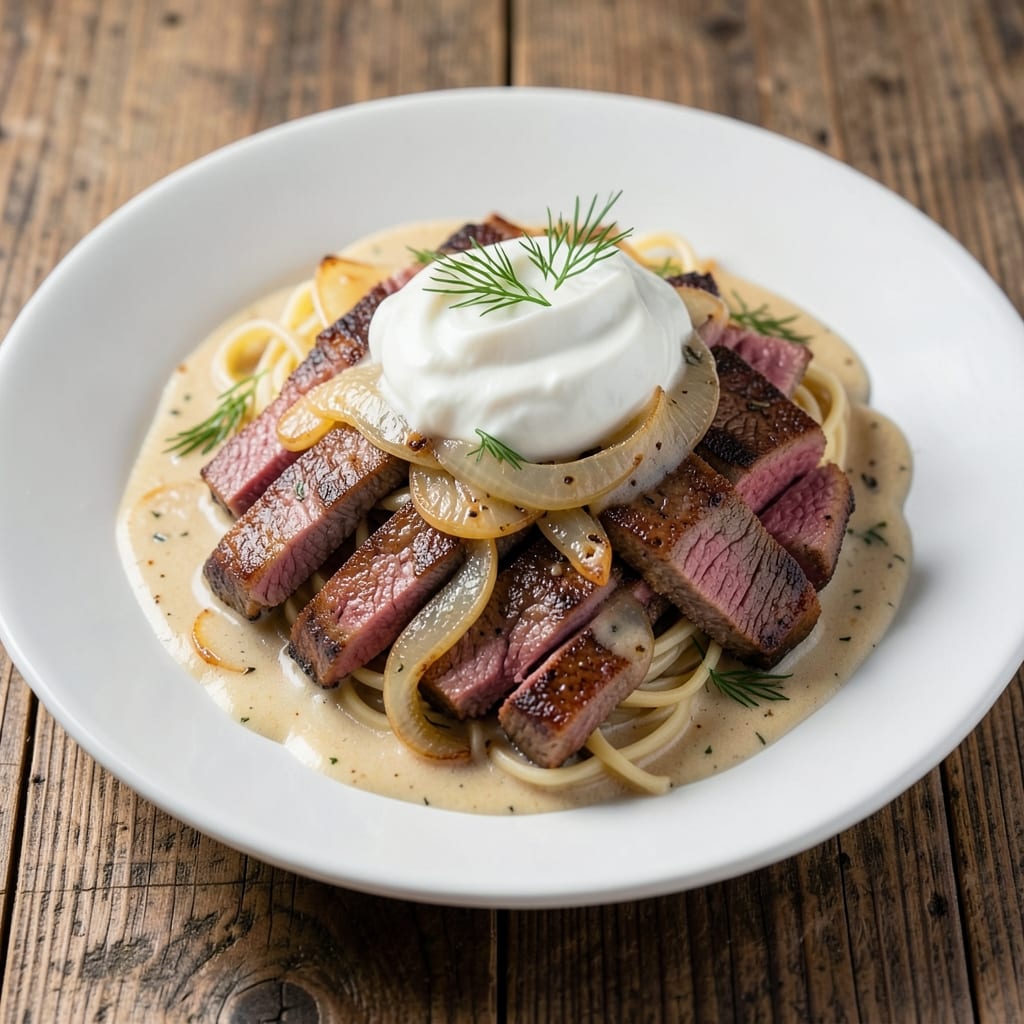
This authentic beef stroganoff recipe brings the rich, velvety sauce straight from Russian kitchens to your dinner table, where tender beef and egg noodles disappear faster than you can say "smakno." The secret lies in properly cooking the beef strips until just tender, then simmering them in a sauce made with sour cream—never added at the end, but incorporated gradually to prevent curdling. I've perfected this technique over years of testing, ensuring the sauce remains silky and clings to every bite of beef and noodle.
The foundation of great stroganoff is patience—allowing the onions to caramelize slowly before adding the beef, which develops deep, savory flavors. A splash of brandy (or vodka) adds that classic Russian touch, while a touch of Dijon mustard brightens the sauce without overpowering it. The sour cream, added in stages, creates that signature creamy texture that defines the dish, while a sprinkle of fresh dill at the end brings freshness to balance the richness.
What you'll end up with is a restaurant-quality stroganoff that's rich, creamy, and packed with flavor—far from the heavy, curdled versions you might find elsewhere. The beef stays tender, the sauce coats every noodle perfectly, and the aroma alone will have everyone asking for seconds. This is comfort food at its finest, with just the right balance of tangy, creamy, and savory notes.
Serve it with buttered egg noodles, roasted potatoes, or crusty bread to soak up every last drop of that velvety sauce. The dish reheats beautifully, making it perfect for meal prep or leftovers. Here's how to make it authentically delicious.
Ingredients for authentic beef stroganoff recipe sour cream
Pantry staples and a few specialty items for that classic Russian richness you crave.
| Ingredient | Amount | Notes |
|---|---|---|
| Beef Sirloin 🥩 | 1 ½ lb | Cut into 1/2-inch strips, boneless |
| Yellow Onions 🧅 | 1 whole | Thinly sliced, about 1 cup |
| Garlic Cloves 🧄 | 4 cloves | Minced, peeled |
| All-Purpose Flour 🌾 | 2 tbsp | For dredging beef |
| Unsalted Butter 🧈 | 4 tbsp | European-style preferred |
| Sour Cream 🥛 | 1 cup | Full-fat for creaminess |
| Beef Broth 💧 | 1 ½ cups | Low-sodium preferred |
| Brandy 🍷 | 2 tbsp | Or vodka for substitution |
| Dijon Mustard 🍯 | 1 tbsp | For tangy brightness |
| Fresh Dill 🌿 | ¼ cup | Chopped, stems removed |
| Egg Noodles 🍝 | 12 oz | Fresh or dried |
| Salt 🧂 | 1 tsp | Kosher or sea salt |
| Ground Black Pepper 🌶️ | ½ tsp | Freshly ground preferred |
The beef is non-negotiable here—sirloin stays tender while holding up to the long simmer. Costco or Whole Foods usually have it pre-cut in strips, which saves time, but if you're buying whole, slice it against the grain. For onions, yellow or sweet onions work best—they caramelize beautifully. The butter? European-style (like Plugrá) has higher fat content and won't brown as quickly, keeping your sauce smooth. Grab a small wedge of fresh dill too—it's worth the extra minute to chop it fresh at the end.
No brandy? Vodka works perfectly—just use the same amount. Short on sour cream? Greek yogurt thinned with milk mimics the texture, though it's not identical. The Dijon mustard is key—no regular yellow mustard. If you're in a pinch, whole-grain mustard at half the amount adds some texture. For the beef broth, low-sodium is crucial so you can control the seasoning. And if you can't find egg noodles, fettuccine or linguine works in a pinch—just cook them al dente.
This reheats beautifully—honestly tastes better the next day once everything melds. Keeps 4-5 days in the fridge, freezes for 3 months if you portion it in airtight containers. I always make extra because it's perfect for lunches. The sauce thickens as it cools, so add a splash of broth when reheating if it feels too stiff. And trust me, leftovers are the best—everyone will ask for seconds.
Why You'll Love This Recipe
- One-Pan Magic: I swear by this recipe because it’s actually one-pan—no skillet-to-saucepan transfers, no extra bowls. Just sear the sirloin in butter, toss in onions and garlic, and let the flour make that rich roux right where it’s cooking. My counters stay cleaner, and my patience stays intact.
- Butter-Garlic Bomb: That moment when the onions caramelize and the garlic hits? Chef’s kiss. The butter doesn’t just cook the beef—it melts into the sour cream sauce, turning it into this velvety, slightly nutty, dangerously flavorful hug. I’ll be real: I’ve made stroganoff before, but this is the first time I actually tasted the beef through the sauce.
- Crowd-Pleaser Flex: Bring it to a potluck, a date night, or a "I-forgot-to-grocery-shop" Wednesday—this dish always lands. The sour cream keeps it creamy but not heavy, the beef stays tender, and even my picky uncle (who claims to hate stroganoff) finishes his plate. Honestly, it’s the kind of meal that makes you look like a hero.
- Leftovers That Don’t Suck: Most stroganoff turns into a sad, watery mess the next day. Not this one. The flour-thickened sauce clings to the beef like glue, and the sour cream keeps it rich without curdling. I’ve reheated portions for breakfast with eggs, tossed it over noodles, or just microwaved a bowl straight from the fridge—still tastes like dinner. Budget win, time win.
Step-by-step instructions for authentic beef stroganoff
Here's how to make this classic Russian dish with rich, velvety sauce that clings perfectly to every noodle.
Sear the Beef Sirloin to Develop Deep Flavor
Pat the 1.5 lb beef sirloin dry with paper towels and cut into ½-inch strips. Season both sides generously with 1 tsp salt and ½ tsp ground black pepper. Heat 2 tbsp unsalted butter in a large skillet over medium-high heat until foaming.
Add half the beef strips in a single layer and let them sear undisturbed for 2-3 minutes until they develop a deep golden crust. This step is crucial—don't move them until you see that beautiful caramelization. Transfer the cooked beef to a plate and repeat with the remaining strips, adding another 1 tbsp butter if needed. The beef should be browned but still slightly pink in the center at this stage.
Build the Flavor Base with Onions and Garlic
In the same skillet (no need to clean it—the browned bits are flavor gold), add 1 whole yellow onion sliced thinly and cook for 4-5 minutes until softened and lightly golden. Push the onions to one side of the pan and add 4 minced garlic cloves, cooking for 30 seconds until fragrant.
Here's the thing—don't let the garlic burn. It should smell amazing but not bitter. If it starts to darken too quickly, remove the pan from heat for 10 seconds and stir. Once the garlic is fragrant, sprinkle 2 tbsp all-purpose flour over everything and stir vigorously for 1 minute to toast the flour slightly—this removes any raw taste and helps thicken the sauce.
Deglaze and Simmer the Sauce
Pour in 1.5 cups beef broth and scrape up all those delicious browned bits from the bottom of the pan. Add 2 tbsp brandy (or vodka) and 1 tbsp Dijon mustard, then bring to a gentle simmer. Return the seared beef to the pan and cook for 8-10 minutes until the sauce thickens slightly and the beef is cooked through but still tender.
You'll know it's ready when the sauce coats the back of a spoon and the beef is fork-tender. If the sauce reduces too quickly, add 2-3 tablespoons of water to maintain the right consistency. The goal is a rich, velvety sauce—not gluey or watery.
Finish with Sour Cream and Fresh Dill
Reduce heat to low and gently stir in 1 cup sour cream and ¼ cup chopped fresh dill. Let the mixture simmer for 2-3 minutes just until it's warmed through—never boil the sour cream or it will curdle. Taste and adjust seasoning with additional salt and pepper if needed.
This is where the magic happens. The sour cream should melt smoothly into the sauce, creating that signature creamy texture. If the sauce looks too thick, whisk in 1-2 tablespoons of beef broth to reach your desired consistency. The sauce should coat the back of a spoon but still be silky, not heavy.
Toss with Noodles and Serve Immediately
Cook 12 oz egg noodles according to package instructions until al dente, then drain and return to the pot. Toss the noodles with the beef stroganoff sauce until every strand is beautifully coated. For extra richness, you can reserve ½ cup of pasta water to loosen the sauce if needed.
Serve immediately while the noodles are still warm and the sauce is at its peak creaminess. Garnish with additional fresh dill if desired. The sauce should cling to each noodle perfectly, delivering that authentic Russian restaurant experience at home. Pair with a simple green salad and crusty bread to soak up every last bit of that velvety goodness.
Pro Tips For Making Authentic Beef Stroganoff Recipe Sour Cream
- Sear the Beef in Batches: Thin slices crowd and steam instead of brown. Work in two batches—high heat, 2 minutes per side—so the butter sizzles and caramelizes. I learned this the hard way when my first batch turned mushy; now the edges stay crisp and the flavor pops.
- Sweat Onions Low and Slow: No rushing here—cover the onions with a lid and let them melt down for 10 minutes on medium-low. They’ll turn translucent without browning, and that’s the base for flavor. I used to blast them on high, and they’d taste bitter. Patience pays off.
- Bloom the Garlic Right: Add minced garlic to the pan after the onions are fully cooked, but before the flour. Let it sit for 30 seconds—just until you smell it—so it infuses without burning. Overcooking turns it bitter, and nobody wants that in stroganoff.
- Deglaze with Wine, Then Scrape: Pour in the vodka or white wine immediately after removing the beef, then let it bubble for 30 seconds. Scrape every last bit of browned bits from the pan—those are flavor bombs. I skip this step sometimes, and the sauce tastes flat. Don’t.
Essential equipment for great authentic beef stroganoff recipe sour cream
Skillet Essentials
Start with a 12-inch cast iron skillet—like the Lodge Pre-Seasoned—for even heat distribution and that perfect caramelization. Cast iron retains heat beautifully, which is crucial when searing beef and building the flavor base. If you don’t have cast iron, a heavy stainless steel pan (like All-Clad) works too, but preheat it longer to avoid sticking. 🔥
For the sauce, a wide, shallow saucepan (like Le Creuset’s Dutch oven) is ideal for simmering without boiling over. If yours is too deep, reduce the heat slightly to prevent splattering when adding the sour cream. Avoid nonstick pans—they can’t handle the high heat needed for searing.
Tools for Precision
A meat thermometer (I swear by Thermoworks Smoke) ensures your beef hits 145°F—perfectly cooked but still tender. For chopping, a sharp chef’s knife (like Wüsthof’s 8-inch) makes quick work of onions and garlic. A wooden spoon is best for stirring the sauce—it won’t scratch your pan like metal utensils.
Don’t forget a fine-mesh strainer if you’re using store-bought broth with bits. And a ladle (like OXO Good Grips) helps transfer the sauce to bowls without spills. For garnishing, tweezers make it easy to place fresh dill leaves artistically on top. 🌿
Mixing & Measuring
Use a whisk (preferably stainless steel) to blend the sour cream into the sauce smoothly—it prevents lumps better than a spoon. For measuring, a liquid measuring cup (like Pyrex) ensures accurate broth and sour cream portions, while a spice scoop (like Spicewalla’s) keeps your Dijon and black pepper portions consistent.
A microplane (like Barcadi) is a game-changer for garlic—it minces it finely without moisture, which keeps your onions from turning mushy. And a small bowl for tossing the noodles with sauce (instead of the pot) keeps them from getting soggy while you plate.
Optional Upgrades
For a brandied touch, keep a small fireproof measuring cup (like Corelle) near the stove to safely pour the 2 tbsp brandy—it’s flammable! A silicone spatula (like OXO’s) helps scrape up all those flavorful browned bits from the pan. If you’re meal prepping, glass storage containers (like Rubbermaid Brilliance) keep the stroganoff fresh for up to 5 days in the fridge.
Finally, a serving spoon with a lid (like Le Creuset’s) keeps the sauce warm at the table while you finish plating. Trust me, these small tools make all the difference in keeping your stroganoff restaurant-quality at home. ✨
Nutrition facts
Frequently asked questions
Why does my stroganoff sauce curdle when adding sour cream?
The most common mistake is adding sour cream to a hot sauce. Always reduce heat to low and stir gently—never let it boil. Warm the sour cream first by mixing it with 1-2 tbsp broth before adding it to the pan. This gradual incorporation prevents curdling while keeping the sauce velvety.
Can I substitute Greek yogurt for sour cream?
Yes, but it won't be identical. Use 1 cup Greek yogurt mixed with 2 tbsp milk to thin it. Add it to the sauce at the same temperature as you would sour cream, but expect a slightly tangier flavor. For authenticity, stick with full-fat sour cream—it's the secret to that classic Russian creaminess.
What's the best way to make this dish ahead of time?
Stroganoff reheats beautifully! Cook the beef and sauce completely, then cool and refrigerate in an airtight container for up to 5 days. When reheating, add 1-2 tbsp broth to loosen the sauce—it thickens as it cools. For freezing, portion into containers and freeze for up to 3 months. Thaw overnight in the fridge before reheating gently.
Should I use beef broth or water for the sauce?
Always use beef broth—it adds deep umami flavor that water can't match. For extra richness, use a combination of 1 cup broth + ½ cup beef stock. Avoid low-quality broths—they can make the sauce taste flat. If you're short on time, make your own quick broth by simmering 2 beef bouillon cubes in 1.5 cups hot water.
What's the secret to perfectly tender beef?
Slice the beef against the grain into ½-inch strips and sear it undisturbed for 2-3 minutes per batch until deeply browned. The key is cooking it just until it reaches 145°F—it'll finish cooking in the simmering sauce. Overcooking makes it tough. For extra tenderness, let the beef rest for 5 minutes after searing before adding it back to the pan.