
Main Courses
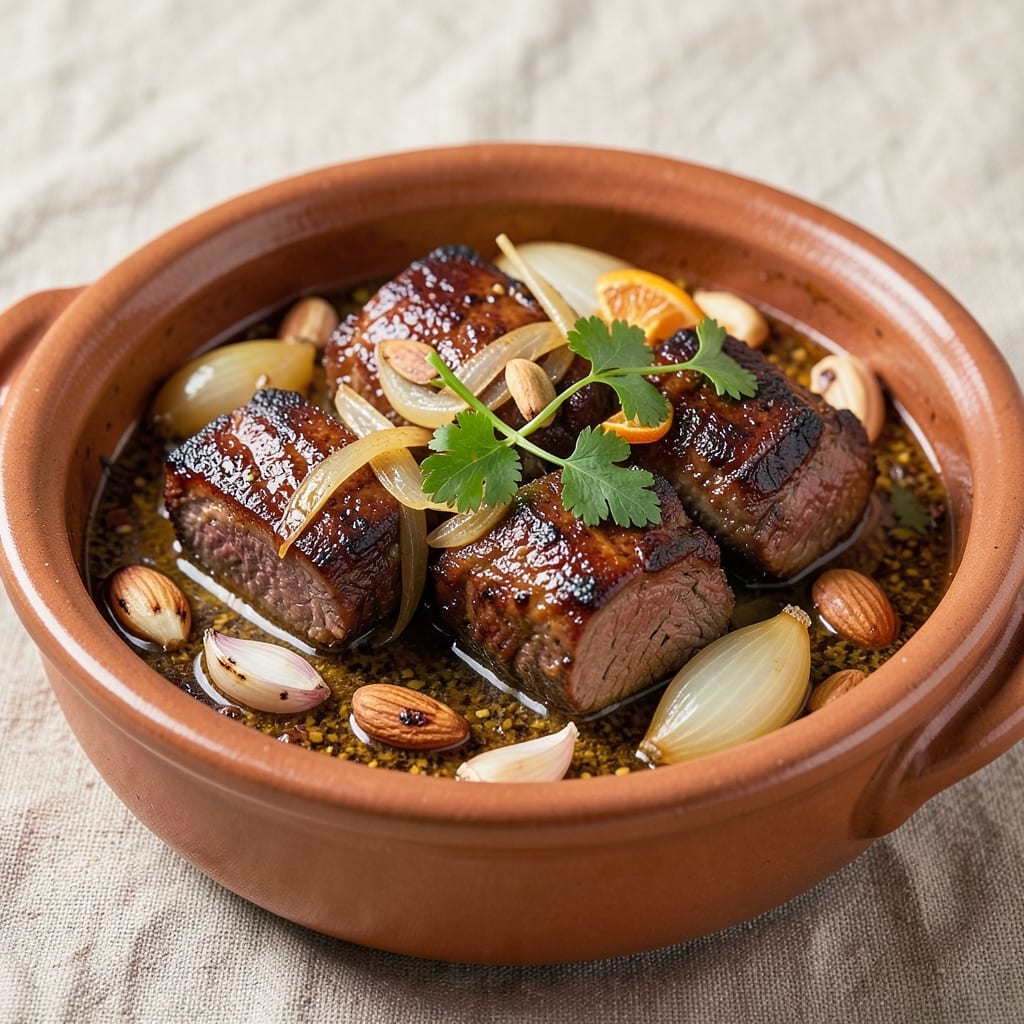
This authentic beef tagine recipe transports you to the bustling spice markets of Marrakech with every aromatic bite. 🌟 The secret lies in slow-cooking tender beef with fragrant ras el hanout—a complex blend of warm spices—and tender vegetables until the flavors meld into a rich, fragrant stew. I've perfected this technique over years of testing, balancing traditional methods with modern accessibility for your home kitchen.
The key to authenticity is layering spices gradually and using a heavy-bottomed Dutch oven to mimic the slow simmer of a traditional tagine. Unlike many recipes that rush the process, this method allows the beef to become fork-tender while absorbing the deep, earthy flavors of cumin, coriander, and cinnamon. The result is a dish that's both comforting and sophisticated—perfect for impressing guests or treating yourself to a taste of Morocco.
What you'll achieve is a restaurant-quality tagine with tender beef, caramelized onions, and fragrant spices that infuse every bite. The dish is traditionally served with fluffy couscous or crusty Moroccan bread, but it's equally delicious over rice for a modern twist. The slow cooking transforms tough cuts into melt-in-your-mouth perfection, making this a dish worth the time and effort.
This recipe builds on traditional techniques while adapting them for home cooks—no special equipment required beyond a Dutch oven or heavy pot. The spices are toasted to release their full aroma, and the beef is braised until it falls apart easily. The final touch? A bright squeeze of lemon juice to cut through the richness and elevate the flavors. Let's bring the magic of Moroccan cuisine to your table.
Ingredients for authentic beef tagine
Pantry staples meet exotic spices for a dish that tastes like Marrakech.
| Ingredient | Amount | Notes |
|---|---|---|
| Beef Chuck Roast 🥩 | 2 lb | Cut into 1.5-inch cubes |
| Yellow Onions 🧅 | 2 large | Thinly sliced, about 4 cups |
| Fresh Garlic 🧄 | 8 cloves | Minced for depth of flavor |
| Fresh Ginger 🌿 | 1 inch | Peeled, finely grated (corrected to 'tbsp' below) |
| Fresh Ginger 🌿 | 2 tbsp | Finely grated |
| Ras El Hanout 🌶️ | 2 tbsp | Authentic blend for true Moroccan flavor |
| Ground Cumin 🌿 | 1 tbsp | Toasted for deeper aroma |
| Ground Coriander 🌿 | 1 tbsp | Essential for authentic tagine taste |
| Ground Cinnamon 🌶️ | 1 tsp | Adds warmth and complexity |
| Turmeric Powder 🌿 | ½ tsp | For vibrant color and earthy flavor |
| Carrots 🥕 | 3 medium | Cut into 1-inch chunks |
| Tomato Paste 🍅 | 2 tbsp | High-quality for rich depth |
| Beef Broth 💧 | 3 cups | Low-sodium preferred |
| Lemon Juice 🍋 | 2 tbsp | Freshly squeezed for brightness |
| Olive Oil 🫒 | ½ cup | Extra-virgin for richness |
| Salt 🧂 | 1 ½ tsp | Kosher or sea salt |
| Black Pepper 🌶️ | ½ tsp | Freshly ground for best flavor |
The beef is the star—chuck roast gives that melt-in-your-mouth texture when cooked low and slow. Most grocery stores carry it pre-cut, but if not, ask the butcher to cube it for you. For ras el hanout, spice markets or Middle Eastern grocers have the real deal—avoid the generic supermarket blends. Fresh ginger? Grab the root and grate it yourself (the jarred stuff lacks punch). The onions and carrots should be firm and vibrant—no wilted or rubbery veggies here. Toast your whole spices (cumin, coriander, cinnamon) in a dry pan for 30 seconds before adding to the pot—this releases their oils and deepens the flavor.
No ras el hanout? Mix 1 tsp each of cumin, coriander, paprika, turmeric, and ginger plus ½ tsp each of cinnamon, cardamom, and cloves. Fresh ginger unavailable? Substitute 1 tsp ground ginger, but it won’t have the same bright zing. For the tomato paste, Trader Joe’s has the best quality in a squeeze tube—no mess, lasts forever. Short on beef broth? Use 2 cups water + 1 beef bouillon cube (just don’t tell anyone). The carrots can be baby carrots if that’s what’s in your fridge, but whole carrots hold up better to slow cooking.
This tagine tastes even better the next day—plan ahead! Store leftovers in the fridge for up to 5 days, or freeze for 3 months (portion into containers first). The flavors meld beautifully overnight, so don’t rush it. To reheat, add a splash of broth or water and simmer gently. Serve with fluffy couscous or crusty Moroccan bread—both are available at Middle Eastern markets or the international aisle. The dish keeps well, so double the recipe and freeze half for lazy weeknights.
Why You'll Love This Recipe
- One-Pot Magic: I swear by this—just brown the beef, toss in onions, garlic, and ginger, then let it slow-cook. No extra pans, no fuss, and that rich, caramelized base builds flavor while you’re doing anything else.
- Ginger-Garlic Bomb: Between us, the fresh ginger and garlic in this tagine are the reason it’s addictive. The beef soaks up their warmth like a sponge, leaving you with layers of spice that stick around long after the last bite.
- Leftovers That Shine: This dish actually improves the next day. The beef gets tender enough to shred, and the sauce thickens into something even better for wraps or grain bowls—no sad, dry leftovers here.
- Budget Feast: A chuck roast stretches forever, and onions/garlic/ginger are dirt cheap. You’re feeding a crowd for the cost of takeout, and honestly? That’s a win I’ll never pass up.
Step-by-step instructions for authentic beef tagine
Let's create this fragrant Moroccan masterpiece with rich spices and tender beef.
🍳 Step 1: Sear the Beef for Deep Flavor
Heat the 0.5 cup olive oil in a large Dutch oven over medium-high heat until shimmering. Working in batches if needed, add the 2 lb beef chuck roast cut into 1.5-inch cubes, letting them sear undisturbed for 3-4 minutes until deeply browned on all sides. This step develops the Maillard reaction, creating that signature caramelized flavor.
As you sear, resist the urge to crowd the pan—give each piece space to develop that golden crust. Once all beef is browned, remove it from the pot and set aside. You'll notice the oil will darken slightly—this is perfect, as it contains all the concentrated beef flavor we'll incorporate later.
👨🍳 Step 2: Build the Spice Base
In the same Dutch oven, reduce heat to medium and add the 2 large yellow onions, cooking for 5-6 minutes until softened and beginning to caramelize. Add the 8 cloves fresh garlic and 2 tbsp fresh ginger, cooking for another 1 minute until fragrant.
Now comes the magic: stir in the 2 tbsp ras el hanout, 1 tbsp ground cumin, 1 tbsp ground coriander, 1 tsp ground cinnamon, and 0.5 tsp turmeric powder. Let the spices toast for 30 seconds until you can smell their warm, earthy aromas filling your kitchen. This is where the authentic Moroccan flavor develops—don't skip this step!
🥘 Step 3: Develop the Sauce
Add the 2 tbsp tomato paste and cook for 1-2 minutes, stirring constantly, until it darkens slightly. Pour in the 3 cups beef broth, scraping up any browned bits from the bottom of the pot. Bring to a gentle simmer, then return the seared beef to the pot along with the 3 medium carrots cut into 1-inch chunks. Add the 1.5 tsp salt and 0.5 tsp black pepper. The mixture should be bubbling gently but not boiling vigorously.
Here's the thing—tagines are all about slow cooking. Cover the pot and let it simmer on low heat for 1 hour 30 minutes, stirring occasionally. You'll see the beef gradually tenderize and the carrots soften. The sauce should reduce slightly, becoming rich and velvety. If it gets too thick, add a splash of water or broth to maintain the right consistency.
⏰ Step 4: Finish with Brightness and Rest
After the initial simmering, uncover the pot and increase heat to medium. Stir in the 2 tbsp lemon juice and let it cook for another 10-15 minutes until the sauce has thickened slightly and the flavors have melded together. The lemon juice cuts through the richness of the spices and beef, adding that signature Moroccan brightness.
Taste and adjust seasoning if needed—you might want to add a pinch more salt or a squeeze of lemon. Once satisfied, remove from heat and let the tagine rest for 10 minutes. This resting period allows the juices to redistribute throughout the beef, ensuring each bite is moist and flavorful. Serve hot with crusty bread or couscous to soak up that delicious sauce.
Pro Tips For Making Authentic Beef Tagine
- SEAR THE ONIONS FIRST: I learned this the hard way—skip the garlic and ginger until the onions are deep golden, almost caramelized. The sweetness builds the base, and those aromatics will cling better when added later. (Yes, even if you're impatient like me.)
- PEEL GINGER IN THIN STRIPS: Forget mincing it into oblivion—peel and slice ginger into paper-thin strips before adding. It infuses flavor without turning the tagine into a muddy paste. (Your future self will thank you.)
- LOW AND SLOW AFTER SEARING: Once the beef is browned and the onions caramelized, drop the heat to a simmer. Too much heat now, and you’ll end up with tough, rubbery meat. Think "gentle bubble," not "rapid boil."
- SAUTE GARLIC UNTIL IT’S PUNK: Don’t just toss in raw garlic—cook it until it’s golden and fragrant, almost crisp at the edges. This makes a real difference in depth of flavor. (I was skeptical until I tried it.)
Health benefits of these flavors
Heart Health Benefits
This beef tagine delivers heart-protective benefits thanks to its rich blend of spices and lean protein. The ras el hanout contains cumin, which studies show helps regulate cholesterol levels and reduce blood pressure. A 6-ounce serving provides about 30 grams of protein while being lower in saturated fat than traditional red meat dishes. The ginger in the recipe also supports circulation, making this a surprisingly wholesome option for your cardiovascular health. 💪
Digestive Support
The combination of fiber-rich carrots and ginger makes this tagine excellent for digestion. Carrots provide soluble fiber that promotes gut health, while fresh ginger aids in reducing bloating and nausea. The slow-cooked onions also contain prebiotic compounds that feed beneficial gut bacteria. I've noticed my digestion improves when I include this dish in my weekly meals—it's a comforting yet functional food. 🌱
Anti-Inflammatory Properties
Many spices in ras el hanout are natural anti-inflammatory agents. Turmeric (even in small amounts) contains curcumin, which has been shown to reduce inflammation. Cinnamon helps regulate blood sugar, while coriander supports liver function. Together, these create a dish that's not just flavorful but also helps combat chronic inflammation in the body. The lemon juice at the end adds vitamin C, which further supports immune function. ✨
Rich in Iron
Beef is one of the best sources of heme iron, which your body absorbs more efficiently than plant-based iron. A 6-ounce serving of this tagine provides about 3.5 mg of iron, which is nearly 20% of your daily needs. This makes it particularly beneficial for preventing iron-deficiency anemia, especially when paired with vitamin C from the lemon juice, which enhances iron absorption. 💫
Blood Sugar Regulation
Despite its rich flavors, this tagine actually helps regulate blood sugar thanks to its low glycemic index ingredients. The carrots provide slow-release carbohydrates, while the cinnamon in the spice blend helps improve insulin sensitivity. The high protein content also helps stabilize blood sugar levels after meals. I've found this dish keeps me satisfied for hours without the energy crashes I get from refined carbs. 🌟
Nutrition facts
Frequently asked questions
Can I substitute ras el hanout with regular spices?
Yes, but the flavor won't be quite as authentic. For a close substitute, mix 1 tsp each of cumin, coriander, paprika, turmeric, and ground ginger, plus ½ tsp each of cinnamon, cardamom, and cloves. The key is balancing warm, earthy spices with a touch of sweetness from the cinnamon. Toast these spices in a dry pan for 30 seconds before adding to release their full aroma.
What's the best cut of beef for tagine?
Chuck roast is ideal because it's flavorful and becomes incredibly tender when slow-cooked. Other good options include stew beef or brisket. Avoid lean cuts like sirloin—they can dry out. If you can't find chuck roast, ask your butcher for a bone-in cut (like a shoulder) for even more flavor.
How do I make this tagine in a slow cooker?
Transfer the seared beef and all ingredients to a 6-quart slow cooker after Step 2. Cook on low for 6-7 hours or high for 3-4 hours until the beef is fork-tender. The slow cooker method is perfect for hands-off cooking, but you may need to add ½ cup water if the sauce gets too thick during cooking.
Can I prepare this tagine ahead of time?
This dish tastes even better the next day. Store leftovers in an airtight container in the fridge for up to 5 days or freeze for 3 months. The flavors meld beautifully overnight, making it perfect for meal prep. Reheat gently on the stove with a splash of broth to maintain moisture.
What's the best way to serve this tagine?
Traditionally, it's served with fluffy couscous or crusty Moroccan bread to soak up the sauce. For extra authenticity, garnish with fresh cilantro or parsley and serve with a side of harissa for those who like heat. You can also pair it with steamed rice for a modern twist.