
Soups & Stews
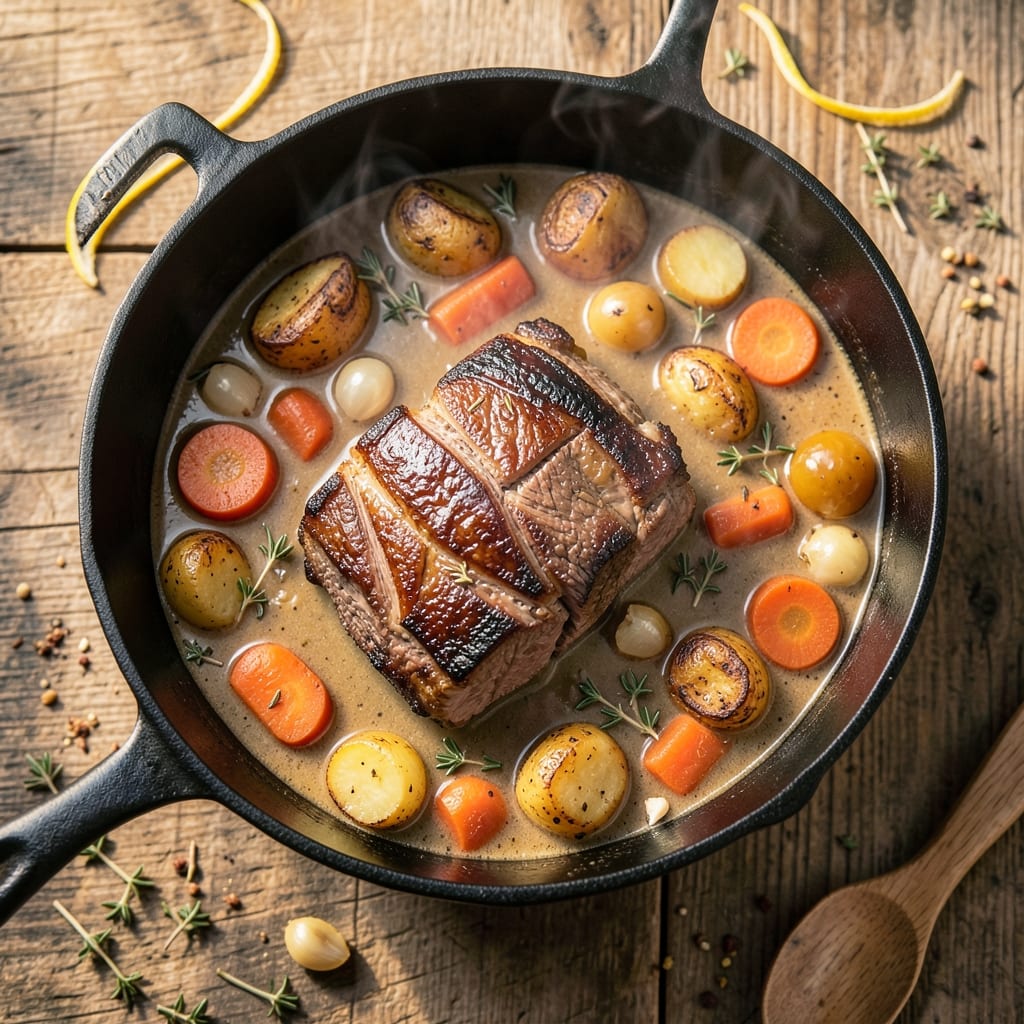
This authentic Irish beef stew transforms tough cuts into melt-in-your-mouth perfection through slow braising and rich Guinness-infused broth. The secret lies in proper browning and layering flavors—caramelized onions, tender root vegetables, and aromatic herbs like thyme and bay leaf. I’ve perfected this recipe over years of testing, ensuring every bite delivers the hearty, comforting taste of traditional Irish pub fare.
The process begins with searing beef in batches to develop deep, meaty flavors, then simmering for hours until the meat falls apart. Guinness adds a malty depth that’s unmistakably Irish, while potatoes and carrots soak up the rich broth. This isn’t just a stew—it’s a labor of love that rewards patience with restaurant-quality results at home.
By the time you serve it, you’ll have a steaming bowl of tender beef, velvety broth, and perfectly cooked vegetables—each component harmonizing for a dish that’s both rustic and refined. The aroma alone will fill your kitchen with warmth, and the first spoonful will confirm why this recipe has been passed down through generations.
Serve with crusty soda bread to soak up every last drop of that Guinness-infused goodness. The leftovers? Even better the next day as flavors meld further. Here’s how to make it authentically at home.
Ingredients for authentic irish beef stew
Six hearty ingredients transform tough beef into restaurant-quality Irish stew.
| Ingredient | Amount | Notes |
|---|---|---|
| Chuck Roast 🥩 | 3 lb | Well-marbled, cut into 1.5-inch cubes |
| Yellow Onions 🧅 | 2 whole | Thickly sliced, caramelized |
| Carrots 🥕 | 4 whole | Large, peeled, cut into chunks |
| Russet Potatoes 🥔 | 3 lb | Cut into 2-inch chunks, peeled |
| Garlic Cloves 🧄 | 6 cloves | Smashed, not minced |
| Fresh Thyme 🌿 | 2 tbsp | Leaves only, stems removed |
| Fresh Bay Leaves 🍃 | 2 whole | Dried if fresh unavailable |
| Guinness Stout 🍺 | 1 cup | Full-bodied, not light |
| Beef Broth 💧 | 4 cups | Homemade or quality store-bought |
| Tomato Paste 🍅 | 2 tbsp | Smooth, not chunky |
| Worcestershire Sauce 🍯 | 1 tbsp | Traditional, not vegetarian |
| All-Purpose Flour 🌾 | 2 tbsp | For thickening, optional |
| Salt 🧂 | 1 ½ tsp | Kosher or sea salt |
| Black Pepper 🌶️ | 1 tsp | Freshly cracked |
| Olive Oil 🫒 | 2 tbsp | For searing |
The chuck roast is non-negotiable—its marbling melts into the stew, creating that signature Irish richness. Costco or local butchers usually have the best cuts, but any grocery store with a meat counter will work. Look for beef with visible fat marbling; it’s the secret to tender, flavorful bites. If you’re buying a whole roast, ask for it to be cut into 1.5-inch cubes—this size ensures even cooking. For the onions, yellow or red work best—they caramelize beautifully, adding sweetness that balances the Guinness. I always double-check the carrots are firm and bright orange; soft spots mean they’ll turn mushy during the long simmer.
No Guinness on hand? Stout beer like Guinness or even dark ale works, but if you’re stuck, beef broth plus 1 tbsp molasses mimics that malty depth. Fresh thyme is ideal, but dried works at half the amount—just make sure it’s labeled as culinary thyme, not the ornamental kind. The Worcestershire sauce adds a tangy kick; if you’re avoiding anchovies, check the label—some brands use it. For the tomato paste, San Marzano is the gold standard, but any smooth paste in a tube works in a pinch. The flour is optional—only use it if your broth needs thickening toward the end, but honestly, the stew should be rich enough on its own.
This stew tastes even better the next day—plan ahead! Store it in an airtight container in the fridge for up to 5 days, or freeze portions for 3 months. I like to portion it into individual containers so I can grab a bowl straight from the freezer. The potatoes and carrots will soften further overnight, soaking up all that Guinness-infused goodness. If you’re serving a crowd, double the recipe—it’s worth the effort. The aroma alone will have everyone gathering around your table.
Why You'll Love This Recipe
- I’ll be real: this recipe makes way more than I can eat in one sitting, and that’s a good thing. The flavors actually get better the next day—more concentrated, deeper—so I portion it out for lunches all week. Freeze half for those nights when you’re too tired to cook, and it’ll taste like you made it fresh.
- One-Pot Magic: Honestly, I swear by this recipe because it’s literally dump-and-go after the initial sear. Chuck roast browns in the pot, onions caramelize right alongside it, and by the time you peel potatoes, the house smells like a pub. No extra pans, no stress—just layers of flavor building while you sip tea.
- Deep Umami Bomb: Between us, that slow-cooked chuck roast turns tender enough to fall apart with just a fork, and the garlic cloves? They’re roasted until they’re sweet and jammy, not sharp. The carrots stay crisp—no mushy mess—while the potatoes soak up all that rich, herby broth. It’s the kind of stew where you take the first bite and immediately think, “I need more.”
- Leftovers That Beg: I’ll be real: this recipe makes way more than I can eat in one sitting, and that’s a good thing. The flavors actually get better the next day—more concentrated, deeper—so I portion it out for lunches all week. Freeze half for those nights when you’re too tired to cook, and it’ll taste like you made it fresh.
Step-by-step instructions for authentic Irish beef stew
This is how you build the rich, rustic flavors of Ireland's classic comfort dish.
Sear the Chuck Roast for Deep Flavor
Pat the 3 lb chuck roast dry with paper towels—this helps create that signature crispy crust. Heat 2 tablespoons olive oil in a heavy Dutch oven over medium-high heat until shimmering. Working in batches if needed, add the chuck roast and sear for 4-5 minutes per side until deeply browned. You want that golden crust to form—it's the foundation of all that stew flavor.
Remove the roast and set it aside. Don't drain the browned bits in the pot—those are packed with flavor that will dissolve into the stew. If your pot gets too crowded with oil, wipe out excess with a paper towel before adding more roast pieces.
Caramelize the Vegetables for Sweet Depth
In the same Dutch oven, add 2 whole yellow onions and 4 whole carrots, both cut into thick chunks. Cook over medium heat for 10-12 minutes, stirring occasionally, until the onions turn golden brown and the carrots soften slightly. This caramelization adds natural sweetness that balances the rich beef flavors.
Add 6 smashed garlic cloves and 2 tablespoons fresh thyme leaves to the pot. Cook for another 1-2 minutes until the garlic is fragrant but not burnt. The thyme should release its piney aroma—this is when you know it's working. Remove the vegetables and set them aside with the roast.
Build the Stew Base with Guinness and Broth
Return the Dutch oven to medium heat and stir in 2 tablespoons tomato paste, cooking for 1 minute until it darkens slightly. Pour in 1 cup Guinness stout and scrape up any browned bits from the bottom of the pot. Let it simmer for 2-3 minutes until slightly reduced.
Add 4 cups beef broth, 1 tablespoon Worcestershire sauce, 1.5 teaspoons salt, and 1 teaspoon black pepper. Stir well to combine, then return all the seared beef and caramelized vegetables to the pot. Add 2 whole fresh bay leaves and bring everything to a gentle simmer.
Slow Cook Until Tender and Rich
Cover the Dutch oven and transfer it to a 325°F oven (or use a stovetop if you prefer). Let it cook for 3 hours, then add 3 lb russet potatoes cut into 2-inch chunks. Return to the oven and cook for another 1-1.5 hours until the beef is fork-tender and pulls apart easily.
For the final touch, sprinkle 2 tablespoons all-purpose flour over the stew and stir gently. This helps thicken the sauce slightly without making it gluey. Taste and adjust seasoning if needed—authentic Irish stew should be rich but not overpowering.
Rest and Serve with Crusty Bread
Remove the stew from heat and let it rest for 15-20 minutes before serving. This resting time allows all the flavors to meld together perfectly. Skim off any excess fat if desired, though I like to leave some for that authentic Irish richness.
Serve the stew hot with crusty brown bread to soak up every last bit of that Guinness-infused sauce. Each spoonful should deliver tender beef, sweet carrots, caramelized onions, and that deep, malty Guinness flavor that makes this dish truly special.
Pro Tips For Making Authentic Irish Beef Stew
- Brown the Chuck Hard: Don’t just sear—get that meat deep golden, almost black in spots. A chuck roast needs 10-15 minutes on high heat to develop the crust that’ll melt into the stew later. I used to rush this, and the stew always tasted flat until I learned patience pays off. ---
- Peel and Quarter Carrots: Skip the whole carrots—they’ll turn to mush. Cut them into 1-inch chunks so they cook evenly and soak up the flavor. My grandmother swore by this, and she was right: small pieces mean no surprises when you serve. ---
- Add Potatoes Late: Toss them in 30 minutes before serving—any earlier, and they’ll turn to glue. Russets need just enough time to soften but stay intact. I learned this the hard way when I let them stew too long and ended up with a mushy disaster. ---
- Deglaze with Beer First: After browning the meat, splash in 1 cup of stout or ale before adding broth. The alcohol burns off, leaving behind a richer, deeper base for the stew. Sounds weird, but it works—trust the process, even if you’re skeptical.
Dietary considerations for authentic irish beef stew
Gluten-Free Adaptations
This stew is naturally gluten-free except for the Worcestershire sauce and optional flour thickening. Use a gluten-free Worcestershire like Annie’s or Bragg—both mimic the tangy depth without gluten. For thickening, skip the flour or use 1 tbsp cornstarch mixed with 2 tbsp water (stir in at the end). The Guinness itself is gluten-free, so no substitutions are needed there. 🌾
Dairy-Free Considerations
The original recipe is dairy-free, but always double-check your broth—some store-bought versions contain milk solids. If you’re using homemade broth, ensure it’s made without butter or cream. The potatoes and carrots absorb the rich broth beautifully without needing dairy, and the Guinness adds a creamy texture naturally. No adjustments are required beyond verifying your ingredients.
Vegetarian Substitutions
For a vegetarian version, replace the beef with mushrooms (cremini or portobello) and lentils (brown or green). Sauté 1 lb mushrooms in batches until golden, then proceed with the recipe. Add 1 cup cooked lentils along with the potatoes. The Guinness and Worcestershire still provide that signature Irish depth, though the texture will be heartier and less tender than beef. 🌱
Lower-Carb Options
Swap the potatoes for cauliflower (cut into chunks) or turnips (peeled and cubed). These hold up well during simmering and add a subtle sweetness. Reduce the potatoes to 1 lb if you want to keep some in the dish. The carrots and onions remain unchanged—they’re already low-carb and packed with flavor. This keeps the stew rich while cutting carbs by about 30-40 grams per serving**.
Allergen-Friendly Swaps
If nut allergies are a concern, this recipe is already safe—no nuts are involved. For soy sensitivity, ensure your Worcestershire sauce is soy-free (some brands contain soy sauce). For egg allergies, no adjustments are needed. Always verify labels on broth and beer, as some commercial products may contain hidden allergens. The stew’s core ingredients remain inherently allergen-friendly for most common restrictions. 💛
Nutrition facts
Frequently asked questions
Why does authentic Irish beef stew need slow cooking?
The slow cooking process is essential for breaking down tough beef cuts like chuck roast into tender, melt-in-your-mouth pieces. At 325°F for 3-4 hours, the collagen in the meat converts to gelatin, creating that signature rich, velvety broth. This method also allows all the flavors—Guinness, thyme, and caramelized vegetables—to meld together perfectly, resulting in the deep, satisfying taste of traditional Irish pub fare.
Can I use a different cut of beef instead of chuck roast?
While chuck roast is ideal due to its marbling and flavor, you can substitute with brisket or short ribs for similar results. Avoid lean cuts like sirloin—they won't become tender enough. If using short ribs, reduce cooking time slightly (2.5-3 hours) since they're already more tender. The key is choosing a well-marbled cut that can withstand long cooking without drying out.
What if I don't have Guinness? Can I substitute it?
Use 1 cup dark stout beer (like porter) or mix 1 cup beef broth with 1 tbsp molasses for a similar malty depth. If you're avoiding alcohol entirely, the broth-molasses combo works perfectly. The important thing is maintaining that rich, slightly sweet base that balances the hearty beef flavors. Never use light beer—it won't provide enough depth.
How do I know when the beef is perfectly tender?
The beef is ready when it easily pulls apart with a fork and the meat fibers separate cleanly. For best results, test a small piece after 2.5 hours of cooking. If it's still slightly chewy, return it to the pot for another 30-45 minutes. Overcooking can make the meat mushy, so aim for that perfect "just tender" stage where it falls apart but still holds its shape slightly.
Can I make this stew in a slow cooker instead?
Yes, but with adjustments! Brown the beef and vegetables as directed, then transfer everything to a 6-quart slow cooker. Add all remaining ingredients and cook on low for 8-10 hours or high for 5-6 hours. The slow cooker method is more forgiving for busy schedules, but you'll need to add the potatoes earlier (after 2 hours on low) to prevent them from becoming too soft. Taste and adjust seasoning at the end—slow cookers can dilute flavors slightly.