
Main Courses
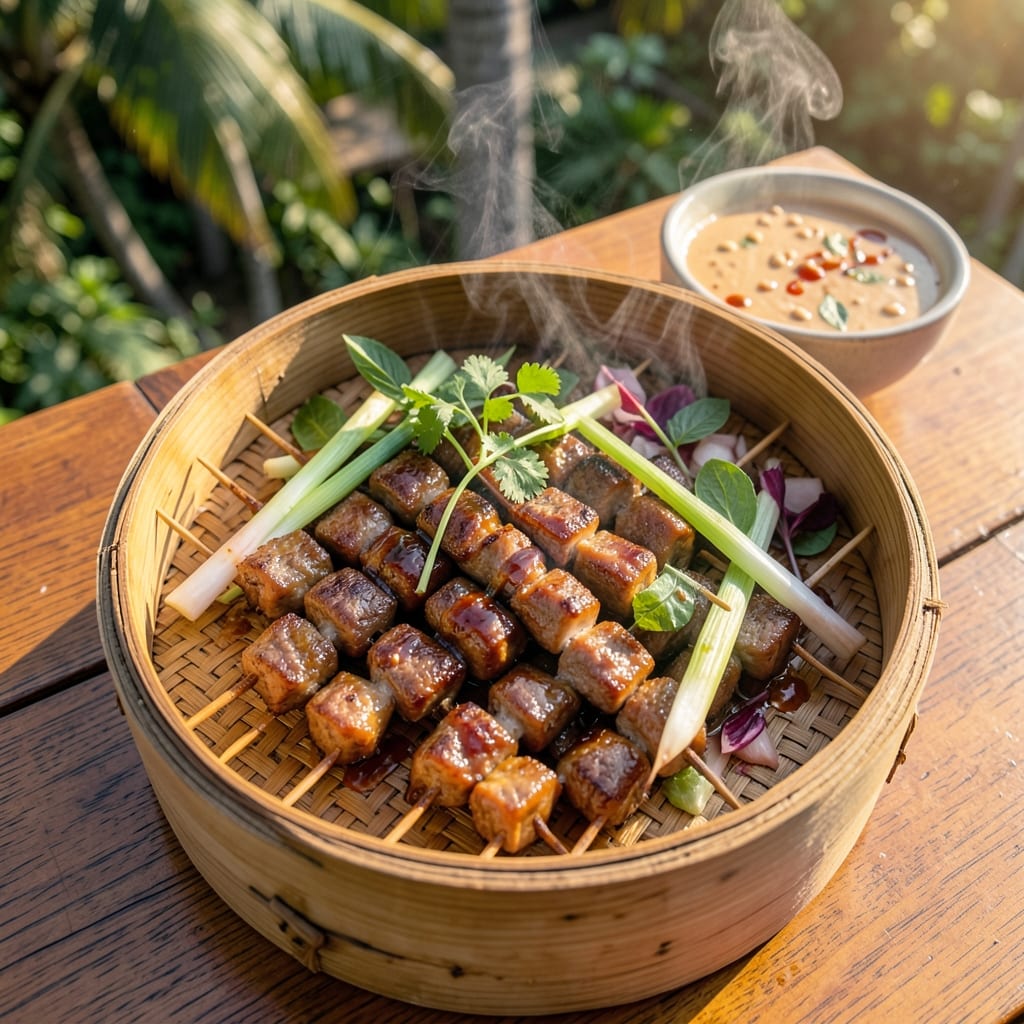
This authentic Thai beef satay recipe brings the smoky, spicy, and nutty flavors of Bangkok street food to your kitchen. The secret lies in a fragrant marinade of lemongrass, galangal, and kaffir lime leaves that tenderizes the beef while infusing it with complex aromatics. I’ve perfected this method over years of testing, ensuring every skewer delivers that perfect balance of charred edges and juicy centers.
The real magic happens in the peanut-coconut sauce, where rich peanut butter and coconut milk create a velvety, slightly sweet contrast to the smoky grilled beef. Traditional Thai spices like coriander, cumin, and a touch of chili powder round out the flavor profile, making each bite unforgettable. This recipe delivers restaurant-quality satay in just 30 minutes, from marinating to serving.
What sets this apart is the authentic technique—grilling the skewers over high heat for crispy edges while keeping the beef tender inside. The sauce is simmered just long enough to thicken without losing its natural richness, and the fresh herbs (cilantro and Thai basil) add a bright finish. Serve with cucumber salad and jasmine rice for the full experience.
Perfect for weeknight dinners or weekend gatherings, this satay recipe is designed to impress without requiring advanced skills. The marinade can be made ahead, and the sauce keeps well in the fridge, making it a foolproof way to bring Thai flavors to your table. Let’s get cooking!
Ingredients for authentic thai beef satay
Authentic Thai flavors start with these carefully chosen ingredients for restaurant-quality satay at home.
| Ingredient | Amount | Notes |
|---|---|---|
| Boneless Beef Sirloin 🥩 | 1 ½ lb | Cut into 1-inch cubes |
| Lemongrass Stalks 🌿 | 4 whole | White part only, bruised |
| Galangal 🌿 | ½ cup | Peeled, thinly sliced (about 3 oz) |
| Kaffir Lime Leaves 🍃 | 4 whole | Bruised for aroma |
| Fresh Cilantro 🌿 | ½ cup | Stems included, chopped |
| Thai Basil Leaves 🌿 | ¼ cup | Packed, loosely packed |
| Fish Sauce 🍶 | 2 tbsp | Red Boat preferred |
| Palm Sugar 🍯 | 2 tbsp | Or substitute brown sugar |
| Ground Coriander 🌶️ | 1 ½ tsp | Toasted for depth |
| Ground Cumin 🌶️ | 1 tsp | Freshly ground preferred |
| Chili Powder 🌶️ | 1 tsp | Adjust to taste |
| Vegetable Oil 🫒 | 2 tbsp | For skewers |
| Bamboo Skewers 🪵 | 12 whole | Soaked in water 30 mins |
| Peanut Butter 🥜 | ½ cup | Smooth, unsweetened |
| Coconut Milk 🥥 | ½ cup | Full-fat canned |
| Lime Juice 🍋 | 2 tbsp | Freshly squeezed |
| Soy Sauce 🍶 | 1 tbsp | Thai preferred |
| Garlic Cloves 🧄 | 3 cloves | Minced |
The beef matters—sirloin is lean but tenderizes well. Look for fresh galangal at Asian markets—it’s the secret behind that authentic Thai aroma. Red Boat fish sauce is the gold standard, but any quality brand works. For the skewers, bamboo is traditional, but metal or soaked wooden skewers work too. The lemongrass and kaffir lime leaves should be vibrant—no brown spots. If you can't find galangal, ginger at half the amount is a decent swap, though it won't be identical.
No peanut butter? Crushed peanuts plus 1 tbsp oil mimics the texture. The coconut milk should be full-fat—canned brands like Thai Kitchen are best. For extra heat, add chili flakes or sambal oelek to the sauce. Fresh herbs are non-negotiable here—dried won't cut it. If you're short on time, Thai basil from the grocery freezer section works in a pinch, but it won't be as bright. The marinade keeps for 2 days in the fridge, so make extra if you're grilling for a crowd.
Marinate the beef for at least 2 hours—overnight is even better. The sauce reheats beautifully, so make a double batch. Store both in airtight containers: marinade for 5 days, sauce for 1 week. For grilling, high heat is key—those charred edges are what make satay special. If you can't grill, a cast-iron skillet works too. Freeze the sauce for up to 3 months—it's perfect for quick weeknight meals.
Why You'll Love This Recipe
- Fewer Ingredients Than You Think: I swear by this recipe because it only needs five key ingredients—no confusing spice blends or hard-to-find pastes. The beef sirloin stays tender while the lemongrass and galangal (that ginger-like root) infuse it with bright, zesty depth. No chopping marathons here—just a quick pound and skewer.
- Crispy-Soft Magic: That first bite? The skewered beef hits with a smoky char on the outside, then melts into juicy, almost-butter-like tenderness. The kaffir lime leaves add this wild citrusy aroma that lingers, and the cilantro ties it all together like a fresh, herby hug. It’s the kind of flavor that makes you pause mid-bite.
- Weeknight to Party Upgrade: Make a double batch on Sunday—grill extra skewers for the freezer, then pull them out for lazy weeknights or last-minute dinner guests. Slather them in peanut sauce for a full meal, or serve with sticky rice and a quick cucumber salad. Honestly, it’s my go-to for any gathering where I don’t want to stress.
- Budget-Friendly Protein Power: Beef sirloin might sound fancy, but it stretches further than you’d expect when sliced thin. A single pound feeds four, and the aromatics (lemongrass, galangal) cost pennies at Asian markets. Plus, the leftovers reheat beautifully—toss them in a stir-fry or wrap them in lettuce for a fast lunch. Smart, satisfying, and wallet-friendly.
Step-by-step instructions for authentic Thai beef satay
Here's the precise method for creating restaurant-quality satay with rich, aromatic marinade and perfectly charred skewers.
Marinate the Beef with Authentic Thai Flavors
In a large bowl, combine the 1.5 lb boneless beef sirloin cut into 1-inch cubes with the bruised white parts of 4 lemongrass stalks, peeled 0.5 cup galangal sliced thinly, 4 bruised kaffir lime leaves, 3 minced garlic cloves, 2 tbsp fish sauce, 2 tbsp palm sugar, 1.5 tsp toasted ground coriander, 1 tsp ground cumin, and 1 tsp chili powder. The galangal and lemongrass should be finely chopped to release their aromatic oils.
Mix thoroughly using your hands or a spoon, ensuring every piece of beef absorbs the marinade completely. Cover the bowl and refrigerate for at least 4 hours or overnight - this long marinating time is essential for authentic flavor development. The beef will take on a vibrant, fragrant appearance with the marinade clinging to each piece.
Prepare the Skewers and Preheat for Grilling
Soak the 12 bamboo skewers in water for 30 minutes to prevent burning during grilling. While they soak, preheat your grill or grill pan to medium-high heat (about 400°F). The skewers should be ready when the grill reaches temperature - this ensures they won't catch fire when placed on the hot grates.
Thread the marinated beef onto the soaked skewers, leaving about ½ inch between each piece. This spacing allows the marinade to caramelize and prevents the beef from sticking together. Arrange the skewers on a plate and let them sit at room temperature for 15 minutes before grilling - this final step helps the marinade adhere better and prevents cold spots in the beef.
Grill Until Perfectly Charred and Juicy
Place the skewers on the preheated grill and cook for 2-3 minutes per side, turning carefully with tongs. You'll know they're ready when the beef reaches an internal temperature of 145°F and develops deep grill marks and light char. The marinade should bubble and create a fragrant smoke as it caramelizes on the hot grates.
Remove the skewers from the grill and transfer them to a plate. Let them rest for 5 minutes before serving - this allows the juices to redistribute, ensuring each bite remains tender and flavorful. The beef should be medium-rare with a slightly crisp exterior from the grill.
Prepare the Signature Peanut-Coconut Sauce
In a small saucepan, combine the 0.5 cup peanut butter, 0.5 cup coconut milk, 2 tbsp lime juice, 1 tbsp soy sauce, and 2 tbsp vegetable oil. Heat over medium-low heat while stirring constantly with a wooden spoon. The mixture should thicken slightly as it warms, creating a smooth, creamy sauce.
Continue cooking for 3-5 minutes until the sauce reaches a temperature of 160°F and develops a glossy sheen. Taste and adjust seasoning if needed - you may want to add a pinch more palm sugar or chili powder to balance the flavors. The sauce should be rich, nutty, and slightly tangy with just the right amount of heat.
Serve with Fresh Herbs and Sauce
Garnish the skewers with 0.5 cup chopped fresh cilantro and 0.25 cup loosely packed Thai basil leaves just before serving. Arrange the skewers on a platter and drizzle generously with the warm peanut-coconut sauce. The fresh herbs add a bright, aromatic contrast to the rich, smoky flavors of the grilled beef.
Serve immediately with steamed jasmine rice and additional sauce on the side. Each bite should deliver perfectly balanced flavors - the smoky char of the grill, the aromatic complexity of the marinade, and the creamy richness of the peanut-coconut sauce. The authentic combination of these elements creates a true taste of Thailand in every skewer.
Pro Tips For Making Authentic Thai Beef Satay
- Pound the Lemongrass Hard: Use the flat side of a meat mallet or rolling pin to bash the lemongrass stalks against your cutting board—this releases more oils and aroma into the marinade. (Yes, it takes 2-3 minutes, but the flavor difference is noticeable.)
- Slice Galangal Thinly: Shave the galangal with a sharp knife (peel first) into paper-thin strips—thicker chunks won’t soften enough in the marinade. I learned this the hard way after biting into a tough, undercooked piece.
- Marinate Overnight (Minimum 6 Hours): The beef needs time to absorb the citrusy, herbal marinade—don’t rush it. I used to do 2 hours, and the flavor was just okay. Now I marinate overnight, and the beef stays juicy while soaking up the depth.
- Skewer with Wet Hands: Dip your fingers in water before threading the beef onto skewers—it prevents the meat from sticking and makes assembly way faster. (Bonus: Wet hands also help keep the cilantro leaves from tearing when you add them later.)
Best sauces and condiments for this dish
Peanut-Coconut Sauce
The signature sauce for Thai beef satay is a creamy, nutty masterpiece combining ½ cup smooth peanut butter and ½ cup full-fat coconut milk. I use Thai Kitchen brand coconut milk because it has the perfect balance of richness without being overly sweet. The sauce gets its depth from 2 tbsp lime juice and 1 tbsp soy sauce, which brightens the flavors and adds that signature tang. 🥥
For extra authenticity, I add 3 minced garlic cloves and a pinch of chili flakes to the sauce while it simmers. This creates a perfect harmony between sweet, spicy, and savory notes. The sauce should be thick enough to coat the back of a spoon but still flow smoothly—this takes about 3-5 minutes of gentle heating on medium-low heat. If it gets too thick, add 1 tsp water to loosen it.
Spicy Chili-Lime Dip
For those who love a kick, this spicy chili-lime dip is a game-changer. Mix ¼ cup Greek yogurt with 1 tbsp lime juice, 1 tsp sambal oelek, and ½ tsp palm sugar. The yogurt adds a cooling contrast to the heat, while the lime juice keeps it fresh. Serve this alongside the peanut sauce for guests who want to adjust their spice level. 🌶️
Sweet Tamarind Drizzle
Balance the richness of the satay with a tamarind drizzle made from 2 tbsp tamarind paste (like Mae Ploy brand), 1 tbsp water, and ½ tsp chili powder. Simmer until smooth, then strain to remove any pulp. Drizzle lightly over the skewers before serving—this adds a tangy, slightly sweet note that cuts through the peanut sauce beautifully. It’s a trick I picked up from street vendors in Bangkok!
Fresh Herbs and Garnishes
No Thai dish is complete without fresh herbs! I always garnish the satay with ½ cup chopped cilantro and ¼ cup Thai basil leaves just before serving. The cilantro adds a bright, citrusy note, while the Thai basil brings a sweet, anise-like flavor that’s unmistakably Thai. For extra flair, sprinkle toasted sesame seeds or crushed peanuts on top—they add texture and a nutty crunch that complements the sauce perfectly. 🌿
Nutrition facts
Frequently asked questions
Can I use chicken or pork instead of beef for satay?
This marinade works beautifully with chicken thighs (best for juiciness) or pork tenderloin. For chicken, marinate for at least 4 hours and grill for 3-4 minutes per side until internal temp reaches 165°F. Pork should reach 145°F and marinate 6+ hours for deeper flavor. The cooking times adjust slightly, but the marinade's balance remains perfect.
What's the best way to make the peanut sauce thicker or thinner?
For a thicker sauce, simmer it 1-2 extra minutes or add 1 tsp cornstarch mixed with 1 tbsp water. For a thinner sauce, stir in 1-2 tsp warm water or ½ cup coconut milk. The ideal consistency coats the back of a spoon but still drizzles smoothly. Pro tip: Let it cool slightly before adjusting—it thickens as it cools.
Can I make this satay in an oven instead of grilling?
Yes! Preheat your oven to 425°F and place skewers on a wire rack over a baking sheet. Roast for 8-10 minutes, turning halfway, until beef reaches 145°F. For extra char, broil for 1-2 minutes at the end. The flavor won't be identical to grill char, but it's a great backup method. Use a meat thermometer to avoid overcooking.
Why does my satay taste bland or missing something?
Most likely, your marinade didn't infuse long enough or you skipped key ingredients. Always marinate at least 4 hours (overnight is best). Check these critical elements: bruised lemongrass and galangal (not fresh ginger), Red Boat fish sauce (not soy sauce), and kaffir lime leaves (not regular lime). The sauce needs lime juice and chili for brightness—don't skip these!
How do I store leftovers to keep them fresh?
Store cooked satay in an airtight container in the fridge for 3 days. Reheat gently in a skillet or oven to 165°F—microwaving makes it dry. The peanut sauce keeps 5 days refrigerated or 3 months frozen. For best texture, reheat sauce on low heat with 1 tbsp water to loosen it. Freeze sauce in ice cube trays for easy portioning!