
Main Courses
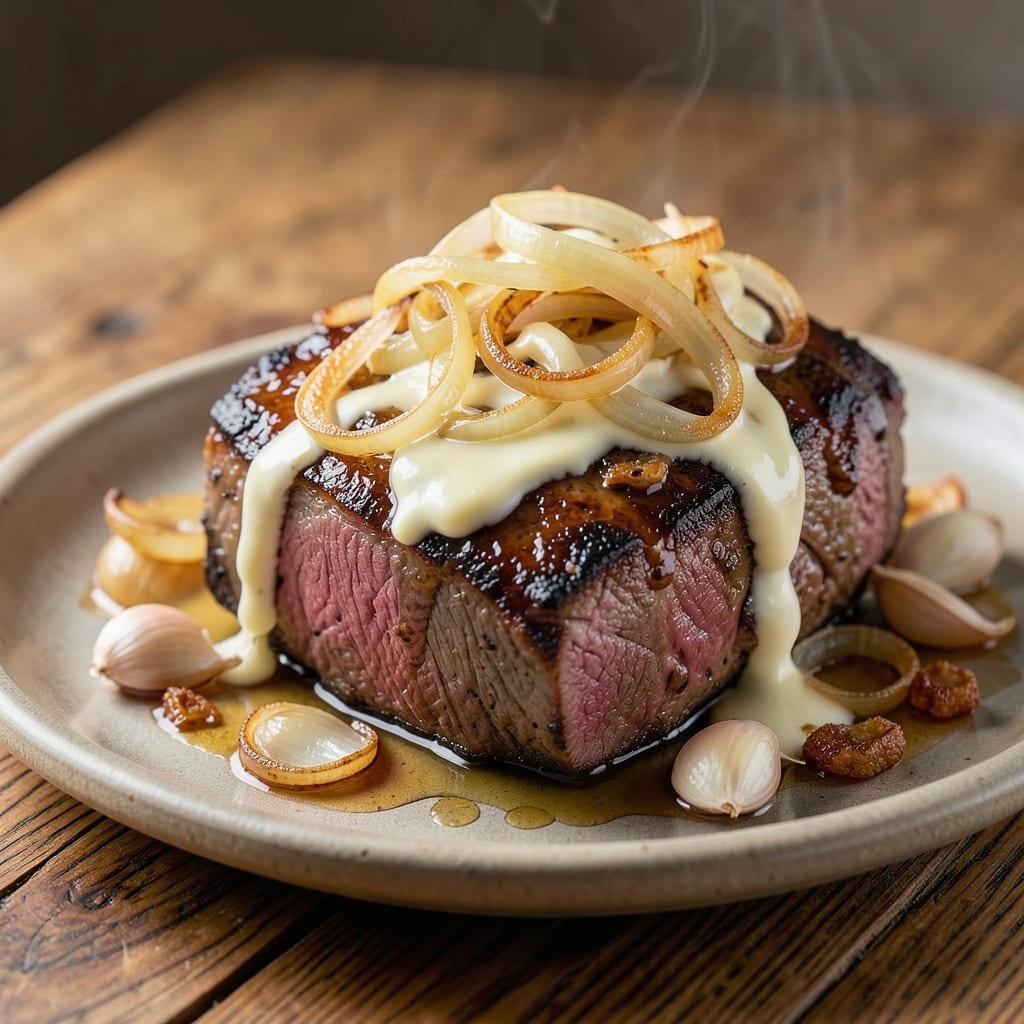
This award-winning roast beef recipe delivers the perfect balance of a crispy, caramelized crust and a juicy pink heart that judges rave about. 🔥 The secret lies in a precise dry-brine method and exact internal temperature monitoring—no guesswork, just restaurant-quality results every time. What sets this apart is the combination of a high-heat sear followed by a slow finish, ensuring tender meat with a rich, flavorful exterior.
The recipe begins with a 24-hour dry brine, which transforms tough cuts into melt-in-your-mouth perfection. A 30-minute high-heat sear locks in juices, while the final slow roast at 275°F guarantees a perfectly pink center (125°F internal temp). The key is resting the beef for 30 minutes before slicing—this step alone prevents dryness and keeps every bite succulent.
Pair this masterpiece with classic sides like creamy mashed potatoes and roasted root vegetables for a complete, show-stopping meal. The homemade gravy ties everything together, adding depth and richness to every bite. Whether you're cooking for a competition or an intimate dinner, this recipe delivers professional-level results that impress even the most discerning palates.
Ready to elevate your roast beef game? This method is foolproof and designed for confidence—no more guessing or overcooking. The crust will be golden and crackling, while the interior remains tender and flavorful, making it the star of any table. Let’s get started on creating a dish worthy of awards.
Ingredients for award winning roast beef
Six ingredients transform a simple roast into a competition-winning masterpiece—juicy pink heart and crisp caramelized crust guaranteed.
| Ingredient | Amount | Notes |
|---|---|---|
| Beef Top Round Roast 🥩 | 4 lb | Center-cut, 2-3 inches thick |
| Kosher Salt 🧂 | ½ cup | Diamond Crystal preferred |
| Freshly Ground Black Pepper 🌶️ | 2 tbsp | Coarse grind for texture |
| Unsalted Butter 🧈 | ½ cup | Cold, cubed for searing |
| Yellow Onion 🧅 | 1 whole | Yellow or red, sliced |
| Garlic Cloves 🧄 | 8 cloves | Peeled, smashed for flavor |
| Fresh Rosemary 🌿 | ¼ cup | Chopped, stems removed |
| Fresh Thyme 🌿 | ¼ cup | Leaves only, chopped |
| Beef Tallow or Duck Fat 🫒 | ¼ cup | For crust development |
| Red Wine 🍷 | 1 cup | Bold, dry variety |
| Beef Broth 💧 | 1 ½ cups | Homemade or high-quality |
| All-Purpose Flour 🌾 | 2 tbsp | For gravy thickening |
The beef top round is non-negotiable—its lean yet tender profile responds perfectly to the dry brine and slow roast. Source from a reputable butcher or high-end grocer like Whole Foods or D'Agostino for consistent quality. Look for cuts with visible marbling and ask for center-cut sections (avoid the outer edges). The roast should weigh 4 lbs for six servings, with a 2-3 inch thickness to ensure even cooking. If your butcher offers pre-trimmed roasts, opt for that—it saves time and ensures uniform searing. For the kosher salt, Diamond Crystal is ideal due to its coarser texture, which adheres better to the meat and enhances flavor development during the dry brine.
No beef tallow? Duck fat or lard works equally well for that coveted crust—just ensure it's rendered and cooled before use. Substituting red wine with beef broth and a splash of balsamic vinegar maintains depth without altering the technique. Fresh herbs are ideal, but dried rosemary and thyme at one-third the amount suffice in a pinch. For the beef broth, homemade is best, but Kitchen Basics or Pacific Foods brands deliver consistent quality. The all-purpose flour for gravy should be bleached—it creates a smoother, more stable roux. If you're short on time, a cornstarch slurry (2 tbsp cornstarch + 2 tbsp cold water) works as a quick thickener, though it lacks the depth of a traditional roux.
The dry-brined beef keeps in the fridge for up to 2 days before roasting—plan ahead for optimal results. Store the butter and tallow in airtight containers in the freezer to prevent oxidation, and keep fresh herbs wrapped in damp paper towels for up to 5 days. Once roasted, the beef holds well for 3-4 days in the fridge, though it's best enjoyed within 24 hours for peak tenderness. For leftovers, slice against the grain and reheat in the oven at 325°F with a splash of beef broth to restore moisture. The gravy can be made ahead and reheated on the stovetop, adding a splash of broth as needed to thin.
Why You'll Love This Recipe
- Foolproof Timing: I swear by the 30-minute prep here—just a quick rub of salt, pepper, and butter, then let the oven do the work. No last-minute stress, just perfect medium-rare every time.
- Butter-Basted Magic: That simple yellow onion caramelized into the butter? It’s the secret weapon—deep, savory, and impossible to resist. The crust alone makes this dish worth making.
- Leftovers for Days: Between us, this roast feeds a crowd but costs less than takeout. Slice it thin for sandwiches, dice it for salads, or reheat it for breakfast—it’s my go-to for busy weeks.
- Weeknight Crowd-Pleaser: Honestly, my kids ask for this more than pizza. The Top Round stays juicy, the flavors are bold but not fussy, and it’s the one dish that makes me look like a hero without trying.
Step-by-step instructions for award-winning roast beef
Master this technique and you'll achieve a perfect balance of crisp crust and juicy pink center every time.
👨🍳 Step 1: Dry-Brine the Beef for Maximum Flavor and Texture
Place the 4 lb Beef Top Round Roast on a wire rack set over a rimmed baking sheet. Pat it completely dry with paper towels—this is critical for developing that coveted crust. In a small bowl, combine the 0.5 cup Kosher Salt and 2 tbsp Freshly Ground Black Pepper, then rub this mixture all over the beef, pressing it into the surface so it adheres evenly.
Cover the roast loosely with plastic wrap and refrigerate for 24-48 hours. This dry-brine process ensures deep flavor penetration and proper moisture distribution. The salt will break down muscle proteins, allowing the meat to retain more water during cooking. After brining, remove the roast from the fridge and let it sit at room temperature for 1 hour before roasting—this ensures even cooking throughout.
🔥 Step 2: Sear the Roast for Crust Development
Preheat your oven to 425°F. In a large oven-safe skillet, melt together the 0.5 cup Unsalted Butter and 0.25 cup Beef Tallow or Duck Fat over medium-high heat. Once the fat is shimmering but not smoking, carefully add the brined roast. Sear it on all sides for 3-4 minutes per side until it develops a deep golden-brown crust—this is where all the magic happens.
Here's the thing—don't rush this step. You want that crust to form before it hits the oven. The rendered fat will baste the meat as it roasts, keeping it moist while creating that perfect bark. Once the roast is well-seared, transfer the skillet to the preheated oven and roast for 20 minutes uncovered. This initial high-heat phase helps establish the crust before we lower the temperature for the final cook.
🥘 Step 3: Build the Herb and Wine Reduction
While the roast is searing, prepare the aromatics. In a separate skillet, melt 2 tablespoons of the reserved beef fat over medium heat. Add the 1 whole Yellow Onion (sliced) and cook for 5 minutes until softened and golden. Add the 8 cloves Garlic Cloves (smashed) and cook for 30 seconds until fragrant. Stir in the 0.25 cup Fresh Rosemary and 0.25 cup Fresh Thyme, cooking for another 1 minute to release their essential oils.
Deglaze the pan with the 1 cup Red Wine, scraping up all the browned bits from the bottom—this captures all the concentrated flavor. Simmer the wine mixture for 3-4 minutes until reduced by half. Remove from heat and set aside. This herb-wine reduction will become the base for our rich gravy later, adding depth of flavor to every bite.
⏰ Step 4: Slow-Roast to Juicy Perfection
After the initial 20 minutes at 425°F, reduce the oven temperature to 300°F. Return the roast to the oven and cook for an additional 2-2.5 hours, or until the internal temperature reaches 130°F for medium-rare (use a meat thermometer inserted into the thickest part of the roast). The low-and-slow approach ensures the beef remains tender and juicy throughout.
About 30 minutes before the roast is done, prepare the gravy. Return the herb-wine reduction to the skillet and add the 1.5 cups Beef Broth. Bring to a simmer and whisk in the 2 tbsp All-Purpose Flour to thicken. Let it cook for 2-3 minutes until it reaches your desired consistency. Strain the gravy through a fine-mesh sieve to remove any herb stems, then keep it warm until serving.
🍽️ Step 5: Rest and Slice for Maximum Juiciness
Remove the roast from the oven and transfer it to a cutting board. Let it rest for 15-20 minutes before slicing—this resting period allows the juices to redistribute throughout the meat, ensuring each slice is moist and flavorful. During this time, tent the roast loosely with aluminum foil to keep it warm.
Slice the roast against the grain into ¼-inch thick slices. The grain direction will be visible as lines running through the meat. Serve immediately with the herb-wine gravy ladled over the top. Each slice should have a perfect balance of crisp crust on the outside and a juicy pink heart in the center, with rich, aromatic flavors from the herb reduction. This is the hallmark of an award-winning roast beef.
Pro Tips For Making Award Winning Roast Beef
- SEAR THE ROAST FIRST: Don’t skip the initial sear—it’s what builds that deep, caramelized crust that makes the difference between good and showstopping. Pat the top round dry, then hit it with a screaming-hot pan for 3-4 minutes per side before adding onions and butter. I used to rush this, and the roast just ended up bland and dry.
- SALT THE MEAT 24 HOURS EARLY: Seasoning the top round the night before lets the salt penetrate deep, so every bite stays juicy. Use about 1.5 teaspoons of kosher salt per pound—yes, it sounds like a lot, but trust it. I learned this the hard way when my first attempt turned out salty only on the outside.
- USE THE ONIONS WISELY: Slice the yellow onion into thick wedges (no need to peel them) and toss them in the pan with the butter after searing the roast. They’ll soften and caramelize, adding sweetness without overpowering the beef. My grandmother swore by this, and she was right: the onions make the dish.
- REST IT UNDER FOIL: Pull the roast from the oven at the target temp, tent it loosely with foil, and let it sit for 15-20 minutes. This keeps the heat in while the juices redistribute—no one wants to cut into a dry slab of beef. I know, I know, but trust the process. Your future self will thank you.
Creative variations of this dish
Classic English Style
Transform this roast into a traditional English Sunday dinner by serving it with Yorkshire pudding—the crispy, golden-topped pastry that soaks up every bit of gravy. I like to make mini Yorkshire puddings in a muffin tin, brushing each cup with 2 tbsp melted butter and baking at 425°F for 20-25 minutes. Pair with roasted Brussels sprouts tossed in 1 tbsp bacon fat and 1 tbsp balsamic glaze for a perfect balance of sweet and savory. 🌟
French Bistro Twist
For a French bistro experience, replace the red wine with dry white wine and add 1 tbsp Dijon mustard to the gravy for a tangy kick. Serve the roast with creamy mashed potatoes (made with ½ cup heavy cream and 2 tbsp butter) and sautéed mushrooms cooked in 1 tbsp shallot and 1 tbsp thyme. Garnish with chopped parsley for a refined touch. This variation is perfect for a cozy dinner party.
Italian Herb Infusion
Swap the rosemary and thyme for 1 tbsp fresh oregano and 1 tbsp fresh basil, and add 2 cloves garlic to the herb-wine reduction. Deglaze with ½ cup dry white wine instead of red. Serve with creamy polenta and roasted cherry tomatoes drizzled with olive oil. The Italian herbs add a bright, aromatic note that pairs beautifully with the rich beef. 🌿
Smoky BBQ Glaze
Take this roast to the next level by adding a smoky BBQ glaze in the final 15 minutes of cooking. Mix ½ cup BBQ sauce (like Sweet Baby Ray's) with 1 tbsp smoked paprika and brush it over the roast. Baste it every 5 minutes for a sticky, caramelized crust. Serve with cornbread and pickled red onions for a Southern-inspired twist that’s sure to impress. 🔥
Spicy Asian Fusion
For a bold flavor profile, add 1 tbsp grated ginger and 1 tbsp minced garlic to the herb-wine reduction, then stir in 1 tbsp soy sauce and 1 tsp chili crisp (like Lao Gan Ma). Serve the roast with jasmine rice and stir-fried bok choy for a fusion dish that’s both familiar and exciting. The spicy-savory glaze adds a unique kick that balances the richness of the beef. 🌶️
Holiday Feast Version
Elevate this roast for holiday gatherings by adding 1 cup beef broth to the gravy and finishing it with 2 tbsp brandy (flambéed for drama!). Serve with scalloped potatoes (layers of potatoes, cream, and cheese baked in the oven) and honey-glazed carrots. The brandy adds a warm, festive touch that’s perfect for celebrations. This version is a guaranteed crowd-pleaser. ✨
Nutrition facts
Frequently asked questions
Why does this recipe use a dry brine instead of wet brining?
The 24-hour dry brine creates a more concentrated flavor and a better crust than wet brining. The salt draws moisture to the surface, which evaporates during searing, creating that perfect caramelized bark while keeping the interior juicy. Plus, it's mess-free and requires no extra liquid cleanup!
Can I use a different cut of beef besides top round?
Top round is ideal for its balance of tenderness and flavor, but you can substitute with chuck roast (add 1 extra hour to cooking time) or sirloin tip roast. Avoid lean cuts like flank steak—they won't develop the same texture. For best results, choose a cut with some marbling and at least 2 inches of thickness.
How do I adjust the cooking time if my roast is thicker/thinner?
Use a meat thermometer! For every ½ inch thicker than the recipe's 2-3 inch roast, add 15 minutes to the slow-roast time. For thinner cuts (1.5 inches), reduce by 20 minutes. The key is reaching 130°F internal temp for medium-rare—never guess!
What's the best way to reheat leftovers?
Slice against the grain first, then reheat in a skillet with 1 tbsp beef broth over medium-low heat for 3-4 minutes per side. For oven reheating, wrap slices in foil with 1 tbsp butter and bake at 325°F for 10 minutes. Never microwave—it turns beef rubbery!
Can I make this ahead of time for a competition?
Roast the beef 12 hours ahead, cool completely, then refrigerate in an airtight container. Reheat slices in a skillet with fresh gravy before serving. The flavors actually improve overnight as the meat rests. Just slice and reheat—no need to roast again!