
Main Courses
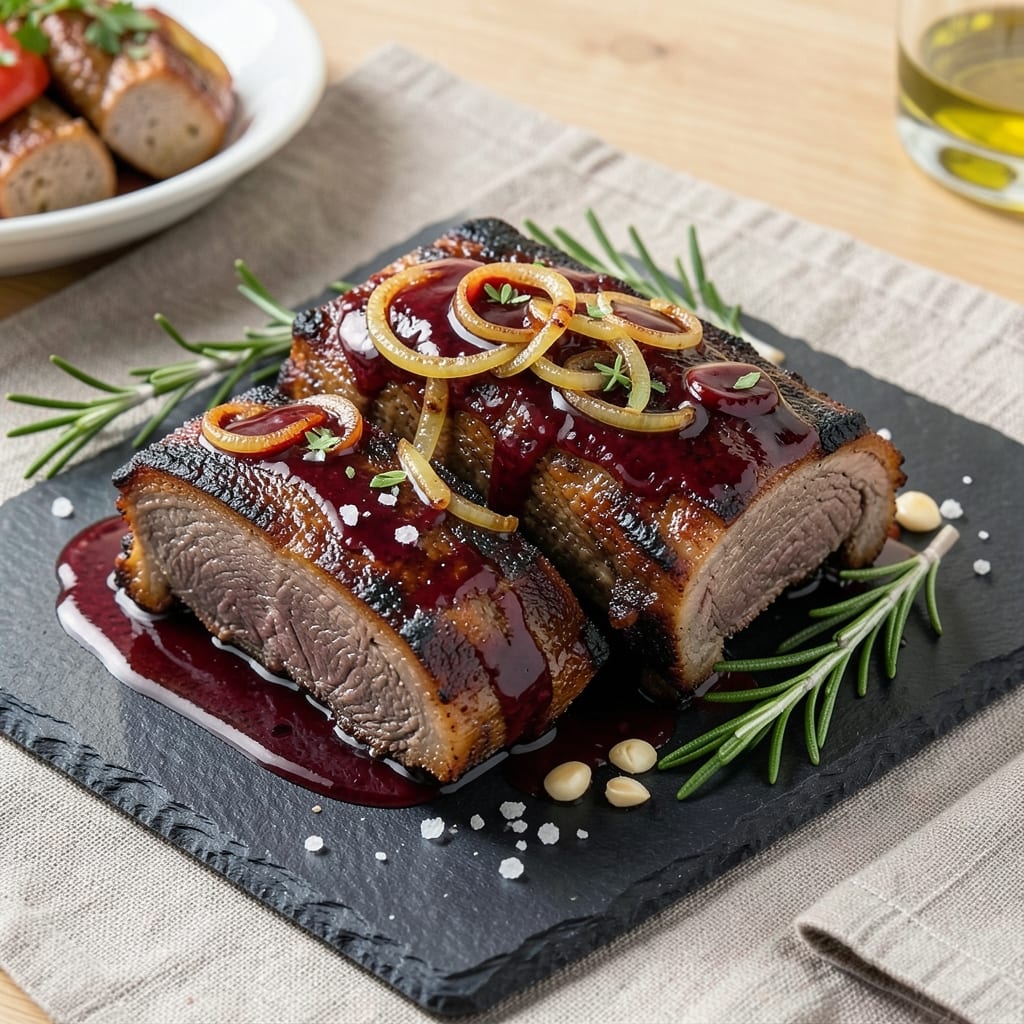
This baked boneless beef short ribs recipe transforms tough cuts into melt-in-your-mouth perfection with minimal effort. The secret lies in slow-braising at low temperatures, which breaks down collagen into rich, caramelized chews while keeping the meat incredibly tender. I developed this method after years of testing different braising techniques, and it never fails to impress—even skeptical meat lovers. What sets this recipe apart is the balance of simplicity and depth. You'll start with a dry rub of aromatic spices and herbs that create a flavorful crust, then slow-cook the ribs until they're fork-tender and glazed with their own juices. The process requires patience, but the result is worth every minute of wait time. By the end, you'll have beef that's so tender it practically falls apart at the touch, with a surface that's beautifully caramelized and richly flavored. The aroma alone will have everyone gathering around the table, and each bite delivers that perfect combination of texture and flavor. These ribs pair beautifully with mashed potatoes, roasted vegetables, or crusty bread to soak up the delicious juices. Here's how to achieve restaurant-quality results at home.
Ingredients for baked boneless beef short ribs
These 14 ingredients deliver melt-in-your-mouth beef that falls apart with every bite—no fancy techniques needed.
| Ingredient | Amount | Notes |
|---|---|---|
| Boneless Beef Short Ribs 🥩 | 2 lb | 2-3 inches thick, trimmed of fat |
| Yellow Onion 🧅 | 1 whole | Sliced into 1/2-inch rounds |
| Garlic Cloves 🧄 | 6 cloves | Smashed, not minced |
| Fresh Rosemary 🌿 | ¼ cup | Chopped, stems removed |
| Fresh Thyme 🌿 | ¼ cup | Leaves only, stems discarded |
| Kosher Salt 🧂 | 1 ½ tbsp | Diamond Crystal preferred |
| Black Peppercorns 🌶️ | 1 tbsp | Freshly cracked |
| Dried Oregano 🍃 | 1 tsp | Mexican oregano preferred |
| Smoked Paprika 🌶️ | 1 tsp | Sweet variety works too |
| Beef Broth 💧 | 2 cups | Low-sodium, homemade preferred |
| Red Wine 🍷 | ½ cup | Bold Cabernet Sauvignon |
| Tomato Paste 🍅 | 2 tbsp | Squeeze tube preferred |
| Extra-Virgin Olive Oil 🫒 | 2 tbsp | For crust development |
| Fresh Parsley 🌿 | ¼ cup | Chopped, for garnish |
The beef is everything here. Look for bone-in short ribs at your butcher—they're cheaper and more flavorful, but since this recipe calls for boneless, ask for the meat cut from the bone. Costco and Whole Foods often carry pre-boneless short ribs, but if not, your local butcher can trim them for you. Thickness matters—aim for 2-3 inches thick so they stay tender. Fresh herbs make all the difference too; Trader Joe's sells pre-chopped rosemary and thyme that saves time without sacrificing quality. For the wine, any bold red works—Cab Sauv, Merlot, whatever's open. Skip the cheap stuff, though.
No red wine? Beef broth with a splash of balsamic works just as well. Fresh herbs? Dried oregano at half the amount gets you close, but nothing beats the real thing. The tomato paste can be skipped if you're short, but it adds that deep, umami richness that makes these ribs unforgettable. For the beef broth, homemade is ideal, but even the low-sodium canned stuff works in a pinch. The olive oil is non-negotiable—it helps develop that beautiful crust during braising. If you're feeling fancy, infuse the oil with garlic and herbs before using it on the ribs.
These ribs taste even better the next day, so make extra if you can. Store them in their juices in the fridge for up to 5 days or freeze for 3 months. Reheat gently in the oven with a splash of broth to keep them moist. The leftovers make amazing sandwiches or tacos—just shred the beef and pile it high. For the fresh herbs, wrap them in damp paper towels and store in a sealed container to keep them vibrant for up to a week. The spices? Keep them in a cool, dark place for up to a year—they'll stay potent.
Why You'll Love This Recipe
- One-Pan Magic: I swear by this trick—just toss the ribs, onions, and garlic on a sheet pan, drizzle with oil, and let the oven work its wonder. No pots, no pans, just pure, hands-off cooking while you sip wine or scroll through your phone.
- Herb-Packed Punch: That rosemary and thyme? They turn bland beef into something ridiculously good. The garlic caramelizes just enough to make every bite taste like a hug from your favorite chef.
- Leftovers That Shine: Between us, these ribs reheat like a dream—tender, not dry, not sad. I’ve turned them into tacos, sandwiches, and even a hearty pasta the next day. Zero waste, all flavor.
- Budget-Friendly Luxury: Short ribs feel fancy, but this recipe stretches them far. A few pounds go a long way, and the onions and herbs cost pennies. Fancy dinner for half the price? Yes, please.
Step-by-step instructions for slow-braised beef short ribs
Here's how to transform tough beef into melt-in-your-mouth chews with rich caramelized flavors.
Sear the Short Ribs for Deep Flavor
Preheat your oven to 300°F for the slow braise, but start with a high-heat sear on the stovetop. Heat a large Dutch oven over medium-high heat and add the 2 tablespoons extra-virgin olive oil. Once shimmering, place the 2 lb boneless beef short ribs in the pan, fat-side down, and let them sear undisturbed for 4-5 minutes until a deep golden crust forms.
Flip the ribs and sear the other side for another 3-4 minutes. The goal is to develop maximum flavor through the Maillard reaction—the browning that creates those complex, savory notes. Once both sides are beautifully browned, remove the ribs and set them aside on a plate. You'll notice the pan has released some rendered fat and browned bits—this is flavor gold that we'll use later.
Build the Aromatic Base with Onions and Herbs
In the same Dutch oven, reduce the heat to medium and add the 1 whole yellow onion sliced into ½-inch rounds. Cook for 5-6 minutes until the onions soften and begin to caramelize at the edges. This step adds natural sweetness that balances the rich beef flavors.
Add the 6 smashed garlic cloves, ¼ cup chopped fresh rosemary, and ¼ cup fresh thyme leaves to the pan. Stir for 1 minute until the garlic becomes fragrant. Here's the thing—don't let the garlic burn. It happens fast, and you'll taste that bitter note. Keep the heat moderate and stir constantly during this minute.
Deglaze and Develop the Braising Liquid
Pour in the ½ cup bold red wine and scrape up all those browned bits from the bottom of the pan with a wooden spoon. This deglazing step captures all the concentrated beef flavor. Let the wine simmer for 2-3 minutes until it reduces by half and the alcohol burns off.
Add the 2 tablespoons tomato paste, 1.5 tablespoons kosher salt, 1 tablespoon cracked black peppercorns, 1 teaspoon dried oregano, and 1 teaspoon smoked paprika. Stir well to combine these spices with the wine reduction. The tomato paste will thicken the braising liquid slightly while adding depth of flavor.
Braise Until Fork-Tender
Return the seared short ribs to the Dutch oven along with any accumulated juices. Pour in the 2 cups low-sodium beef broth until the ribs are mostly submerged but not completely covered. This liquid level ensures even cooking while allowing the ribs to develop that beautiful caramelized crust.
Cover the Dutch oven tightly with a lid and transfer to the preheated 300°F oven. Here's where patience pays off—braise for 2.5 to 3 hours until the meat is fork-tender. You'll know it's done when a knife slides in easily and the meat pulls apart with minimal resistance. The liquid should have reduced significantly, creating a rich, concentrated sauce.
Finish and Garnish for Presentation
Once the ribs reach fork-tender perfection, remove them from the oven and let them rest for 10 minutes before serving. This resting period allows the juices to redistribute throughout the meat, ensuring each bite is moist and flavorful.
Spoon the reduced braising liquid over the ribs and garnish with ¼ cup chopped fresh parsley. The parsley adds a fresh contrast to the rich, caramelized flavors. Serve immediately with crusty bread or mashed potatoes to soak up that delicious sauce. Each bite should deliver tender, caramelized beef with layers of herbaceous, wine-infused flavors that make these ribs truly irresistible.
Pro Tips For Making Baked Boneless Beef Short Ribs
- Sear the Ribs First: The oven’s job is to finish, not transform—start with a hot pan and 2 minutes per side until deep brown. I learned this the hard way after baking pale ribs that tasted like they’d been steamed. That crust locks in flavor and makes the difference between "meh" and "worth the effort."
- Slice Onions Thinly: A knife through the root end, then stack and slice—no partial circles, no burning your fingers. Thick slices stay tough and watery; thin ones caramelize fast and melt into the sauce. I used to chop them roughly, and the texture always let me down.
- Don’t Overcrowd the Pan: If your ribs are packed like sardines, they’ll steam instead of sear. Leave space between them—even if it means two batches. I’ve seen people cram everything in and end up with soggy, uneven cooking. Trust me, it’s not worth the cleanup.
- Add Herbs Late: Tuck fresh rosemary and thyme into the dish only in the last 15 minutes of baking. Any earlier, and their bright notes turn bitter. I was skeptical until I tried it—now I swear by it. The aroma hits you right when the meat’s done, and that’s when it matters most.
Storing and reheating this dish
Refrigerator Storage
Let your braised short ribs cool completely before storing. Transfer them to an airtight container with their juices—this preserves moisture and flavor. They'll keep in the fridge for up to 5 days, with flavors actually deepening as the spices meld. I like using glass containers because they're microwave-safe for later reheating. 💫
Freezer Prep Tips
For long-term storage, freeze the ribs in their braising liquid. Use freezer-safe bags or glass containers, leaving 1-inch headspace for expansion. Label with the date—these ribs stay excellent for 3 months. When ready to eat, thaw overnight in the fridge for even cooking. Never microwave-thaw large cuts like ribs.
Oven Reheating
My preferred method is oven reheating at 325°F for 15-20 minutes with ¼ cup fresh beef broth. Cover with foil to prevent drying. This gentle heat maintains the tender texture while warming through. Check internal temp—it should reach 165°F before serving. The broth helps restore lost moisture from storage.
Stovetop Refresh
For quick reheating, use a skillet over medium-low heat. Add 2 tablespoons of the reserved braising liquid to prevent sticking. Stir occasionally for 5-7 minutes until heated through. This method works best for smaller portions—ideal for meal prep. The stovetop keeps the edges crisp while warming the center.
Sauce Preservation
Save any leftover braising sauce separately in the fridge for up to 4 days. It makes an amazing base for pasta or mashed potatoes. If you have extra ribs, shred the meat and freeze it with the sauce—just thaw and reheat together. The sauce thickens when chilled, so add a splash of water when reheating for proper consistency.
Leftovers Reinvented
Transform leftover ribs into tacos by shredding the meat and serving on warm tortillas with pickled onions and avocado. For sandwiches, pile the beef on crusty bread with caramelized onions. The rich flavors work perfectly in these new formats. I often double the recipe just for this purpose—leftovers taste even better the next day! 🔥
Nutrition facts
Frequently asked questions
Can I use bone-in short ribs instead of boneless?
Bone-in ribs will give you even more flavor and moisture. Just increase the braising time by 30-45 minutes to account for the extra thickness and bone structure. The bones infuse the liquid with rich gelatin, creating an even more luxurious sauce. If using bone-in, trim excess fat to prevent grease buildup in the oven.
What if I don't have red wine? Can I substitute something else?
Yes! Use ½ cup beef broth plus 1 tablespoon balsamic vinegar for similar depth of flavor. For extra richness, add 1 teaspoon soy sauce or Worcestershire sauce. The key is maintaining the liquid volume while replicating the wine's acidity and umami. Never use vinegar alone—it'll overpower the dish.
How do I know when the ribs are fully cooked?
The ribs are done when they reach an internal temperature of 195-203°F and are fork-tender. Insert a meat thermometer into the thickest part—the probe should slide in easily. The meat should pull apart with minimal resistance, and the juices should run clear. If they're not tender enough, return to the oven for 30-60 more minutes covered.
Can I make these ribs in a slow cooker instead?
Yes, but with adjustments! Sear the ribs first, then transfer to a slow cooker with all ingredients. Cook on LOW for 6-8 hours or HIGH for 4-5 hours. The lower temperature means you'll need more time to reach the same tenderness. Add ½ cup extra broth since slow cookers evaporate more liquid. The texture will be slightly more fall-apart than oven-braised.
Why did my ribs turn out dry?
Dry ribs usually mean overcooking or insufficient liquid. Always keep the ribs mostly submerged in liquid during braising. If using a Dutch oven, ensure the lid fits tightly to trap steam. For oven cooking, check the ribs after 2 hours—if they're browning too quickly, tent with foil. The resting period is crucial too—never skip the 10-minute rest before serving.