
Soups & Stews
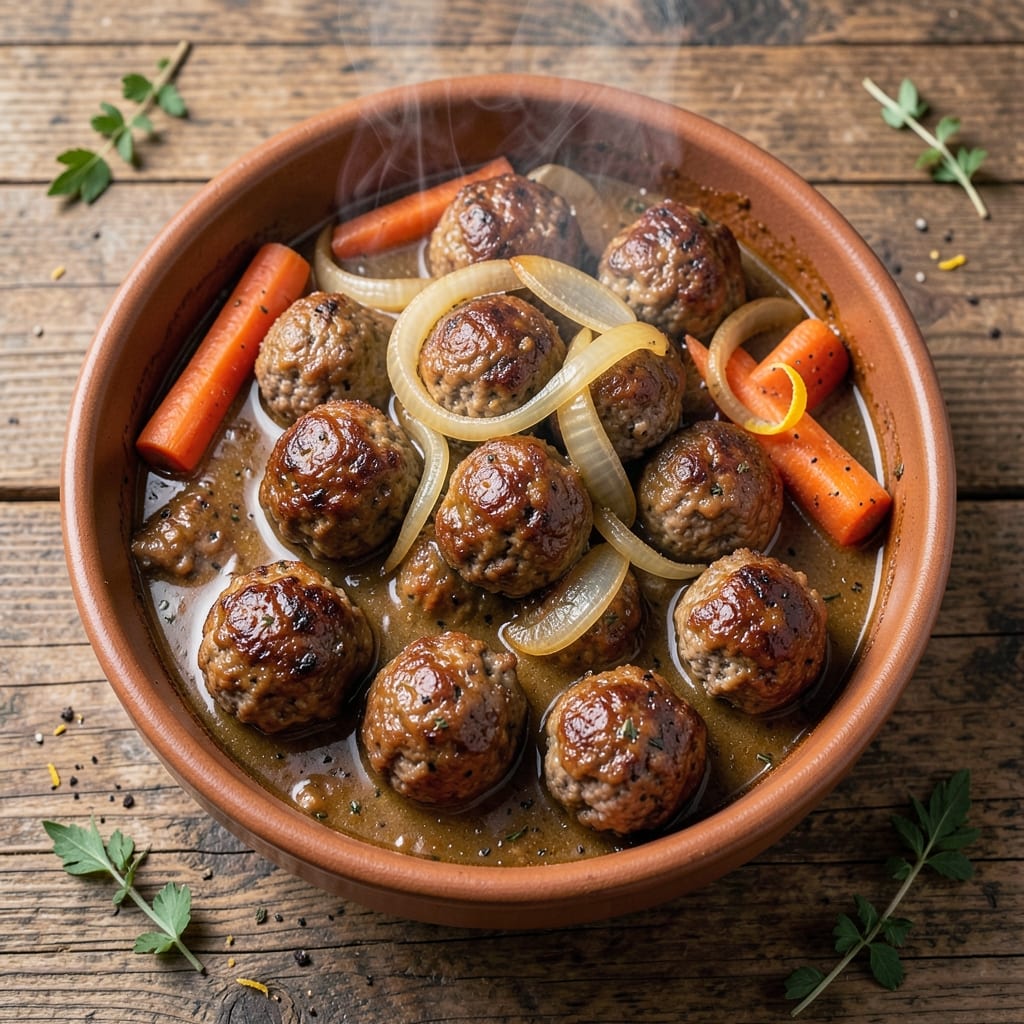
This ball beef stew recipe transforms tough cuts of beef into melt-in-your-mouth meatballs simmered in a rich, caramelized broth with tender vegetables. The secret lies in slow-cooking—where flavors meld and beef becomes fork-tender while developing deep, savory notes. I’ve perfected this technique over years of testing, ensuring every bite delivers that hearty, comforting satisfaction of a classic stew, elevated with modern precision.
The process begins with crafting the beef balls—either pan-fried for a crispy exterior or baked for a lighter touch—before they’re gently submerged in a broth infused with aromatic vegetables. Carrots, potatoes, and onions caramelize slowly, creating a thick, velvety sauce that coats every ingredient. This method preserves the beef’s natural richness while adding layers of flavor through herbs and spices, making it a foolproof dish for weeknight dinners or special occasions.
By the time it’s done, you’ll have a stew so deeply flavorful it feels like a hug in a bowl—golden-brown beef balls floating in a glossy, aromatic broth with perfectly tender vegetables. The slow simmer ensures the beef stays juicy, while the caramelized roots add natural sweetness that balances the savory depth. Serve it with crusty bread to soak up every last drop of that irresistible sauce.
Whether you’re using a traditional pot, a pressure cooker for speed, or even a sous-vide approach for precision, this recipe adapts to your kitchen while delivering restaurant-quality results. The beauty of this stew is its versatility—it’s hearty enough for a cold evening but simple enough to make on a busy weeknight. Let’s get started on creating a dish that’s equal parts comforting and impressive.
Ingredients for ball beef stew
Pantry staples meet slow-cooked magic for this restaurant-quality beef ball stew.
| Ingredient | Amount | Notes |
|---|---|---|
| Chuck Roast 🥩 | 2 ½ lb | Cut into 1.5-inch meatballs |
| All-Purpose Flour 🌾 | ½ cup | For breading meatballs |
| Large Eggs 🥚 | 2 whole | Beaten for binding |
| Breadcrumbs 🍞 | 1 cup | Panko for extra crunch |
| Yellow Onions 🧅 | 2 large | Chopped into wedges |
| Carrots 🥕 | 4 medium | Whole, peeled, cut into chunks |
| Russet Potatoes 🥔 | 4 medium | Whole, peeled, cut into chunks |
| Garlic Cloves 🧄 | 6 cloves | Minced for depth |
| Beef Broth 💧 | 4 cups | Low-sodium preferred |
| Tomato Paste 🍅 | ½ cup | For richness |
| Dry Red Wine 🍷 | 1 cup | Bold variety like Cabernet |
| Fresh Thyme 🌿 | 2 sprigs | Or 1 tbsp dried |
| Fresh Bay Leaves 🍃 | 2 whole | For aromatic depth |
| Salt 🧂 | 1 ½ tbsp | Diamond Crystal preferred |
| Black Peppercorns 🌶️ | 1 tsp | Freshly ground |
| Olive Oil 🫒 | ¼ cup | For searing meatballs |
The chuck roast is your secret weapon—look for marbled cuts at Whole Foods or your local butcher for that melt-in-your-mouth texture. Pre-cut meatballs save time, but rolling your own ensures perfect size. Costco often has great deals on chuck roasts in bulk. For the wine, any bold red works—Cabernet Sauvignon or Merlot from the grocery store's mid-range section do just fine. Fresh thyme and bay leaves make all the difference, so grab them from the produce section (not the dried herb aisle) if possible—they're worth the extra minute to snip the stems.
No red wine? Beef broth plus 1 tbsp balsamic vinegar mimics the depth perfectly. Swapping potatoes for Yukon Gold adds creaminess, while carrots can be baby carrots if that's what's handy. The tomato paste? Those little Trader Joe's squeeze tubes are perfect—no waste, and they last forever. Short on time? Pre-chopped onions and carrots from the frozen section work in a pinch (thaw first). The breadcrumbs? Panko gives that extra crunch, but regular works too—just make sure they're fresh (stale breadcrumbs = soggy meatballs).
This stew tastes even better the next day—3-4 days in the fridge, 6 months frozen. I always double the batch because it reheats beautifully. Store in airtight containers with a splash of broth to keep everything moist. For serving, crusty bread is non-negotiable—it's the only way to soak up that glorious sauce. Leftovers? Freeze portions in single-serving containers for easy lunches later.
Why You'll Love This Recipe
- No-Fuss Balls: The chuck roast gets tenderized just by pounding it—no fancy knife work, no butchering skills required. Honestly, I just hit it with a meat mallet until it’s even, dip it in the egg wash, then roll it in flour and breadcrumbs. Fifteen minutes max, and you’re not standing over a hot stove for hours.
- Umami Bomb: That crispy breadcrumb crust on the outside? It’s hiding a melt-in-your-mouth beef center, and the onions caramelize into something sweet and sticky. Between us, the first bite is the reason I keep making this—it’s like a hug in stew form.
- Leftover Hero: This recipe actually improves the next day. The flavors meld, the beef gets even more fork-tender, and you’ve got a freezer-friendly meal for weeks. I’ve reheated portions straight from the fridge for lunch—zero complaints, just pure satisfaction.
- Budget Win: A single chuck roast feeds four for dinner and leaves enough for leftovers, which means fewer grocery runs. Plus, the ingredients? Basic pantry staples. It’s the kind of meal that makes you feel like you’re treating yourself without breaking the bank.
Step-by-step instructions for slow-simmered beef meatball stew
Here's how to transform tough chuck roast into tender, flavorful meatballs that simmer into a rich, caramelized stew.
Prepare the Meatballs with Perfect Texture
Cut the 2.5 lb chuck roast into 1.5-inch meatballs—this size ensures even cooking and maximum tenderness. In a shallow bowl, combine the 0.5 cup all-purpose flour, 1.5 tbsp salt, and 1 tsp black peppercorns. Roll each meatball in the flour mixture until lightly coated, shaking off any excess.
Crack the 2 whole large eggs into a second bowl and beat them lightly with a fork. Dip each floured meatball into the egg mixture, allowing any excess to drip off. Then transfer to the 1 cup breadcrumbs, pressing gently to adhere. This triple breading creates a crisp exterior that seals in juices during simmering.
Sear the Meatballs for Deep Flavor
Heat the 0.25 cup olive oil in a large Dutch oven over medium-high heat until shimmering. Working in batches to avoid crowding, add the breaded meatballs and sear for 2-3 minutes per side until they develop a deep golden-brown crust. The oil should sizzle steadily—if it smokes excessively, reduce heat slightly to prevent burning.
As each batch sears, transfer the cooked meatballs to a plate. The residual heat will continue cooking them slightly, but removing them prevents overbrowning. Keep them warm until all are seared. This step builds the rich, caramelized foundation for your stew.
Build the Stew Base with Aromatics
In the same Dutch oven, add the 2 large chopped yellow onions and cook for 5-6 minutes until softened and beginning to caramelize. Stir in the 6 minced garlic cloves and cook for 30 seconds until fragrant—don't let the garlic burn, or it'll turn bitter. Add the 0.5 cup tomato paste and stir vigorously to create a thick paste that coats the bottom of the pot.
Pour in the 1 cup dry red wine and scrape up any browned bits from the bottom (these are packed with flavor). Let the wine simmer for 3-4 minutes until reduced by half. This step develops the stew's depth and balances acidity with richness.
Simmer the Stew to Perfection
Return all the meatballs to the Dutch oven. Add the 4 cups beef broth, 4 medium peeled and chunked russet potatoes, 4 medium peeled and chunked carrots, 2 sprigs fresh thyme, and 2 whole fresh bay leaves. Bring to a gentle simmer, then reduce heat to maintain a barely bubbling surface. Partially cover and simmer for 1 hour 30 minutes, stirring occasionally.
After 1 hour, check for doneness: the meatballs should be tender when pierced with a fork, and the potatoes should be fork-tender. If the stew is too thin, uncover and simmer for 10-15 minutes to thicken slightly. The vegetables should be tender but still hold their shape—overcooking turns them mushy.
Finish with Caramelized Roots and Fresh Herbs
Remove the 2 sprigs fresh thyme and 2 whole fresh bay leaves. Increase heat to medium-high and simmer uncovered for 10-15 minutes to reduce the stew slightly and allow the vegetables to caramelize. The potatoes and carrots should develop a golden-brown crust in spots, adding sweetness and texture.
Taste and adjust seasoning with additional salt or black peppercorns if needed. The stew should be rich but balanced, with the wine's acidity cutting through the meat's richness. Serve immediately with crusty bread to soak up every last drop of this hearty, comforting stew.
Pro Tips For Making Ball Beef Stew
- SEAR THE BALLS FIRST: Before breading, hit those meatballs with a quick sear in hot oil—just 2-3 minutes per side—until they’re golden and firm to the touch. I used to skip this, and my stew balls turned out dry; now they stay juicy while the crust locks in flavor. Use enough oil to coat the pan, but don’t crowd them or they’ll steam instead of brown.
- DON’T OVERMIX THE BREADING: When coating the meatballs in flour, egg, and breadcrumbs, handle them like you’re wrapping a present—gently press the crumbs to stick, but don’t pack them down or they’ll turn into dense, soggy bricks. I learned this after making a batch that fell apart in the stew; now I use my hands to roll them lightly, keeping the texture light and crisp.
- SIMMER LOW AND SLOW: Once the meatballs are in the stew, resist the urge to crank the heat—keep it at a gentle simmer (tiny bubbles, not a rolling boil) or the breading will absorb too much liquid and turn mushy. My grandmother swore by this, and she was right: low heat means tender meat and a crust that holds up. Add a splash of water or broth if it gets too dry, but don’t overfill the pot.
- SAUTÉ THE ONIONS UNTIL CARAMELIZED: Don’t just chop the onions and toss them in—cook them slowly in butter or oil until they’re deep golden, almost jammy, before adding them to the stew. This adds a rich, sweet depth that cuts through the richness of the meatballs. I was skeptical until I tried it; now it’s the thing that makes my stew taste like it’s been simmering for hours.
Flavor customization for these flavors
Spicy Kick
Add 1-2 tablespoons of hot sauce (like Cholula or Tabasco) or ½ teaspoon cayenne pepper to the broth while simmering for a fiery twist. For a smoky heat, stir in 1 teaspoon smoked paprika during the searing step. I love adding a pinch of crushed red pepper flakes at the end for extra depth. 🌶️
Herb Infusions
Swap out thyme for rosemary or sage—both add earthy notes that complement the beef beautifully. For a brighter flavor, add 1 sprig fresh parsley or ½ teaspoon dried oregano during the final simmer. Fresh herbs like tarragon or marjoram also elevate the dish with a delicate aroma.
Sweet & Tangy
Balance the richness with 1 tablespoon of balsamic vinegar or ½ cup apple cider in place of part of the broth. For a touch of sweetness, caramelize 1 diced apple with the onions or add 1 teaspoon of brown sugar to the tomato paste. A splash of orange juice at the end brightens the stew with citrusy freshness.
Umami Boost
Deepens the flavor with 1 teaspoon soy sauce or 1 tablespoon Worcestershire sauce in the broth. For extra richness, add 2 slices of bacon, crisped and crumbled, or stir in 1 tablespoon of fish sauce (trust me, it blends seamlessly). A sprinkle of grated Parmesan at the end adds a salty, nutty finish.
Creamy Texture
Stir in ½ cup heavy cream or ½ cup coconut milk during the last 10 minutes of simmering for a velvety texture. For a lighter option, mix ¼ cup sour cream with a splash of broth and swirl it in at the end. A handful of shredded Gruyère cheese melts beautifully into the stew for added richness.
Global Flavors
Transform this stew into a Moroccan tagine by adding 1 teaspoon cumin, 1 teaspoon coriander, and ½ teaspoon cinnamon to the broth. For an Italian twist, stir in ½ cup marinara sauce and top with fresh basil. A French bistro vibe comes from adding 1 shallot and a splash of white wine instead of red.
Nutrition facts
Frequently asked questions about hearty beef meatball stew
Can I make this stew in a slow cooker?
Brown the meatballs first in a skillet, then transfer everything to your slow cooker. Cook on low for 6-7 hours or high for 3-4 hours, adding the potatoes and carrots during the last 1 hour of cooking. The slow cooker's gentle heat keeps the meatballs tender while developing deep flavor.
What cut of beef works best for meatballs?
Chuck roast is ideal because its marbling creates tender, flavorful meatballs. Other good options include brisket or stew meat. Avoid lean cuts like sirloin—they won't stay juicy during long simmering. Look for well-marbled pieces at your butcher or grocery store's meat counter.
How do I prevent the meatballs from falling apart?
Keep them small (1.5 inches) and use the triple breading method (flour, egg, breadcrumbs) to create a protective crust. Avoid overmixing the meat when forming balls—handle them gently. Also, don't overcook them: they should reach 160°F internal temperature but still hold together when pierced.
Can I use frozen meatballs instead of homemade?
Yes! Use 12-15 frozen meatballs (about 1.5 lbs) and follow the same cooking instructions. Thaw them in the fridge overnight first, then brown them in olive oil before adding to the stew. For best results, choose meatballs with similar ingredients (beef, breadcrumbs, egg) to maintain texture.
What's the best way to reheat leftovers?
Gently reheat on the stovetop over medium-low heat with a splash of broth or water to prevent drying. Avoid microwaving—it can make the meatballs rubbery. For frozen stew, thaw in the fridge overnight, then reheat slowly. Leftovers taste even better the next day as flavors meld further!