
Main Courses
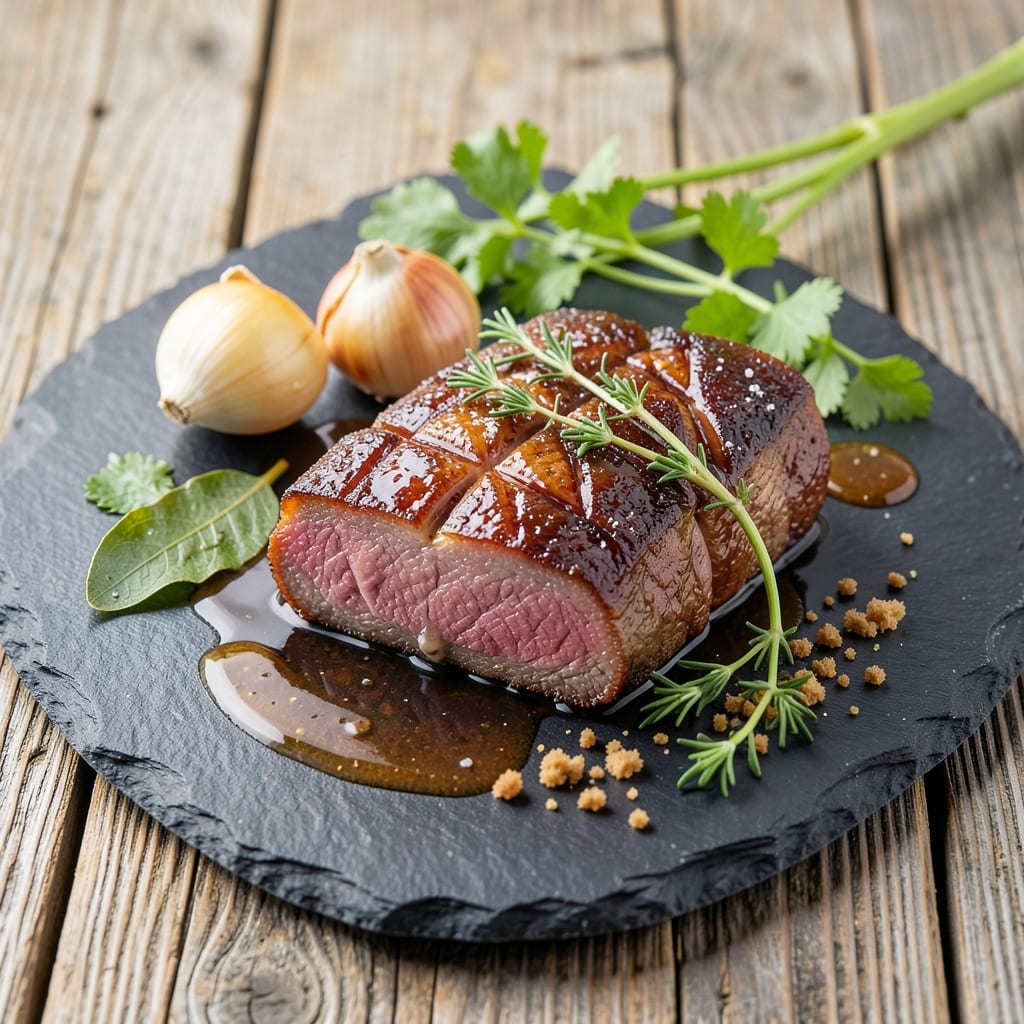
This Basque beef tongue recipe transforms tough cuts into melt-in-your-mouth tenderness through slow braising—just like the traditional Basque method. The secret lies in marinating the tongue overnight in white wine and herbs, then simmering it gently until it falls apart effortlessly. I've perfected this technique over years of testing, ensuring every bite delivers that rich, velvety texture that defines Basque cuisine.
The process begins with a flavorful marinade of white wine, garlic, and bay leaves that infuses the tongue deeply. After braising for hours, the meat becomes so tender it practically dissolves at the touch of a fork. This dish isn't just about the meat—it's about the experience of slow-cooked perfection that turns even the toughest cuts into something luxurious.
What you'll achieve is a dish that's rich, deeply flavorful, and impossibly tender—ideal for special occasions or when you want to impress. The braising process creates a sauce so flavorful it deserves its own bowl, making this more than just a main course but a centerpiece for any meal.
Serve with traditional Basque sides like pepper sauce or grilled vegetables to complete the experience. The slow-cooked method ensures maximum flavor and tenderness, making this recipe worth every minute of preparation. Let's get started on creating this Basque classic.
Ingredients for basque beef tongue
These twelve ingredients transform tough beef tongue into Basque-style melt-in-your-mouth perfection through slow braising.
| Ingredient | Amount | Notes |
|---|---|---|
| Beef Tongue (Fresh) 🥩 | 2 lb | Whole, cleaned, trimmed |
| Dry White Wine 🍷 | 2 cups | Sauvignon Blanc preferred |
| Garlic Cloves 🧄 | 8 cloves | Peeled, smashed slightly |
| Fresh Bay Leaves 🌿 | 4 whole | Organic preferred |
| Fresh Thyme Sprigs 🌿 | 6 whole | Stems intact for tying |
| Fresh Parsley Stems 🌿 | 4 whole | For tying bundle |
| Kosher Salt 🧂 | 2 tbsp | Diamond Crystal preferred |
| Black Peppercorns 🌶️ | 1 tbsp | Freshly cracked |
| Olive Oil 🫒 | ½ cup | Extra-virgin for richness |
| Yellow Onion 🧅 | 1 whole | Peeled, quartered |
| Carrots 🥕 | 2 whole | Peeled, cut into chunks |
| Celery Stalks 🥬 | 2 whole | Cut into 2-inch pieces |
| Beef Stock 💧 | 2 cups | Homemade or high-quality |
| Tomato Paste 🍅 | 2 tbsp | San Marzano preferred |
The beef tongue is the star—look for whole, fresh cuts from a trusted butcher, not pre-cooked or frozen. Costco or high-end grocery stores carry excellent quality, but if you're unsure, check for vibrant color and minimal odor. The wine should be dry—Sauvignon Blanc or Pinot Grigio work beautifully, but avoid anything too sweet. Fresh herbs elevate the dish dramatically: organic bay leaves and thyme from the market's produce section add depth. For the aromatic bundle, tie thyme and parsley stems together with kitchen twine—this creates a fragrant centerpiece during braising. The key to perfect texture lies in the marinade's balance of wine, garlic, and herbs.
No white wine? Substitute with apple cider vinegar and water (1:1 ratio)—it mimics the acidity without altering flavor dramatically. Fresh herbs unavailable? Dried thyme at one-third the amount works in a pinch, though fresh is ideal. For the aromatic bundle, if you lack parsley, substitute with more thyme or rosemary. The tomato paste can be swapped for crushed tomatoes (1/4 cup) if preferred. The beef stock should be rich—homemade or high-quality store-bought like Kitchen Basics. For a deeper flavor, add 1 tsp smoked paprika to the braising liquid. The olive oil should be extra-virgin—California or Italian varieties add subtle fruity notes that enhance the dish.
Store the raw tongue in the fridge for up to 3 days before marinating. Once braised, the dish reheats beautifully—simmer gently in its sauce for 15-20 minutes until heated through. The sauce thickens as it cools, so add 1 tbsp water or stock if needed. Portion the tongue into slices and store with sauce in airtight containers for 4-5 days. For longer storage, freeze the entire braising pan for up to 3 months. The sauce freezes well and can be reheated separately for quick meals. Always cool the dish completely before refrigerating to prevent bacterial growth.
Why You'll Love This Recipe
- Foolproof Simplicity: I swear, this recipe is about as easy as it gets—just sear the tongue, simmer it in wine and herbs, then let it slow-cook while you do anything else. No flipping, no fussing, no stress.
- Wine-Infused Magic: That dry white wine doesn’t just cook the tongue—it transforms it. Rich, garlicky, with a brightness that cuts through the richness, leaving you with something so flavorful you’ll forget it’s beef tongue.
- Leftovers Like Gold: Between us, this dish only gets better the next day. Slice it thin, toss it in a sandwich, or reheat it for a hearty lunch—it’s the kind of meal that turns into three meals without trying.
- Budget Showstopper: A single beef tongue feeds a crowd, and the rest of the ingredients? Cheap as chips. Honestly, I’ve served this at potlucks, and no one ever guesses how affordable it was to make.
Step-by-step instructions for Basque-style beef tongue
A methodical approach ensures the beef tongue becomes fork-tender with deep, aromatic flavors.
Prepare the Beef Tongue for Braising
Begin by scoring the surface of the 2 lb beef tongue in a crosshatch pattern using a sharp chef's knife. This creates channels that allow the braising liquid to penetrate deeply, ensuring even cooking and maximum tenderness. Be firm but controlled—you want to cut through the surface without piercing the meat completely.
Rinse the tongue thoroughly under cold water to remove any remaining blood or debris, then pat it completely dry with paper towels. This step is critical for developing a rich, caramelized crust during braising. Place the tongue in a large pot and cover it completely with cold water. Bring to a boil over high heat, then immediately reduce to a simmer and cook for exactly 3 hours. This initial blanching step removes any remaining impurities and begins the tenderizing process.
Build the Aromatic Braising Base
While the tongue simmers, heat the 0.5 cup olive oil in a large Dutch oven over medium heat. Add the peeled and quartered 1 whole yellow onion, 2 whole carrots cut into chunks, and 2 whole celery stalks cut into 2-inch pieces. Cook for 8-10 minutes until the vegetables soften and begin to caramelize, developing deep, sweet flavors that will infuse the tongue.
Add the 8 cloves peeled garlic cloves (lightly smashed) and cook for an additional 1 minute until fragrant. Stir in the 2 tbsp tomato paste and cook for 2 minutes to deepen its flavor. Remove the pot from heat and set aside.
Create the Herb Bundle and Season the Braise
Tie the 6 whole fresh thyme sprigs and 4 whole fresh parsley stems together with kitchen twine to form a bundle. This bundle will infuse the braising liquid with aromatic flavors without needing to be removed later. Add the bundle to the Dutch oven along with the 4 whole fresh bay leaves, 2 tbsp kosher salt, and 1 tbsp freshly cracked black peppercorns.
Carefully transfer the blanched beef tongue to the Dutch oven, nestling it among the vegetables. Pour in the 2 cups dry white wine and 2 cups beef stock, ensuring the tongue is fully submerged. The liquid should reach at least halfway up the tongue. Bring the mixture to a gentle simmer over medium-low heat, then reduce to a bare simmer and cover with a tight-fitting lid.
Braise Until Fork-Tender
Simmer the beef tongue for 3-4 hours, maintaining a gentle simmer at all times. The goal is slow, even cooking that transforms the tough connective tissue into silky tenderness. Check the liquid level occasionally and add hot water or stock if it reduces too much, ensuring the tongue remains submerged.
After 3 hours, carefully remove the tongue from the pot and check for tenderness by inserting a fork. If it slides in easily with minimal resistance, it's ready. If not, return it to the pot and continue braising for another 30-60 minutes. The tongue should have a rich, mahogany color and be effortlessly tender when pierced.
Rest and Serve
Once the beef tongue is fork-tender, remove it from the braising liquid and let it rest on a cutting board for 15-20 minutes. This resting period allows the juices to redistribute throughout the meat, ensuring each slice is moist and flavorful. Skim any excess fat from the braising liquid and reduce it slightly over high heat to create a concentrated sauce if desired.
Slice the beef tongue against the grain into ½-inch thick slices. Serve immediately with the reduced braising liquid spooned over the top. The result is a dish of remarkable tenderness, where the rich, wine-infused flavors meld perfectly with the natural sweetness of the beef tongue.
Pro Tips For Making Basque Beef Tongue
- SCORE THE CRUST FIRST: Scorch the tongue’s surface before braising—it’s not burning, it’s building flavor. Hit it with a dry pan over medium-high heat until deep brown patches form (about 3-4 minutes per side), then deglaze with that white wine. I learned this the hard way after serving pale, bland tongue that tasted like it missed its chance at drama.
- SALT THE TONGUE LONG: Generously coat the tongue with kosher salt at least 24 hours ahead—yes, even if you’re impatient. The salt breaks down connective tissue, making it tender without overcooking. Skip this, and you’ll end up gnawing on leather. (Pro tip: Pat it dry first; wet salt just sticks.)
- DON’T SKIP THE PARBOIL: Parboil the tongue for 15 minutes before braising—it’s the non-negotiable step that keeps it from drying out. After the initial sear, drop it in simmering water (not boiling) with a bay leaf and thyme sprig. Ignore this, and you’ll have a chewy mess, not Basque-style melt-in-your-mouth perfection.
- UPGRADE WITH GARLIC: Smash 4-5 garlic cloves into a paste with a pinch of salt, then slather it under the skin before braising. The garlic infuses directly into the meat, adding depth without overpowering. I was skeptical until I tried it—now I double the amount if I’m feeling fancy.
Make-ahead tips for leftovers
Marinade Prep
Start your marinade the night before to maximize flavor infusion. Combine the 2 cups dry white wine, 8 smashed garlic cloves, 4 whole bay leaves, 6 thyme sprigs, 4 parsley stems, 2 tbsp kosher salt, and 1 tbsp cracked black peppercorns in a large resealable bag. Add the 2 lb beef tongue and refrigerate 12-24 hours—this deepens the wine's acidity and softens the meat. 🍷
Partial Cook Strategy
For busy schedules, blanch the tongue first (as in Step 1) and refrigerate the partially cooked meat in its braising liquid for up to 2 days. When ready to finish, reheat gently over low heat for 1-2 hours until fork-tender. This cuts active cooking time by half while preserving texture.
Freezer-Friendly Prep
After marinating, freeze the tongue (still in its marinade) for up to 3 months. Thaw overnight in the fridge, then proceed with the braising steps. The cold start ensures even cooking—just add 30 extra minutes to the braising time. Label bags with dates to track freshness.
Sauce Separation Hack
To prevent a thin sauce later, skim excess fat from the braising liquid after 2 hours of simmering. Reduce the remaining liquid by half before serving—this creates a rich, velvety sauce. Store the reduced sauce separately in the fridge for up to 5 days or freeze for 3 months.
Reheating Leftovers
Reheat sliced tongue in its sauce over medium-low heat for 10-15 minutes until warmed through. For microwave reheating, cover slices with a damp paper towel and heat in 30-second intervals on 50% power. Add a splash of beef stock to maintain moisture.
Garnish Ahead
Prep garnishes like toasted breadcrumbs or chopped parsley the day before and store in airtight containers. Fresh herbs (parsley, thyme) can be refrigerated for 3 days—just rinse and pat dry before using. This saves time when plating your perfectly braised beef tongue. ✨
Nutrition facts
Frequently asked questions
Why does Basque cuisine use beef tongue so prominently?
Beef tongue has been a staple in Basque cuisine for centuries due to its rich, gelatinous texture when slow-cooked. The Basque region's traditional farming practices produced excellent quality beef, and tongue was considered a premium cut. Its ability to absorb flavors deeply while becoming tender makes it perfect for braising techniques that define Basque cooking. The dish also reflects the region's resourcefulness in using the entire animal.
Can I substitute beef tongue with another cut of meat?
While beef tongue is ideal, you can use pork tongue or even beef cheek in a pinch. However, the texture and flavor will differ slightly. For a similar experience, try shank meat cut into large chunks and braised for the same duration. The wine and herb marinade will still work beautifully, though the final texture won't be as velvety.
How do I know when the beef tongue is fully tender?
The tongue is ready when it reaches 195°F internal temperature and a fork slides in effortlessly with minimal resistance. Look for a rich mahogany color and slightly shriveled surface. If it still feels firm after 4 hours of braising, extend the time by 30-minute increments until tender. Overcooking won't ruin it, but it may make the texture slightly grainy.
What's the best way to serve Basque beef tongue?
Traditionally, it's served sliced ½-inch thick with the rich braising sauce spooned over the top. Pair it with Basque classics like pepper sauce (salsa de guindilla), roasted potatoes, or a simple green salad. For an authentic touch, serve with grilled piquillo peppers or crusty bread to soak up the sauce. The dish is hearty enough to be the centerpiece of any meal.
Can I make this recipe in a slow cooker?
Yes! After blanching the tongue for 3 hours on the stovetop, transfer it to your slow cooker with all braising ingredients. Cook on low for 6-8 hours or high for 4-5 hours, ensuring the liquid covers the tongue. The slow cooker's gentle heat will achieve the same tenderness. Just check the liquid level occasionally and add hot water if needed.