
Main Courses
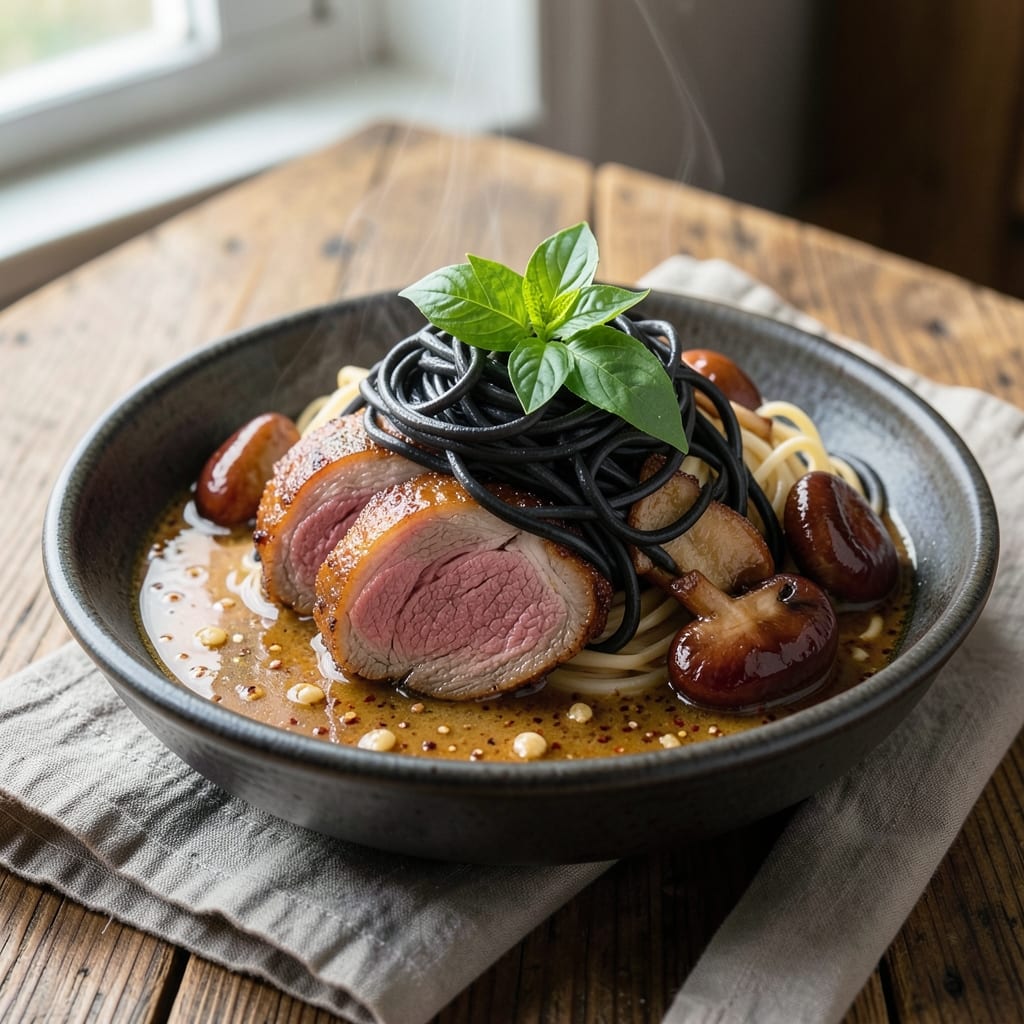
This Asian beef cheek recipe transforms tough cuts into melt-in-your-mouth tenderness with a deep, aromatic five-spice marinade. The secret lies in slow-braising—where collagen dissolves into a rich, velvety sauce that clings to every bite. I developed this method after years of perfecting the balance between traditional techniques and modern convenience, ensuring restaurant-quality results at home.
The process begins with marinating the beef cheek in a blend of soy sauce, rice wine, and five-spice powder, which tenderizes the meat while infusing it with layers of flavor. After a quick sear, the beef braises for hours in a savory broth until fork-tender. The result is a dish that’s both comforting and sophisticated—ideal for special occasions or weeknight dinners when you crave something hearty yet refined.
What sets this recipe apart is the harmony of textures: the beef cheek becomes incredibly tender, almost falling apart, while the sauce remains thick and glossy. Serve it over steamed jasmine rice or alongside pickled vegetables to balance the richness. The aroma alone will draw everyone to the table, making this dish a showstopper.
Perfect for those who appreciate the art of slow cooking, this recipe delivers a satisfying meal that’s worth the wait. Whether you're recreating a classic Asian dish or adding a modern twist, the result is a deeply flavorful experience that feels both nostalgic and exciting. Let’s get started!
Ingredients for asian beef cheek
Transform tough beef cheek into restaurant-quality tenderness with these carefully chosen ingredients.
| Ingredient | Amount | Notes |
|---|---|---|
| Beef Cheek 🥩 | 3 lb | Tough cut for collagen-rich braising |
| Soy Sauce 🥢 | ½ cup | High-quality, preferably Japanese |
| Rice Wine 🍶 | ⅓ cup | Dry sherry substitute if unavailable |
| Five-Spice Powder 🌶️ | 2 tbsp | Authentic blend for depth of flavor |
| Garlic Cloves 🧄 | 6 cloves | Minced for aromatic base |
| Ginger Root 🌿 | 2 tbsp | Freshly grated, aromatic kick |
| Star Anise 🌟 | 2 whole | Whole pods for infusion |
| Cinnamon Sticks 🍃 | 2 whole | For warm, woody notes |
| Brown Sugar 🍯 | ¼ cup | Lightly packed for balance |
| Low-Sodium Chicken Broth 💧 | 2 cups | Homemade preferred for depth |
| Sesame Oil 🫒 | 1 tbsp | Toasted for finishing |
| Green Onions 🧅 | ¼ cup | Sliced for garnish |
| Jasmine Rice 🍚 | 1 ½ cups | Uncooked, for serving |
| Kosher Salt 🧂 | 1 ½ tsp | Diamond Crystal preferred |
| Black Peppercorns 🌶️ | ½ tsp | Freshly cracked for texture |
The beef cheek is the star—look for well-marbled cuts at Whole Foods or your local butcher. Asian markets often carry pre-cut versions, saving prep time. Five-spice powder should be authentic (not the generic supermarket blend)—Penzeys or Mae Ploy are reliable brands. Star anise and cinnamon sticks can be found in the spice aisle or international section. For the broth, homemade yields the best flavor, but Pacific Foods low-sodium chicken broth is a solid shortcut. The ginger and garlic should be vibrant—no shriveled roots here.
No five-spice powder? Combine 1 tsp each of cinnamon, cloves, fennel, and peppercorns for a DIY version. Substitute dry sherry for rice wine if needed—just use the same amount. The sesame oil can be omitted if you're avoiding strong flavors, but it adds that signature aroma. For a quicker version, use pre-minced garlic and ginger from the freezer section. The jasmine rice should be long-grain and unscented unless you prefer aromatic varieties. If you're short on time, microwaveable rice pouches work in a pinch.
Store the beef cheek in the coldest part of your fridge until ready to marinate. The five-spice powder and whole spices keep indefinitely in airtight containers. Once cooked, the braised beef cheek reheats beautifully—simply warm in the sauce for 2-3 minutes. Portion leftovers into containers with a thin layer of sauce to prevent drying. The dish freezes well for 3 months, though the texture may change slightly upon thawing. For serving, keep the sesame oil and green onions separate until ready to plate.
Why You'll Love This Recipe
- One-Pot Magic: I swear by this recipe because it’s that simple—just one pot, no fuss. Toss in the beef cheek, splash of rice wine, and five-spice powder, then let it slow-cook while you handle the rest of dinner. Honestly, the hardest part is waiting for the aroma to fill your kitchen.
- Umami Bomb: That beef cheek? It melts into rich, caramelized perfection—like a cross between a tender braise and a savory stew. The soy sauce and garlic cloves punch up the flavor, but the five-spice powder is the real MVP, giving it this warm, slightly sweet depth that lingers.
- Leftovers That Shine: Between us, this recipe tastes even better the next day. I make a double batch on Sundays, and by Wednesday, it’s still the star of my lunch—whether I’m wrapping it in rice paper or tossing it into noodles. No sad, dried-out leftovers here.
- Budget-Friendly Luxury: Beef cheek is shockingly affordable, and a little goes a long way. I stretch it into three meals without breaking the bank, plus the rice wine and spices cost next to nothing. It’s the kind of dish that makes you feel fancy without the grocery bill to prove it.
Step-by-step instructions for slow-braised Asian beef cheek
Master this technique for melt-in-your-mouth beef cheek infused with aromatic spices and deep umami flavors.
Prepare the Beef Cheek for Braising
Begin by rinsing the 3 lb beef cheek under cold water and patting it completely dry with paper towels. This step is crucial—any moisture on the meat will prevent proper browning and flavor development. Using a sharp chef's knife, trim away any large chunks of fat or connective tissue, leaving a clean surface for the marinade to adhere.
In a large mixing bowl, combine the 0.5 cup soy sauce, 0.33 cup rice wine, 2 tbsp five-spice powder, 6 cloves minced garlic, 2 tbsp freshly grated ginger root, 2 whole star anise, and 2 whole cinnamon sticks. The five-spice blend should be toasted lightly in a dry pan for 1 minute before adding to enhance its aromatic qualities. Pour this marinade over the beef cheek, ensuring it's fully coated on all sides. Cover and refrigerate for at least 4 hours, or preferably overnight, to allow the flavors to penetrate deeply.
Sear the Beef Cheek for Depth of Flavor
Remove the beef cheek from the refrigerator and let it sit at room temperature for 30 minutes before cooking. This ensures even heat distribution during the searing process. Heat a heavy-bottomed Dutch oven over medium-high heat and add the beef cheek, fat-side down. Sear undisturbed for 8-10 minutes until a deep golden-brown crust forms. Flip and sear the other side for another 6-8 minutes. The goal is to develop a rich, caramelized exterior that will infuse the braising liquid with complex flavors.
Once browned, transfer the beef cheek to a plate and set aside. In the same Dutch oven, add 2 cups low-sodium chicken broth and scrape up any browned bits from the bottom using a wooden spoon. These fond bits are packed with flavor and will form the base of your braising liquid. Bring the broth to a gentle simmer over medium heat for 3 minutes to deglaze the pan completely.
Braise the Beef Cheek Until Fork-Tender
Return the beef cheek to the Dutch oven, along with the marinade (strain it to remove the whole spices if desired). Add the 0.25 cup lightly packed brown sugar and bring the mixture to a boil. Once boiling, reduce the heat to low, cover the Dutch oven with a tight-fitting lid, and transfer it to a preheated 300°F oven. The low temperature is key—it allows the collagen in the beef cheek to break down slowly over time, transforming into gelatin that makes the meat incredibly tender.
Braise for 3 hours, then check for doneness by inserting a fork into the thickest part of the meat. It should pierce easily with minimal resistance. If not, continue braising for another 30-60 minutes, adding 1 cup hot water if the liquid reduces too much. The beef cheek is ready when it falls apart effortlessly and the braising liquid has thickened into a rich, glossy sauce. This patience is what transforms tough beef cheek into luxurious, silky perfection.
Finish and Serve with Jasmine Rice
Once the beef cheek is fork-tender, remove it from the Dutch oven and transfer it to a cutting board. Skim any excess fat from the braising liquid and stir in the 1 tbsp toasted sesame oil. Return the beef cheek to the Dutch oven and simmer uncovered over medium-low heat for 5-7 minutes to allow the sauce to thicken slightly and the flavors to meld. The sesame oil adds a nutty finish that complements the deep umami of the beef cheek.
While the beef cheek finishes, prepare the 1.5 cups jasmine rice according to package instructions, using 1.5 tsp kosher salt in the cooking water. To serve, slice the beef cheek against the grain into ¼-inch thick pieces and arrange over the steamed rice. Ladle the rich braising sauce generously over the top and garnish with 0.25 cup sliced green onions. The contrast of the fragrant rice with the deeply flavorful beef cheek creates a harmonious balance that's both comforting and sophisticated.
Pro Tips For Making Asian Beef Cheek
- Sear the Cheek First: That first sear isn’t just for looks—it locks in flavor and keeps the meat from drying out later. Use a heavy pan (cast iron if you’ve got it) and let the beef cheek hit medium-high heat until deep brown crusts form, about 3-4 minutes per side. I used to skip this, and the final dish always tasted flat.
- Trim Fat Like a Pro: Beef cheek comes with a thick fat cap—don’t just hack it off. Use kitchen shears to snip the fat into ½-inch chunks, leaving some intact to baste the meat as it cooks. My grandmother swore by this, and it makes the dish richer without grease flooding the pan.
- Deglaze Aggressively: After searing, don’t just splash in soy sauce and call it a day. Scrape the browned bits off the pan with a wooden spoon first—those bits are pure flavor. Add rice wine next, let it bubble for 30 seconds, then add soy sauce. I learned this the hard way when my first batch tasted bland.
- Low and Slow Wins: Once the beef cheek hits the oven or stovetop, resist the urge to rush. Cover the pot and simmer at 300°F (150°C) for at least 3 hours, flipping halfway. The meat needs time to break down—cutting it early is the fastest way to ruin it. (Yes, even if you’re impatient like me.)
Wine and beer pairings for asian beef cheek
Red Wine Pairings
A bold Shiraz or Syrah from Australia or France is my go-to choice for this dish—its dark fruit notes and peppery finish mirror the five-spice marinade and umami depth of the beef cheek. Look for a 2018 Penfolds Bin 28 or Guigal Côte-Rôtie for a more refined option. The wine's tannins stand up to the richness while its acidity cuts through the sauce. 🍷
Asian-Inspired Beers
For beer lovers, a Japanese hoppy IPA or Chinese wheat beer works beautifully. Try Sapporo Black Label—its malty sweetness balances the savory beef, while Tsingtao provides a crisp, clean finish that refreshes your palate. Avoid heavy stouts, as their roasted flavors can clash with the delicate spice profile.
Light White Wine
If you prefer white wine, a dry Riesling from Germany or Pinot Grigio from Italy offers bright acidity that complements the dish without overpowering it. The Dr. Loosen Blue Slate Riesling has enough body to handle the richness while its citrus notes refresh the palate. Chill slightly before serving.
Non-Alcoholic Options
For a mocktail, mix sparkling yuzu soda with a splash of rice vinegar and a pinch of salt. The citrusy effervescence cuts through the richness, while the vinegar enhances the umami flavors. Serve over ice for a refreshing contrast to the warm beef cheek. 💫
Serving Temperature
Serve red wines at 60-65°F and whites at 45-50°F for optimal balance. Beer should be served slightly cooler than room temperature—around 40-45°F—to preserve its crispness. If using a wine fridge, let the bottle breathe for 10-15 minutes before pouring to enhance aroma.
Nutrition facts
Frequently asked questions
Why does beef cheek need such a long braising time?
The collagen in beef cheek breaks down slowly when cooked at low temperatures (300°F) for 3+ hours, transforming into gelatin that makes the meat silky and tender. This process is what creates that luxurious, melt-in-your-mouth texture that's impossible with quicker cooking methods. Patience is key—rushing will leave it tough!
Can I substitute beef cheek with another cut?
While beef cheek is ideal for its collagen-rich texture, you can use chuck roast or brisket in a pinch. These cuts have similar connective tissue, though they may need 1-2 extra hours of braising. Avoid lean cuts like sirloin—they won't develop the same tender, saucy texture. For best results, stick with fatty, collagen-heavy cuts.
How do I know when the beef cheek is fully tender?
Insert a fork into the thickest part—the meat should pierce easily with minimal resistance. If it feels slightly springy, continue braising for 30-60 more minutes. Another test: slice a small piece—if it shreds effortlessly, it's ready. The sauce should also thicken noticeably as collagen renders. Never rush this step!
Can I make this recipe in a slow cooker?
Yes! Sear the beef cheek first, then transfer everything to a 6-quart slow cooker on low for 8-10 hours (or high for 5-6 hours). Add ½ cup water if the liquid gets too thick. The texture will be slightly different but still delicious. Just avoid lifting the lid to check—steam escape slows down the process!
What's the best way to reheat leftovers?
Reheat in the same Dutch oven with 1-2 tbsp broth or water over low heat for 5-7 minutes until warmed through. Microwaving can make the meat dry, and oven reheating may overcook it. Always reheat with a little liquid to maintain moisture and sauce consistency. Leftovers keep well for 3-4 days in the fridge.