
Main Courses
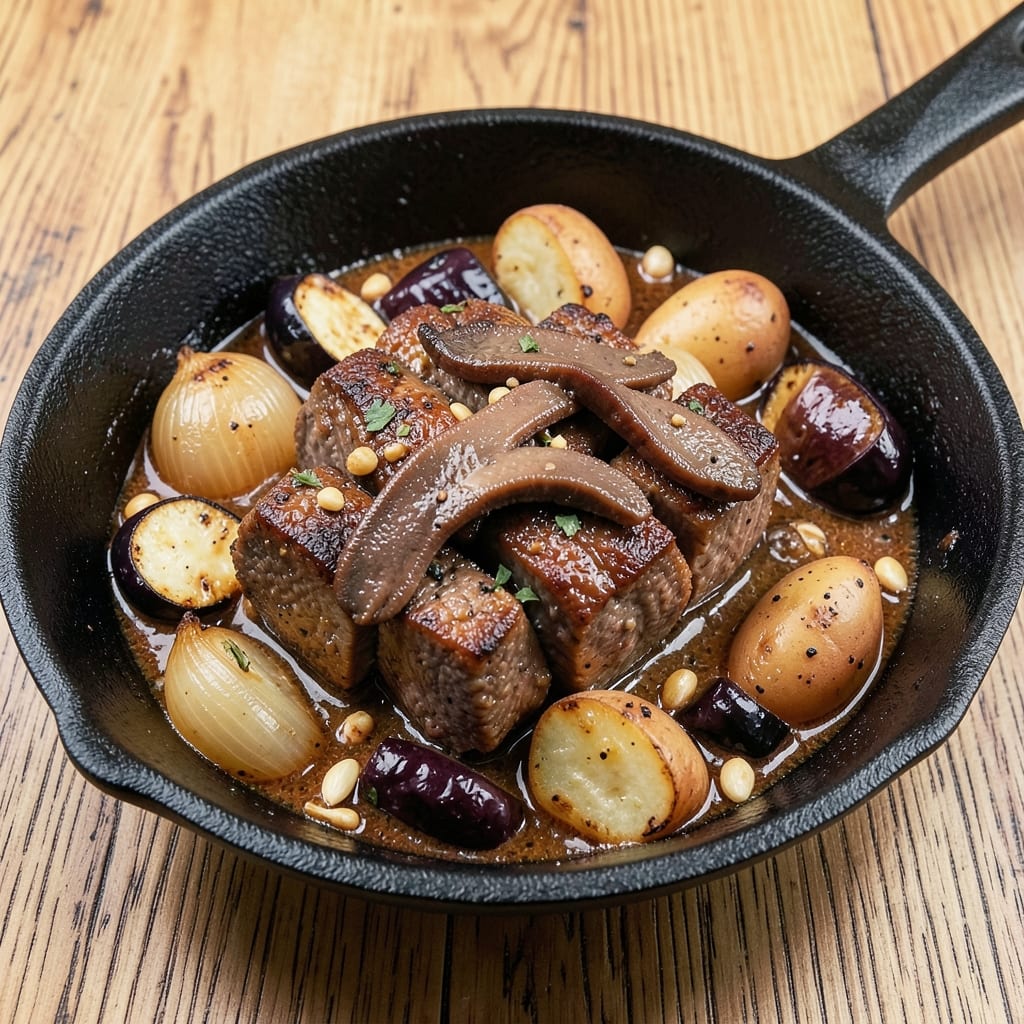
Batangas beef caldereta transforms tough beef and humble vegetables into a deeply flavorful, smoky stew that tastes like home. This regional Filipino classic relies on slow cooking to develop layers of caramelized richness, where tender beef, eggplant, and potatoes melt into a velvety tomato sauce. The secret lies in balancing acidity, sweetness, and umami—traditional techniques that turn simple ingredients into something extraordinary.
Unlike its more widely known versions, Batangas-style caldereta incorporates local ingredients like liver for depth and a touch of sweetness from native tomatoes. The dish starts with searing beef to lock in juices, then simmers for hours until the vegetables soften and the sauce thickens into a luxurious consistency. This isn't just a stew—it's a celebration of Filipino comfort food, where every spoonful delivers smoky, savory, and slightly sweet flavors.
The result is a dish that's hearty enough for family gatherings but elegant enough for special occasions. The beef becomes fork-tender, the eggplant and potatoes absorb the rich sauce, and the aroma alone will have everyone anticipating dinner. Whether you're recreating a childhood memory or introducing this regional specialty to new palates, this recipe delivers authenticity with foolproof techniques.
Perfect for weeknight dinners or holiday feasts, Batangas beef caldereta pairs beautifully with steamed rice and a crisp salad. The sauce thickens as it cools, making leftovers even more flavorful. Let's bring the flavors of Batangas to your kitchen—where tradition meets modern simplicity.
Ingredients for batangas beef caldereta
Transform humble ingredients into Batangas' legendary smoky beef stew with this authentic recipe.
| Ingredient | Amount | Notes |
|---|---|---|
| Beef Chuck Roast 🥩 | 2 ½ lb | Cut into 1.5-inch cubes |
| Eggplant 🍆 | 2 lb | Cut into 1-inch cubes |
| Russet Potatoes 🥔 | 3 lb | Cut into 1.5-inch chunks |
| Beef Liver 🍖 | 1 lb | Cut into small pieces |
| Large Onions 🧅 | 4 whole | Thinly sliced |
| Garlic Cloves 🧄 | 8 cloves | Minced |
| Tomatoes 🍅 | 4 whole | Ripe, quartered |
| Canned Tomato Sauce 🍅 | 2 cups | San Marzano preferred |
| Bay Leaves 🌿 | 2 whole | Dried |
| Black Peppercorns 🌶️ | 1 tbsp | Crushed |
| Salt 🧂 | 2 tsp | Diamond Crystal kosher |
| Olive Oil 🫒 | ½ cup | Extra-virgin for richness |
| Soy Sauce 🍶 | 2 tbsp | Dark soy preferred |
| Sugar 🍚 | 1 tbsp | White granulated |
| Calamansi or Lemon Juice 🍋 | ¼ cup | Freshly squeezed |
The beef chuck roast is non-negotiable—its fat content and connective tissue create the signature tenderness. Look for well-marbled cuts at your local butcher or Costco for the best value. The liver adds depth but can be omitted if you prefer a milder flavor. For tomatoes, San Marzano cans deliver superior quality, though any ripe, flavorful tomatoes will work. Eggplant should be firm and heavy for its size, indicating freshness. Store all vegetables in the fridge until ready to use, with potatoes kept in a cool, dark place for up to 2 weeks.
No beef liver? Substitute with 1 lb of beef heart for similar richness, or omit entirely and increase onions by 2. Dark soy sauce can be replaced with regular soy sauce plus 1 tsp molasses for color. Calamansi is ideal but lemon juice works perfectly. For a quicker prep, use pre-cut frozen eggplant and potatoes—just thaw and pat dry thoroughly. The sugar balances acidity, so don't skip it unless you're using particularly sweet tomatoes. Fresh garlic and onions should be used for maximum flavor, though frozen will suffice in a pinch.
This dish tastes even better the next day as flavors meld. Store leftovers in an airtight container in the fridge for up to 5 days. For longer storage, portion into freezer-safe containers and freeze for up to 3 months. The sauce thickens as it cools, so you may need to add a splash of water or broth when reheating. Serve with steamed rice to soak up every last drop of that luxurious tomato sauce—traditional presentation calls for a crisp salad on the side to cut through the richness.
Why You'll Love This Recipe
- One-Pot Magic: I swear by this recipe when I’m too tired to scrub pots—throw everything in one deep skillet, and the beef liver and onions caramelize right into the sauce. No extra pans, no fuss, just deep, rich flavors with minimal cleanup.
- Liver’s Secret Boost: Between us, the beef liver is the MVP here—it melts into the stew, adding this earthy depth that turns a simple beef stew into something ridiculously good. (Yes, even if you’re not usually a liver fan.)
- Weeknight Crowd-Pleaser: This feeds a family of four easily, and the potatoes and eggplant soak up all that savory sauce—no one ever leaves a bite. Honestly, I’ve served it at potlucks, birthday dinners, and lazy Sundays, and it’s always the dish people ask for seconds on.
- Budget-Friendly Staple: Beef chuck roast stretches far, and the liver (often overlooked) cuts costs without sacrificing flavor. I make a double batch on Sundays, and it’s still delicious reheated for lunch—no sad leftovers here.
Step-by-step instructions for Batangas beef caldereta
Here's the method for crafting this rich, smoky Filipino stew with perfect texture balance.
Sear the Beef and Liver for Deep Flavor
Heat the 0.5 cup Olive Oil in a heavy Dutch oven over medium-high heat until shimmering. Working in batches, add the 2.5 lb Beef Chuck Roast cut into 1.5-inch cubes, searing until deeply browned on all sides—about 4-5 minutes per batch. This step develops the Maillard reaction that forms the stew's rich foundation.
Remove the beef and set aside. In the same pot, add the 1 lb Beef Liver cut into small pieces and cook for just 1-2 minutes until lightly browned—beef liver cooks quickly and should remain tender. Remove and set aside with the beef. Keep all the browned bits in the pot; these contain concentrated flavor that will form the sauce base.
Build the Aromatic Base with Onions and Garlic
Add the 4 whole Large Onions sliced thinly to the Dutch oven. Cook over medium heat for 8-10 minutes until softened and golden brown, stirring occasionally. The onions should caramelize slightly, adding sweetness to balance the stew's acidity.
Stir in the 8 cloves Garlic Cloves minced and cook for 30 seconds until fragrant—don't let it burn. Add the 1 tbsp Black Peppercorns crushed and 2 tsp Salt, stirring to combine. This aromatic base forms the flavor backbone of the caldereta, so take your time developing it properly.
Braise the Vegetables Until Tender
Return the beef and liver to the pot. Add the 2 lb Eggplant cut into 1-inch cubes and 3 lb Russet Potatoes cut into 1.5-inch chunks, along with the 4 whole Tomatoes quartered. Pour in the 2 cups Canned Tomato Sauce and add the 2 whole Bay Leaves. Stir gently to combine.
Bring to a gentle simmer over medium-low heat. Partially cover the pot and let cook for 45-50 minutes, stirring occasionally, until the vegetables are fork-tender and the beef is nearly falling apart. The stew should reduce slightly, creating a thick, velvety sauce that coats the ingredients.
Finish with Soy, Sugar, and Acid Balance
Stir in the 2 tbsp Soy Sauce, 1 tbsp Sugar, and 0.25 cup Calamansi or Lemon Juice. The soy sauce adds umami depth, the sugar balances the acidity, and the citrus brightens the rich tomato base. Simmer uncovered for 10-15 minutes to allow the flavors to meld and the sauce to thicken to your desired consistency.
Taste and adjust seasoning if needed. The caldereta should have a perfect balance of smoky, sweet, and tangy flavors with tender beef and vegetables in a rich, velvety sauce. Remove the bay leaves before serving and enjoy immediately with steamed rice.
Pro Tips For Making Batangas Beef Caldereta
- Sear the Liver First: I learned this the hard way—if you toss the beef liver in with the raw chuck roast, it’ll turn to mush before the beef even gets a chance to brown. Sear the liver separately in a hot pan for just 1-2 minutes per side (until it’s still pink inside) before adding it to the pot. That way, it stays tender and absorbs the rich caldereta flavors instead of falling apart. ---
- Cut Potatoes in Chunks: Thinly sliced potatoes? Nope. For Batangas-style caldereta, cut the Russets into 1.5-inch chunks—they’ll hold their shape better and soak up the sauce without turning to glue. (Yes, even if it looks less "restaurant-plated," it’s the only way they stay firm.) ---
- Don’t Rush the Onion Base: After burning three batches of onions, I finally figured out: let them caramelize low and slow for at least 15 minutes. The deep golden color is what builds the flavor foundation for the stew. Skip the high heat—it’ll turn bitter, and you’ll be starting over. ---
- Use Cold Water for Eggplant: Sounds weird, but it works: Soak the eggplant slices in cold water for 10 minutes before adding them to the pot. It draws out bitterness and keeps them from turning slimy in the sauce. Drain well—no one wants a watery caldereta.
Make-ahead tips for this recipe
Prep Ahead for Flavor
Start the day before by cutting all vegetables—2 lb eggplant, 3 lb potatoes, 4 onions, and 4 tomatoes—and storing them in airtight containers in the fridge. This saves 30-45 minutes of prep time the next day. I also cube the 2.5 lb beef chuck roast and marinate it overnight in 1 tbsp soy sauce and 1 tbsp calamansi juice to tenderize it further. 💡
Slow Cooker Adaptation
For hands-off cooking, use a 6-quart slow cooker on high for 4 hours or low for 6-8 hours. Sear the beef and liver in a separate skillet first, then transfer everything to the slow cooker with all ingredients. The slow cooker's gentle heat mimics traditional braising, resulting in tender beef and perfectly softened vegetables. Just add ½ cup water if the sauce seems too thick when reheating.
Freezer-Friendly Components
Make the sauce base ahead by sautéing onions, garlic, and browned beef bits, then storing it in a freezer-safe bag for up to 3 months. When ready to cook, simply thaw the base, add fresh vegetables, and proceed with the recipe. For the beef, freeze the raw cubes in a ziplock bag and cook directly from frozen—just add 10-15 extra minutes to the braising time. This is perfect for busy weeknights!
Sauce Thickening Trick
If you're prepping for a gathering, let the caldereta cool completely before refrigerating. The sauce will naturally thicken as it chills, making it easier to reheat without adding extra liquid. When ready to serve, warm the stew over medium-low heat for 10-15 minutes and adjust the consistency with a splash of water or beef broth. This step ensures a luxurious, velvety texture every time. ✨
Portion Control for Leftovers
Divide the caldereta into quart-sized airtight containers before storing to maintain portion control. Each container holds about 2 servings, perfect for lunches or quick dinners. Label containers with the date and reheat individual portions in the microwave for 2-3 minutes on 50% power, stirring halfway. The sauce may separate slightly—just give it a good stir before serving. 🔥
Garnish Fresh for Serving
While the caldereta reheats beautifully, fresh garnishes elevate its presentation. Keep a small bowl of chopped cilantro or thinly sliced scallions on hand to sprinkle on top just before serving. For extra brightness, add a squeeze of calamansi juice or a drizzle of olive oil right before eating. These final touches make it feel restaurant-quality, even when using leftovers. 🌟
Nutrition facts
Frequently asked questions
Why does Batangas beef caldereta include liver?
The liver adds incredible depth of flavor and richness to the dish. Traditionally, it's used to enhance the umami profile while keeping the beef tender. If you prefer to omit it, substitute with 1 lb beef heart or simply increase the beef portion by 5 oz. The liver should be cooked just until it's barely pink inside—overcooking makes it tough.
Can I make this recipe without a Dutch oven?
Use a heavy-bottomed pot with a tight-fitting lid. A 6-quart stockpot works well, though you may need to add ½ cup water if the sauce gets too thick. For best results, avoid nonstick pans—they don't develop the same rich, caramelized flavors. The key is maintaining a gentle simmer to tenderize the beef properly.
How do I adjust the spice level for kids?
Simply reduce the crushed black peppercorns to ½ teaspoon and omit the liver entirely. The natural sweetness from the potatoes and tomatoes will balance the mild flavors. For extra kid appeal, serve with buttered noodles or steamed white rice and offer a side of mango slices to complement the savory dish.
What's the secret to getting perfectly tender beef?
The secret lies in two key steps: proper searing and low-and-slow cooking. First, sear the beef until deeply browned to lock in juices. Then, maintain a gentle simmer (medium-low heat) for the full 45-50 minutes—this breaks down collagen in the meat. Never rush the cooking, and avoid lifting the lid frequently to prevent losing steam.
Can I use frozen vegetables in this recipe?
Yes, but with one important adjustment: thaw and pat dry thoroughly before adding to the pot. The extra moisture from frozen veggies can dilute the sauce. For best texture, use fresh potatoes and eggplant, but frozen will work in a pinch. If using frozen, add them 10 minutes earlier than fresh to ensure even cooking.