
Main Courses
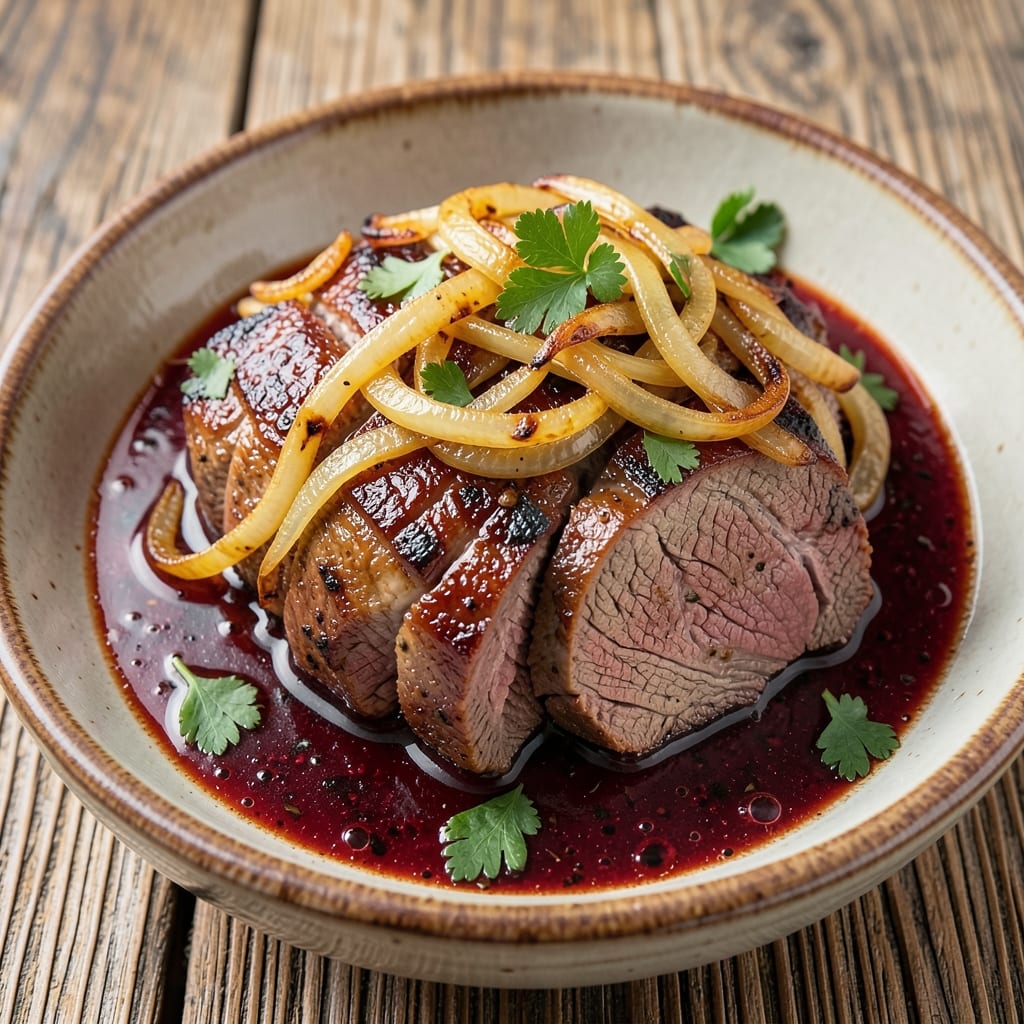
This Bavarian beef recipe delivers the hearty, comforting flavors of a traditional German pot roast, where tender beef simmers in a rich red wine and dark beer sauce until it falls apart at the touch of a fork. 💛 The secret lies in slow-braising the beef with layers of caramelized onions, creating deep, savory notes that transform tough cuts into melt-in-your-mouth perfection. This dish isn’t just a meal—it’s a celebration of Bavarian comfort food, perfect for cozy gatherings or special occasions.
The beauty of this recipe is in its simplicity and depth of flavor. You’ll start with a slow-cooked beef roast that absorbs the aromatic sauce, while the onions develop a sweet, caramelized richness that balances the bold spices. Dark beer and red wine form the foundation of the sauce, adding complexity without overpowering the natural taste of the meat. It’s a method that respects tradition while making it accessible for home cooks.
By the time you serve this dish, you’ll have tender, fork-ready beef swimming in a velvety sauce that clings to every bite. The aroma alone—warm, spiced, and slightly smoky—will have everyone at the table anticipating the first taste. This is the kind of meal that feels like a hug, especially when paired with fluffy dumplings or crisp boiled potatoes.
Whether you’re hosting a dinner party or simply craving a taste of Bavaria, this recipe delivers restaurant-quality results with minimal fuss. The key is patience—letting the beef and sauce develop their flavors over time. Here’s how to make it happen.
Ingredients for bavarian beef
Pantry staples plus a few specialty items for that authentic Bavarian flavor.
| Ingredient | Amount | Notes |
|---|---|---|
| Beef Chuck Roast 🥩 | 3 lb | With fat cap intact for flavor |
| Yellow Onions 🧅 | 3 whole | Thinly sliced for caramelizing |
| Red Wine 🍷 | 1 cup | Bold dry variety like Cabernet |
| Dark Beer 🍺 | 1 cup | Munich Dunkel or stout preferred |
| Beef Broth 💧 | 2 cups | Low-sodium preferred |
| Tomato Paste 🍅 | 2 tbsp | Squeeze tube or canned |
| Garlic Cloves 🧄 | 6 cloves | Minced for sauce depth |
| Fresh Thyme 🌿 | 2 sprigs | Or 1 tsp dried thyme |
| Bay Leaves 🍃 | 2 whole | Remove before serving |
| All-Purpose Flour 🌾 | 2 tbsp | For thickening sauce |
| Salt 🧂 | 1 ½ tsp | Kosher or sea salt |
| Black Peppercorns 🌶️ | 1 tsp | Freshly cracked |
| Olive Oil 🫒 | 2 tbsp | For searing beef |
| Worcestershire Sauce 🍶 | 1 tbsp | Vegetarian if needed |
The beef is everything here. Chuck roast with that fat cap is key—it renders down for flavor while staying tender. Most grocery stores carry it, but if you're at Costco, grab a 3-pound roast for extra portions. Look for good marbling; that's where the flavor hides. The onions? Yellow onions caramelize best, but red or white work in a pinch. I always buy a bag of onions from Trader Joe's—they're consistent and last forever. For the beer, Munich Dunkel is traditional, but any dark beer with malt sweetness works.
No red wine? Beef broth with a splash of balsamic vinegar gets you close. Fresh thyme is ideal, but dried thyme at half the amount works too. The tomato paste can be from a squeeze tube—Trader Joe's has great ones that last months. Worcestershire sauce is non-negotiable for that umami punch, but vegetarian Worcestershire works if needed. The beer and wine add depth, but if you're avoiding alcohol, extra beef broth plus a splash of apple cider vinegar mimics the acidity. For the flour, all-purpose works fine, but if you've got bread flour, it'll thicken better.
This dish tastes even better the next day—honestly, it's worth making a double batch. The sauce keeps for 5 days in the fridge, and the beef? 6 months frozen. I portion mine into containers so lunches are sorted for the week. The onions caramelize best when made ahead, so if you're prepping, do them first. The sauce thickens as it cools, so don't worry if it looks too thin right after cooking. Just reheat gently and stir—it'll come together beautifully.
Why You'll Love This Recipe
- Deep Umami Magic: That combo of red wine and dark beer? It’s like flavor alchemy. The wine adds richness, the beer gives it a malty depth, and the beef broth ties it all together with a savory punch. Honestly, the first bite makes me close my eyes—it’s that good.
- Weeknight to Dinner Party: This recipe works whether you’re feeding your family on a Tuesday or hosting a fancy dinner. Serve it with mashed potatoes for a casual night, or pair it with crusty bread and roasted veggies for guests. I’ve even made it for potlucks—it’s always the first to disappear.
- Budget-Friendly Leftovers: A chuck roast stretches for days, and the flavors only get better after reheating. Between us, I’ve turned this into sandwiches, tacos, and even a quick pasta sauce. The best part? It’s cheaper than takeout, and you’ll eat it before it gets boring.
Step-by-step instructions for Bavarian beef with caramelized onions
This rich, slow-braised beef gets its signature depth from layers of caramelized onions and bold Bavarian flavors.
🔥 Step 1: Sear the Beef Chuck Roast for Maximum Flavor
Heat a heavy Dutch oven over medium-high heat until very hot. Add the 2 tablespoons olive oil and let it shimmer for 30 seconds. Pat the 3 lb beef chuck roast completely dry with paper towels—this ensures a perfect crust. Season generously with 1.5 teaspoons salt and 1 teaspoon freshly cracked black peppercorns on all sides.
Place the roast in the Dutch oven and sear for 4-5 minutes per side until deeply browned. Here's the thing—don't move it around. Let it develop that golden crust undisturbed. Once browned, remove the roast and set it aside on a plate. You'll notice the fat will start to render out—this is pure flavor we don't want to lose.
👨🍳 Step 2: Caramelize the Onions to Sweet Perfection
In the same Dutch oven (no need to wipe it clean), reduce heat to medium-low. Add the 3 whole yellow onions that you've thinly sliced—you should have about 6-8 cups of slices. Cook them slowly, stirring occasionally, for 30-40 minutes until they turn a deep golden brown color.
This is where patience pays off. The onions should be soft, sweet, and almost jammy in texture. If they start to brown too quickly, reduce the heat further. I like to stir them every 5-7 minutes to prevent burning. Once caramelized, remove them from the pot and set aside—you'll use them later to layer with the beef.
🍳 Step 3: Build the Rich Braising Liquid
Increase heat to medium-high and add 2 tablespoons tomato paste to the Dutch oven. Stir it around for 1 minute to cook out the raw taste. Then pour in the 1 cup red wine and scrape up all those browned bits from the bottom—this is called deglazing and captures all that meaty flavor.
Let the wine simmer for 2-3 minutes until reduced by half. Add the 1 cup dark beer, 2 cups beef broth, 6 cloves minced garlic, 2 sprigs fresh thyme, 2 whole bay leaves, and 1 tablespoon Worcestershire sauce. Stir everything together and bring to a gentle simmer.
🥘 Step 4: Braise the Beef Until Fork-Tender
Return the seared beef roast to the Dutch oven. Sprinkle the 2 tablespoons all-purpose flour over the top—this helps thicken the sauce later. The liquid should come about halfway up the sides of the roast. Cover tightly with a lid and transfer to a 300°F oven.
Braise for 3-3.5 hours until the beef is fork-tender. Here's the secret: I check the internal temperature after 2.5 hours. It should read 195-200°F—this is when the connective tissue breaks down and the meat becomes melt-in-your-mouth tender. If it's not there yet, give it another 30-45 minutes.
🍽️ Step 5: Layer and Serve with Caramelized Onions
Remove the roast from the pot and set it aside. Strain the braising liquid through a fine-mesh sieve to remove the thyme and bay leaves (discard them). Return the liquid to the pot and simmer uncovered for 5-7 minutes to thicken slightly. Taste and adjust seasoning with more salt or pepper if needed.
Slice the beef against the grain into ¼-inch thick slices. Return the sliced beef to the pot and gently stir to combine with the sauce. Spoon the caramelized onions over the top of the beef and serve immediately. The onions add a sweet contrast to the rich, savory beef—each bite should be tender, flavorful, and perfectly balanced.
Pro Tips For Making Bavarian Beef
- SEAR THE ROAST FIRST: Don’t skip the crust—hit that chuck roast with a screaming-hot pan until it’s deep brown in spots. I learned this the hard way: skipping the sear means flavor that starts and ends with the broth. Use about 2 tablespoons of oil (enough to coat the bottom) and let it sit 2-3 minutes per side—yes, even if you’re impatient like me.
- SWEAT ONIONS LOW AND SLOW: Onions burn faster than you think, especially when you’re distracted. Keep the heat at a steady simmer (not a sizzle) and let them cook for 10-12 minutes until soft and translucent. My grandmother swore by this, and she was right: rushed onions mean a dish that tastes like it’s missing something.
- DEGLAZE WITH BEER FIRST: Pour in the dark beer before the red wine—it cuts through the fond (those browned bits) better and adds depth without overpowering. I was skeptical until I tried it: the beer’s maltiness balances the acidity of the wine, and the sauce ends up richer. Skip this step, and you’ll regret the flat flavor.
- REST THE MEAT UNDER FOIL: Pull the roast when it’s 5°F below your target temp (145°F for medium-rare), then tent it with foil for 15 minutes. I used to slice it immediately—big mistake. Letting it rest keeps it juicy, and the residual heat finishes the cook. Your future self will thank you.
Best sauces and condiments for bavarian beef
Classic Red Wine Gravy
The sauce in this dish is what makes it special—rich, deep, and full of umami. The 1 cup red wine (like a bold Cabernet) is the star, providing acidity and depth that tenderizes the beef. I like to deglaze the Dutch oven after searing to capture all those browned bits, which add incredible flavor. After adding the 1 cup dark beer and 2 cups beef broth, the sauce simmers down to a velvety consistency that clings perfectly to the beef. 🍷
Caramelized Onion Layers
Those sweet, jammy onions aren’t just decoration—they’re a flavor bomb. Thinly slicing 3 yellow onions and cooking them low and slow for 30-40 minutes transforms them into a sweet, almost candy-like topping. The contrast between the rich beef and the caramelized onions is what makes this dish unforgettable. I always layer them on top right before serving so they stay crisp and vibrant.
Mustard Cream Sauce
For a lighter twist, try a Dijon mustard cream sauce on the side. Mix ½ cup sour cream with 2 tablespoons Dijon mustard and a splash of the beef braising liquid. This tangy, creamy sauce cuts through the richness of the beef beautifully. I like to drizzle it over the sliced beef just before serving for a restaurant-worthy touch. 💛
Horse Radish Cream
Add a kick with a horseradish cream sauce. Combine ½ cup sour cream with 1 tablespoon prepared horseradish and a pinch of salt. This sharp, zesty sauce adds a refreshing contrast to the rich beef. It’s especially good if you’re serving this dish to guests who enjoy a little heat—just a small spoonful goes a long way.
Fresh Herb Garnish
Brighten the dish with fresh herbs right before serving. A sprinkle of chopped parsley or thyme leaves adds a pop of color and freshness. I also like to add a few crispy fried onions on top for extra crunch. These finishing touches elevate the dish from hearty to showstopping.
Buttery Mashed Potatoes
No Bavarian beef is complete without a side of creamy mashed potatoes. Use 2 lbs Yukon Gold potatoes boiled until tender, then mashed with ¼ cup butter, ¼ cup sour cream, and a pinch of salt. The richness of the potatoes balances the deep flavors of the beef beautifully. Serve them warm and buttery alongside the sliced beef. 🥔
Nutrition facts
Frequently asked questions
Can I substitute the dark beer in this recipe?
Yes! If you don't have dark beer, use 1 cup beef broth plus 2 tablespoons apple cider vinegar to mimic the acidity and malt sweetness. For alcohol-free versions, try non-alcoholic dark beer or extra beef broth with a splash of balsamic vinegar. The key is balancing the liquid's depth and slight tang.
How do I know when the beef is fully tender?
Use a meat thermometer to check for 195-200°F internal temperature—this is when connective tissue breaks down. If you don't have one, test with a fork: the meat should slide off cleanly. For extra tenderness, braise 3-3.5 hours total, checking after 2.5 hours. Patience here makes all the difference!
What's the best way to reheat leftovers?
Reheat gently in a skillet with a splash of beef broth or water over low heat for 5-7 minutes until warmed through. Avoid microwaving—it makes the sauce watery. Leftovers taste even better the next day! Store in an airtight container for up to 5 days in the fridge or 6 months frozen.
Can I make this recipe without red wine?
Replace the 1 cup red wine with 1 cup beef broth plus 1 tablespoon balsamic vinegar for acidity. The dish will still be rich and flavorful—just slightly less complex. The beer and tomato paste will still provide depth, so don't worry about omitting the wine entirely.
What sides pair perfectly with Bavarian beef?
Classic pairings include buttery mashed potatoes, Semmelknödel (German bread dumplings), or crispy roasted potatoes. For a lighter option, try a fresh green salad with apple slices and a tangy vinaigrette. The sweetness of the caramelized onions balances beautifully with these sides.