
Main Courses
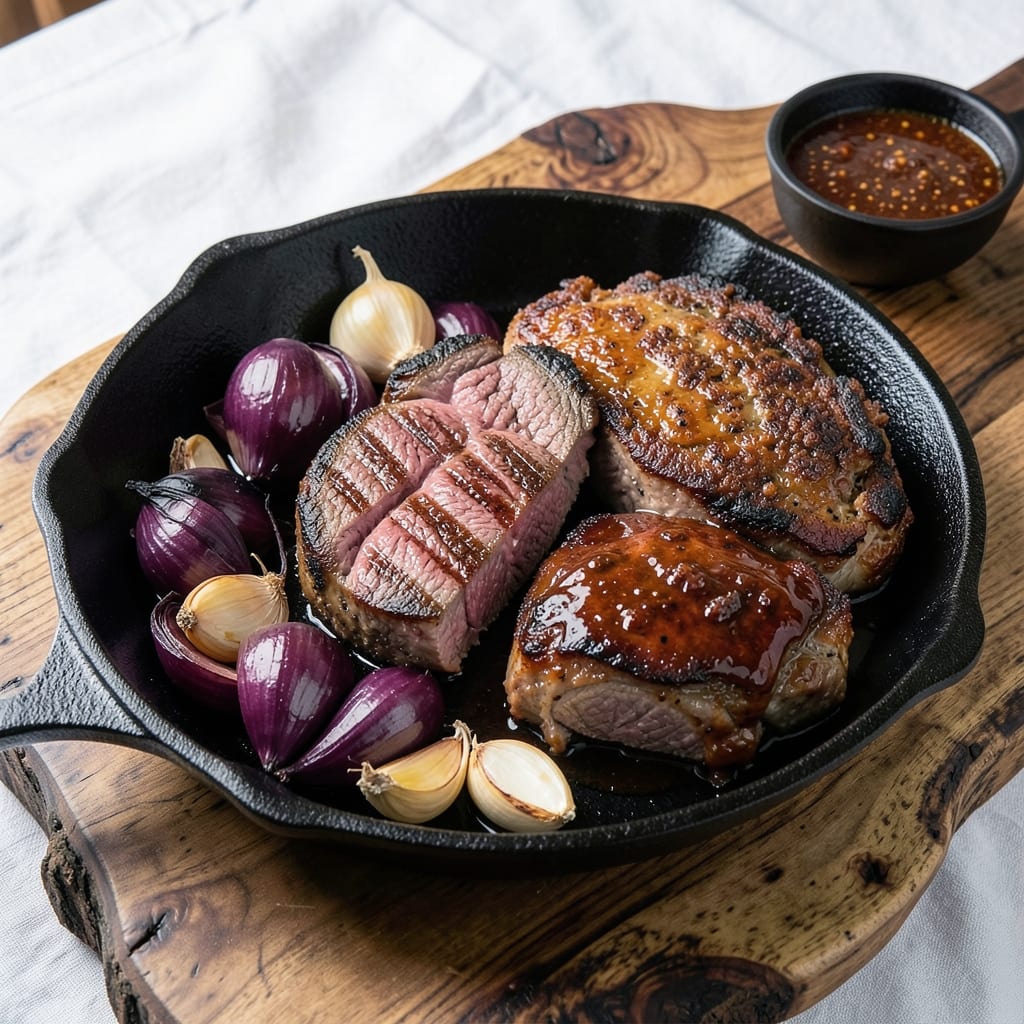
These BBQ beef recipe ideas transform tough cuts into melt-in-your-mouth masterpieces using time-tested techniques and bold spices. 🔥 I've spent years perfecting methods that deliver restaurant-quality results at home, whether you're grilling or slow-cooking. The secret lies in balancing smoky flavors with tender textures, creating beef that practically falls apart at the touch.
We'll explore three foolproof approaches: grilled steakhouse-style ribeye, smoky pulled beef for sandwiches, and slow-cooked brisket with a deep bark. Each method uses simple ingredients but requires precise timing and temperature control. The key to success is patience—letting the meat work with heat to develop rich flavors and ideal tenderness.
What you'll achieve is beef so flavorful and tender it becomes the centerpiece of any meal. The grilled ribeye delivers perfect char and juicy centers, while the pulled beef shreds effortlessly with just a touch. The brisket develops that coveted dark crust while staying moist inside, proving that great BBQ doesn't require professional equipment.
These recipes work equally well for weeknight dinners or weekend gatherings, with variations that suit any occasion. Whether you prefer quick grill time or overnight slow cooking, we'll cover all the essential techniques. Let's get started with beef that will impress even the most critical BBQ judges.
Ingredients for bbq beef recipe ideas
Bold spices and time-tested techniques transform tough beef into restaurant-quality masterpieces.
| Ingredient | Amount | Notes |
|---|---|---|
| Ribeye Steak (2-3 inches thick) 🥩 | 1 ½ lb | Bone-in preferred for flavor |
| Chuck Roast 🥩 | 3 lb | For pulled beef, well-marbled |
| Brisket (Packer Cut) 🥩 | 5 lb | Whole packer for best bark |
| Yellow Onions 🧅 | 2 whole | Medium size, sliced thick |
| Garlic Cloves 🧄 | 10 cloves | Fresh, peeled and minced |
| Smoked Paprika 🌶️ | 2 tbsp | For deep smoky flavor |
| Ground Black Pepper 🌶️ | 2 tsp | Freshly cracked preferred |
| Kosher Salt 🧂 | 2 tbsp | Diamond Crystal preferred |
| Brown Sugar 🍚 | ½ cup | Light or dark, packed |
| Apple Cider Vinegar 🍎 | ¼ cup | For tenderizing brisket |
| Beef Broth 💧 | 2 cups | Low-sodium preferred |
| Vegetable Oil 🫒 | 2 tbsp | For searing brisket |
| Fresh Rosemary 🌿 | ¼ cup | Chopped, for brisket rub |
| Fresh Thyme 🌿 | ¼ cup | Leaves only, chopped fine |
| Wood Chips (Hickory or Oak) 🌳 | 1 cup | For smoky flavor infusion |
The beef cuts make all the difference here. For the ribeye, look for good marbling and at least 2-3 inches thickness—Costco or local butchers often have perfect cuts. The chuck roast should be well-marbled and cut from the shoulder, not the round—Kroger or Walmart usually carry good options. Brisket is the most critical: packer cuts from ButcherBox or local meat markets give you the best bark and flavor. If you're buying whole, trim excess fat but leave some for flavor. The yellow onions should be firm and sweet—Vidalia if you want extra sweetness, or regular yellows for balance.
No smoked paprika? Regular paprika plus a pinch of liquid smoke works in a pinch. The apple cider vinegar is non-negotiable for brisket—it breaks down collagen beautifully. Low-sodium beef broth is key for pulled beef, but water plus bouillon cubes will do if you're in a bind. For the wood chips, hickory gives classic BBQ flavor while oak is more versatile. Trader Joe's sells pre-packaged chips that work great. The fresh herbs (rosemary and thyme) can be swapped for dried at one-third the amount, but fresh makes a noticeable difference. If you're short on time, dried rubs from Penzeys can replace the homemade mix.
Store raw beef in the coldest part of your fridge, using within 3-5 days for best quality. The brisket can be prepped a day ahead—trim and rub with spices, then refrigerate uncovered for 24 hours to dry the surface. Cooked pulled beef keeps for 5 days in the fridge or 3 months frozen. For leftovers, portion into meal prep containers with a splash of broth to keep moist. The ribeye is best served immediately, but can be reheated gently in a skillet for 2-3 minutes if needed.
Why You'll Love This Recipe
- One-Pan Magic: I swear by this—just toss the brisket, onions, and garlic on a sheet pan, slap on the rub, and let the oven do the work. No flipping, no fussing, no extra pots.
- Smoky Depth Bomb: That packer cut brisket? It turns into melt-in-your-mouth perfection when slow-cooked, while the ribeye stays juicy with a crust that’ll make you close your eyes. Honestly, the garlic and onions caramelize into something ridiculously good.
- Leftovers That Don’t Suck: Between us, most BBQ beef recipes leave you with sad, dry scraps. Not this one. The chuck roast stays tender for days, and I’ve turned last night’s dinner into today’s sandwiches, tacos, or even a hearty soup—no regrets.
- Budget-Beef Powerhouse: You’re getting three different cuts here—ribeye for splurge nights, chuck for weeknight meals, and brisket for the main event. I’ll be real: it’s how I feed my family well without breaking the bank. Plus, onions and garlic are basically free.
Step-by-step instructions for smoky-spiced BBQ beef
Here's how to transform these beef cuts into showstopping BBQ masterpieces.
🔥 Step 1: Prepare the Brisket for Smoking
Start with the brisket—this is where the magic begins. Pat the 5 lb brisket (packer cut) completely dry with paper towels, focusing on the fat cap. Trim the fat to about ¼-inch thickness using a sharp boning knife, leaving enough to protect the meat during the long cook.
In a small bowl, combine 2 tbsp kosher salt, 2 tbsp smoked paprika, 0.5 cup brown sugar, 0.25 cup fresh rosemary, 0.25 cup fresh thyme, and 2 tsp ground black pepper. Rub this mixture generously all over the brisket, pressing it into the meat so it adheres well. Let it sit at room temperature for 1 hour—this allows the rub to penetrate and the meat to cook more evenly.
🔥 Step 2: Smoke the Brisket Low and Slow
Set up your smoker using 1 cup wood chips (hickory or oak) and preheat to 225-250°F. Place the brisket fat-side up on the smoker grate and close the lid. Resist the urge to peek—every time you open it, you add 15-20 minutes to your cook time.
Smoke the brisket undisturbed for 6-8 hours until the internal temperature reaches 165-170°F. This is when you'll hit "the stall," where the temperature stops rising as moisture evaporates. When the internal temperature hits 165-170°F, wrap the brisket tightly in pink butcher paper (not foil) and return it to the smoker. This technique, called the "Texas crutch," helps you power through the stall while preserving the bark.
🍳 Step 3: Sear the Chuck Roast for Pulled Beef
While the brisket smokes, prepare the 3 lb chuck roast for pulled beef. In a large Dutch oven, heat 2 tbsp vegetable oil over medium-high heat. Add the chuck roast and sear on all sides until deeply browned, about 5-6 minutes per side. Remove the roast and set it aside.
In the same Dutch oven, add 2 whole yellow onions and 10 cloves garlic cloves, sliced and minced. Cook for 5-7 minutes until the onions are soft and golden. Deglaze the pan with 0.25 cup apple cider vinegar, scraping up all the browned bits from the bottom. Pour in 2 cups beef broth and return the roast to the pot. Bring to a simmer, cover, and transfer to a 300°F oven for 3-4 hours or until fork-tender.
🔪 Step 4: Grill the Ribeye Steak to Perfection
Let the chuck roast rest while you grill the 1.5 lb ribeye steak (2-3 inches thick). Preheat your grill to high heat and let it get smoking hot. Pat the steak dry and season generously with kosher salt and ground black pepper. Place the steak on the grill and cook for 4-5 minutes per side for medium-rare, or until the internal temperature reaches 130-135°F. Let it rest for 10 minutes before slicing.
For a perfect sear, press down gently on the steak during the first minute of grilling—this prevents it from curling and ensures even contact with the hot grates. Use a meat thermometer to check the internal temperature, and resist the temptation to flip too early. You'll know it's ready when the steak releases easily from the grates.
🥘 Step 5: Rest and Serve
Once the brisket reaches an internal temperature of 200-205°F and a probe slides in like butter, remove it from the smoker and let it rest for at least 1 hour in the butcher paper. This resting period allows the juices to redistribute throughout the meat, ensuring every slice is moist and flavorful.
Slice the brisket against the grain into ¼-inch thick slices. For the chuck roast, shred the meat using two forks and mix it with the onion and garlic mixture from the Dutch oven. Serve the brisket with a side of the pulled beef, and enjoy the ribeye steak sliced and served with your favorite sides.
Pro Tips For Making Bbq Beef Recipe Ideas
- USE A MEAT THERMOMETER: I learned this the hard way—guessing doneness on brisket or chuck roast leads to rubbery, overcooked meat. For brisket, pull it at 195°F internal temp (probe the thickest part), then let it rest. Ribeye? 130°F for medium-rare, but pull it 5°F early—it’ll climb while resting.
- TRIM BRISKET FAT TO ¼-INCH: That thick fat cap on a packer cut brisket is useful, but don’t let it turn to grease. Trim it down to about a quarter-inch thickness before smoking—it’ll render perfectly and baste the meat without making a mess. (Yes, even if you’re impatient like me.)
- SMASH GARLIC WITH A KNIFE: Peeling and mincing garlic is fine, but smashing whole cloves with the flat side of a chef’s knife releases more flavor. Do this right on the cutting board, then let them sit for 10 minutes before adding to onions or rubs—it mellows the sharpness and deepens the aroma.
- WRAP CHUCK ROAST AT 165°F: I used to let chuck roast cook until it was fork-tender, but that’s when it turns dry. Wrap it in butcher paper or foil at 165°F internal temp, then return it to the heat. The steam tenderizes it further without overcooking—just don’t skip the 10-minute rest after unwrapping.
Make-ahead tips for leftovers
Prep Ahead for Brisket
Trim and season your brisket the night before—this is my secret for perfect bark. After rubbing with spices, place it uncovered on a wire rack in the fridge for 24 hours. The cold air dries the surface, helping the rub stick and creating that coveted crust. I always do this when I'm making brisket for a crowd because it cuts down on active cooking time. 🌡️
For the rub, I make it a day ahead and store it in an airtight container. The spices blend better overnight, and you can adjust the sweetness by adding more brown sugar if you prefer a sweeter bark. This also lets you prep everything while the brisket rests peacefully in the fridge.
Slow Cooker Shortcut
No smoker? No problem. Use a slow cooker for pulled beef with minimal effort. Brown the chuck roast in a skillet, then transfer it to your slow cooker with onions, garlic, and broth. Cook on low for 8 hours or high for 5 hours. The meat will be fork-tender and ready for shredding. I've done this for game day gatherings when I don't want to be tied to the grill all day. 🏈
For extra flavor, add 1 tbsp BBQ sauce during the last 30 minutes of cooking. This works especially well if you're making it for sandwiches—just mix the sauce into the shredded beef. Keep the cooked pulled beef in the slow cooker on warm mode for up to 4 hours if you need to serve it later.
Ribeye Prep Tips
Pat your ribeye dry with paper towels right before grilling—this ensures maximum sear. I like to season it 2 hours ahead and let it sit uncovered in the fridge. The salt has time to penetrate the meat, creating a better crust. Store it in a sealed container to prevent drying out. 🥩
For meal prep, slice the ribeye after it's rested and store individual portions in airtight containers with a pat of butter. Reheat gently in a skillet over medium-low heat for 2-3 minutes to maintain tenderness. Never microwave—it makes the meat tough and dry. This works great for quick lunches during the week.
Pulled Beef Batch Prep
Double the pulled beef recipe and freeze half for later. Portion it into quart-sized freezer bags, removing as much air as possible to prevent freezer burn. Label with the date—it keeps for 3 months. When ready to use, thaw overnight in the fridge, then reheat in a pot with a splash of broth to restore moisture. 🥶
I often make a big batch on Sundays and use it for tacos, nachos, and sandwiches all week. The flavors actually improve after a few days as the spices meld together. Just add a little extra BBQ sauce when reheating to revive the taste. This is my go-to for busy weeknights when I need a hearty meal fast.
Nutrition facts
Frequently asked questions
What's the best cut of beef for BBQ sandwiches?
For pulled beef sandwiches, chuck roast is my top recommendation—it's affordable, flavorful, and becomes incredibly tender when slow-cooked. The fat marbling breaks down beautifully, creating juicy, fork-tender meat perfect for shredding. If you prefer leaner options, shoulder clod works too, but chuck delivers the best texture and value.
Can I make BBQ beef in an oven without a smoker?
For brisket, place your seasoned meat on a rack in a roasting pan and cook at 275°F for 4-5 hours with a water pan on the bottom. Add wood chips to the pan or use a smoker box for authentic flavor. For pulled beef, the slow cooker method (brown first, then cook low) works perfectly—just add 1 tbsp liquid smoke to the broth for depth.
How do I keep my BBQ beef from drying out?
Never skip the resting period—this is crucial for juicy results. For brisket, rest for 1-2 hours before slicing, and for steaks, 10 minutes minimum. Use a meat thermometer to avoid overcooking (brisket should reach 200-205°F, steaks 130-135°F for medium-rare). Wrap cooked beef in butcher paper or foil to trap moisture during rests.
What's the difference between smoking and grilling beef?
Smoking uses indirect heat (225-250°F) with wood chips for hours, creating deep, smoky flavors and tenderizing tough cuts like brisket. Grilling uses direct high heat (400°F+) for quick cooking, perfect for steaks and quick sears. For best results, smoke tough cuts and grill steaks—this combination gives you both texture and flavor control.
Can I use frozen beef for BBQ recipes?
Yes, but thaw it properly first. Place frozen beef in the fridge for 24 hours or use the cold water method (sealed bag in cold water, change water every 30 minutes). Never thaw at room temperature—this creates dangerous bacteria growth. For brisket, thawing also helps the rub adhere better and prevents uneven cooking.