
Soups & Stews
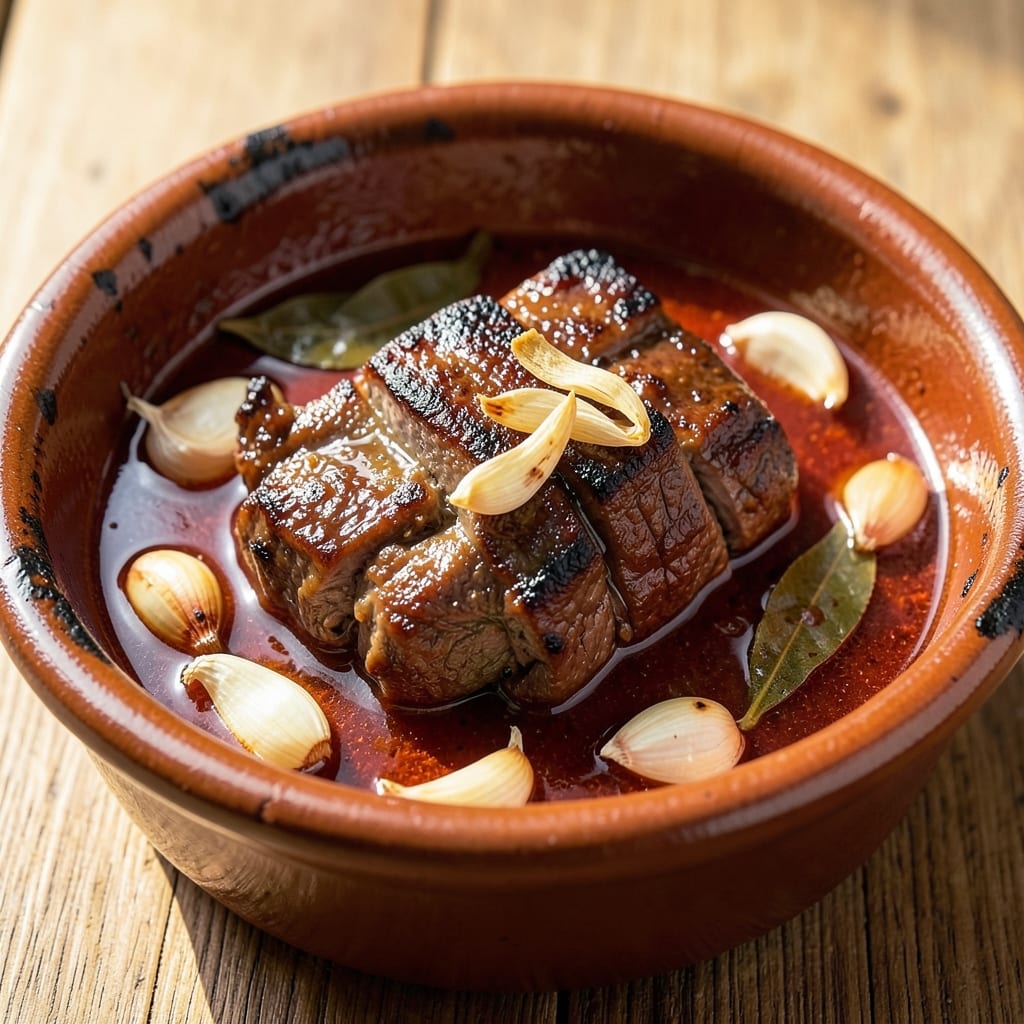
This Filipino-style beef adobo delivers melt-in-your-mouth tender beef braised in a tangy, savory sauce that balances sweetness and acidity perfectly. The secret lies in marinating the beef overnight and slow-braising it with vinegar and soy sauce, creating a dish that's both restaurant-quality and deeply comforting. What sets this recipe apart is the careful balance of flavors—vinegar for tang, soy for depth, and garlic for aromatic richness—all working together to transform tough cuts into fork-tender perfection.
The process begins with marinating the beef in a mixture of soy sauce, vinegar, garlic, and bay leaves, which not only tenderizes the meat but also infuses it with layers of flavor. After a quick sear, the beef braises in its marinade until it falls apart easily, creating a sauce that's rich, slightly sweet, and deeply savory. The result is a dish that's hearty enough for a main course but simple enough for a weeknight dinner, served traditionally with steamed white rice to soak up every last drop of that flavorful sauce.
What you'll end up with is a dish that's as visually appealing as it is delicious—golden-brown beef pieces swimming in a glossy, aromatic sauce that clings to each bite. The combination of tender meat and complex flavors makes this a crowd-pleaser, perfect for family gatherings or special occasions. The sauce is versatile too, so you can adjust the sweetness or tanginess to suit your taste while keeping the dish authentically Filipino.
Pair it with steamed rice and atchara (pickled papaya) for the full experience, or serve it as-is for a satisfying meal that feels like a taste of home. The beauty of this recipe is its simplicity—just a few ingredients, minimal effort, and a lot of flavor. Let's get started on making this classic Filipino dish in your own kitchen.
Ingredients for beef adobo recipe filipino style
Just eight core ingredients transform tough beef into restaurant-quality adobo.
| Ingredient | Amount | Notes |
|---|---|---|
| Beef Chuck Roast 🥩 | 2 lb | Cut into 1.5-inch chunks |
| Cane Vinegar 🍶 | 1 cup | White or cane preferred |
| Soy Sauce 🍶 | ½ cup | Regular or light soy |
| Brown Sugar 🍚 | ¼ cup | Packed, light brown preferred |
| Garlic Cloves 🧄 | 8 cloves | Peeled, smashed slightly |
| Bay Leaves 🌿 | 2 whole | Dried, standard size |
| Black Peppercorns 🌶️ | 1 tsp | Crushed, not ground |
| Olive Oil 🫒 | 2 tbsp | For searing beef |
| White Onion 🧅 | 1 whole | Quartered, skin on |
| Salt 🧂 | 1 ½ tsp | Kosher or sea salt |
| Water 💧 | 1 cup | For deglazing |
| Fresh Bay Leaves 🌿 | 2 pieces | Optional for garnish |
The beef cut matters most here—chuck roast is the gold standard for adobo, giving you that signature fork-tender texture. Most Asian markets carry pre-cut chunks, but if you're buying whole, look for well-marbled pieces with visible fat. Filipino markets often have the best selection, but the regular grocery store meat counter works too. Skip the sirloin or ribeye—those stay tough. For the vinegar, cane vinegar (like Filipino cane vinegar) gives that authentic tang, but white vinegar in a pinch works fine. The soy sauce should be light or regular, not dark—this isn't for color, it's for flavor depth.
No cane vinegar? White vinegar or apple cider vinegar both work, though you might want to add a pinch of sugar to balance the sharpness. Running short on brown sugar? Honey or coconut sugar in the same amount keeps things sweet without overpowering. The garlic can be minced, but smashed cloves release more flavor as they braise. Fresh bay leaves are ideal, but if you only have dried, double the amount—they're more potent. For the onion, yellow or white works best; red gets too pretty but loses flavor in the braising process. The olive oil should be light or extra-light—you're not making a salad, just a quick sear.
This sauce tastes even better the next day—plan ahead. Store leftovers in an airtight container in the fridge for up to 5 days, or freeze for 3 months. The beef gets more tender with time, so don't rush it. For serving, I always keep a few fresh bay leaves on hand to garnish—just a quick toss right before eating. The rice? Jasmine or long-grain white soaks up the sauce perfectly. And if you've got atchara (pickled papaya), that's the ultimate Filipino touch—tangy, crunchy, and perfect for cutting through the richness.
Why You'll Love This Recipe
- One-Pot Magic: I swear by this—just sear the beef, toss in the vinegar and soy, then let it simmer. No chopping, no fuss, and honestly? That deep, tangy sauce clings to every bite like it’s meant to be there.
- Sweet-Savory Balance: The brown sugar caramelizes into the vinegar, cutting through the richness of the beef while the garlic cloves turn golden and fragrant. It’s not just flavor—it’s layered flavor that hits different every time.
- Leftover Goldmine: This dish tastes even better the next day, and I’m not joking. The beef gets fork-tender, the sauce thickens just right, and I’ve repurposed it into sandwiches, rice bowls, and even fried rice—no waste, all wins.
- Budget-Friendly Feast: A single chuck roast stretches for four meals, and the pantry staples (vinegar, soy, sugar) cost pennies. Between us, this is how I feed my family hearty, satisfying meals without breaking the bank.
Step-by-step instructions for Filipino-style beef adobo
Here's how to make this classic Filipino dish with melt-in-your-mouth tender beef and a rich, tangy-savory sauce.
Sear the Beef Until Deeply Browned
Heat the 2 tablespoons olive oil in a large Dutch oven over medium-high heat. Working in batches if needed, add the 2 lb beef chuck roast cut into 1.5-inch chunks, leaving space between pieces. Let them sear undisturbed for 3-4 minutes until deeply browned on one side—this creates the Maillard reaction that builds deep flavor. Flip carefully and sear the other sides until browned as well.
Once all beef is browned, remove it from the pot and set aside. You'll notice the pan has released some rendered fat—this is good. Don't wipe it out; those browned bits are pure flavor that will dissolve into your sauce. The beef should be a rich, caramelized brown with a slight crust forming on the surface.
Sauté Aromatics Until Fragrant
In the same Dutch oven, add the 1 whole white onion cut into quarters with skin on, and the 8 cloves garlic that have been peeled and smashed slightly. Cook over medium heat for 4-5 minutes until the onions soften and the garlic releases its aroma—you'll smell that irresistible garlic scent filling your kitchen.
Add the 2 whole dried bay leaves and 1 teaspoon crushed black peppercorns to the pot. Stir everything together for 30 seconds to let the spices toast slightly. This step develops their flavors and removes any bitterness from the bay leaves. The mixture should look moist but not dry, and the garlic should be soft and golden in color.
Deglaze and Combine All Ingredients
Pour in the 1 cup cane vinegar and scrape up all those delicious browned bits from the bottom of the pot with a wooden spoon. This deglazing step captures all the flavor that would otherwise stick to the pan. Let the vinegar simmer for 2-3 minutes until it reduces slightly and the mixture becomes more aromatic.
Add the 0.5 cup soy sauce, 0.25 cup packed brown sugar, 1.5 teaspoons salt, and 1 cup water to the pot. Stir everything together until the brown sugar dissolves completely. Return the seared beef to the pot, making sure each piece is coated in the sauce. The mixture should look glossy and slightly syrupy at this point.
Simmer Until Beef Is Fork-Tender
Bring the mixture to a gentle boil, then reduce heat to low and cover the pot. Let it simmer for 1 hour 30 minutes to 2 hours, stirring occasionally. You'll notice the sauce gradually reduces and thickens as it cooks. The beef is done when it's fork-tender—you should be able to pierce it easily with a fork and have it fall apart slightly.
During the last 15 minutes of cooking, remove the lid and let the sauce reduce further. This helps concentrate the flavors and gives you that perfect balance of tangy, sweet, and savory. The sauce should coat the back of a spoon and have a glossy sheen. If it's too thin, uncover it earlier to speed up the reduction.
Finish and Serve with Fresh Bay Leaves
Once the beef is tender, remove the 2 whole dried bay leaves from the pot. Taste the sauce and adjust seasoning if needed—you might want to add a bit more salt or brown sugar to balance the flavors. The sauce should be tangy from the vinegar, sweet from the brown sugar, and savory from the soy sauce.
Garnish each serving with 2 pieces fresh bay leaves for presentation and a touch of herbal aroma. Serve the beef adobo hot over steamed rice, letting each bite of tender beef soak up that rich, flavorful sauce. The dish should have a perfect balance of textures—tender beef, silky sauce, and fluffy rice to complete the meal.
Pro Tips For Making Beef Adobo Recipe Filipino Style
- BLISTER THE GARLIC FIRST: I learned this the hard way—raw garlic in adobo tastes like it’s still fighting you. Sauté the minced cloves in oil for 2-3 minutes until they’re golden and smell like a Filipino kitchen should. That’s when they release their real flavor, not when they’re just hiding in the sauce.
- USE THICK CUTS OF VINEGAR: Skip the thin, cheap stuff. Cane vinegar with a body to it—like the dark, aged kind—cuts through the beef’s richness better and caramelizes into a glossy sauce. If all you have is white vinegar, simmer it down first to concentrate the acidity. Your sauce will thank you.
- DEGLAZE WITH HOT WATER: After browning the beef, don’t just toss in the vinegar and soy sauce. Splash in a cup of hot water first—it loosens the fond (those browned bits) and keeps the sauce from turning gluey. Let it bubble for 30 seconds before adding the rest. This is the thing that matters most for a silky, not-syrupy adobo.
- SIMMER LOW AND LONG: High heat = fast cooking = tough beef. After the initial sear, drop the heat to a bare simmer and let it cook uncovered. For a chuck roast, plan for at least 2 hours—yes, even if it looks done sooner. The connective tissue breaks down slowly, and that’s when the meat turns fork-tender. Patience here makes all the difference.
Wine and beer pairings for this recipe
Filipino Red Wine
For an authentic pairing, reach for a Filipino red wine like Tabaco or Petron—both are made from local grapes and offer a bold, slightly smoky profile that complements the dish's deep umami flavors. These wines have a touch of fruitiness that balances the tangy-sweet sauce, while their earthy notes mirror the garlic and bay leaves in the recipe. If you can't find Filipino wine, a Spanish Garnacha or Italian Sangiovese works beautifully—their acidity cuts through the richness of the beef. 🍷
Crisp White Wine
A dry Riesling or Sauvignon Blanc from New Zealand is my go-to for lighter drinkers. The bright citrus notes in these wines refresh your palate between bites of the tangy-sauced beef, while their acidity enhances the vinegar's sharpness. For a local option, try a California Chardonnay—its crisp profile won't overpower the dish but will stand up to the soy and sugar. Avoid oaky whites like Chablis, as they can clash with the dish's bold flavors.
Filipino-Style Beer Pairings
For beer lovers, a Filipino lager like San Miguel or Tiger is perfect—their clean, crisp profiles let the beef's flavors shine without competing. If you prefer craft beer, a Belgian Witbier (like Hoegaarden) adds a citrusy contrast that mirrors the vinegar in the sauce. For a bolder option, try a German Helles Lager—its malty sweetness balances the dish's tanginess beautifully. 🍺
Non-Alcoholic Options
Skip the alcohol? A sparkling pineapple juice (chilled) with a splash of lime adds a refreshing, slightly sweet contrast to the savory beef. For something more substantial, try a ginger beer—its spicy kick complements the garlic and black pepper in the dish. Iced tea with a squeeze of lemon is another classic Filipino pairing that cleanses the palate between bites. The key is balancing the sauce's richness with something light and citrusy.
Regional Adaptations
In the Philippines, this dish is often paired with local calamansi juice (a tart citrus blend) or barong-barong (a sweet coconut drink) for dessert. For a modern twist, try pairing with a Filipino-style iced coffee—the bitterness of the coffee balances the sauce's sweetness. If you're serving at a gathering, offer a mix of options to cater to different preferences while keeping the Filipino theme intact.
Nutrition facts
Frequently asked questions
Why does Filipino beef adobo need to marinate overnight?
The overnight marinade is key for two reasons: it tenderizes the beef by breaking down tough fibers, and it infuses every piece with deep flavor. The vinegar and soy sauce work together to create a chemical reaction that softens even the toughest cuts like chuck roast. Pro tip: If you're short on time, a 4-hour marinade still works, but the beef won't be quite as tender.
Can I use white vinegar instead of cane vinegar?
Yes, but you'll need to adjust slightly. White vinegar is more acidic, so reduce it to ¾ cup and add 1 teaspoon sugar to balance the sharpness. Cane vinegar has a richer, slightly sweeter profile that's traditional, but white vinegar still delivers that signature tang. For extra authenticity, try Filipino cane vinegar if available at Asian markets.
How do I know when the beef is fully tender?
The beef is done when it easily falls apart with a fork and pulls cleanly from the bone. Start checking at 1 hour 30 minutes—insert a fork into the thickest piece and twist gently. If it offers no resistance, it's ready. The sauce should also coat the back of a spoon with a glossy sheen, indicating proper reduction. Overcooking can make the meat dry, so don't exceed 2 hours of simmering.
What's the best way to reheat leftover beef adobo?
Reheat gently in a skillet over low heat with a splash of water or broth to prevent drying out. Cover and let it simmer for 5-7 minutes, stirring occasionally. For microwave reheating, use 30-second intervals on medium power, stirring between each interval. The sauce thickens as it cools, so add a splash of water if it's too stiff. Leftovers taste even better the next day!
Can I make this dish in an Instant Pot?
Sear the beef first, then add all ingredients except water. Cook on high pressure for 30 minutes, then do a natural release. The sauce will be thinner, so reduce it uncovered on the stove for 10-15 minutes afterward. Instant Pot adobo cooks faster but may need extra time for the sauce to thicken properly. For best results, use the "More Liquid" setting if available.