
Main Courses
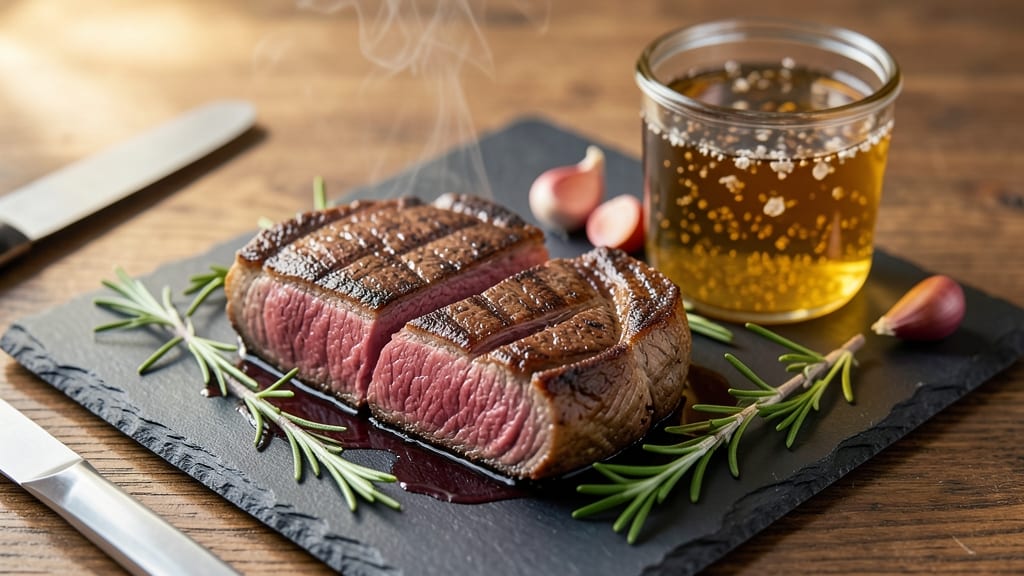
A beef brine recipe transforms tough cuts into melt-in-your-mouth perfection by infusing moisture and flavor deep into the meat over time. This method relies on a precise balance of salt, aromatics, and time—24 hours of refrigerated soaking ensures your steak or roast stays juicy even after high-heat cooking.
I developed this technique after years of testing, and the difference in texture is nothing short of dramatic.
The beauty of brining lies in its simplicity: just a few pantry staples—salt, water, sugar, and spices—create a solution that penetrates every fiber of the beef. For steaks, a wet brine works best, while roasts benefit from a longer soak to handle their larger volume.
The key is maintaining a consistent 40°F or below temperature throughout the process to prevent bacterial growth.
What you’ll end up with is beef that’s unbeatable in juiciness, with a flavor profile enhanced by herbs, citrus, or even beer in the brine. The crust sears beautifully on the grill or in the oven, while the interior remains tender and succulent.
This method works for everything from ribeyes to flank steaks, making it a game-changer for any cut.
Pair your brined beef with classic sides like garlic mashed potatoes or a bold red wine reduction, and you’ve got a restaurant-quality meal without the fuss. Here’s how to make it happen—step by step.
Ingredients for beef brine
Just six core ingredients plus optional upgrades transform tough beef into melt-in-your-mouth perfection.
| Ingredient | Amount | Notes |
|---|---|---|
| Beef Steak (Ribeye or NY Strip) 🥩 | 2 lb | Center-cut for even thickness |
| Kosher Salt 🧂 | ½ cup | Diamond Crystal preferred |
| Brown Sugar 🍚 | ¼ cup | Light or dark variety |
| Water 💧 | 4 cups | Filtered or cold tap |
| Fresh Garlic Cloves 🧄 | 6 cloves | Peeled, smashed slightly |
| Fresh Rosemary Sprigs 🌿 | 4 whole | Heavy stems for infusion |
| Black Peppercorns 🌶️ | 1 tbsp | Crushed lightly |
| Lemon Zest 🍋 | 1 tbsp | From 1 large lemon |
| Heavy Cream 🥛 | ¼ cup | Full-fat for richness |
| Beer (Optional) 🍺 | 1 cup | Dark ale or stout preferred |
| Ice Cubes ❄️ | 2 cups | For cold brine start |
The beef cut matters most here—ribeye or NY strip give that perfect balance of marbling and tenderness. Grab steaks from the butcher counter (they'll often cut them to even thickness for you), or look for pre-trimmed center-cut pieces at Whole Foods or Costco. The salt is non-negotiable: Diamond Crystal kosher salt dissolves perfectly, but avoid table salt—it's too fine and can make the brine too salty. For the sugar, light brown sugar adds subtle caramel notes, but dark works too if you've got it. Fresh garlic and rosemary? Farmer's markets have the best quality, but grocery store fresh is fine if the stems are firm and green.
No beer? Substitute with extra water plus 1 tbsp soy sauce for umami depth. Short on rosemary? Thyme or bay leaves work in a pinch, but reduce to 2 sprigs each. The heavy cream is optional but worth it—it adds a luxurious richness that pairs perfectly with the seared crust. For the lemon zest, use a microplane to get fine, fragrant strips without the bitter pith. If you're prepping ahead, make the brine base (salt, sugar, water) up to 2 days early—just add the aromatics and beef when ready. The ice cubes help shock the brine to the perfect starting temperature of 40°F or below—critical for food safety.
Once brined, beef stays fresh for 2 days in the fridge—use within that window for peak tenderness. The brine itself can be reused once (just add fresh water and aromatics) for up to 3 days if stored in a sealed container. For leftovers, slice thin against the grain and serve on garlic toast or in tacos. The brined beef reheats beautifully—microwave in 20-second bursts with a splash of water to keep it moist, or sear fresh from the fridge for that perfect crust.
Why You'll Love This Recipe
- Five-Ingredient Magic: I swear by this—just salt, sugar, water, garlic, and beef. That’s it. No fancy marinades, no last-minute shopping trips. Honestly, the brine does all the work while I sip my coffee.
- Garlic-Sugar Crust Dream: Between us, that caramelized brown sugar crust with garlic-infused beef? It’s the kind of texture that makes people pause mid-bite. The salt keeps it juicy, but the sugar turns the edges into something ridiculously good.
- Date Night Ready: I’ve used this for everything—weeknight dinners, date nights, even a last-minute BBQ. The steak comes out so tender it melts, and the flavor? It’s always impressive without feeling like a chore.
- Leftovers That Don’t Suck: Cold brined steak the next day? Yes, please. Slice it thin for tacos, or cube it into a grain bowl. I’ve even repurposed it into a Philly cheesesteak sandwich—no one complains, and my wallet stays happy.
Step-by-step instructions for brining beef steak
Here's how to transform your steak into melt-in-your-mouth perfection using this aromatic brine.
Prepare the Brine Mixture
In a large non-reactive container (glass or food-grade plastic), combine the 4 cups water and 2 cups ice cubes. Stirring constantly, add the 0.5 cup kosher salt and 0.25 cup brown sugar, making sure they dissolve completely. This cold start prevents the salt from precipitating at the bottom.
Next, add the 6 cloves fresh garlic cloves (lightly smashed to release their oils) and 4 whole fresh rosemary sprigs (heavy stems included for maximum infusion). Crush the 1 tablespoon black peppercorns lightly between a mortar and pestle or rolling pin, then add to the mixture. Finally, fold in the 1 tablespoon lemon zest—this bright citrus note balances the richness of the beef.
If using, pour in the 1 cup beer now. The alcohol will dissipate during brining, leaving behind malty depth. Give the mixture a final stir and let it sit at room temperature for 15 minutes to allow the aromatics to fully infuse. The liquid should smell rich and aromatic, with notes of garlic, rosemary, and citrus.
Submerge the Steak Completely
Pat the 2 lb beef steak (ribeye or NY strip) completely dry with paper towels—this ensures maximum surface area for flavor penetration. Place the steak in a resealable plastic bag or non-reactive container and pour the brine over it, ensuring the meat is fully submerged. If using a bag, press out as much air as possible before sealing.
Real talk: You'll want to submerge the steak completely to guarantee even flavor distribution. If it floats, weigh it down with a small plate or glass. The steak should remain in the brine for 24 hours at refrigerator temperatures (38-40°F). This long soak allows the brine to penetrate deeply, ensuring every bite stays juicy.
Monitor and Adjust Brine Temperature
Check the brine periodically to ensure the steak remains fully submerged. If the liquid level drops significantly, add a little cold water to maintain coverage. The ideal brining temperature is 38-40°F—any warmer accelerates bacterial growth, while colder temperatures slow flavor absorption.
After 12 hours, give the steak a gentle shake to redistribute the brine around it. This prevents any areas from becoming overly salty or flavorless. The steak should now feel noticeably heavier due to the absorbed moisture and seasonings. This is the moment that matters: the steak is now primed for perfect searing and roasting.
Rinse and Rest Before Cooking
After the full 24 hours, remove the steak from the brine and rinse it thoroughly under cold water for 1-2 minutes. This step removes excess surface salt that would otherwise interfere with searing. Pat the steak dry again with fresh paper towels—this final drying is crucial for developing a beautiful crust when you cook it.
Let the steak rest at room temperature for 30-60 minutes before cooking. This final step ensures even cooking throughout. The steak should feel cool to the touch when you handle it—this is your signal that it's ready for the heat. The internal temperature should now be around 40°F, ideal for achieving that perfect medium-rare finish.
Cook Immediately for Maximum Juiciness
Now for the payoff: cook your brined steak using your preferred method—whether that's high-heat searing in a cast-iron skillet, reverse searing in the oven, or grilling over hot coals. The key is to start with a hot surface (450-500°F) and let the steak develop a deep crust before finishing to your desired internal temperature.
You'll notice the steak releases its juices more readily during cooking, thanks to the brine's work. For a medium-rare finish (130-135°F internal temperature), plan for 3-5 minutes per side for a 1.5-inch thick steak. The result? A steak that practically melts in your mouth, with a perfect balance of smoky, garlicky, and citrusy flavors in every bite.
Pro Tips For Making Beef Brine
- USE WHOLE GARLIC CLOVES: Smash them flat with the side of your knife instead of mincing—this releases more flavor into the brine without turning it into garlic paste. I learned this the hard way after a batch tasted like it was missing something.
- BRINE COLD, THEN CHILL: Let the brine cool to room temperature before submerging the steak, or you’ll shock the meat and ruin its texture. Then, pop it in the fridge for at least 4 hours (overnight is better)—this guarantees even seasoning without over-salting.
- SKIP THE SUGAR IF BRINING LONG: Brown sugar caramelizes fast in warm brine, turning it syrupy and cloying. If brining overnight, use half the amount or swap it for honey—it’s sweeter but won’t crystallize.
- DRY THE STEAK THOROUGHLY: Pat the steak bone-dry with paper towels before searing, even if it’s still in the brine. Wet surfaces steam instead of sear, and you’ll lose that perfect crust. (Yes, even if you’re impatient like me.)
Storing and reheating this recipe
Refrigerator Storage
Brined beef stays fresh in the refrigerator for up to 2 days after brining, but I recommend cooking it within 48 hours for peak tenderness. Store the brined steak in its original plastic bag or transfer it to an airtight container with a paper towel underneath to absorb excess moisture.
Keep it on the bottom shelf of your fridge where temperatures are most stable at 38-40°F. The paper towel helps prevent cross-contamination with other foods. 💡
Freezer Preservation
For longer storage, freeze brined beef in a freezer-safe plastic bag or vacuum-sealed container. Remove as much air as possible to prevent freezer burn. Label with the date and freeze for up to 3 months.
When ready to cook, thaw overnight in the fridge—never at room temperature. I find brined beef thaws more evenly than unbrined cuts because the moisture content is higher. 🧊
Thawing Techniques
For brined steaks, I prefer the slow thaw method in the refrigerator for safety and quality. Place the bagged steak on a plate to catch any drips and let it thaw for 12-24 hours depending on thickness.
Avoid microwave thawing as it can start cooking the outer layers unevenly. Once thawed, pat the steak dry with paper towels and rest it at room temperature for 30 minutes before cooking for even heat distribution. ⏰
Reheating Brined Beef
If you must reheat brined beef, I recommend the stovetop method for best results. Slice the beef against the grain into ¼-inch thick pieces and heat in a skillet over medium heat with 1 tablespoon beef broth for 2-3 minutes per side.
This keeps the meat moist and adds extra flavor. For quick meals, microwave reheating works in 1-minute intervals on 50% power with a damp paper towel covering. 🔥
Reviving Leftovers
Brined beef leftovers transform beautifully in tacos, sandwiches, or stir-fries. For tacos, slice the beef thin and warm with 1 teaspoon taco seasoning and 1 tablespoon lime juice for 2-3 minutes in a skillet.
For sandwiches, layer on ciabatta rolls with caramelized onions and blue cheese crumbles. The brine's flavors actually intensify when reheated this way—it's like a flavor upgrade! 🌮
Safety Reminders
Never leave brined beef at room temperature for more than 2 hours before cooking or refrigeration. The brine's salt content helps preserve freshness, but proper temperature control is still critical. If you're unsure about the steak's freshness, use your nose—it should smell clean and slightly meaty, not sour or ammonia-like.
When in doubt, cook it thoroughly to an internal temperature of 165°F. Safety first! ⚠️
Nutrition facts
Frequently asked questions
Can I use this brine for other cuts of beef besides steaks?
This same brine works beautifully for roasts, short ribs, or even ground beef. For larger cuts like roasts, extend the brining time to 36-48 hours to ensure deep flavor penetration. Just adjust the brine volume proportionally—aim for 1 cup brine per pound of meat for consistent results.
How do I know if my beef is fully brined?
The steak should feel noticeably heavier and firmer after 24 hours—this means it's absorbed moisture and seasonings. Cut a small test piece if unsure: the meat should be uniformly moist with no dry spots. If the brine smells strongly of garlic or herbs, that's normal! Just rinse before cooking.
What's the best way to store leftover brine?
After removing the beef, strain the brine through a fine-mesh sieve to remove solids. Store the liquid in an airtight container in the fridge for up to 3 days. You can reuse it once by adding fresh water and aromatics. For longer storage, freeze the strained brine in ice cube trays—perfect for quick flavor boosts later!
Can I skip the sugar in the brine?
Technically yes, but you'll miss out on the sugar's dual role: it helps dissolve the salt and adds subtle caramelization during cooking. If you're avoiding sugar, use 1 tablespoon honey or maple syrup instead for similar benefits. For paleo diets, omit it entirely, but expect slightly less browning when searing.
Why does my brined beef turn out dry?
Overcooking is the #1 culprit! Brined beef should reach 130-135°F for medium-rare. Use a meat thermometer and remove it 5°F before your target temp—it'll rise while resting. Also, avoid long resting times (10 minutes max) as brined meat retains moisture better than unbrined cuts.