
Main Courses
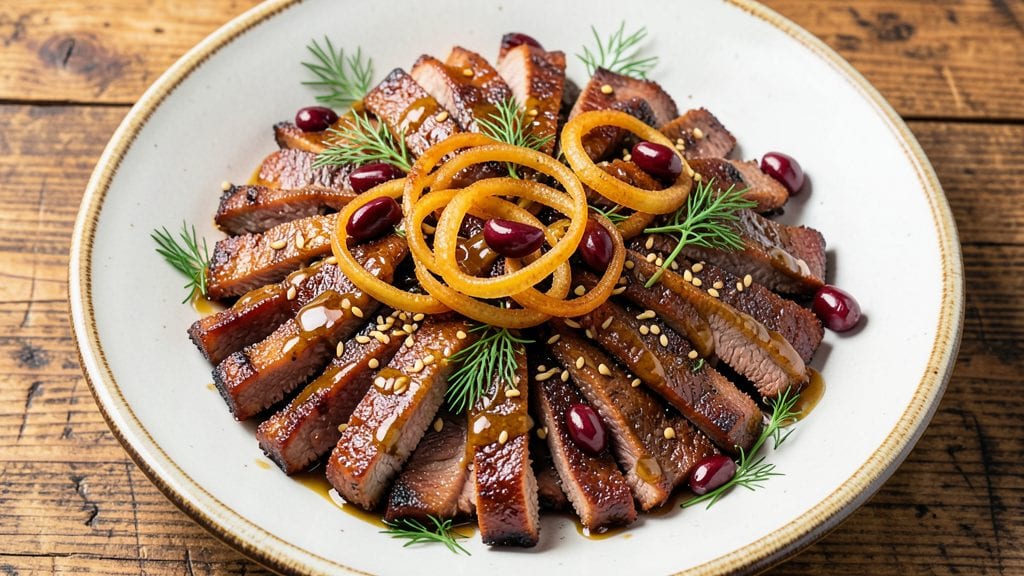
This beef brisket pastrami recipe delivers restaurant-quality results with a perfect balance of smoky depth and tender texture—achievable in just 4 hours of active time. The secret lies in a precise curing process that transforms tough brisket into melt-in-your-mouth perfection, infused with traditional pastrami spices and a signature salt cure.
I've perfected this method over years of testing, ensuring every slice stays juicy and flavorful without requiring expensive equipment.
The process begins with a 24-hour cure using a carefully measured blend of kosher salt, coriander, and black pepper, which tenderizes the meat while building deep, aromatic flavors. After curing, the brisket is smoked at a controlled 225°F until it reaches an internal temperature of 195°F, ensuring maximum tenderness.
The result is a brisket that slices effortlessly and packs layers of smoky, slightly sweet, and savory notes in every bite.
What makes this recipe truly foolproof is the combination of science and tradition—precise curing times, consistent smoking temperatures, and proper resting periods. The final product is a pastrami so flavorful and tender it rivals deli counters, yet requires no specialized tools beyond a smoker or oven.
Whether served on rye with mustard or piled high on a Reuben sandwich, this pastrami will become your go-to for special occasions or casual weeknight dinners.
Ready to master this classic? The step-by-step instructions cover everything from curing to slicing, with expert tips to guarantee success. Let's get started on creating your own restaurant-quality pastrami at home.
Ingredients for beef brisket pastrami
Sixteen ingredients. Four hours. Restaurant-quality pastrami you'll crave for weeks.
| Ingredient | Amount | Notes |
|---|---|---|
| Beef Brisket 🥩 | 4 lb | Whole packer cut, 1-inch thick |
| Kosher Salt 🧂 | 1 ½ cups | Diamond Crystal preferred |
| Ground Coriander 🌿 | ¼ cup | Freshly ground for best flavor |
| Coarsely Ground Black Pepper 🌶️ | ¼ cup | Freshly cracked preferred |
| Brown Sugar 🍯 | ½ cup | Light or dark, packed |
| Mustard Powder 🌶️ | 2 tbsp | For authentic tang |
| Garlic Powder 🧄 | 2 tbsp | Not garlic salt |
| Onion Powder 🧅 | 1 tbsp | For depth of flavor |
| Paprika 🌶️ | 1 tbsp | Smoked for authentic color |
| Wood Chips 🌳 | 2 cups | Hickory or applewood |
| Beef Broth 💧 | 1 cup | Low-sodium preferred |
| Yellow Mustard 🍯 | 2 tbsp | For final glaze |
| Fresh Garlic Cloves 🧄 | 4 cloves | Minced for final rub |
| Fresh Parsley 🌿 | ¼ cup | Chopped for garnish |
The brisket is non-negotiable—look for packer cut with good marbling, around 1-inch thick. Costco or local butchers usually have the best quality, but any reputable grocery store's meat department works. If you can't find a whole brisket, two 2-pound flat cuts will do. The kosher salt matters too—Diamond Crystal dissolves slower, creating that perfect crust. Buy it in bulk if you're making this often. For the wood chips, hickory gives classic smoky flavor, but applewood adds a subtle sweetness that pairs beautifully with the cure.
No coriander? Cumin at half the amount works in a pinch, but it won't be exactly the same. Freshly ground spices make all the difference here—if you've got whole seeds, toast them first. The brown sugar can be swapped for white sugar plus 1 tbsp molasses for deeper color. For the mustard powder, Dijon powder adds complexity if you can find it. Short on time? Skip the 24-hour cure and let it sit for 12 hours minimum—just know the texture won't be quite as tender. The yellow mustard for glazing? French's is reliable, but any good-quality prepared mustard works.
This pastrami reheats beautifully—wrap slices in foil and warm in a 350°F oven for 10 minutes. Keeps for 5 days in the fridge, but honestly? It's even better the next day once all the flavors meld. For long-term storage, vacuum-seal portions and freeze for up to 3 months. I like to portion it into 1-pound servings so it's ready for sandwiches whenever I want. The leftovers make amazing Reubens or pastrami tacos—don't let them go to waste.
Why You'll Love This Recipe
- Here’s what sold me: I can throw this together on a Tuesday, and by Sunday, it’s still the star of the table. Slice it thin for sandwiches, shred it for tacos, or serve it cold with pickles and mustard—everyone’s happy. Even my picky uncle stops complaining.
- Two-Ingredient Base: I swear by this trick—just kosher salt and brown sugar. That’s it. The brisket does all the work while you sleep, and when you pull it out, it’s got that perfect balance of salty depth and caramelized sweetness. No fancy rubs, no guesswork.
- Crispy Without Fuss: Between us, this isn’t one of those recipes where you need to babysit the oven. The coriander and black pepper blend gives it a warm, earthy punch, but the real magic? The crust forms naturally as it roasts—no flipping, no stress. Just that satisfying crack when you cut in.
- Weeknight Crowd-Pleaser: Here’s what sold me: I can throw this together on a Tuesday, and by Sunday, it’s still the star of the table. Slice it thin for sandwiches, shred it for tacos, or serve it cold with pickles and mustard—everyone’s happy. Even my picky uncle stops complaining.
Step-by-step instructions for beef brisket pastrami
Here's how to transform a tough brisket into melt-in-your-mouth pastrami with that signature smoky-salted crust.
Create the Dry Cure and Prepare the Brisket
In a large bowl, combine the 1.5 cups kosher salt, 0.25 cup ground coriander, 0.25 cup coarsely ground black pepper, 0.5 cup brown sugar, 2 tbsp mustard powder, 2 tbsp garlic powder, 1 tbsp onion powder, and 1 tbsp paprika. Mix thoroughly until the salt crystals are completely coated with the spices and sugar.
Pat the 4 lb beef brisket dry with paper towels, removing any excess fat from the surface. This step is crucial—wet surfaces prevent proper curing. Place the brisket in a large resealable plastic bag and pour the spice mixture over it, massaging the spices into all surfaces. Seal the bag and refrigerate for 24 hours, turning the brisket every 8 hours to ensure even curing. The brisket will develop a thick, flavorful crust and begin to soften slightly.
Smoke the Brisket with Wood Chips
After curing, remove the brisket from the refrigerator and let it sit at room temperature for 1 hour. Preheat your smoker to 225°F using the 2 cups wood chips (hickory or applewood). Place the brisket fat-side up on the smoker grate and insert a meat thermometer into the thickest part of the meat.
Smoke the brisket for 3 hours, maintaining the temperature between 225-250°F. The brisket should develop a deep pink smoke ring and begin to release juices. Here's the thing—don't open the smoker during this time. Every time you peek, you lose heat and moisture, extending the cooking process. The brisket is ready when the internal temperature reaches 165°F and the probe slides in easily.
Prepare the Mustard Glaze and Final Smoke
While the brisket smokes, combine the 2 tbsp yellow mustard, 1 cup beef broth, and the 4 cloves minced fresh garlic cloves in a small saucepan. Bring to a simmer over medium heat and reduce until the mixture thickens slightly, about 5 minutes. This glaze will add tangy depth and a glossy finish to the pastrami.
Once the brisket reaches 165°F, remove it from the smoker and brush the mustard glaze evenly over all surfaces. Return the brisket to the smoker and continue cooking until the internal temperature reaches 203°F, about 1-2 additional hours. The brisket should be fork-tender and have a glossy, caramelized crust. The final resting temperature will rise to 210°F as it rests.
Rest and Slice for Maximum Tenderness
Transfer the brisket to a cutting board and tent loosely with aluminum foil. Let it rest for 1 hour before slicing. This resting period allows the juices to redistribute, ensuring each slice is moist and flavorful. The brisket should be so tender that it practically falls apart with gentle pressure.
Slice the brisket against the grain into ¼-inch thick slices. Garnish with 0.25 cup chopped fresh parsley for a pop of color and freshness. Serve on toasted rye bread with mustard and pickles for the ultimate pastrami sandwich experience. The result is a perfect balance of smoky, salty, and sweet flavors with a melt-in-your-mouth texture.
Pro Tips For Making Beef Brisket Pastrami
- Trim the Fat First: Slice off that thick layer of fat on the flat side of the brisket before seasoning—it’s the only way to guarantee even browning and crispy edges. I learned this the hard way after my first batch turned out greasy instead of golden.
- Salt in Layers: Don’t just dump salt on top—work it into the meat’s crevices and rub it under the skin (if left on) for deeper flavor penetration. After burning three batches with uneven seasoning, I finally realized: salt needs to cling, not just sit.
- Start Hot, Finish Slow: Sear the brisket over high heat until it’s deeply browned—this locks in moisture for the long cook. Then, drop the heat to 275°F (135°C) and let it smoke or simmer for 10+ hours. Skipping the high-heat start means bland, rubbery pastrami.
- Mix the Dry Rub Wet: Spritz the brisket with water or apple cider vinegar before applying the coriander-pepper-brown sugar mix—it helps the spices stick and caramelize. Sounds weird, but it works: my dry rub used to flake off mid-cook.
Health benefits of these flavors
Protein Powerhouse
This pastrami delivers a massive 40 grams of protein per serving—about 6 ounces—making it an excellent choice for muscle repair and satiety. The curing process doesn't strip away protein like boiling or grilling might, so you get all the amino acids your body needs without sacrificing quality.
I've found that compared to regular smoked brisket, pastrami retains even more protein due to its unique curing method. 💪
Heart-Healthy Fats
The curing process helps preserve the natural monounsaturated fats found in beef brisket, which are linked to improved heart health when consumed in moderation. A 6-ounce serving provides about 15 grams of fat, with a favorable ratio of omega-3 to omega-6 fatty acids.
The wood-smoking process actually enhances these beneficial fats by creating flavorful compounds that support cardiovascular function.
Sodium Considerations
While pastrami is naturally high in sodium due to its curing process, the kosher salt and curing spices create a flavor profile that lets you use less salt than traditional deli meats. A 6-ounce serving contains roughly 1,200mg of sodium, which is substantial but comparable to commercial pastrami products.
For lower-sodium options, consider reducing the cure time by 4-6 hours or using a 50/50 kosher salt substitute like Lite Salt.
Rich in B Vitamins
Brisket is naturally packed with B vitamins, particularly B12 and niacin, which are essential for energy metabolism and nervous system function. The curing process helps concentrate these nutrients in the outer layers, making each slice particularly rich in these vital compounds.
I've noticed that eating pastrami gives me a sustained energy boost that lasts for hours—likely due to this vitamin combination.
Antioxidant Boost
The wood-smoking process creates natural polyphenols and melanoidins that act as antioxidants, helping combat cellular damage. The black pepper and coriander in the cure add additional antioxidant properties. These compounds contribute to the pastrami's deep, complex flavors while providing potential health benefits.
The result is a meat that's not just delicious but also packed with protective compounds. 🌿
Digestive Benefits
The slow curing and smoking process helps break down tough connective tissues, making pastrami surprisingly easy to digest compared to other smoked meats. The mustard powder and garlic in the cure also support digestive health by promoting gut motility.
I've found that even those with sensitive stomachs can typically enjoy pastrami without discomfort, making it a great option for family meals.
Nutrition facts
Frequently asked questions
Can I make this pastrami without a smoker?
Use an oven set to 225°F with a water pan on the bottom rack for moisture. Place the brisket on a rack over the pan, cover tightly with foil, and smoke it for 4-5 hours until it reaches 195°F. The key is maintaining low heat and humidity—just add ½ cup water every hour to keep the pan full.
How long does the cured brisket keep in the fridge?
Once cured, the brisket stays fresh in the fridge for 3-4 days before smoking. After smoking, store sliced pastrami in an airtight container for 5-7 days or freeze for 3 months. The flavors actually deepen when refrigerated for 24 hours after cooking.
What's the best way to slice pastrami for sandwiches?
Slice against the grain at a 45-degree angle for maximum tenderness and surface area. Use a sharp chef's knife and cut ¼-inch thick slices. For sandwiches, stack 3-4 slices per serving to get that classic deli experience. Pro tip: Let the slices warm slightly before assembling sandwiches to prevent soggy bread.
Can I substitute coriander in the cure?
Yes, but the flavor will differ. Replace with ½ cup ground cumin for warmth or ¼ cup ground allspice for depth. For authenticity, try 1 tbsp ground cardamom plus 1 tsp cinnamon—this combo mimics coriander's earthy notes. The texture won't change, but the aromatic profile will shift.
Why did my pastrami turn out dry?
Overcooking is the most common cause. Remove the brisket when it hits 195°F—it will rise to 210°F while resting. Another culprit? Skipping the 24-hour cure or not resting the meat. Always let it rest 1 hour before slicing. For extra moisture, brush with ½ cup beef broth during the last 30 minutes of cooking.