
Main Courses
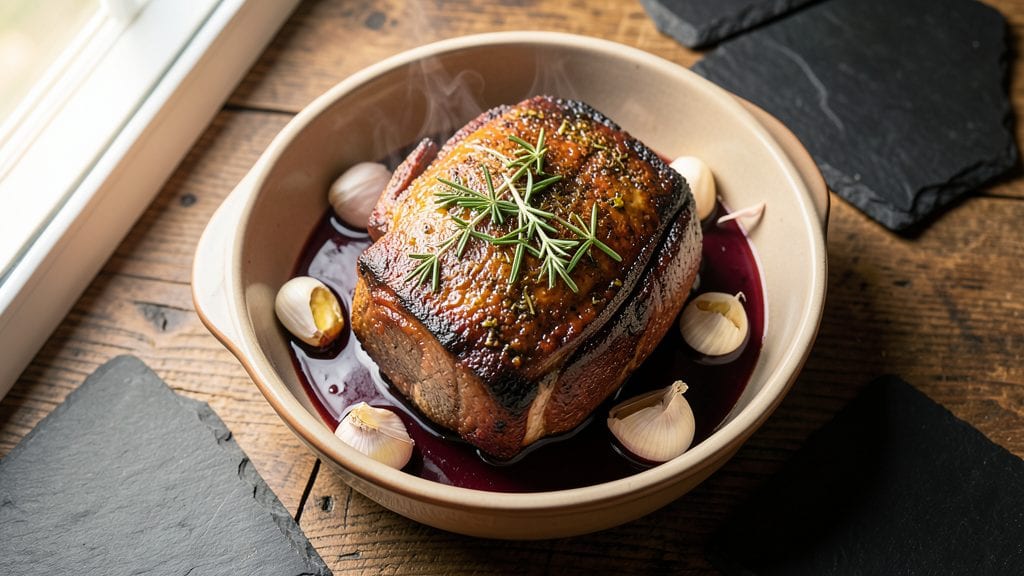
This beef cross rib roast recipe delivers restaurant-quality results with a crispy herb crust and melt-in-your-mouth tenderness. After years of perfecting the technique, I’ve cracked the code for achieving that ideal balance between flavorful exterior and juicy core—every time.
The secret lies in precise temperature control and a well-seasoned crust that locks in moisture while creating a caramelized bark.
What sets this recipe apart is the foolproof method for handling a large roast, from proper trimming to the critical resting period. You’ll work with a 3-4 pound roast (about 12-16 ounces per serving), which cooks to medium-rare perfection at 130°F internal temperature, ensuring maximum juiciness.
The herb crust, made with fresh rosemary, thyme, and garlic, adds aromatic depth without overpowering the beef’s natural richness.
By following these steps, you’ll end up with a golden-brown, deeply flavorful roast that slices beautifully and delivers that satisfying first bite of tender meat. The crust stays intact while the interior remains succulent, making it ideal for special occasions or when you want to impress dinner guests.
This technique transforms a simple piece of beef into a showstopping centerpiece.
Pair it with classic sides like garlic mashed potatoes or a red wine reduction for a complete meal. The key to success is patience—letting the roast rest before slicing ensures every bite is juicy and flavorful. Ready to master this dish? Let’s get started with the ingredients and step-by-step instructions.
Ingredients for beef cross rib roast
Precision cuts and aromatic herbs create this restaurant-quality beef cross rib roast.
| Ingredient | Amount | Notes |
|---|---|---|
| Beef Cross Rib Roast 🥩 | 3 ½ lb | Bone-in, trimmed of excess fat |
| Fresh Rosemary Sprigs 🌿 | 4 whole | For herb crust binding |
| Fresh Thyme Sprigs 🌿 | 4 whole | Dried thyme at 1 tbsp |
| Garlic Cloves 🧄 | 6 cloves | Peeled, smashed for aroma |
| Dijon Mustard 🧂 | 2 tbsp | For crust adhesion |
| Dry Red Wine 🍷 | ½ cup | Cabernet or Merlot |
| Olive Oil 🫒 | ½ cup | Extra-virgin for crust |
| Diamond Crystal Kosher Salt 🧂 | 2 tbsp | For even seasoning |
| Freshly Ground Black Pepper 🌶️ | 1 tbsp | Coarse grind preferred |
| Unsalted Butter 🧈 | ¼ cup | For basting |
| Beef Bone Broth 🍲 | 1 cup | For pan deglazing |
| Fresh Parsley 🌿 | ¼ cup | Chopped for garnish |
The beef selection is critical for this recipe. Opt for a bone-in cross rib roast weighing approximately 3.5 pounds, as it delivers both structural integrity and maximum flavor development during cooking. Professional butchers recommend trimming excess fat to 1/8-inch thickness for even cooking—this also prevents flare-ups during searing. For sourcing, Whole Foods Market or high-end grocery stores like Kroger's Signature Selections consistently carry premium cuts. The roast should have visible marbling throughout; this ensures tenderness and juiciness when cooked to medium-rare perfection at 130°F internal temperature.
Substitutions can be made without compromising the dish's integrity when necessary. In lieu of fresh rosemary and thyme, dried herbs at one-third the quantity will suffice, though the flavor profile will be slightly muted. For the red wine, dry vermouth or beef broth with 1 tbsp balsamic vinegar creates a comparable aromatic base. The Dijon mustard can be replaced with whole-grain mustard if preferred, though it may require additional olive oil for proper crust adhesion. When preparing ahead, the herb mixture can be prepared 24 hours in advance and refrigerated, though it should be brought to room temperature before applying to the roast.
Storage and preparation require careful attention to maintain the roast's quality. The beef should be refrigerated uncovered for 24 hours prior to cooking to allow the surface to develop a proper sear. Once cooked, the roast should rest for 15-20 minutes before slicing to ensure proper juiciness and prevent moisture loss. For optimal reheating, wrap individual slices in aluminum foil and warm in a 250°F oven for 10-15 minutes. The herb crust can be reheated in the oven at 350°F for 5 minutes to restore its crispness. Leftovers can be stored in the refrigerator for up to 4 days or frozen for 3 months using airtight containers or vacuum-sealed bags.
Why You'll Love This Recipe
- Foolproof Prep: I swear by this method—just sear the roast, slather on Dijon, stuff the cavity with garlic and herbs, and let the oven do the rest. No fancy basting, no stressing over timing.
- Herb-Crusted Magic: That rosemary-thyme crust? It’s the star. The garlic-infused mustard ties it all together with a deep, savory punch—like a hug for your taste buds.
- Weeknight or Weekend: Same recipe works for a quick family dinner or a showstopping holiday meal. The roast’s rich flavor stands up to everything, so you’re never stuck guessing sides.
- Leftovers? Best Ever: Slice it thin, and those tender ribbons of beef become the next day’s hero—sandwiches, tacos, or just reheated with a sprinkle of flaky salt. Zero waste, all win.
Step-by-step instructions for herb-crusted beef cross rib roast
Master this technique and you'll achieve a perfectly seared crust with a melt-in-your-mouth center every time.
Prepare the Herb Crust Mixture
In a small bowl, combine the 0.5 cup olive oil, 2 tbsp Dijon mustard, 2 tbsp Diamond Crystal kosher salt, and 1 tbsp freshly ground black pepper. This forms the adhesive base for your herb crust. Add the 4 whole fresh rosemary sprigs and 4 whole fresh thyme sprigs, crushing them lightly between your fingers to release their essential oils. The rosemary and thyme should be evenly distributed throughout the oil mixture.
Next, add the 6 peeled and smashed garlic cloves to the bowl. The garlic should be incorporated but still visible as distinct cloves. This mixture will create an aromatic crust that clings perfectly to the beef. Let it sit at room temperature while you prepare the roast—this allows the flavors to meld together and the oil to fully emulsify with the mustard.
Season and Coat the Roast
Pat the 3.5 lb beef cross rib roast completely dry with paper towels, including the cavity. This step is crucial for achieving a proper crust—any moisture will prevent the herbs from adhering. Season the exterior generously with additional salt and pepper if needed, though the crust mixture already contains plenty of seasoning.
Using your hands, thoroughly coat the roast with the herb oil mixture, pressing it into every crevice and crease. The roast should be uniformly covered, with no dry patches. For extra flavor penetration, rub the mixture into the cavity as well. Place the roast on a rack set in a shallow roasting pan to allow air circulation on all sides.
Sear the Roast for Maximum Flavor
Preheat your oven to 425°F while you prepare the roast. Heat a large oven-safe skillet over high heat until it's smoking hot. Add the 0.25 cup unsalted butter and let it melt completely, then carefully transfer the roast to the skillet. Sear the roast on all sides for 3-4 minutes per side until it develops a deep golden-brown crust. This high-heat searing locks in juices and creates that coveted caramelized exterior.
Once seared, transfer the skillet to the preheated oven. Roast for 20 minutes to establish an initial crust, then reduce the oven temperature to 325°F. This two-stage approach ensures a perfect balance between exterior browning and interior doneness.
Braise for Juicy Perfection
Remove the roast from the oven and carefully pour in the 0.5 cup dry red wine, scraping up any browned bits from the bottom of the pan with a wooden spoon. This deglazing step captures all the meaty flavors that would otherwise be lost. Return the skillet to the oven and add the 1 cup beef bone broth to the pan.
Cover the skillet tightly with foil and braise for 2-2.5 hours until the internal temperature reaches 195°F at the thickest part of the roast. The meat should be fork-tender with a deep pink center. The slow braising method ensures maximum tenderness while maintaining incredible flavor. If the liquid reduces too much before the roast is done, add a splash of water to maintain moisture.
Rest and Garnish for Presentation
Transfer the roast to a cutting board and tent loosely with foil. Let it rest for 20-30 minutes before carving. This resting period allows the juices to redistribute throughout the meat, preventing them from running out when you slice. The internal temperature will rise about 10°F during this time, reaching the ideal serving temperature.
Once rested, carefully slice the roast against the grain into ½-inch thick slices. Garnish each serving with 0.25 cup chopped fresh parsley for a pop of color and freshness. The finished roast should have a beautifully caramelized crust with a tender, juicy interior that practically melts in your mouth. Serve immediately with pan juices spooned over the top for maximum flavor impact.
Pro Tips For Making Beef Cross Rib Roast
- SEAR IT LONG: Don’t rush the crust—give the roast 8-10 minutes per side on high heat until deep brown. I used to flip too soon, and the garlic-herb butter would just melt off without sticking. Patience here means flavor.
- MINCE THAT GARLIC: Crush the garlic cloves flat with the side of your knife before slicing—it releases more flavor. Whole cloves stay stubborn, and you’ll just taste raw garlic in the pan. (Yes, even if you’re impatient like me.)
- SKIP THE MUSTARD RUSH: Let the Dijon mustard sit on the roast for at least 30 minutes before roasting—it gives the crust time to form properly. I learned this the hard way when my first batch just slid off the meat like a sad glaze.
- REST UNDER FOIL: Tent the roast with foil for the first 10 minutes of resting—it keeps the juices from pooling on the cutting board. My grandmother swore by this, and she was right: the meat stays juicier when you slice it.
Perfect pairings for these flavors
Classic Side Dishes
Garlic mashed potatoes are my go-to pairing—their creamy texture and bold garlic flavor complement the roast beautifully. I use Yukon Gold potatoes boiled until tender, then mashed with ½ cup unsalted butter, ½ cup heavy cream, and 3 minced garlic cloves.
Season with 1 tsp Diamond Crystal kosher salt and ½ tsp black pepper for a rich, velvety finish. 🥔
For a heartier option, try creamy polenta with a touch of Parmesan. Cook 1 cup polenta in 4 cups chicken broth over medium heat for 20 minutes, then stir in 2 tbsp butter and ¼ cup grated Parmesan. The slight nuttiness balances the beef’s richness perfectly.
Red Wine Reductions
Deglaze the roasting pan with ½ cup dry red wine (like Cabernet Sauvignon) after removing the roast, then reduce by half with 1 cup beef bone broth.
Finish with 1 tbsp cold butter>, a pinch of salt, and a splash of balsamic vinegar for depth. This sauce adds a luxurious touch to every bite. 🍷
For a quicker option, simmer 1 cup red wine> with 1 tbsp brown sugar> and 1 sprig rosemary> for 10 minutes> until syrupy. Strain and drizzle over sliced roast—it’s sweet, tangy, and effortless.
Vegetable Accompaniments
Roasted baby carrots with honey glaze cut through the richness. Toss 1 lb baby carrots> with 1 tbsp olive oil>, 1 tsp honey>, and ½ tsp thyme>, then roast at 400°F> for 20 minutes>. The caramelized edges add a sweet contrast. 🥕
For a lighter option, serve a spring pea salad with mint and lemon. Blanch 1 cup peas> in boiling water for 2 minutes>, then toss with 1 tbsp lemon juice>, 1 tbsp olive oil>, and 2 tbsp chopped mint>.
The bright acidity refreshes the palate after each rich bite.
Beverage Pairings
A bold Cabernet Sauvignon from Napa Valley stands up to the herb crust’s intensity. Look for wines with 14% ABV> and notes of blackcurrant and vanilla—like Opus One>. The tannins complement the beef’s fat, while the acidity cuts through the richness. 🍷
For beer lovers, a Belgian-style Dubbel (like Westmalle Trappist>) offers malty sweetness and spice that harmonize with the roast. The caramel and raisin notes mirror the crust’s herbal complexity.
Nutrition facts
Frequently asked questions
What's the ideal weight for a beef cross rib roast?
For this recipe, a 3-4 pound roast works perfectly, yielding about 12-16 ounces per serving. This size ensures even cooking and proper resting time without drying out. Larger roasts (5+ pounds) may require longer cooking times and extra basting to maintain moisture.
Why does the recipe call for resting the roast?
Resting for 20-30 minutes after cooking allows the meat's juices to redistribute throughout the fibers, preventing them from running out when sliced. This crucial step guarantees each bite stays tender and flavorful. Skipping it results in dry, less juicy meat.
Can I substitute bone-in for boneless beef?
While bone-in roasts are preferred for their flavor and moisture retention, you can use boneless if needed. Simply reduce cooking time by 15-20 minutes and monitor internal temperature closely. The herb crust will still adhere well, but expect slightly less structural integrity during slicing.
What's the best way to reheat leftovers?
Wrap individual slices in foil and warm in a 250°F oven for 10-15 minutes to maintain moisture. For the crust, reheat at 350°F for 5 minutes to restore crispness. Avoid microwaving—it makes the meat tough and dry.
How do I adjust cooking time for different oven temperatures?
Use the 13-minute rule: For every 25°F below 325°F, add 13 minutes to total cooking time. For example, at 300°F, add 26 minutes. Always use a meat thermometer to check doneness at 195°F internal temperature.