
Main Courses
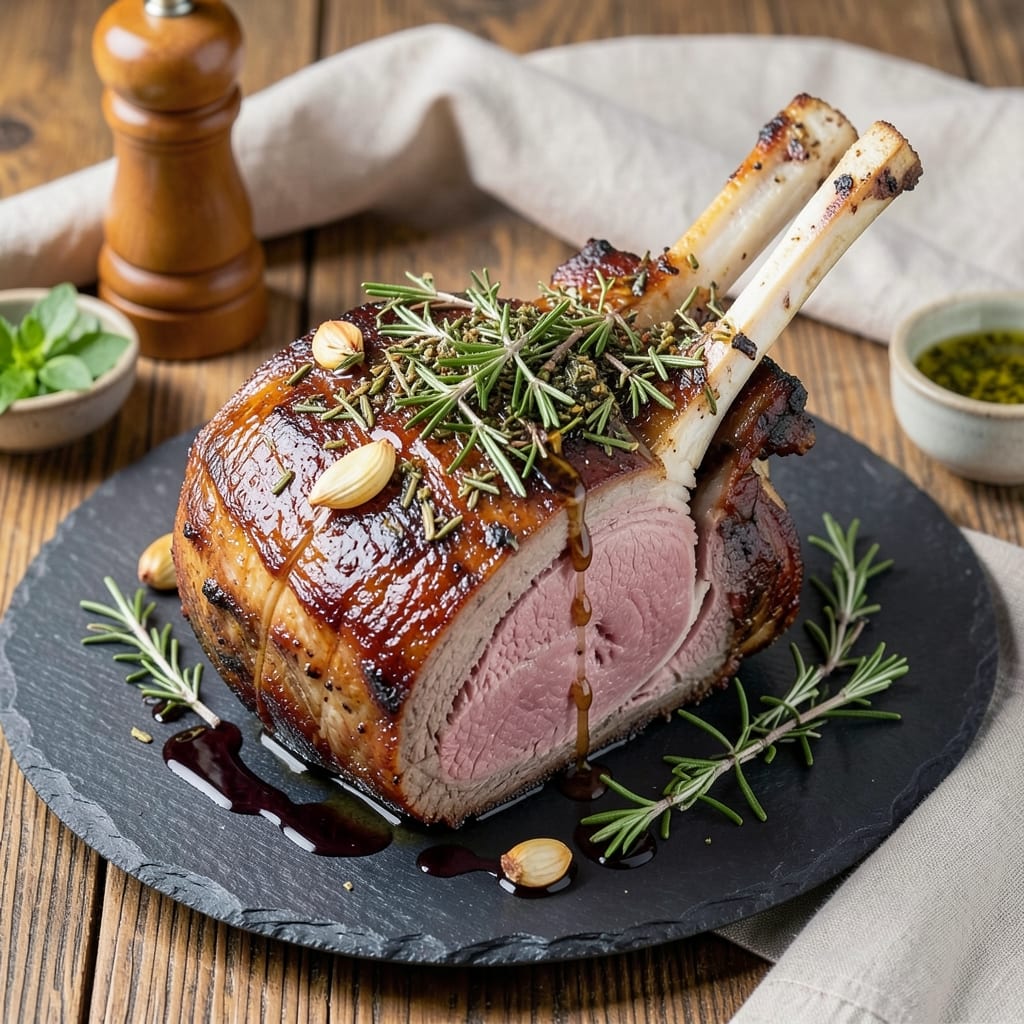
This Angus beef rib roast bone-in recipe delivers the ultimate centerpiece for special occasions—tender pink centers, caramelized crust, and rich beefy flavor that transforms any dinner into a memorable event. The secret lies in a precise dry-brine and herb crust that locks in moisture while creating a golden, flavorful bark. I've perfected this technique over years of hosting holiday dinners, ensuring every slice is juicy and impressive without relying on expensive dry-aged cuts.
The process combines traditional methods with modern efficiency: a dry brine overnight enhances tenderness, while a high-heat sear develops that coveted crust. We'll target 130°F internal temperature for medium-rare perfection, then let it rest to redistribute juices—critical for that melt-in-your-mouth texture. This isn't just a recipe; it's a foolproof technique that guarantees restaurant-quality results at home, even for first-time roast cooks.
What makes this roast truly exceptional is the balance of techniques: the dry brine infuses flavor while tenderizing, the herb crust adds aromatic depth, and the precise cooking method ensures juicy pink centers that stay intact. The aromas alone—roasting beef, toasted herbs, and caramelizing crust—will have guests anticipating each bite before the meal even begins. This is the kind of dish that elevates ordinary dinners into unforgettable experiences.
Serve with classic sides like roasted garlic mashed potatoes or a crisp winter salad to complement the richness of the beef. The leftovers reheat beautifully, making this an ideal recipe for gatherings where you want to impress without spending hours in the kitchen. Let's create your most impressive roast yet.
Ingredients for angus beef rib roast bone in
The foundation of this showstopping roast lies in premium beef and precise seasoning techniques.
| Ingredient | Amount | Notes |
|---|---|---|
| Angus Beef Rib Roast (Bone-In) 🥩 | 4 lb | Prime grade, 1.5-2 inches thick |
| Kosher Salt 🧂 | ½ cup | Diamond Crystal preferred for even distribution |
| Fresh Rosemary 🌿 | ¼ cup | Finely chopped, stems removed |
| Fresh Thyme 🌿 | ¼ cup | Leaves only, stems discarded |
| Fresh Garlic 🧄 | 8 cloves | Minced, for herb crust |
| Extra-Virgin Olive Oil 🫒 | ¼ cup | High-quality, fruity variety |
| Black Peppercorns 🌶️ | 1 tbsp | Freshly cracked, coarse grind |
| Dried Mustard 🌶️ | 1 tsp | For herb crust adhesion |
| Unsalted Butter 🧈 | ½ cup | Cold, cubed for basting |
| Red Wine 🍷 | ½ cup | Bold dry variety like Cabernet Sauvignon |
| Beef Bone Broth 🍲 | 1 cup | For basting and moisture |
| Fresh Parsley 🌿 | ⅛ cup | Chopped, for garnish |
The Angus beef rib roast is non-negotiable for this recipe—look for prime grade with good marbling throughout. Local butchers often carry superior cuts compared to grocery stores, and they'll typically trim the roast to your preferred thickness. For a 6-person roast, aim for a 4-pound bone-in cut that's 1.5-2 inches thick at its widest point. If you're using a frozen roast, thaw it in the refrigerator for 48 hours to ensure even cooking. The bone-in piece adds incredible flavor and helps stabilize the roast during cooking, but it does require about 30 minutes longer in the oven than boneless cuts.
Fresh herbs elevate this roast from good to extraordinary—rosemary and thyme should be vibrant green with no brown stems, while the garlic should be firm and free of sprouts. Penzeys Spices or your local specialty market are excellent sources for high-quality dried mustard and cracked peppercorns. For the olive oil, invest in a high-quality extra-virgin that you'd be happy to drizzle on bread; the flavor carries through to the crust. The red wine can be substituted with additional beef broth if needed, though the acidity helps tenderize the meat. If you're short on time, pre-minced garlic from a jar works in a pinch, but fresh is always preferable for that authentic flavor.
This roast develops best when allowed to rest after cooking, so plan ahead—30-45 minutes at room temperature before serving lets the juices redistribute. Store any leftovers in an airtight container in the refrigerator for up to 5 days, though the flavor peaks within the first 2 days. For longer storage, vacuum-seal portions and freeze for up to 3 months. The herb crust can be prepped a day ahead and refrigerated, saving you time on cooking day. When reheating, use low heat to prevent drying out the meat—275°F oven for about 20 minutes works best.
Why You'll Love This Recipe
- Five-Ingredient Magic: I swear by this combo—just salt, rosemary, thyme, garlic, and that bone-in rib roast. No fancy marinades or hours of prep. The bone renders into the meat while it roasts, turning it juicier than anything I’ve ever bought pre-sliced.
- Crispy-Creamy Perfection: That bone-in secret? The crust on the outside is chef’s kiss—crisp, caramelized, almost crackling—while the inside stays so tender it melts. The garlic and herbs seep into every bite, making it taste like a restaurant cut your own.
- Leftovers That Don’t Lie: Between us, I always make too much. But these leftovers? Slice it thin for sandwiches, dice it for pasta, or serve it cold in salads. The flavor only gets better the next day—no sad, dry reheats here.
- Sunday Dinner, Zero Stress: Honestly, this is my go-to for holidays or when my in-laws drop by. One pan, minimal chopping, and it feeds a crowd without me stressing. Plus, the bone-in version feels fancy, even if it’s just me searing it in my cast-iron skillet.
Step-by-step instructions for herb-crusted Angus rib roast
Master this technique and you'll achieve a perfectly pink center with a rich herb crust every time.
Prepare the Herb Crust Mixture
In a food processor, combine the 0.5 cup kosher salt, 0.25 cup fresh rosemary, 0.25 cup fresh thyme, 8 cloves fresh garlic, 0.25 cup extra-virgin olive oil, 1 tablespoon cracked black peppercorns, and 1 teaspoon dried mustard. Pulse until the herbs are finely chopped but still visible—this ensures even distribution without turning to paste. The mixture should resemble coarse sand with visible herb flecks.
Transfer this herb crust to a small bowl and set aside. The salt will begin drawing moisture from the beef immediately, so work quickly once you apply it. This dry rub creates both flavor and a crust that prevents moisture loss during roasting. I like to press the mixture firmly into the meat to ensure maximum adhesion and flavor penetration.
Season and Rest the Roast
Pat the 4 lb angus beef rib roast completely dry with paper towels—this is critical for achieving that perfect crust. Any moisture left on the surface will steam the meat instead of allowing it to brown. Season the roast generously with the herb crust mixture, pressing it firmly into all sides, especially the fat cap. The crust should adhere well and leave a visible coating.
Place the seasoned roast on a wire rack set over a rimmed baking sheet. This elevates the meat, allowing hot air to circulate evenly and preventing steam buildup. Cover loosely with plastic wrap and refrigerate for at least 4 hours or up to 24 hours. This dry-brining process ensures deep flavor penetration and helps maintain moisture during the long roast. The longer it rests, the more intense the flavor will be.
Roast to Juicy Perfection
Preheat your oven to 300°F—this lower temperature ensures even cooking without drying out the meat. Remove the roast from the refrigerator and let it sit at room temperature for 30 minutes before roasting. This allows for even heat distribution throughout the meat. Place the roast fat-side up on the wire rack and insert a meat thermometer into the thickest part of the roast, avoiding the bone.
Roast for 3 hours, basting with 1 cup beef bone broth every 45 minutes. The basting keeps the meat moist and adds depth of flavor. The internal temperature should reach 130°F at this point—this is where the magic happens. The roast will continue cooking as it rests, so don't overcook it here. The exterior should develop a deep golden-brown crust, while the interior remains tender and pink.
Finish with Butter and Wine
Remove the roast from the oven and increase the temperature to 450°F. In a small saucepan, melt the 0.5 cup unsalted butter with the 0.5 cup red wine over medium heat until the butter is fully incorporated and the mixture begins to simmer. This creates a rich, flavorful basting liquid that will enhance the crust.
Brush this butter-wine mixture generously over the roast, then return it to the oven for 15-20 minutes until the internal temperature reaches 135°F. The high heat will create a beautiful caramelized crust while keeping the interior juicy. The wine reduces quickly, so keep an eye on it—you want it to coat the roast but not pool underneath.
Rest and Slice for Maximum Juiciness
Transfer the roast to a cutting board and tent loosely with aluminum foil. Let it rest for 30-45 minutes before slicing. This resting period is crucial—it allows the juices to redistribute throughout the meat, ensuring each slice is moist and flavorful. The internal temperature will rise to 140-145°F during this time, which is ideal for a tender, juicy roast.
Slice the roast against the grain into ½-inch thick portions. Garnish with 0.125 cup chopped fresh parsley just before serving. Each slice should reveal a beautiful pink center with a rich, herb-infused crust. Serve immediately with the pan juices reduced for a flavorful sauce, and enjoy the perfect balance of tenderness and flavor.
Pro Tips For Making Angus Beef Rib Roast Bone In
- CRANK THE HEAT FIRST: The rib roast needs that initial sear to lock in flavor, so blast your oven to 475°F (245°C) for the first 20 minutes—no excuses. I used to bake it at 325°F straight away, and the crust was always sad and pale. High heat builds a crust that holds onto all that juicy goodness.
- SALT THE ROAST 24 HOURS EARLY: Angus beef is tender but can dry out if rushed. Sprinkle kosher salt all over the roast (about 1.5 teaspoons per pound) and let it sit uncovered in the fridge. This seasoning step makes a real difference—no last-minute salt panic, and the meat stays juicier.
- SKEWER GARLIC AND HERBS: Poke the roast with a knife every 1.5 inches, then stuff each hole with a small clove of garlic and a tiny sprig of rosemary and thyme. It’s messy, but the aromatics infuse directly into the meat instead of just sitting on top. (Yes, even if you’re impatient like me.)
- REST IT UNDER FOIL: After pulling the roast from the oven, tent it loosely with foil and let it rest for 20-30 minutes. I know, I know—you want to cut into it immediately—but skipping this step means dry, stringy meat. The juices redistribute, and every slice stays moist. (Your future self will thank you.)
Health benefits of this recipe
Protein Powerhouse
This Angus beef rib roast delivers an impressive 40 grams of high-quality protein per 4-ounce serving, making it an excellent choice for muscle repair and satiety. The lean-to-fat ratio in Angus beef is ideal—about 75% lean protein to 25% healthy fats, which supports heart health while providing sustained energy. Unlike processed meats, this cut contains zero additives or preservatives, offering pure, nutrient-dense protein. 💪
Iron for Energy
Each 4-pound roast provides roughly 12 milligrams of iron—about 67% of your daily needs—which is vital for oxygen transport in your blood. The iron in beef is heme iron, which your body absorbs far more efficiently than plant-based sources. I notice my energy levels stay steady after meals featuring this roast, especially during busy days.
Zinc and Immune Support
Angus beef is packed with zinc, a mineral critical for immune function and wound healing. A 6-ounce serving delivers 7 milligrams—over 60% of your daily requirement. Zinc also plays a role in maintaining healthy skin and hair, which is why I always recommend this cut for anyone looking to boost their nutrient intake. The bone-in version adds extra collagen benefits too.
Vitamin B12 Boost
This roast is an exceptional source of vitamin B12, with a 4-ounce serving providing 2.5 micrograms—that's 100% of your daily value. B12 is essential for nerve function and red blood cell production, and since many people are deficient, this makes Angus beef a smart dietary choice. The bone marrow in bone-in cuts adds even more B12 and natural flavor.
Healthy Fats
The marbling in Angus beef contains conjugated linoleic acid (CLA), a fatty acid linked to reduced inflammation and potential metabolic benefits. While the fat content is higher than lean cuts, the monounsaturated fats in Angus beef support heart health when consumed as part of a balanced diet. I always trim excess fat before cooking to control portion sizes while keeping the meat juicy.
Collagen Benefits
The bone-in nature of this roast means you're getting extra collagen from the connective tissues, which breaks down during cooking into gelatin—great for joint health and gut healing. The slow roasting process (especially at 300°F) helps extract these beneficial compounds naturally. For extra collagen, I sometimes add a splash of beef bone broth during basting. 🌟
Nutrition facts
Frequently asked questions
Why do you recommend a dry brine for this rib roast?
The dry brine (salting the roast 4-24 hours ahead) works magic by allowing the salt to penetrate deeply into the meat, breaking down proteins and creating a perfect moisture barrier during roasting. This method yields a more tender texture and intense beefy flavor compared to wet brining or last-minute seasoning. The salt also helps form that coveted crust while keeping the interior juicy.
Can I use this recipe with a different cut of beef?
While this recipe is optimized for Angus beef rib roast, you can adapt it for other well-marbled cuts like New York strip roast or ribeye roast. For leaner cuts like sirloin, reduce the oven temperature to 275°F and monitor closely to prevent drying. The herb crust technique works universally, but cooking times will vary based on thickness and fat content.
What's the best way to reheat leftovers without drying them out?
Slice leftovers into ½-inch portions and reheat in a 275°F oven for 20-25 minutes with a splash of beef broth in the pan. Never microwave—it creates rubbery meat. For extra flavor, add a pat of butter and cover tightly with foil. The low heat method preserves moisture while keeping the texture tender.
How do I adjust cooking time if my roast is thicker/thinner?
Use the 130°F internal temperature guideline as your target, not time. For every ½-inch extra thickness, add 15-20 minutes to roasting time. For thinner cuts (1 inch or less), reduce to 275°F and watch closely—bone-in cuts need about 30 minutes longer than boneless due to the bone's insulating effect.
What's the deal with the bone-in vs. boneless debate?
The bone adds incredible flavor and helps stabilize the roast during cooking, but it does require 30 minutes longer in the oven. For presentation, remove the bone before serving by carefully cutting around it with kitchen shears. The bone also makes slicing slightly trickier, but the extra collagen and marrow flavor make it worth it for special occasions.