
Main Courses
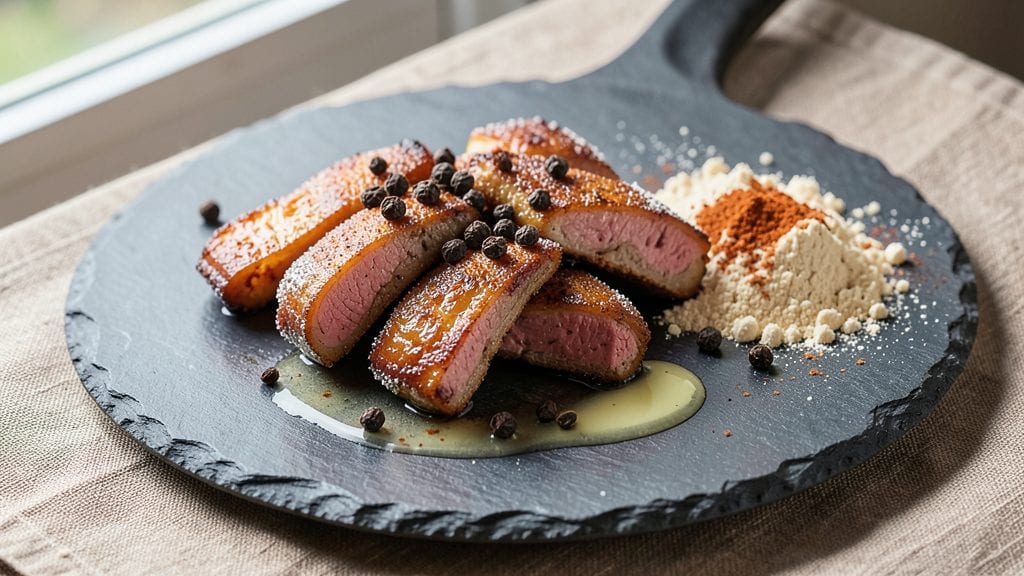
Unlock a beef gizzard recipe that turns humble offal into golden, irresistibly crispy pan-fried bites—perfect for adventurous home cooks. This recipe draws from traditional Southern techniques, where gizzards were slow-cooked to tender perfection, but we’re adapting it for a quicker, restaurant-worthy result with a golden, crackling exterior.
The secret lies in proper preparation—cleaning and trimming them correctly ensures they cook evenly and absorb flavors like a dream.
What sets this method apart is the balance between texture and tenderness—achieving that crispy skin without sacrificing juicy meat inside. We’ll use a simple seasoning blend of salt, pepper, and smoked paprika, then pan-fry them until they’re caramelized and irresistibly crisp.
This approach works whether you’re serving them as a standalone dish or pairing them with rich gravy, pickled vegetables, or a bold red wine reduction.
The result is a dish that’s both rustic and refined, with a depth of flavor that comes from slow-cooked traditions but delivered in a fraction of the time. Each bite offers a satisfying contrast—crunchy on the outside, melt-in-your-mouth tender within.
Perfect for a weeknight dinner that feels special or a weekend project with friends, this recipe proves gizzards can be just as impressive as any cut of beef.
For those new to cooking gizzards, don’t let the initial prep intimidate you—the steps are straightforward, and the reward is worth it.
Whether you’re drawn to this dish for its economic value, its rich umami profile, or simply the challenge of mastering a lesser-known cut, this method will deliver professional-quality results every time. Let’s get started on turning these humble offal pieces into something extraordinary.
Ingredients for beef gizzard
Transform humble beef gizzards into restaurant-worthy, crispy-edged bites with these carefully chosen ingredients.
| Ingredient | Amount | Notes |
|---|---|---|
| Fresh Beef Gizzards 🥩 | 1 ½ lb | Trimmed of excess membrane |
| Kosher Salt 🧂 | 1 ½ tbsp | Diamond Crystal preferred |
| Freshly Ground Black Pepper 🌶️ | 1 tsp | Coarse grind for texture |
| Smoked Paprika 🌶️ | 1 tbsp | High-quality, vibrant color |
| All-Purpose Flour 🌾 | ½ cup | For dredging, light coating |
| Unsalted Butter 🧈 | 4 tbsp | European-style for higher smoke point |
| Yellow Onion 🧅 | 1 whole | Thinly sliced for garnish |
| Fresh Parsley 🌿 | ¼ cup | Chopped, for garnish |
| Garlic Cloves 🧄 | 3 cloves | Minced for aroma |
| Apple Cider Vinegar 🍎 | 2 tbsp | For cleaning gizzards |
| Olive Oil 🫒 | 2 tbsp | Extra-virgin for frying |
| Heavy Cream 🥛 | ¼ cup | For optional gravy |
The quality of your beef gizzards makes all the difference—look for pieces that are bright red and firm to the touch. Most butchers will clean them for you, but if you're doing it yourself, soak them in apple cider vinegar and cold water for 30 minutes to remove any impurities. Local butchers or specialty meat markets often carry the freshest cuts, and you’ll typically find them in the offal section. Avoid any pieces that smell sour or have a grayish tint, as these indicate spoilage. For the best texture, trim away any excess membrane or connective tissue before seasoning—this ensures even cooking and maximum crispiness.
No smoked paprika? Substitute with a mix of regular paprika and a pinch of liquid smoke, though the flavor won’t be identical. Running short on flour? Cornstarch works just as well for dredging, though it may yield a slightly different texture. If you’re avoiding dairy, skip the heavy cream for gravy and use whole milk or chicken broth instead. For the butter, European-style brands like Plugrá or French European Butter have higher smoke points, making them ideal for frying without burning. Fresh parsley can be swapped for chives or cilantro if needed, though parsley’s bright flavor complements the dish best.
Store cleaned, uncooked gizzards in an airtight container in the refrigerator for up to 2 days or freeze them for up to 3 months in a sealed bag. Once cooked, these crispy bites reheat beautifully—simply warm them in a skillet with a splash of butter for 2-3 minutes per side. For meal prep, portion the cooked gizzards into containers with a light drizzle of olive oil to maintain crispiness. They pair exceptionally well with pickled vegetables or a bold red wine reduction, so consider prepping those components ahead of time for a complete meal.
Why You'll Love This Recipe
- One-Pan Magic: I swear by this—just salt, pepper, paprika, and flour. No chopping, no fussing, and the gizzards render down to perfect crispy edges while staying tender inside. That’s it. Done.
- Smoky Umami Bomb: Honestly, the smoked paprika and black pepper on these gizzards? It’s like a slow-cooked flavor punch without the wait. The flour gives them that satisfying crunch, but the meat stays juicy—it’s the kind of bite that lingers.
- Leftovers That Shine: Between us, this recipe makes way more than I need for one meal. The leftovers reheat beautifully—toss them in a skillet with a splash of broth, and suddenly you’ve got a weeknight dinner that feels special. No sad, dry reheats here.
- Budget Game-Changer: I buy gizzards in bulk, and they cost a fraction of steak. For the price of one fancy cut, I get a whole meal that feeds four. Plus, the flour and spices? Pantry staples. This is how I stretch my grocery budget without sacrificing taste.
Step-by-step instructions for savory pan-fried beef gizzards
Mastering crispy beef gizzards requires precise technique and patience—here's how to achieve perfect texture every time.
Prepare and Clean the Gizzards
Begin by thoroughly rinsing the 1.5 lb fresh beef gizzards under cold water to remove any blood or membrane. Using a sharp knife, trim away any excess connective tissue or remaining membrane—this ensures tender bites rather than chewy resistance. I like to make a small slit in each gizzard to help them flatten during cooking.
Place the cleaned gizzards in a bowl and add 2 tablespoons apple cider vinegar along with 1.5 tablespoons kosher salt and 1 teaspoon freshly ground black pepper. Let them soak for 20 minutes at room temperature. This acidic marinade not only tenderizes the meat but also helps remove any lingering impurities. After soaking, pat them completely dry with paper towels—moisture is the enemy of crispy skin.
Create the Seasoned Flour Coating
In a shallow dish, combine 0.5 cup all-purpose flour, 1 tablespoon smoked paprika, and an additional 0.5 teaspoon kosher salt. The smoked paprika adds depth while the extra salt ensures seasoning penetrates the coating. Gently toss each gizzard in this mixture, pressing lightly to adhere the flour evenly. Don't overcrowd the dish or the flour will clump.
Let the floured gizzards rest for 10 minutes while you prepare your cooking vessel. This brief rest allows the flour to form a cohesive crust rather than a powdery layer. The key here is patience—rushing this step results in uneven browning and less crispy skin during frying.
Render Butter and Fry to Crispy Perfection
Heat a heavy skillet over medium-high heat and add 2 tablespoons olive oil and 4 tablespoons unsalted butter. Allow the butter to foam and the oil to shimmer—this should take about 3 minutes. The butter should melt completely but not brown yet; you're aiming for 350°F internal temperature in the fat.
Working in batches if needed, carefully add the floured gizzards to the skillet. Press down gently with a spatula during the first 30 seconds of cooking to ensure even contact with the hot surface. This prevents curling and guarantees crispy skin on all sides. Fry for 4-5 minutes per side until the exterior is deep golden brown and the internal temperature reaches 160°F when checked with an instant-read thermometer.
Rest and Assemble the Platter
Transfer the cooked gizzards to a wire rack set over a baking sheet. Let them rest for 5 minutes before serving—this crucial step allows residual moisture to redistribute, preventing dryness. During this time, prepare your garnish by thinly slicing 1 whole yellow onion and mincing 3 cloves garlic. Sauté these briefly in a separate pan with 1 tablespoon butter until softened.
To serve, arrange the crispy gizzards on a warm platter. Spoon the sautéed onions and garlic over the top, then scatter with 0.25 cup chopped fresh parsley. For an optional gravy, deglaze the frying pan with 0.25 cup heavy cream, scraping up any browned bits, and simmer for 2 minutes until slightly thickened. Drizzle this rich sauce over the gizzards just before serving.
Pro Tips For Making Beef Gizzard
- Trim the Membranes: Gizzards have a thin, rubbery membrane lining—peel it off before cooking or you’ll end up chewing through layers of toughness. Use a sharp knife to slice open the gizzard, then scrape the membrane away with your thumbnail (yes, it’s gross but effective). I learned this the hard way after biting into a gizzard that felt like eating a bike inner tube.
- Salt Twice, Wait Once: Dry the gizzards thoroughly with paper towels first, then season generously with salt and smoked paprika—both inside and out. Let them sit uncovered on a plate for at least 30 minutes (or overnight if you’re prepping ahead). This step guarantees a crisp crust and prevents soggy flour later. I used to skip the wait, and the results were always sad.
- Start Hot, Finish Slow: Sear the gizzards in a screaming-hot skillet with oil until deeply browned—this locks in flavor. Then, lower the heat to medium-low and cook covered for 10–12 minutes, flipping once. Rushing the sear leads to gray, rubbery gizzards; dragging the finish makes them dry. After burning three batches, I finally figured out the balance.
- Dredge Lightly, Fry Fast: Toss the gizzards in flour just before frying—don’t coat them like chicken cutlets. A light dusting (about 1 tablespoon per gizzard) is enough to create a delicate crust without hiding the meat. Over-dredging turns them into flour logs. I was skeptical until I tried it—now I never go back.
Pro cooking tips for this dish
Prep Like a Pro
Start by soaking gizzards in apple cider vinegar for 20 minutes—this tenderizes while removing impurities. I use a non-reactive bowl (like stainless steel) to prevent metallic flavors. After soaking, pat them bone-dry with paper towels—moisture is the enemy of crispy skin.
Pro tip: Use a wire rack in your sink to drain excess liquid completely before seasoning. 💡
Flour Coating Secrets
Don’t just toss gizzards in flour—press the coating firmly into crevices for even browning. I mix smoked paprika into the flour because it adds depth without overpowering. Let the floured gizzards rest 10 minutes before frying—this helps the crust adhere better.
For extra crispiness, chill the gizzards for 15 minutes after coating to firm up the flour layer. ✨
Fat Temperature Control
Your pan needs 350°F fat—too low and gizzards steam; too high and they burn. Test by dropping a flour-coated gizzard scrap—it should sizzle immediately. I use European-style butter (like Plugrá) because it has a higher smoke point than regular butter.
If your pan isn’t hot enough, the gizzards will absorb oil instead of crisping. 🔥
Avoid Curling Catastrophes
Gizzards curl when they hit hot fat—prevent this by pressing them flat with a spatula for the first 30 seconds of cooking. Work in small batches to avoid overcrowding, which lowers pan temperature.
If they start curling mid-fry, gently flip them with a thin spatula to maintain even browning. A heavy cast-iron skillet (like Lodge) distributes heat perfectly for this technique. 💪
Resting is Non-Negotiable
Skipping the 5-minute rest on a wire rack makes gizzards dry and tough. During this time, juices redistribute—this is when they become truly tender. I also like to tent them loosely with foil to retain heat while resting.
Pro move: Use this time to deglaze the pan for gravy—scrape up those golden brown bits for maximum flavor! 💫
Garnish Like a Chef
Fresh parsley brightens the dish, but sautéed onions and garlic add sweetness that balances the smoky paprika. For extra flair, finish with crispy fried shallots (tossed in the same pan after removing gizzards). A drizzle of heavy cream gravy ties everything together—just simmer for 2 minutes to avoid curdling. 🌟
Nutrition facts
Frequently asked questions
Why do I need to soak beef gizzards before cooking?
Soaking in apple cider vinegar for 20 minutes removes impurities, tenderizes the meat, and helps create a cleaner, more flavorful surface. The acidity breaks down proteins that can make gizzards tough when cooked improperly.
Can I substitute flour for another coating?
Yes! For a gluten-free option, use cornstarch or crushed pork rinds instead of flour. Both create crispy coatings—cornstarch gives a lighter texture, while pork rinds add extra crunch. Just press the coating firmly into crevices for best results.
How do I fix gizzards that are tough after cooking?
Tough gizzards usually happen from overcooking or not soaking properly. Next time, check internal temperature—it should reach 160°F max. For already-cooked tough pieces, try slicing thinly and serving with a rich gravy or sauce to enhance flavor.
What are the best sides to serve with crispy gizzards?
Pair them with mashed potatoes, cornbread, or pickled vegetables to balance the richness. For a complete meal, try a red wine reduction gravy or creamy mac and cheese. The crispy texture works especially well with cool, tangy sides.
Can I make this recipe ahead of time?
Cooked gizzards reheat beautifully—store them in an airtight container for up to 3 days in the fridge. Warm in a skillet with 1 tablespoon butter for 2-3 minutes per side to restore crispiness. For longer storage, freeze for up to 3 months.