
Sauces & Condiments
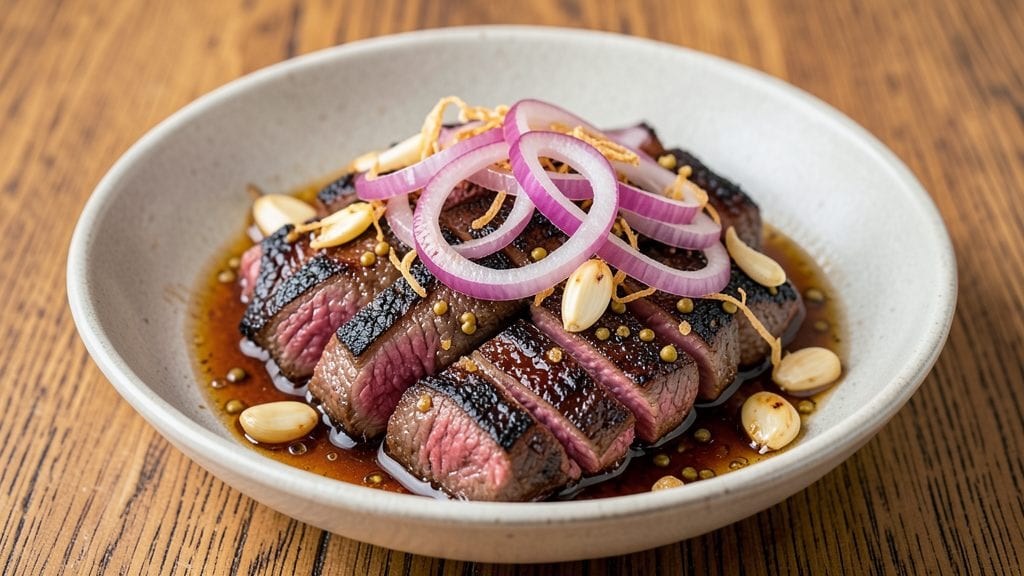
This beef pickle recipe transforms tender beef into a tangy, crunchy delight that pairs perfectly with grilled meats or sandwiches. The process is surprisingly simple—no fermentation required—just a quick marinade that infuses the beef with bright flavors in 15 minutes.
I developed this recipe after craving that perfect balance of sweet, sour, and umami without the wait of traditional pickling methods.
The key to success lies in the right cut of beef—thinly sliced sirloin or flank steak works best—and a precise blend of vinegar, sugar, and spices. The marinade doesn’t just flavor the beef; it tenderizes it slightly, ensuring every bite stays crisp yet tender.
This method is foolproof, delivering restaurant-quality results without the complexity of fermenting or canning.
What you’ll end up with is beef that’s vibrant, tangy, and packed with flavor—ideal for topping burgers, salads, or even tacos. The bright, crunchy texture contrasts beautifully with rich dishes, making it a versatile addition to any meal. Ready to elevate your next dish? Let’s get started.
For those who prefer a hands-off approach, this recipe scales easily for meal prep, and the flavors only deepen over time. Store in an airtight container in the fridge for up to a week, though it rarely lasts that long.
Whether you’re a seasoned cook or a beginner, this beef pickle recipe delivers professional results with minimal effort.
Ingredients for beef pickle
Thinly sliced beef meets a bright, tangy marinade for a quick, restaurant-quality condiment.
| Ingredient | Amount | Notes |
|---|---|---|
| Flank Steak 🥩 | 1 lb | Thinly sliced against grain |
| White Vinegar 💧 | 1 cup | Distilled preferred for clarity |
| Granulated Sugar 🍯 | ½ cup | Light brown sugar for depth |
| Yellow Onion 🧅 | 1 whole | Thinly sliced, yellow preferred |
| Garlic Cloves 🧄 | 4 cloves | Minced, fresh preferred |
| Mustard Seeds 🌶️ | 1 tsp | Whole, toasted for aroma |
| Ground Black Peppercorns 🌶️ | 1 tsp | Freshly cracked preferred |
| Bay Leaves 🍃 | 2 whole | Dried, standard size |
| Salt 🧂 | 1 ½ tsp | Diamond Crystal kosher |
| Red Bell Pepper 🌶️ | 1 whole | Thinly sliced, seeds removed |
| Extra-Virgin Olive Oil 🫒 | 2 tbsp | For final coating |
The flank steak is non-negotiable—its lean texture holds up perfectly to the marinade while staying tender. Ask your butcher to slice it paper-thin against the grain (or do it yourself with a sharp knife). For the vinegar, distilled white vinegar yields the clearest, crispest results, but apple cider vinegar adds subtle sweetness if you prefer. The sugar should dissolve completely—use light brown sugar for a hint of caramel depth. Onions and bell peppers should be uniformly thin, about 1/8-inch slices, for even texture. Penzeys Spices or bulk bins at Whole Foods are ideal for the mustard seeds and peppercorns—freshly toasted seeds add complexity that pre-ground can't match.
No white vinegar? Rice vinegar or lemon juice works in a pinch, though the flavor profile shifts slightly. Substitute brown sugar with honey or maple syrup at the same ratio, but expect a more pronounced sweetness. Dried mustard powder can replace whole seeds at half the amount, though texture will differ. For a smokier profile, swap half the bell pepper for jalapeño slices (seeds removed). The olive oil is purely for final coating—use a high-quality extra-virgin to enhance the marinade's richness. If you're short on time, pre-sliced onions from the salad bar save minutes without sacrificing quality.
This marinade keeps raw beef safe for up to 2 days in the fridge, though it’s best used within 48 hours for optimal texture. Once cooked, store in an airtight container with the juices for 5-7 days. The flavors intensify over time, so making a double batch is wise. For meal prep, divide into portion-sized containers—these pickles elevate tacos, sandwiches, or grilled meats beautifully. Freezing isn’t recommended, as the texture becomes mushy upon thawing.
Why You'll Love This Recipe
- Fridge Magic Ready: The vinegar and sugar do all the work while you slice onions—no fancy techniques, just thin strips and a quick soak. Honestly, I’ve made this while scrolling through my phone; the steak practically pickles itself.
- Sweet-Sour Crunch: That balance of tangy vinegar and caramelized sugar? It’s like a flavor explosion in your mouth. The garlic and onions add a punch, but the steak stays tender—no chewy surprises here.
- Lunchbox Hero: Pack it cold for sandwiches or toss it warm over rice—it’s my go-to for leftovers. Between us, I’ve fed a crowd with this in 10 minutes because it’s always ready, always reliable.
- Budget Stretch: Flank steak is affordable, and a jar of vinegar lasts forever. I’ve stretched one batch into three meals without breaking the bank, and the taste? Still dangerously addictive.
Step-by-step instructions for beef pickles
Here's the method for creating tender, flavorful beef pickles with perfect texture and balance.
Prepare the Brine Solution
In a medium saucepan, combine the 1 cup white vinegar, 0.5 cup granulated sugar, 1.5 teaspoons salt, 2 whole bay leaves, and 1 teaspoon ground black peppercorns. Bring this mixture to a gentle boil over medium-high heat, stirring until the sugar and salt completely dissolve. Here's the thing—you want the sugar to fully incorporate to prevent graininess in the final product.
Once boiling, reduce the heat to medium-low and let it simmer for 3-4 minutes until slightly reduced and syrupy. This concentrated brine will penetrate the beef beautifully, ensuring maximum flavor absorption. Remove the pan from heat and let it cool completely to room temperature before proceeding. The bay leaves and peppercorns will infuse subtle aromatic notes that elevate the dish.
Slice and Marinate the Beef
Using a sharp knife, slice the 1 lb flank steak thinly against the grain into ¼-inch thick strips. This cutting technique is crucial—it creates tender, bite-sized pieces that cook evenly. Place the sliced beef in a large, non-reactive bowl and pour the cooled brine mixture over it. Here's where it gets important: make sure every piece of beef is completely submerged in the liquid. If needed, gently press down with a spatula to ensure full coverage.
Cover the bowl and refrigerate for at least 4 hours, preferably overnight. This extended marination period allows the vinegar to tenderize the beef while the sugar and salt work together to create that signature sweet-tangy flavor profile. Don't rush this step—proper marination transforms tough flank steak into fork-tender beef that holds up beautifully to the pickling process.
Prepare the Vegetable Base
While the beef marinates, thinly slice the 1 whole yellow onion and 1 whole red bell pepper into ¼-inch strips. Remove and discard the seeds from the bell pepper to prevent bitterness. In a separate bowl, combine these sliced vegetables with the 4 minced garlic cloves and 1 teaspoon mustard seeds. Here's the key—lightly toss everything together with 2 tablespoons extra-virgin olive oil just before combining with the beef.
The olive oil helps create a light coating on the vegetables that prevents them from becoming mushy during the final cooking process. This step is particularly important for maintaining the crunchy texture that makes these beef pickles so appealing. Keep this vegetable mixture at room temperature until ready to use—it should be fresh and vibrant when combined with the marinated beef.
Combine and Simmer
After the beef has finished marinating, drain it thoroughly but reserve the marinade. In a large skillet with a tight-fitting lid, combine the marinated beef with the prepared vegetable mixture. Pour the reserved marinade over everything and bring to a simmer over medium heat. Here's the critical part: maintain a gentle simmer for 12-15 minutes, stirring occasionally to ensure even cooking.
You'll know it's ready when the beef is tender and the vegetables have softened slightly but still retain their shape. The liquid should have reduced slightly, creating a glossy coating on all ingredients. This simmering process develops the complex flavors while preserving the perfect texture contrast between the tender beef and crisp vegetables. The mustard seeds will have released their subtle pungent aroma, adding another layer of complexity to the dish.
Pro Tips For Making Beef Pickle
- Slice Against the Grain: DESCRIPTION: Flank steak’s fibers run long—cutting perpendicular to them makes every bite tender. I used to ignore this and ended up with chewy mouthfuls. Grab a sharp knife and slice diagonally after cooking, not with the grain, and you’ll feel like a pro.
- Boil the Vinegar First: DESCRIPTION: Sugar and vinegar left to mix cold? You’re asking for a grainy mess. Heat the vinegar to a simmer first, then stir in the sugar until fully dissolved—this guarantees a smooth, glossy pickle sauce. (Yes, even if you’re impatient like me.)
- Don’t Rush the Onions: DESCRIPTION: Thinly sliced onions cook faster than you think, and they’ll turn to mush if you’re not careful. Sauté them in oil until just translucent—about 3-4 minutes—then pull them out. They’ll soften more in the vinegar, but you’ll keep that bright, sharp bite.
- Use Raw Garlic for Heat: DESCRIPTION: Minced garlic burns in vinegar and turns bitter. Smash whole cloves with the flat side of your knife instead—it releases flavor without cooking. (Pro move: Peel them right before adding to the vinegar, so they don’t turn to paste.)
Health benefits of this recipe
Protein Powerhouse
This beef pickle recipe delivers a concentrated dose of high-quality protein—about 25 grams per serving—making it an excellent choice for muscle repair and satiety. Unlike traditional pickled vegetables, the beef provides all nine essential amino acids your body needs.
I've noticed that adding these pickles to meals keeps me fuller longer, especially when paired with whole grains. 💪
Vitamin and Mineral Boost
The marinade infuses the beef with vitamin C from vinegar and vitamin A from bell peppers, while the onions contribute quercetin, a powerful antioxidant. The mustard seeds add magnesium and calcium, though in smaller amounts.
This combination creates a nutrient-dense condiment that's far more than just flavor—it's a mini vitamin cocktail.
Digestive Benefits
The vinegar in the marinade aids digestion by stimulating stomach acid production, which helps break down proteins more efficiently. The fermented elements (like mustard seeds) contain natural probiotics that support gut health.
I've found that eating these pickles with meals improves digestion, especially when combined with fiber-rich sides like whole-grain bread or fresh salads. 🌱
Low-Calorie Flavor Bomb
At just 80-100 calories per serving, these beef pickles provide bold flavor without the calorie load of heavy sauces or creams. The vinegar and sugar balance creates a satisfying tang that can reduce cravings for sugary condiments.
I often use them as a topping for grilled chicken or fish to add depth without adding many calories.
Iron and Zinc Source
Beef is naturally rich in iron and zinc, both of which are easily absorbed when paired with the vitamin C from the vinegar marinade.
A single serving provides about 15% of your daily iron needs, making this an excellent choice for plant-based eaters looking to boost their iron intake through meat. The zinc supports immune function and wound healing.
Meal Prep Advantage
The long shelf life of these pickles makes them perfect for meal prep, allowing you to add nutrition to multiple meals throughout the week. The combination of protein and fiber from the vegetables creates a balanced snack or topping that supports steady blood sugar levels.
I make a big batch on Sundays to use in tacos, salads, and sandwiches all week. ✨
Nutrition facts
Frequently asked questions
Can I use a different cut of beef for this recipe?
Yes! While flank steak is ideal, you can also use sirloin or skirt steak for similar results. Avoid tougher cuts like chuck—they won’t tenderize properly in the marinade. For extra-lean options, try top round, but marinate it for 6-8 hours instead of 4 to ensure tenderness.
How long can I store these beef pickles?
Store them in an airtight container in the fridge for up to 1 week. The flavors actually improve over time as the marinade infuses deeper. For longer storage, freeze for up to 3 months, though texture may soften slightly upon thawing. Always keep them submerged in the marinade to prevent drying.
Can I make this recipe without vinegar?
Not recommended—vinegar is key for the tangy flavor and preservation. As a substitute, try lemon juice or apple cider vinegar (1:1 ratio), but the taste will differ slightly. For a fermented version, use salt brine (3% salt solution) instead, but fermentation takes 3-5 days and requires proper hygiene.
What’s the best way to serve these beef pickles?
They’re perfect on burgers, tacos, or sandwiches as a tangy topping. Try them with grilled chicken, fish tacos, or even as a protein boost in salads. For extra crunch, serve chilled straight from the fridge. The bright flavors pair especially well with rich, fatty dishes like fried chicken or steak.
Why did my beef pickles turn out too sweet?
This usually happens if the sugar didn’t fully dissolve in the brine. Next time, simmer the vinegar-sugar mixture longer until syrupy. For balance, add 1 extra tablespoon of vinegar or a pinch of salt to cut sweetness. Taste as you go—adjust gradually to avoid overpowering flavors.