
Main Courses
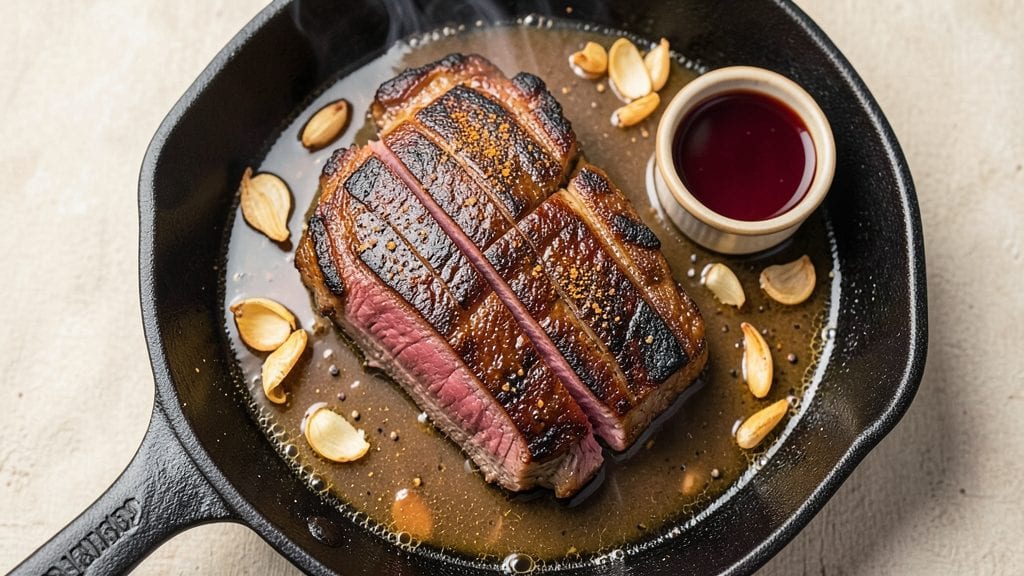
This beef shoulder blade steak recipe transforms tough cuts into melt-in-your-mouth perfection with a smoky char and buttery tenderness that rivals steakhouse quality. The secret lies in slow-braising the blade steak until it practically falls apart, then finishing it with a quick sear to create that coveted crust.
I developed this method after years of experimenting with underutilized cuts, and it consistently delivers restaurant-worthy results at home.
The process begins with a simple dry rub of salt, pepper, and smoked paprika, which forms a flavorful bark during the braising phase. Unlike more delicate cuts, the shoulder blade benefits from low-and-slow cooking that breaks down connective tissue while preserving moisture.
What makes this recipe particularly impressive is how it achieves both texture and flavor in one pan—no complicated equipment or techniques required.
By the time you serve it, each bite will offer that perfect balance of tender meat and caramelized crust, with a depth of flavor from the slow cooking process. The rich, beefy aroma alone will have everyone at the table anticipating the first forkful.
This is the kind of dish that turns a simple weeknight dinner into an unforgettable meal.
Pair it with roasted root vegetables or a simple arugula salad to complete the plate. The braising liquid can even be reduced into a quick gravy for extra indulgence. Let's get started on creating this showstopping centerpiece that proves good steak doesn't require expensive cuts.
Ingredients for beef shoulder blade steak
Transform tough beef shoulder blade into melt-in-your-mouth perfection with this one-pan technique.
| Ingredient | Amount | Notes |
|---|---|---|
| Beef Shoulder Blade Steak 🥩 | 3 ½ lb | Bone-in, cut into 2-inch cubes |
| Diamond Crystal Kosher Salt 🧂 | 1 ½ tbsp | For dry rub and seasoning |
| Freshly Ground Black Pepper 🌶️ | 1 tbsp | Coarse grind preferred |
| Smoked Paprika 🌶️ | 2 tbsp | For bark development |
| Dry Red Wine 🍷 | 1 cup | Cabernet Sauvignon preferred |
| Beef Stock 🥣 | 2 cups | Homemade or high-quality |
| Extra-Virgin Olive Oil 🫒 | ½ cup | For searing and finishing |
| Garlic Cloves 🧄 | 4 cloves | Roughly chopped |
| Carrots 🥕 | 2 large | Chopped into 1-inch pieces |
| Onions 🧅 | 1 whole | Yellow, diced |
| Rosemary Sprigs 🌿 | 2 tbsp | Fresh, for aromatic depth |
| Fresh Thyme Leaves 🍃 | 1 tbsp | Or 1 tsp dried thyme |
| Tomato Paste 🍅 | 2 tbsp | San Marzano preferred |
| Butter 🧈 | 4 tbsp | Unsalted, for finishing |
Professional kitchens swear by bone-in cuts for braising—beef shoulder blade delivers unmatched flavor and texture when cooked low-and-slow. Optimal quality requires 3.5 lbs of cube-cut meat with visible marbling, sourced from reputable butchers like Whole Foods or specialty meat counters. Look for vibrant red color and firm texture to ensure freshness. The dry rub of kosher salt and smoked paprika isn't just seasoning—it creates the coveted bark that contrasts with the tender interior.
Substitutions should maintain the balance of flavors and moisture. Cabernet Sauvignon is ideal for the braising liquid, but Merlot or beef broth with 2 tbsp balsamic vinegar works in a pinch. Fresh thyme is preferred, but dried thyme at one-third the amount preserves the aromatic profile. For the tomato paste, San Marzano canned tomatoes blended to paste consistency ensures authentic Italian depth. The garlic can be omitted entirely if desired, though it adds complexity to the braising liquid.
This recipe's magic happens in the slow cook, but the finishing sear is equally critical. Transfer the steak to a 425°F oven for the final 5 minutes to achieve that perfect crust. Store the braised steak in its juices for up to 4 days in the refrigerator, or freeze portions for 3 months in airtight containers. The braising liquid can be reduced to a rich gravy by simmering uncovered for 10 minutes, then strained through a fine-mesh sieve. For optimal presentation, serve with the finishing butter spooned over the top just before serving.
Why You'll Love This Recipe
- Four-Spice Magic: I swear by the combo of smoked paprika and red wine—it turns tough cuts into something tender and ridiculously flavorful. That deep, smoky warmth clings to the steak like a hug, and honestly? It’s the kind of taste that makes you slow down mid-bite.
- One-Pan Wonder: Between us, this recipe is my lazy-day hero. You salt, sear, deglaze with wine, and let the oven do the work—no flipping, no fussing. The crust forms right on the blade, and the pan sauce? Chef’s kiss. Just scrape it up at the end.
- Budget Feast: Shoulder blade steaks are the unsung heroes of affordable cuts, and this method makes them shine without breaking the bank. A single steak feeds two with leftovers that taste even better the next day—reheated or cold in sandwiches. (Yes, even on a Tuesday night.)
- Weeknight Workhorse: This isn’t just for fancy dinners. Throw it on the table after a long day, pair it with roasted potatoes, and suddenly you’ve got a meal that feels special without the stress. And the leftovers? Perfect for lunchboxes or a quick stir-fry the next evening.
Step-by-step instructions for beef shoulder blade steak with smoky char and buttery tenderness
Master this technique to transform tough cuts into melt-in-your-mouth perfection using just one pan.
Prepare the Dry Rub and Sear the Steak
In a small bowl, combine the 1.5 tablespoons diamond crystal kosher salt, 1 tablespoon freshly ground black pepper, and 2 tablespoons smoked paprika. This blend creates the perfect balance of saltiness, heat, and smoky depth essential for developing that prized bark. Pat the 3.5 lb beef shoulder blade steak dry with paper towels—this critical step ensures maximum browning and prevents steam from forming under the crust.
Heat a heavy oven-safe skillet (cast iron works best) over medium-high heat until it's smoking hot. Add the 0.5 cup extra-virgin olive oil and let it shimmer for 30 seconds—this creates the ideal surface for searing. Working in batches if needed, press each 2-inch cube of steak firmly into the dry rub mixture, coating all sides thoroughly. Once the oil is sufficiently hot, add the seasoned steak and sear undisturbed for 3-4 minutes per side until deeply browned with a crust forming. Transfer the seared steak to a plate and set aside temporarily.
Build the Aromatic Base and Deglaze
In the same skillet (no need to clean it—the fond is flavor gold), add the 1 whole onions and 2 large carrots, both chopped into 1-inch pieces, along with the 4 cloves garlic cloves (roughly chopped) and 2 tablespoons rosemary sprigs. Cook for 5-6 minutes until the vegetables soften slightly and begin to caramelize—this develops their natural sweetness and deepens the overall flavor profile.
Stir in the 2 tablespoons tomato paste and cook for another 1 minute until it darkens slightly. Pour in the 1 cup dry red wine, scraping up all the browned bits from the bottom of the pan with a wooden spoon. Let the wine reduce by half (2-3 minutes) until it reaches a syrupy consistency, intensifying its flavor and forming the foundation for your sauce.
Braise the Steak to Perfect Tenderness
Return the seared steak to the skillet, nestling it among the vegetables. Pour in the 2 cups beef stock and bring to a gentle simmer. Add the 1 tablespoon fresh thyme leaves and 4 tablespoons butter, then cover with a tight-fitting lid. Transfer the skillet to a preheated 325°F oven and braise for 2-2.5 hours until the steak is fork-tender with a probe sliding in easily.
Here's the thing—patience is key. The low-and-slow cooking breaks down the tough collagen in the beef shoulder blade, transforming it into silky, buttery strands that melt in your mouth. Check the internal temperature periodically; it should reach 195-200°F when fully tender. If the liquid reduces too quickly, add a splash of water or beef stock to maintain moisture.
Finish with a Rich, Buttery Sauce
Once the steak reaches perfect tenderness, remove the lid and increase the heat to medium-high. Let the liquid reduce by half (5-7 minutes) until it coats the back of a spoon. The sauce should be thick and velvety, clinging to the steak and vegetables.
Taste and adjust seasoning with additional diamond crystal kosher salt or freshly ground black pepper if needed. The finished dish should deliver a perfect marriage of smoky, charred exterior and melt-in-your-mouth tenderness, with a sauce that's rich yet balanced. Serve immediately, allowing the juices to redistribute throughout the steak as it rests briefly on the plate.
Pro Tips For Making Beef Shoulder Blade Steak
- PAT THE DRY: DESCRIPTION: Shoulder blade steak holds moisture like a sponge—pat it thoroughly with paper towels before searing. I learned this the hard way when my first batch turned out greasy instead of crusty. Five minutes of drying makes all the difference for that perfect blackened crust with smoked paprika.
- SALT THE MEAT: DESCRIPTION: Don’t just sprinkle salt—generously coat the steak with kosher salt at least 30 minutes before cooking. Diamond Crystal is coarser, so use about 1.5 teaspoons per side. This seasoning step is non-negotiable for flavor penetration, especially with a leaner cut like shoulder blade.
- DEGLAZE HOT: DESCRIPTION: After searing, immediately pour in the red wine and scrape up those browned bits—while the pan is still screaming hot. That’s where all the flavor hides. If you wait, you’re basically throwing away your effort. Let it reduce for 2-3 minutes before adding butter for shine.
- REST UNDER FOIL: DESCRIPTION: Skip the plate—rest the steak on a wire rack over a baking sheet, loosely covered with foil for 5-10 minutes. This keeps it warm while letting residual heat cook through evenly. I used to cut into it too soon, and the juices would pool instead of distributing. Your knife will thank you.
Flavor customization for this recipe
Smoky Heat Level
For a mild smoky flavor, reduce the smoked paprika to 1 tablespoon and add ½ teaspoon ground cumin to the dry rub. This creates a warm, earthy depth without overpowering the beef's natural taste.
I find this works beautifully with a touch of honey (1 tablespoon) in the braising liquid for subtle sweetness. 🌶️
Bold Spice Blend
Crank up the heat with 1 tablespoon chipotle powder and 1 teaspoon cayenne pepper in the dry rub. Add 1 jalapeño pepper, sliced, to the braising liquid for extra fire.
Balance the heat with 2 tablespoons apple cider vinegar in the sauce—it cuts through the spice while adding brightness. Serve with cool dill yogurt sauce on the side.
Herb-Forward Variation
Swap the smoked paprika for 1 tablespoon dried oregano and 1 teaspoon dried marjoram, then add 2 sprigs fresh thyme and 1 sprig fresh rosemary to the braising liquid.
Finish with 1 tablespoon fresh parsley and a drizzle of lemon juice before serving. This Mediterranean twist pairs perfectly with roasted potatoes.
Sweet and Tangy
Add 2 tablespoons brown sugar to the dry rub and ¼ cup balsamic vinegar to the braising liquid. Deglaze with ½ cup apple juice instead of wine for a fruity depth.
The caramelized onions will develop a beautiful amber hue, and the finished sauce has a glossy, slightly sticky texture. 🍯
Umami Bomb
Boost the depth with 1 tablespoon fish sauce and 1 tablespoon soy sauce in the braising liquid. Add 2 slices of bacon, cooked until crispy, to the skillet during the searing step.
Crumble the bacon into the finished dish for extra richness. This variation works exceptionally well with mushrooms in the braising liquid.
Citrus Zing
Finish the braising liquid with the zest and juice of 1 orange and 1 lemon (about ¼ cup juice total). Add 1 teaspoon grated ginger to the dry rub for warmth.
The citrus brightens the rich beef flavors and cuts through any potential heaviness. Garnish with fresh mint leaves before serving for a refreshing contrast.
Nutrition facts
Frequently asked questions
Why does beef shoulder blade need slow cooking?
The shoulder blade contains tough connective tissue that requires low-and-slow cooking to break down into tender, melt-in-your-mouth strands. Braising at 325°F for 2-2.5 hours transforms the tough cut into silky perfection while preserving moisture. This method creates the same restaurant-quality texture you'd pay premium prices for!
Can I use this recipe with other tough beef cuts?
This technique works beautifully with chuck roast, short ribs, or even pork shoulder. The key is choosing a cut with connective tissue that benefits from slow cooking. Adjust cooking times based on meat thickness—bone-in cuts may need 10-15 minutes longer than boneless.
What's the best way to store leftovers?
Store the braised steak in its juices within an airtight container in the fridge for up to 4 days. For longer storage, freeze portions for 3 months. Reheat gently in a skillet with a splash of beef stock to restore moisture. The braising liquid can be reduced into gravy and frozen separately for up to 2 months.
How do I know when the steak is perfectly tender?
Use a meat thermometer to check for 195-200°F internal temperature. The steak should be fork-tender with juices running clear when pierced. Another test: press a piece gently—it should crumble easily. If it's still slightly firm, return it to the oven for 15-20 minutes more.
What sides pair best with this rich dish?
For balance, serve with roasted root vegetables (carrots, parsnips) or creamy mashed potatoes. A crisp arugula salad with lemon vinaigrette cuts through the richness perfectly. The braising liquid also makes an excellent gravy for dumplings or crusty bread. Think hearty, simple sides that complement rather than compete with the star of the show.