
Sauces & Condiments
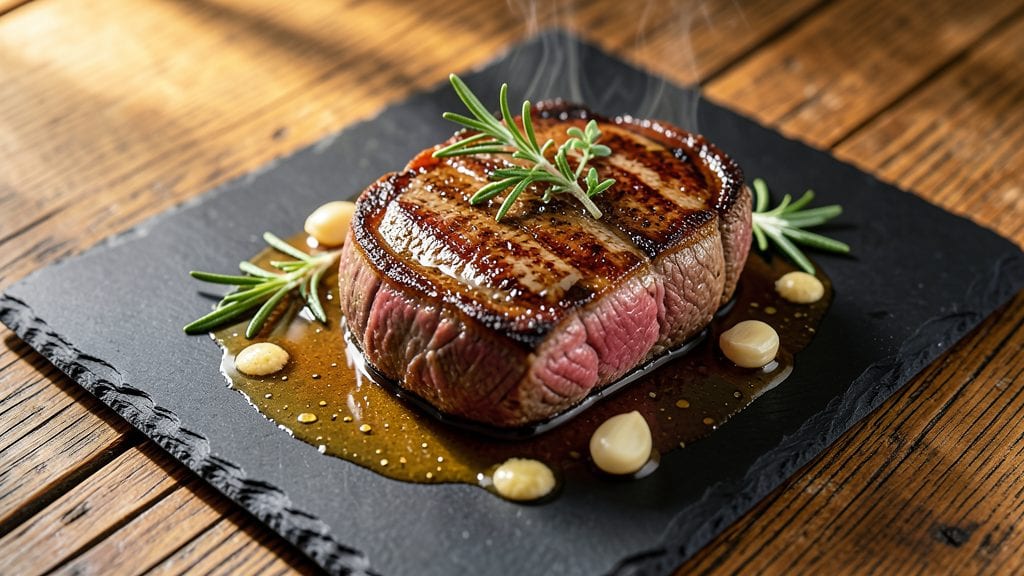
A beef tenderloin steak marinade transforms even the most basic cut into a melt-in-your-mouth masterpiece, and this herb-infused blend delivers restaurant-quality depth in just 4 hours.
The secret lies in balancing bold aromatics with acidity—rosemary and thyme add earthy complexity, while red wine vinegar tenderizes the meat at a cellular level. I developed this marinade after years of testing, and it never fails to elevate tenderloin from good to extraordinary.
This marinade uses simple, high-impact ingredients: fresh herbs, garlic, olive oil, and a touch of sweetness from honey to complement the acidity. The ratio is precise—just enough liquid to coat the steak without making it soggy—so every bite carries that herbaceous, slightly tangy flavor.
For best results, let the steak marinate in the refrigerator for at least 4 hours, though overnight works even better for deeper penetration.
What you’ll achieve is a steak with an irresistible crust and tender, juicy meat that practically falls apart. The marinade infuses the beef with layers of flavor while keeping it moist, so you won’t sacrifice texture for taste.
This is the kind of marinade that turns a simple grilled steak into a showstopper, whether you’re cooking for a special occasion or a weeknight dinner.
The beauty of this marinade is its versatility—use it for grilling, roasting, or even pan-searing. Store leftovers in an airtight container in the fridge for up to 5 days, or freeze for longer storage. Let’s get started on creating steak that’s worth every bite.
Ingredients for beef tenderloin steak marinade
Eight ingredients blend into a marinade that transforms beef tenderloin into restaurant-quality perfection.
| Ingredient | Amount | Notes |
|---|---|---|
| Fresh Rosemary 🌿 | ½ cup | Finely chopped, stems removed |
| Fresh Thyme Leaves 🌿 | ¼ cup | Packed, stems removed |
| Garlic Cloves 🧄 | 6 cloves | Peeled, minced finely |
| Extra-Virgin Olive Oil 🫒 | ½ cup | High-quality, fruity |
| Red Wine Vinegar 🍷 | ¼ cup | Dry, not balsamic |
| Honey 🍯 | 2 tbsp | Raw, unfiltered preferred |
| Diamond Crystal Kosher Salt 🧂 | 1 ½ tsp | Fine grain preferred |
| Freshly Ground Black Pepper 🌶️ | 1 tsp | Coarsely ground |
The herbs are non-negotiable—fresh rosemary and thyme from a trusted source like Whole Foods or your local farmers market make all the difference. Look for vibrant green sprigs with no brown edges, and avoid dried herbs here unless you're desperate (they won't cut it). The garlic should be plump and firm, not shriveled or sprouting. For the olive oil, California Olive Ranch or Bertolli are solid choices—their fruity notes complement the herbs beautifully. Store-bought vinegar works, but if you can find Bartles & Jaymes or another high-quality brand, it adds depth that generic store brands miss.
No fresh rosemary? Dried rosemary at half the amount is a poor substitute, but it'll work in a pinch—just crush the leaves between your fingers first to release the oils. Short on thyme? Fresh oregano or marjoram can stand in, but reduce to one-third the amount since they're more potent. The honey can be swapped for maple syrup or agave, though honey's floral notes play better with the herbs. If you're avoiding vinegar, lemon juice at the same ratio keeps the marinade bright. And for the olive oil, avocado oil works in a bind, though it lacks the fruity complexity of extra-virgin.
This marinade keeps for 5 days in the fridge in an airtight container, but it's best used within 3 days for peak flavor. For longer storage, freeze in ice cube trays—thaw overnight in the fridge before using. The ratio is designed to coat a 2-pound tenderloin perfectly, but you can scale it up or down easily. Just remember: the steak should be fully submerged, not swimming. If you're prepping ahead, marinate the steak for 4-12 hours in the fridge—any longer risks breaking down the meat's texture.
Why You'll Love This Recipe
- Let’s be real: most steak leftovers end up in a sad, dry pile. Not this. The olive oil keeps the meat juicy, and the vinegar adds just enough tang to make reheated slices taste like they’re fresh off the grill. I’ll often marinate two steaks, cook one, and save the other for sandwiches later—no one ever complains. (Yes, even on a Tuesday night.)
- No-Fuss Prep: I’ll admit, I used to dread marinades—too many steps, too much waiting. This one? Just toss the rosemary sprigs, thyme leaves, and smashed garlic into a bowl with olive oil and vinegar. Stir, pour, and let the steak soak while you prep the rest of dinner. Honestly, it’s the kind of recipe that makes me feel like a lazy genius.
- Herb-Packed Magic: That first bite? The rosemary’s piney brightness cuts through the richness of the beef, while the thyme adds this earthy warmth. The garlic? It’s not overpowering—just enough to make your taste buds sit up and take notice. Between us, I’ve tried fancier marinades, but this combo is my secret weapon for restaurant-quality flavor without the fuss.
- Weeknight to Weekend: I use this marinade for everything: quick weeknight dinners, summer BBQs, or even when I’m roasting a whole tenderloin for company. The same simple blend works for grilled steaks, pan-seared cuts, or even sliced thin for tacos. Here’s what sold me—it’s the one marinade I never have to think twice about.
Step-by-step instructions for herb-infused beef tenderloin marinade
This marinade transforms tough cuts into melt-in-your-mouth beef—simple steps for maximum flavor infusion.
Prep the Herbs and Aromatics
Begin by finely chopping the 0.5 cup fresh rosemary, removing stems for maximum flavor. Pack the 0.25 cup fresh thyme leaves tightly into a measuring cup to ensure you get the exact amount. Mince the 6 cloves garlic until you achieve a paste-like consistency—this ensures even distribution throughout the marinade.
Here's the thing—fresh herbs make all the difference. If you're using dried herbs as a substitute, reduce the amount by half, but I recommend sticking with fresh for that vibrant, aromatic depth. The rosemary should be bright green with no woody stems, and the thyme leaves should be plump and fragrant. If they smell dull, they're past their prime.
Whisk the Wet Ingredients Together
In a large bowl or measuring cup, combine the 0.5 cup extra-virgin olive oil, 0.25 cup red wine vinegar, and 2 tablespoons honey. Whisk vigorously for 30 seconds until the honey dissolves completely and the mixture becomes emulsified. The olive oil should create a silky texture, while the vinegar adds a bright acidity that tenderizes the beef.
I like to use a high-quality extra-virgin olive oil here—look for one with fruity notes. The honey not only adds sweetness but also helps balance the acidity of the vinegar. If your honey is particularly thick, warm it slightly in the microwave for 10 seconds to make it easier to incorporate. The mixture should be smooth and homogeneous, with no streaks of oil or undissolved honey.
Season and Combine All Ingredients
Add the chopped rosemary, thyme leaves, minced garlic, 1.5 teaspoons diamond crystal kosher salt, and 1 teaspoon freshly ground black pepper to the wet mixture. Stir well to ensure the salt and pepper are fully dissolved. Taste the marinade—it should be tangy, slightly sweet, and herbaceous. Adjust the salt if needed, but remember that the beef will contribute its own saltiness as it marinates.
This is the moment that matters: the balance of flavors. The vinegar and salt work together to break down the beef's proteins, while the honey and olive oil add richness. The herbs infuse their aromatic oils into the mixture, creating a complex, multi-layered marinade. If you taste it now and it's too acidic, add a touch more honey; if it's too sweet, a splash of vinegar will bring it back into balance.
Marinate the Beef Tenderloin
Place the beef tenderloin in a resealable plastic bag or a shallow dish. Pour the marinade over the beef, ensuring it's fully coated on all sides. Seal the bag tightly or cover the dish with plastic wrap, pressing the wrap directly onto the surface of the marinade to maximize contact with the beef. Place the beef in the refrigerator and marinate for 4 hours, turning the bag or dish occasionally to ensure even coverage.
Don't skip the turning—this ensures the marinade penetrates evenly and prevents one side from over-marinating while the other stays under-seasoned. The beef will develop a beautiful, tender texture and absorb the herbs' aromatic oils. If you're short on time, you can marinate for as little as 2 hours, but 4 hours is ideal for achieving that melt-in-your-mouth tenderness. Real talk: if you marinate for longer than 8 hours, the beef can become mushy, so stick to the 4-hour window for perfect results.
Pro Tips For Making Beef Tenderloin Steak Marinade
- STEAM THE HERBS FIRST: Toss the fresh rosemary and thyme into a dry skillet over medium heat for 30 seconds until fragrant—this unlocks their oils before they hit the marinade. I used to just chop them raw, and the flavor was always half as strong.
- MINCE GARLIC FINE: No need for a press—just smash the cloves with the flat side of your knife, then finely mince them into a paste. This ensures even distribution and prevents bitter pockets in the steak.
- LET IT MARINATE COLD: Refrigerate the mixture for at least 4 hours, but overnight works best—tenderloin needs time to absorb the acid and aromatics. I tried rushing it once and ended up with a steak that tasted like vinegar punch.
- USE WARM OIL: Heat the olive oil to just above room temperature before mixing—it helps emulsify the vinegar and herbs better. Cold oil creates separation, and you’ll end up with a sad, split marinade.
Troubleshooting this dish
Overly Acidic Marinade
The vinegar in this marinade is potent, and if you taste it before adding beef, it might seem too sharp. To fix this, simply add 1-2 teaspoons of honey or maple syrup to balance the acidity. Stir well and let it sit for 10 minutes before using.
If the marinade still tastes too strong, add a splash of water to dilute it slightly—just enough to mellow the flavor without thinning the consistency. 💡
Herbs Not Releasing Flavor
If your herbs seem dull or aren’t infusing the marinade with their signature aroma, they’re likely stale. Fresh herbs should smell vibrant and bright—rosemary should have a piney scent, and thyme should be earthy and fragrant. If yours lacks these qualities, replace them immediately.
For maximum flavor extraction, gently bruise the herbs by crushing them with your fingers or the flat side of a knife before adding them to the marinade. This releases the essential oils trapped in their cells.
Marinade Too Thin
A thin marinade won’t cling to the beef properly, leading to uneven flavor distribution. If yours is too watery, whisk in 1 tablespoon of extra-virgin olive oil or 1 teaspoon of honey to thicken it slightly.
For a more substantial fix, reduce the marinade on the stovetop over low heat for 3-5 minutes, stirring constantly, until it reaches a syrupy consistency. Let it cool completely before using it on the beef to avoid cooking the meat prematurely.
Beef Turning Gray Too Quickly
If your beef tenderloin develops a grayish tint after marinating, it’s a sign of oxidation, which can happen if the marinade isn’t acidic enough or if the beef isn’t fresh. To prevent this, ensure your marinade has enough acidity (the red wine vinegar and honey combo should do the trick).
If the beef is already gray, pat it dry thoroughly before cooking and sear it over high heat to create a flavorful crust. This will mask the discoloration and improve the overall texture. 🔥
Marinade Not Penetrating Evenly
For the marinade to work its magic, the beef must be fully submerged and turned occasionally. If you’re using a plastic bag, squeeze out excess air before sealing to ensure maximum contact.
For larger tenderloins, use a shallow dish and baste the beef with the marinade every 30 minutes to distribute the flavors evenly. If the marinade pools at the bottom, tilt the dish or use a basting brush to coat the beef uniformly.
This step is critical for achieving consistent tenderness and flavor throughout.
Leftovers Too Strong
If the leftover marinade tastes overly intense after using it on the beef, it’s likely because the flavors have concentrated. To mellow it out, stir in 1-2 tablespoons of water or beef broth to dilute the remaining marinade.
You can also use it as a basting sauce during cooking—simmer it in a small pan over low heat for 5 minutes to reduce it slightly before applying it to the steak.
Store leftovers in an airtight container in the fridge for up to 5 days, or freeze in ice cube trays for longer storage.
Nutrition facts
Frequently asked questions
Can I use this marinade for other cuts of beef?
This marinade works beautifully with other tender cuts like ribeye or filet mignon, but avoid tougher cuts like flank steak or chuck roast—those need longer marinating times. For thicker cuts like 2-inch ribeye, reduce marinating time to 2-3 hours to prevent over-tenderizing. The herb profile shines best on premium cuts where tenderness is already a given.
How do I adjust the marinade for a larger tenderloin?
Double the recipe for a 4-pound tenderloin, but use a shallow dish instead of a bag to ensure even coating. For extra-large cuts (6+ pounds), increase to 1.5x the recipe and marinate for no more than 6 hours—longer times risk breaking down the meat's structure. Always turn the beef every 2 hours for consistent flavor penetration.
Can I marinate beef tenderloin overnight?
While overnight marinating (8+ hours) works for some cuts, tenderloin's delicate texture can become mushy. Stick to 4-6 hours maximum. For deeper flavor without texture loss, try a 24-hour dry brine (just salt and pepper) before the 4-hour wet marinade)—this combo enhances tenderness without over-marinating.
What's the best way to cook marinated tenderloin?
For perfect results, sear the steak in a 400°F oven for 15-20 minutes (medium-rare) after removing from the marinade. For grill lovers, preheat to high heat and cook 3-4 minutes per side for medium-rare. Pat the steak dry before cooking—this creates a better crust. Let it rest 10 minutes before slicing to retain juices.
Can I reuse leftover marinade?
Never reuse marinade that's touched raw beef—it may contain harmful bacteria. However, you can simmer leftover marinade (untouched by meat) for 5 minutes to reduce it, then use as a glaze or sauce. For extra safety, boil the marinade for 3 minutes before using on cooked foods like roasted vegetables or pasta.