
Main Courses
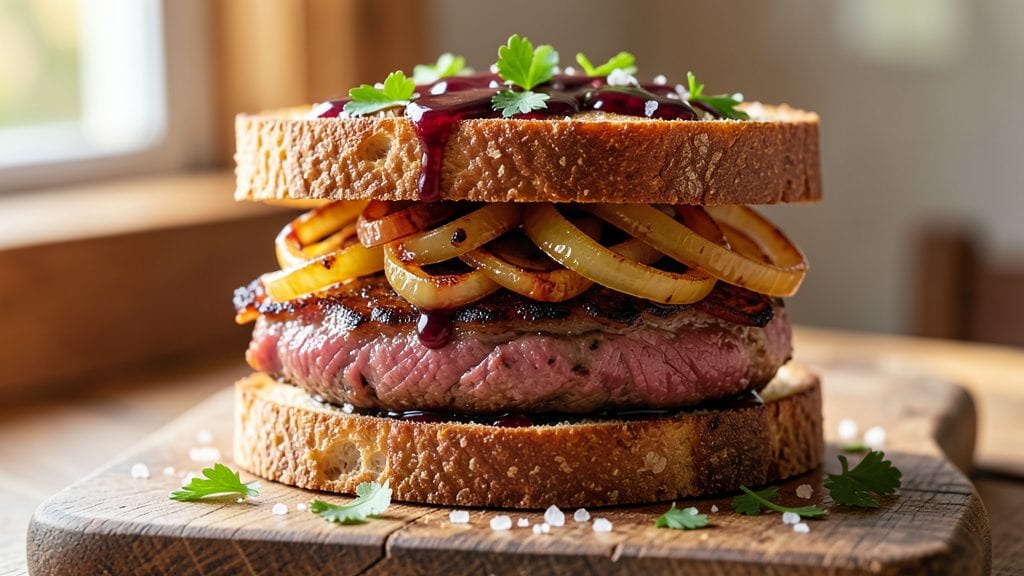
Slow-cooked beef tongue transforms into a sandwich masterpiece that balances rich, tender meat with crispy bread. This recipe delivers restaurant-quality results using traditional braising techniques that melt collagen into gelatinous perfection.
The secret lies in patience—letting the tongue simmer until it practically falls apart, creating a texture that's both luxurious and satisfying.
Start with a whole beef tongue, which requires several hours of slow cooking to achieve that signature tender yet firm bite. While the tongue braises, you'll prepare caramelized onions and a tangy mustard spread to complement its deep, savory flavor.
The bread choice matters too—crusty sourdough or a sturdy baguette holds up to the moist filling without becoming soggy.
Assembling the sandwich is where the magic happens: thinly sliced tongue layered with caramelized onions, a smear of Dijon mustard, and crisp pickles for brightness. The result is a sandwich that's hearty yet refined, with every bite offering a perfect balance of textures and flavors.
This dish elevates simple lunch into an experience worth savoring.
Serve with a side of tangy coleslaw or roasted vegetables to round out the meal, and pair with a crisp white wine or cold beer. The slow-cooked richness makes it ideal for special occasions, though it's simple enough for weeknight dinners when you want something truly memorable.
Ingredients for beef tongue sandwich
Rich, slow-cooked beef tongue meets crispy bread and tangy mustard for a sandwich that feels fancy yet simple.
| Ingredient | Amount | Notes |
|---|---|---|
| Whole Beef Tongue 🥩 | 1 whole | Approx 1.5-2 lbs, cleaned and trimmed |
| Yellow Onions 🧅 | 2 whole | Medium size, thinly sliced for caramelizing |
| Unsalted Butter 🧈 | ½ cup | Full-fat for rich caramelization |
| Dijon Mustard 🍯 | ¼ cup | High-quality for tangy flavor |
| Dry Red Wine 🍷 | 1 cup | Bold variety like Cabernet |
| Beef Broth 💧 | 2 cups | Low-sodium preferred |
| Bay Leaves 🍃 | 2 whole | Fresh for best flavor |
| Garlic Cloves 🧄 | 4 cloves | Peeled and smashed |
| Black Peppercorns 🌶️ | 1 tbsp | Freshly cracked |
| Salt 🧂 | 1 ½ tsp | Kosher or sea salt |
| Crusty Baguette 🍞 | 1 whole | Or sturdy sourdough |
| Dill Pickles 🥒 | ½ cup | Thinly sliced for crunch |
| Mayonnaise 🥛 | ¼ cup | Dijon-infused preferred |
| Fresh Parsley 🌿 | ¼ cup | Chopped for garnish |
The beef tongue is the star—look for a clean, pinkish one weighing about 1.5-2 lbs at Whole Foods or your butcher. Most grocery stores carry it, but ask if it's been pre-trimmed to save time. The onions? Sweet yellows caramelize best, but reds work too. I usually grab a bag of pre-sliced onions from Trader Joe's—saves chopping time. For the butter, Plugrá or Land O'Lakes unsalted keeps the flavor pure. The wine? Any bold red does—Cabernet, Merlot, whatever's open.
No red wine? Extra beef broth plus a splash of balsamic works perfectly. The mustard can be swapped for whole-grain Dijon if you're out of regular. Fresh bay leaves are ideal, but dried at half the amount is fine (though they won't infuse as well). For the bread, baguettes from the bakery section stay crispy longer than store-bought. No crusty bread? Toast regular bread with butter first. Pickles can be dill, bread-and-butter, or even quick-pickled cucumbers if you're feeling creative. The parsley is just for garnish—skip it if you're in a rush.
The tongue keeps in the fridge for 3-4 days after cooking, and freezes beautifully for up to 3 months. I like to slice it thinly and store it in a sealed container with a thin layer of broth to keep it moist. The caramelized onions? They reheat well—just pop them in a pan with a splash of water. The mustard spread stays fresh for 1 week in the fridge. For sandwich assembly, prep everything ahead so you're not scrambling when it's time to eat.
Why You'll Love This Recipe
- Simmers in Minutes: I swear by this—just toss the whole tongue in a pot with onions, wine, and butter, then let it simmer while you chop bread. No peeling, no dicing, no fuss. The wine reduces down to a glossy, rich sauce that coats everything in 20 minutes flat.
- Rich Without Effort: That first bite? Buttery, tender, with a deep umami punch from the slow-cooked tongue and a tangy kick from the Dijon. Honestly, it’s the kind of flavor that makes you pause mid-chew—like a fancy bistro dish, but with ingredients you’d already have.
- Leftovers That Shine: I make a double batch every time because the taste only gets better the next day. Slice the cooled tongue thin, pack it in the fridge, and it’s still perfect for sandwiches or salads three days later. No sad, dry meat here—just pure, juicy satisfaction.
- Budget Feast for Crowds: A whole beef tongue feeds six for less than $20. Between us, that’s a steal for a meal that feels special—whether it’s a Sunday brunch or a potluck where everyone asks for seconds. The onions caramelize into sweetness, the wine adds depth, and the butter ties it all together without breaking the bank.
Step-by-step instructions for beef tongue sandwiches
Here's how to transform your beef tongue into melt-in-your-mouth sandwiches with layers of flavor.
Slow-Cook the Beef Tongue Until Fork-Tender
Preheat your oven to 325°F. In a large Dutch oven, melt the 0.5 cup unsalted butter over medium heat. Add the 1 whole whole beef tongue and sear on all sides until golden brown, about 5 minutes per side. This creates a rich crust that locks in flavor during cooking.
Remove the tongue and set it aside. In the same pot, add the 2 whole yellow onions, sliced into rings, along with the 4 cloves garlic cloves (smashed), 1 tbsp black peppercorns, and 1.5 tsp salt. Cook for 5 minutes until the onions soften slightly. Deglaze the pot with the 1 cup dry red wine, scraping up all the browned bits from the bottom. Return the tongue to the pot, add the 2 cups beef broth and 2 whole bay leaves, then cover tightly.
Transfer the pot to the oven and cook for 3 to 3.5 hours until the tongue is fork-tender. You'll know it's ready when the meat pulls apart easily with a fork and the internal temperature reaches 200°F. The liquid should reduce to a rich, glossy sauce—this is what makes your sandwiches shine.
Caramelize the Onions for Sweet Depth
While the tongue cooks, remove the pot from the oven and carefully strain the cooking liquid through a fine-mesh sieve into a clean saucepan. Discard the bay leaves and peppercorns. Return the strained liquid to medium heat and simmer uncovered for 20 to 25 minutes until reduced by half. This concentrated sauce will be your glaze.
In a separate skillet, melt 2 tablespoons of the reserved unsalted butter over low heat. Add the onions that were in the Dutch oven (they should be soft but not mushy) and cook for 15 to 20 minutes, stirring occasionally, until deep golden brown and caramelized. Here's the thing—don't rush this step. The onions should be sticky and rich, with a deep amber color. Remove from heat and set aside.
Add the 0.25 cup Dijon mustard to the reduced cooking liquid and whisk until smooth. Taste and adjust seasoning with additional salt if needed. This sauce will be the base for your tongue slices, adding tangy depth and richness.
Assemble the Sandwiches with Crispy Layers
Let the cooked beef tongue cool slightly, then slice it into ¼-inch thick slices. You'll have about 4 to 6 slices, depending on the size of your tongue. Arrange the slices on a wire rack and brush both sides generously with the mustard sauce. This step ensures every bite is packed with flavor.
Toast the 1 whole crusty baguette until it's crisp and golden. Cut it into 4 equal lengths (about 3 inches each). Spread 1 tablespoon of mayonnaise on each baguette half, then layer with 2 slices of beef tongue. Top each tongue layer with 2 tablespoons of caramelized onions and 2 tablespoons of thinly sliced dill pickles. The pickles add a bright, tangy contrast that cuts through the richness of the tongue.
Gently press the sandwich halves together and let them sit for 5 minutes to allow the flavors to meld. This resting time also helps the bread absorb some of the tongue juices, making each bite more flavorful. Garnish with 1 tablespoon of chopped fresh parsley just before serving to add a fresh, vibrant finish.
Pro Tips For Making Beef Tongue Sandwich
- SCORE THE TONGUE: Use a sharp knife to cut shallow crosshatch marks (about ¼-inch deep) all over the tongue before braising—this keeps it from curling up like a frustrated corkscrew. I learned this the hard way after watching my first tongue attempt spiral into a useless knot.
- CARAMELIZE ONIONS LOW: Start your onions in a cold pan with butter, then walk away for 20 minutes on low heat—this lets them break down into sweet, jammy perfection without burning. High heat turns them bitter, and nobody wants sad, bitter onions in a sandwich.
- DEGLAZE WITH WINE: After browning the tongue, splash in that dry red wine immediately while the pan is still hot—it lifts all the stuck-on bits into a rich sauce. Skip this, and you’re left scraping fond off your pan instead of using it.
- REST BEFORE SLICING: Let the cooked tongue sit under foil for 10 minutes before slicing—this keeps it from falling apart when you cut. I used to slice it hot and wondered why my sandwiches looked like meaty confetti. (Yes, even if you’re impatient like me.)
Wine and beer pairings for this beef tongue sandwich
Crisp White Wine
A dry Riesling or Sauvignon Blanc cuts through the richness of the beef tongue beautifully. The bright acidity and citrus notes in these wines refresh your palate between each rich, savory bite.
I reach for a German Riesling from the Mosel region—its mineral finish complements the caramelized onions and mustard perfectly. 🍷
Malty Amber Ale
For beer lovers, a Belgian-style amber ale like Allagash Amber provides a malty sweetness that pairs wonderfully with the deep flavors of the tongue. The caramel and biscuit notes in the beer mirror the caramelized onions, while the slight bitterness balances the richness.
A cold glass enhances the experience, especially on a warm day.
Bold Red Wine
If you prefer red wine, a medium-bodied Cabernet Sauvignon or Merlot works surprisingly well. The dark fruit and earthy undertones in these wines echo the beef’s depth, while their acidity keeps the sandwich from feeling too heavy.
I often serve this with a 2018 Cabernet from Napa Valley—its structure stands up to the sandwich’s bold flavors.
Sparkling Contrast
A dry sparkling wine like Prosecco or Champagne adds a celebratory touch while cleansing the palate. The bubbles and acidity make the sandwich feel lighter, especially when paired with the rich, slow-cooked tongue. This is my go-to choice for special occasions or when serving guests.
Craft Beer Options
For a craft beer pairing, try a honey-brown ale like Dogfish Head’s Honey Brown—its caramel and vanilla notes harmonize with the caramelized onions and mustard. Alternatively, a wheat beer with a hint of citrus, such as Blue Moon, provides a refreshing contrast to the sandwich’s richness. 🍺
Nutrition facts
Frequently asked questions
How long does it take to cook beef tongue properly?
Slow-cooking is key—plan for 3 to 3.5 hours at 325°F until the meat reaches 200°F internally and pulls apart easily. Patience is crucial for that signature tender yet firm texture.
Can I use a pressure cooker to speed up the process?
Yes! A pressure cooker reduces cooking time to about 90 minutes on high pressure. Just sear the tongue first, then add aromatics and liquid. The texture will be slightly different but still delicious. Always let it rest 10 minutes before slicing.
What's the best bread for this sandwich?
Look for crusty sourdough or a sturdy baguette—these hold up to the moist filling without getting soggy. For extra crunch, toast the bread until golden before assembling. Gluten-free options like schar bread work too if needed.
How do I store leftovers?
Store cooked tongue in an airtight container with a thin layer of broth for 3-4 days in the fridge. Freeze for up to 3 months. Reheat slices in a skillet with a splash of water to restore moisture. The caramelized onions reheat well too—just warm in butter.
What if my beef tongue isn't tender enough?
If the tongue feels tough after 3 hours, extend cooking by 30 minutes or switch to a pressure cooker. Never rush it—properly cooked beef tongue should be fork-tender with a slight resistance. The collagen needs time to break down completely.