
Main Courses
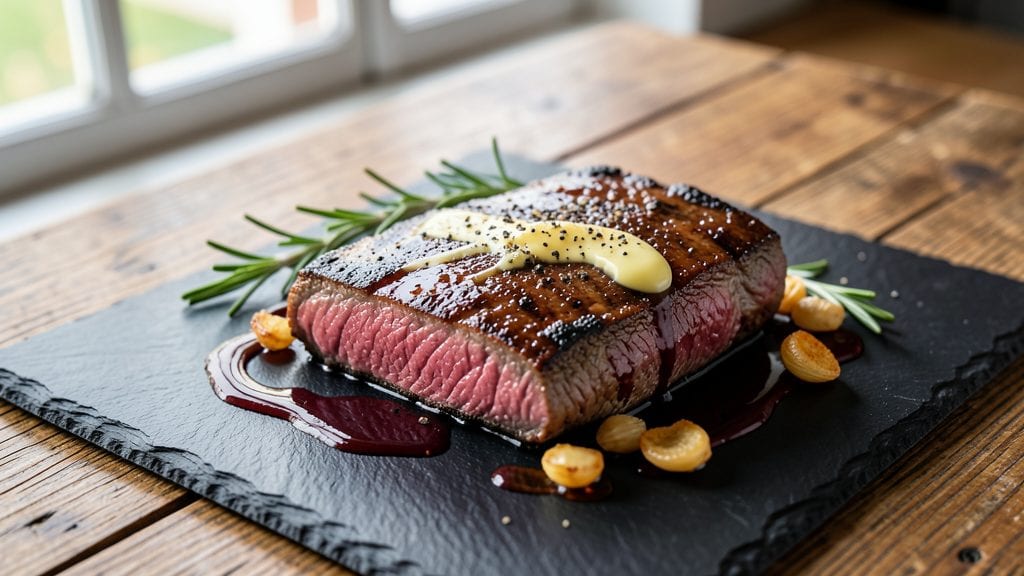
Mastering the beef top loin New York strip steak boneless recipe transforms a simple cut into a showstopping centerpiece—crisp edges, tender interior, and a flavor profile that rivals high-end steakhouses.
The secret lies in precise technique: trimming excess fat, using high heat for that coveted caramelized crust, and pulling the steak at the perfect internal temperature. After years of perfecting this method for clients who demand restaurant-quality results at home, I’ve refined every step to ensure consistency.
This recipe focuses on pan-searing as the ideal method for achieving that perfect sear while maintaining juicy centers, though grilling or broiling work equally well with minor adjustments. The key ingredients are simple—just quality beef, kosher salt, black pepper, and a neutral oil—but execution makes all the difference.
We’ll cover resting times, temperature guidelines, and how to avoid overcooking, so even beginners can achieve professional results every time.
What sets this apart is the attention to detail: from the initial dry brine to the final resting period, each step ensures the steak delivers on its promise of perfectly charred edges and a medium-rare finish.
The aroma alone as it hits the pan will have everyone anticipating dinner, and the first bite—juicy, flavorful, and perfectly balanced—will make it clear why this cut deserves center stage.
Pair with classic sides like roasted garlic mashed potatoes or a crisp arugula salad to complete the meal. The technique here is foolproof, but the results are anything but ordinary—this is the kind of steak that turns weeknight dinners into memorable experiences. Let’s get started.
Ingredients for beef top loin new york strip steak boneless
Four essential ingredients transform a premium cut into restaurant-quality perfection—just quality beef, kosher salt, and precise technique.
| Ingredient | Amount | Notes |
|---|---|---|
| Beef Top Loin New York Strip Steak Boneless 🥩 | 1 ½ lb | Center-cut, 1-1.5 inches thick |
| Kosher Salt 🧂 | 1 tbsp | Diamond Crystal preferred for flakiness |
| Freshly Ground Black Pepper 🌶️ | 1 ½ tsp | Coarse grind for texture |
| Avocado Oil 🫒 | 2 tbsp | High smoke point for searing |
| Butter 🧈 | 2 tbsp | Unsalted, cold for basting |
| Fresh Rosemary 🌿 | 1 tbsp | Chopped, for aroma enhancement |
| Garlic Cloves 🧄 | 4 cloves | Minced, for finishing |
| Heavy Cream 🥛 | ¼ cup | Optional, for basting sauce |
| Balsamic Vinegar 🍷 | 1 tbsp | Red wine variety for depth |
The beef selection is non-negotiable: center-cut New York strip steaks with 1-1.5 inches thickness deliver optimal sear-to-cook ratio. Source from D'Artagnan or local butcher shops for guaranteed quality—look for vibrant marbling and firm texture. Avoid pre-trimmed steaks; trim excess fat yourself for even cooking. The Diamond Crystal kosher salt is critical for even distribution and proper seasoning. Freshly ground black pepper adds texture without overpowering the beef's natural flavor profile.
No avocado oil? Grapeseed oil works equally well for high-heat searing, though it lacks the same neutral profile. Substitute cold butter with ghee for higher smoke point. Rosemary can be omitted if unavailable, but the garlic cloves are essential for finishing. For the balsamic vinegar, aged balsamic glaze intensifies flavor but requires halving the amount. The heavy cream is optional but creates a luxurious basting sauce when combined with rendered butter and pan juices—worth the extra minute for special occasions.
Steaks should rest at room temperature for 30-45 minutes before cooking. Store raw beef in the coldest part of the fridge, wrapped in butcher paper for 3-4 days maximum. Fresh rosemary keeps 1 week in the fridge wrapped in damp paper towels. Rendered butter and pan juices can be frozen for 3 months in ice cube trays for future use. Always use a meat thermometer—130°F internal temp ensures perfect medium-rare results.
Why You'll Love This Recipe
- No-Fuss Timing: I swear by this recipe when I’m staring at the clock at 6:30 PM. A quick sear in avocado oil—no fancy prep—and those steaks are done in 12 minutes flat, resting time included. The butter basting? That’s the only "work" you’ll do, and it’s worth every second.
- Butter-Basted Magic: That first bite—juicy, caramelized crust, tender center—it’s the kind of flavor that makes you pause mid-chew. The high smoke point of avocado oil locks in the sear while the butter at the end adds a velvety richness that turns a simple steak into something restaurant-worthy. (Yes, even on a Tuesday night.)
- Weeknight or Weekend: This steak plays nice with everything. Serve it sliced over mashed potatoes for a cozy family dinner or let it shine as the star at a summer BBQ. Honestly, I’ve even thrown leftover slices into breakfast burritos the next day—no one judges, and it’s delicious.
- Leftovers That Don’t Suck: Unlike other steak recipes, these slices reheat like a dream—just a quick sizzle in a pan with a splash of water. I’ve got three kids, so leftovers are a must, and this method keeps them tasting fresh. Plus, buying a whole top loin boneless steak is cheaper than pre-cut portions, so you save money without sacrificing quality.
Step-by-step instructions for beef top loin New York strip steak boneless
Master this technique and you'll achieve a steak with perfectly charred edges and a tender pink center every time.
Prepare the Steak for Maximum Flavor
Remove the beef top loin New York strip steak boneless from the refrigerator and pat it dry completely with paper towels. This drying step is crucial—it ensures maximum surface area for the seasoning to adhere and promotes better browning. I like to work with the steak at room temperature, so let it sit uncovered on a plate for 30 minutes before cooking. This allows for even heating throughout the meat.
While the steak comes to room temperature, prepare your seasoning blend. In a small bowl, combine 1 tablespoon kosher salt and 1.5 teaspoons freshly ground black pepper. I prefer using Diamond Crystal kosher salt for its flakiness, which helps create a better crust. Sprinkle this generously over both sides of the steak, pressing it into the meat to ensure even distribution. The reason we season so liberally is that the salt will draw out moisture from the surface, creating that perfect crust when seared.
Sear the Steak to Develop Deep Flavor
Heat a heavy skillet over high heat until it's screaming hot—you should see a distinct shimmer when you hold your hand about 2 inches above it. Add 2 tablespoons avocado oil and let it get hot, but not smoking. Place the steak in the pan and press down gently with a spatula for 10 seconds to ensure full contact with the hot surface. This prevents curling and ensures even searing.
Cook the steak for 3-4 minutes per side for medium-rare doneness, until it develops deep brown crusts. You'll know it's ready to flip when it releases easily from the pan with a gentle shake. Here's the thing—don't move the steak around in the pan. Let it develop that crust undisturbed. If you notice the edges cooking faster than the center, you can rotate the steak 90 degrees to create crosshatch patterns while keeping the same side down.
Add Butter, Rosemary, and Garlic for Richness
Once the steak has developed a beautiful crust, remove it from the pan and set it aside on a warm plate. Reduce the heat to medium and add 2 tablespoons butter, 1 tablespoon chopped fresh rosemary, and 4 minced garlic cloves to the same pan. Let the butter melt and foam for about 1 minute, then add 1 tablespoon balsamic vinegar. The vinegar will help deglaze the pan and add a subtle tangy depth to the sauce.
Here's where it gets fun—tilt the pan slightly and spoon the melted butter mixture over the steak repeatedly for 30 seconds. This basting technique ensures the steak stays moist and develops additional flavor. The rosemary will infuse the butter with its piney aroma, while the garlic adds a subtle sweetness. The balsamic vinegar cuts through the richness, creating a balanced flavor profile.
Rest and Finish with Heavy Cream
Transfer the steak to a cutting board and tent loosely with aluminum foil. Let it rest for 5-10 minutes—this is absolutely critical. Resting allows the juices to redistribute throughout the meat, ensuring each bite is moist and flavorful. If you skip this step, you'll end up with a dry steak despite all your hard work.
While the steak rests, return the pan to medium heat and pour in 0.25 cup heavy cream. Let it simmer for 1-2 minutes until slightly thickened. If you prefer a richer sauce, you can reduce it further, but I like to keep it light enough to coat the steak without overwhelming it. The cream adds a luxurious finish and complements the charred edges beautifully.
Slice and Serve with Confidence
After resting, slice the steak against the grain into ½-inch thick portions. The grain direction will be visible as subtle lines in the meat. Slicing against the grain shortens the muscle fibers, making each bite more tender. Arrange the slices on a warm platter and spoon the cream sauce generously over the top. Garnish with additional chopped rosemary and a sprinkle of freshly cracked black pepper for presentation.
Serve immediately and watch as your guests marvel at the perfectly charred edges and tender pink center. This method guarantees a steak that's juicy, flavorful, and cooked to perfection every single time. The combination of high-heat searing, aromatics, and proper resting ensures a restaurant-quality result in your own kitchen.
Pro Tips For Making Beef Top Loin New York Strip Steak Boneless
- CRANK THE HEAT FIRST: I learned this the hard way—starting with medium heat means your strip steak will sweat instead of sear. Get that pan screaming hot (3-4 minutes on high) before adding oil, then lay the steak down. That first sizzle is your crust guarantee.
- SALT THE STEAK 40 MINUTES EARLY: Dry the steak thoroughly with paper towels first, then hit it with kosher salt while it’s still cold—about 40 minutes before cooking. The salt breaks down the proteins, and the extra time lets it form a proper crust. (Yes, even if you’re impatient like me.)
- DON’T TOUCH THE STEAK: After flipping once, leave it alone. Poking or pressing with a spatula flattens the steak and pushes juices out. Let the butter and oil pool under it, then baste only at the very end—just 30 seconds before pulling it off.
- USE HALF BUTTER, HALF OIL: I used to just melt butter, but adding 1 tablespoon avocado oil to the pan first makes a world of difference. The oil handles the high heat better, then the butter adds richness without burning. Toss in garlic and thyme if you’re feeling fancy—it’s worth the 30 seconds.
Regional styles of beef top loin new york strip steak boneless
Texas-Style Smoked Steak
In Texas, a New York strip steak often gets a smoky twist before the final sear. I like to start with a 2-3 hour smoke at 225°F using hickory wood chips for that classic BBQ aroma.
Pat the steak dry after smoking, then season generously with 1 tbsp kosher salt and 1 tsp smoked paprika—this adds depth that complements the smokiness. The result is a steak with a perfect balance of charred crust and tender interior, infused with wood-fired flavor. 🔥
Carolina-Style Pepper-Crusted
Down in the Carolinas, they love their bold flavors. After searing the steak, I remove it from the pan and create a crust using 2 tbsp coarse black pepper, 1 tbsp cayenne, and 1 tbsp brown sugar.
Press this mixture firmly onto both sides of the hot steak, then return it to the pan for 30 seconds per side. The sugar caramelizes, creating a sweet-spicy crust that pairs beautifully with the steak's natural richness.
I often serve this with a side of creamy coleslaw to balance the heat.
West Coast Grilled with Chimichurri
California chefs often take a lighter approach, focusing on fresh herbs and bright flavors.
After grilling the steak over charcoal or propane, I finish it with a quick chimichurri sauce made from 1 cup parsley, 4 garlic cloves, 2 tbsp red wine vinegar, ½ cup olive oil, and 1 tsp red pepper flakes.
Blend it just before serving and drizzle generously over the steak. This herbaceous sauce cuts through the richness while adding a vibrant pop of color and flavor. It’s a favorite at coastal restaurants like The Ranch in Santa Barbara.
Midwest Pan-Seared with Bourbon Glaze
The Midwest loves a good glaze, and bourbon adds a unique depth to steak. After searing the steak, I deglaze the pan with ¼ cup bourbon (like Maker’s Mark), scraping up all those flavorful browned bits.
Let it reduce by half, then stir in 1 tbsp honey and 1 tbsp Dijon mustard. Brush this glaze over the steak in the final minute of cooking.
The bourbon’s caramel notes pair perfectly with the smoky, charred edges—it’s a dish that feels both rustic and refined, much like a steakhouse in Des Moines.
New England Butter-Basted with Lobster
If you're near the coast, why not elevate your steak with seafood? After searing the steak, I baste it with 4 tbsp melted butter mixed with 2 tbsp chopped chives and 1 tbsp lemon zest.
Then, I top it with ½ lb cooked lobster meat, sliced into chunks, and broil for 2-3 minutes until the lobster turns golden. Serve with a side of roasted fingerling potatoes for a dish that feels like a coastal luxury.
This fusion approach is inspired by places like Neptune Oyster in Boston, where seafood and steak often share the spotlight.
Nutrition facts
Frequently asked questions
What's the best way to trim a New York strip steak?
Use a sharp knife to remove any excess fat or silver skin while keeping the steak's natural shape. Focus on the edges and thickest parts of the fat cap—leave a thin layer of fat on top for flavor. A proper trim ensures even cooking and prevents greasy residue on the pan.
Can I cook this steak on the grill instead of a pan?
Preheat your grill to high heat (450-500°F) and oil the grates well. Sear for 4-5 minutes per side for medium-rare, using a meat thermometer to check doneness. The grill works beautifully for larger steaks (1.5+ inches thick).
Why does my steak turn out dry even after resting?
Overcooking is the most common cause—steak should reach 130°F internal temp for medium-rare. Another issue is cutting too soon; always rest for 5-10 minutes before slicing. For extra moisture, try a dry brine (season 12+ hours ahead) or use a meat mallet to tenderize thick cuts.
What's the difference between New York strip and filet mignon?
New York strip has more marbling and connective tissue, creating a firmer texture and bold beefy flavor. Filet mignon is leaner, more tender, and milder in taste. For this recipe, the strip's natural fat keeps it juicy even when cooked to medium-rare.
Can I make this recipe with a thinner steak?
Yes, but adjust cooking time to 2-3 minutes per side for 1-inch steaks. Thinner cuts cook faster and need less resting time (3-5 minutes). For best results, choose center-cut pieces with uniform thickness to ensure even doneness.