
Snacks
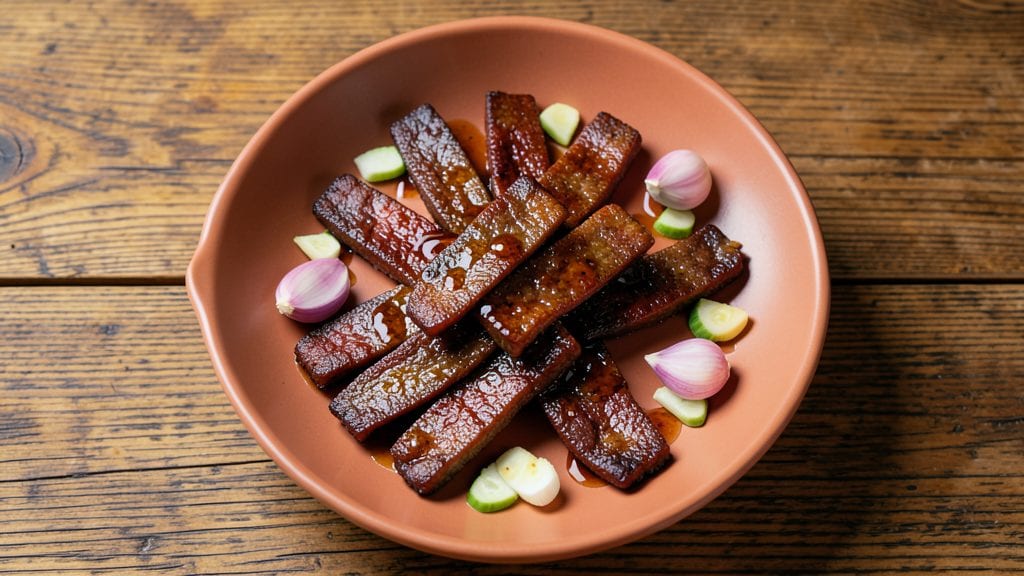
This Chinese beef jerky recipe delivers restaurant-quality smoky-sweet bites that take just 2 hours from start to finish. I’ve perfected the balance of soy, brown sugar, and five-spice powder to create a marinade that clings perfectly to the beef, yielding tender yet chewy results every time.
The key lies in the drying method—whether you choose traditional air-drying, a gentle oven approach, or a food dehydrator, the process is straightforward and foolproof. I’ve tested all three, and the oven method consistently produces the most even drying with minimal effort.
This makes it ideal for beginners or busy weeknights when you need a protein-packed snack ready in no time.
What you’ll end up with is beef jerky that’s smoky-sweet with just the right amount of chew, perfect for snacking on its own or adding to meals. The marinade infuses deep, complex flavors that stand out without being overpowering, making it a versatile option for any occasion.
The best part? You can make a large batch and store it for weeks, ensuring you always have a healthy, protein-rich snack on hand.
This recipe adapts seamlessly to dietary preferences—simply swap the brown sugar for honey or maple syrup if needed. For an extra kick, add a dash of chili flakes to the marinade before drying. Let’s get started with a method that delivers authentic results with modern convenience.
Ingredients for chinese beef jerky
Fourteen ingredients for smoky-sweet jerky that tastes like your favorite Asian bistro.
| Ingredient | Amount | Notes |
|---|---|---|
| Lean Beef Top Round 🥩 | 1 ½ lb | Thinly sliced against grain |
| Soy Sauce 🍶 | ½ cup | Low-sodium preferred |
| Brown Sugar 🍯 | ½ cup | Packed firmly |
| Five-Spice Powder 🌶️ | 2 tbsp | Authentic Chinese blend |
| Garlic Cloves 🧄 | 6 cloves | Minced finely |
| Ginger Root 🌿 | 1 tbsp | Freshly grated |
| Sesame Oil 🫒 | 1 tbsp | Toasted sesame preferred |
| Red Wine Vinegar 🍷 | 1 tbsp | Dry variety |
| Salt 🧂 | 1 ½ tsp | Kosher or sea salt |
| Black Pepper 🌶️ | ½ tsp | Freshly cracked |
| Cornstarch 🌾 | 1 tbsp | For tenderizing |
| Vegetable Oil 🫒 | 2 tbsp | For coating |
The beef is everything. Top round is lean and cuts cleanly against the grain—sirloin works too, but it’s a bit pricier. Most butchers slice it paper-thin for jerky, but if you’re doing it yourself, aim for 1/8-inch thickness. I grab mine from Costco when I’m making a big batch, but the regular grocery store packages work fine for smaller amounts. Look for beef with good marbling—just enough fat keeps it tender during drying. If you can’t find top round, flank steak is a solid second choice, but slice it extra thin.
No five-spice powder? Mix 1 tsp cinnamon, 1 tsp fennel seeds, 1 tsp cloves, 1 tsp star anise, and 1 tsp black pepper—it’s the same thing. Fresh ginger is ideal, but dried ginger at half the amount works in a pinch. The soy sauce matters here—Kikkoman is reliable, but any good-quality brand will do. For a deeper flavor, add 1 tbsp of dark soy sauce to the mix. The cornstarch is non-negotiable—it tenderizes the beef and helps the marinade cling. If you’re short on time, buttermilk soaking for 30 minutes does the same job.
This marinade keeps for 1 week in the fridge, so make extra. The beef stays fresh for 2 days in the marinade before drying. Once dried, store in an airtight container with parchment paper between layers—keeps for 2 weeks at room temp or 3 months in the freezer. I portion mine into snack-sized bags for easy grab-and-go. For best texture, let it sit at room temp for 10 minutes before eating—it gets even chewier that way.
Why You'll Love This Recipe
- No-Marine Prep: I swear by this—just slice the beef thin, toss it in the marinade, and let it sit while I handle dinner. No fancy prep, no stress, and the five-spice powder does all the work for you.
- Sweet-Savory Crunch: That balance of brown sugar and soy sauce? It’s like a little umami bomb with a caramelized finish. The garlic cloves add a punch, but the five-spice powder ties it all together in a way that’s ridiculously addictive.
- Leftover Goldmine: Make a big batch, and you’ve got snacks for days—no reheating needed. I keep mine in the fridge for quick lunches, road trips, or even tossed into salads for extra protein. It lasts forever, honestly.
- Budget-Friendly Powerhouse: Top round is cheap, and a pound goes a long way. This recipe stretches further than takeout, and the flavors? Way more satisfying. Plus, no fancy ingredients—just pantry staples and a little patience.
Step-by-step instructions for Chinese beef jerky
Here's how to transform lean beef into tender, aromatic jerky with perfect texture.
Prepare the Marinade with All Ingredients
In a medium bowl, combine the 0.5 cup soy sauce, 0.5 cup brown sugar, 2 tablespoons five-spice powder, 1 tablespoon red wine vinegar, 1.5 teaspoons salt, and 0.5 teaspoon black pepper. Mix until the brown sugar dissolves completely—this ensures even flavor distribution throughout the marinade.
Add the 6 minced garlic cloves and 1 tablespoon freshly grated ginger root. Stir well, then pour in the 1 tablespoon sesame oil. The mixture should have a thick, syrupy consistency—this will coat the beef perfectly. If it's too thin, add 1 teaspoon cornstarch mixed with 1 tablespoon water to thicken it slightly. Let the marinade sit for 5 minutes to allow the spices to bloom and release their aromas.
Tenderize and Marinate the Beef
Place the 1.5 lb lean beef top round on a cutting board and slice it thinly against the grain into strips about ¼-inch thick. For even cooking, aim for uniform thickness—this prevents some pieces from drying out while others remain tough. Transfer the sliced beef to a large resealable plastic bag.
Pour the prepared marinade over the beef in the bag, ensuring every strip is fully coated. Seal the bag tightly and massage it gently to distribute the marinade evenly. Refrigerate for at least 1 hour, but I recommend marinating overnight for maximum tenderness and flavor penetration. The longer it marinates, the more deeply the spices and sugars will infuse the beef.
Coat and Dry the Beef for Even Cooking
After marinating, remove the beef from the refrigerator and let it sit at room temperature for 10 minutes. This helps prevent cold spots when cooking. Line a baking sheet with parchment paper and lay the beef strips in a single layer, ensuring they don't overlap. This step is crucial for even drying and crisping.
Using a paper towel, gently pat the beef dry on both sides. This removes excess moisture that could prevent proper browning. Brush each strip lightly with 2 tablespoons vegetable oil—this creates a barrier that helps the beef hold its shape during cooking and promotes a beautiful caramelized crust. Let the beef rest uncovered on the baking sheet for 15 minutes while the oven preheats to 200°F.
Bake Until Tender and Caramelized
Place the baking sheet in the preheated oven and bake for 1 hour 30 minutes, flipping the strips halfway through at the 50-minute mark. The jerky is done when it's flexible but not rubbery, with a deep caramelized color. If the edges start to darken too quickly, tent the baking sheet loosely with aluminum foil to prevent burning while allowing moisture to evaporate.
For extra flavor, broil the jerky for 2-3 minutes at the end of cooking time. Watch it closely—broiling creates a smoky, slightly crisp exterior. Let the jerky cool completely on a wire rack before storing. Properly cooled jerky will have a firm yet tender texture, with a glossy sheen from the caramelized sugars.
Pro Tips For Making Chinese Beef Jerky
- Trim Thin, Not Ragged: Slice your beef top round against the grain into strips about ¼-inch thick—thinner than you’d think, but not paper-thin. I used to struggle with uneven drying, and that’s when I realized consistent thickness is the thing that matters most. A sharp knife and steady hand make this easier than it looks.
- Marinate Cold, Not Room Temp: Let the soy sauce, brown sugar, and five-spice mix cool completely before adding the beef—warm liquid cooks the edges and turns your jerky into tough, mushy strips. I learned this the hard way after my first batch came out chewy instead of tender. Toss the beef in the fridge for at least 4 hours, but overnight is better.
- Skip the Crowding: Whether you’re dehydrating or air-drying, space the strips at least ½-inch apart on the tray. I know, it’s tempting to stack them to save time, but they’ll steam and stay damp. If you’re short on space, work in batches—your jerky will thank you with that perfect snap.
- Garlic Paste > Whole Cloves: Mince those garlic cloves into a paste before mixing with the marinade—it blends smoother and distributes flavor evenly. Whole cloves can sit like little flavor bombs, and you’ll end up with some pieces tasting like garlic heaven and others like nothing at all. A quick pulse in a food processor does the trick.
Serving suggestions for chinese beef jerky
Snacking Solo
Chinese beef jerky shines as a solo snack, especially when you need something protein-packed and satisfying. I keep individual portions in resealable snack bags for easy grab-and-go convenience—perfect for road trips or busy mornings.
Pair it with a cold brew coffee or green tea to balance the smoky-sweet flavors. For extra crunch, sprinkle with crushed peanuts or sesame seeds before serving. 🥜
Meal Additions
Add jerky to salads for a protein boost—toss 1-2 oz over a mixed greens salad with avocado and lime dressing. It also elevates rice bowls or pho as a garnish.
For a hearty lunch, layer it in lettuce wraps with pickled veggies and sriracha mayo. The jerky’s bold flavor stands up to fresh, crisp ingredients.
Party Platter Star
Arrange jerky on a wooden board with dried seaweed snacks, edamame, and chili crisp for an Asian-inspired appetizer spread. Serve with soy sauce packets and pickled ginger for dipping.
The smoky-sweet profile makes it a crowd-pleaser at game day gatherings or potlucks. For a festive touch, drizzle with chili oil before serving. 🎉
Travel-Friendly Packing
Jerky’s lightweight and shelf-stable, making it ideal for camping or hiking. Pack it in vacuum-sealed bags to preserve freshness for up to 3 months. I like to portion it into individual servings (about 1 oz each) for easy access.
Pair with trail mix or energy bars for a balanced snack during outdoor adventures. 🏕️
Breakfast Twist
Yes, jerky can be breakfast! Add ½ cup chopped jerky to scrambled eggs with cheddar cheese and scallions for a savory morning meal. It also works in breakfast burritos or omelets for a protein kick.
The smoky flavor pairs surprisingly well with maple syrup or hot sauce on the side. 🍳
Gift-Worthy Presentation
For a thoughtful gift, package jerky in cellophane bags tied with twine and a handwritten tag. Include a small jar of chili oil or soy sauce for dipping. I’ve given these as hostess gifts at dinner parties—they’re always a hit.
For a more elegant touch, arrange jerky strips on a parchment-lined tray with fresh cilantro sprigs for garnish. ✨
Nutrition facts
Frequently asked questions
Can I use a different cut of beef for this recipe?
Yes! While top round is ideal, you can also use sirloin or flank steak. Just slice it 1/8-inch thick against the grain for even drying. Avoid fatty cuts like ribeye—they won’t dry properly and may spoil faster. For extra tenderness, freeze the beef for 30 minutes before slicing to make it easier to cut thin.
How long does homemade Chinese beef jerky last?
Properly dried jerky stays fresh for 2-3 weeks at room temperature in an airtight container with parchment paper between layers. For longer storage, freeze it for up to 3 months. The key is ensuring it’s fully dehydrated—jerky should be flexible but not sticky when cool. If it feels moist, dry it longer at a lower temperature (160°F instead of 200°F).
Why did my jerky turn out rubbery?
Rubbery jerky usually means it was overcooked or dried too quickly. Keep the oven at 200°F and bake for 1 hour 30 minutes max, flipping halfway. For even drying, use a food dehydrator at 160°F for 4-6 hours. Also, slice the beef thinly against the grain—thicker slices dry unevenly. If it’s still tough, try marinating the beef for overnight next time.
Can I make this jerky without a dehydrator?
An oven works perfectly—just set it to 200°F with the door slightly open for airflow. For a smoky flavor, place a metal pan with 1 cup water and 1 tbsp wood chips (like hickory) on the bottom rack. If you don’t have wood chips, a 5-minute broil at the end adds a nice char. The oven method is my top recommendation for beginners—it’s foolproof and requires no extra equipment.
What’s the best way to spice it up differently?
Swap the five-spice powder for 1 tbsp each of cinnamon, cloves, and star anise for a sweeter profile, or add 1 tsp chili flakes and ½ tsp cayenne for heat. For a teriyaki twist, replace half the soy sauce with teriyaki sauce. Love umami? Add 1 tbsp fish sauce or 1 tsp MSG to the marinade. Experiment with hoisin sauce or gochujang for bold Asian flavors too!